The spleen is a vital organ that plays a dual role in the body—filtering blood and supporting immune defense. Often overlooked, it acts as a quality control center for blood cells while also helping detect and respond to infections.
Located in the upper left abdomen, the spleen works closely with the immune and circulatory systems to maintain internal balance and protect against harmful invaders.
What Is the Spleen?
The spleen is part of the lymphatic system, but unlike lymph nodes, it filters blood instead of lymph fluid.
Key Characteristics
- Soft, spongy organ about the size of a fist
- Located behind the stomach, near the diaphragm
- Rich in blood supply
- Contains specialized immune cells
Its structure allows it to efficiently monitor and clean circulating blood.
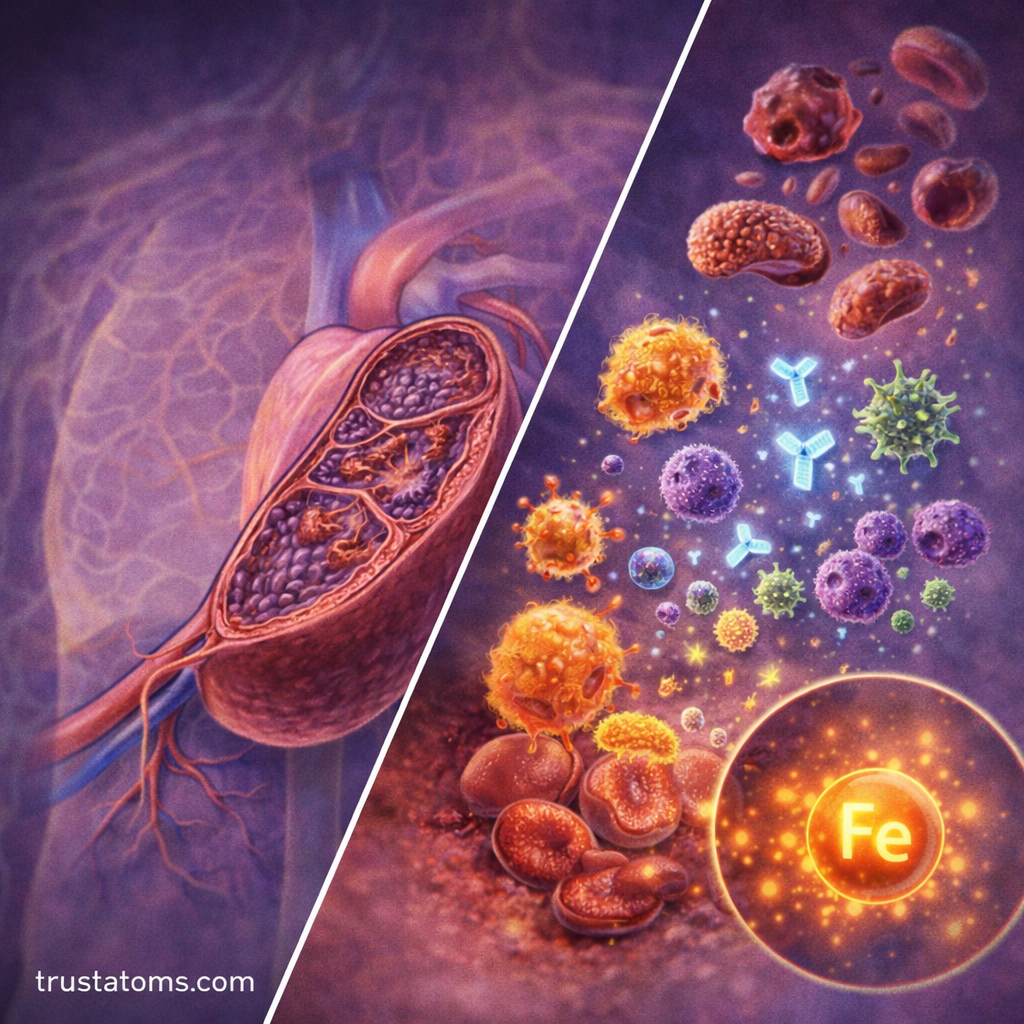
Structure of the Spleen
The spleen is divided into two main functional regions, each with a specific role.
White Pulp
- Contains immune cells such as B cells and T cells
- Surrounds blood vessels
- Detects pathogens in the blood
- Initiates immune responses
Red Pulp
- Filters and removes old or damaged red blood cells
- Recycles iron and other components
- Stores platelets and blood cells
This division allows the spleen to handle both immune and blood-filtering functions simultaneously.
How the Spleen Filters Blood
As blood flows through the spleen, it undergoes a thorough screening process.
Step-by-Step Process
- Blood enters the spleen through the splenic artery
- It passes through narrow channels in the red pulp
- Old or damaged red blood cells are trapped and broken down
- Healthy cells continue circulating
- Waste materials are recycled or removed
This process ensures that only healthy, functional blood cells remain in circulation.
Immune Functions of the Spleen
The spleen plays a key role in identifying and responding to infections carried in the bloodstream.
Key Immune Roles
- Detects bacteria, viruses, and other pathogens
- Activates lymphocytes (B cells and T cells)
- Supports antibody production
- Removes antibody-coated pathogens
Because it filters blood directly, the spleen is especially important for defending against blood-borne infections.
Role in Red Blood Cell Recycling
Red blood cells have a lifespan of about 120 days. The spleen helps manage this lifecycle.
What Happens to Old Red Blood Cells?
- They become less flexible and get trapped in the spleen
- Macrophages break them down
- Hemoglobin is recycled
- Iron is reused to make new red blood cells
This recycling process is essential for maintaining healthy blood composition.
Spleen as a Blood Reservoir
The spleen also acts as a storage site for blood components.
Stored Elements
- Platelets
- Red blood cells
- White blood cells
In cases of injury or blood loss, the spleen can release stored blood to help stabilize circulation.
What Happens Without a Spleen?
Some individuals may have their spleen removed (splenectomy) due to injury or disease.
Effects of Spleen Removal
- Increased risk of infections, especially bacterial
- Reduced ability to filter abnormal blood cells
- Greater reliance on other immune organs
People without a spleen often require vaccinations and preventive care to reduce infection risk.
Spleen vs. Lymph Nodes
Although both are part of the lymphatic system, they serve different roles.
Key Differences
- Spleen
- Filters blood
- Removes damaged blood cells
- Responds to blood-borne pathogens
- Lymph Nodes
- Filter lymph fluid
- Monitor tissue infections
- Coordinate localized immune responses
Together, they provide comprehensive immune surveillance.
Supporting Spleen Health
While the spleen works automatically, overall health habits can support its function.
Healthy Practices
- Maintain a balanced diet rich in nutrients
- Stay physically active
- Avoid excessive alcohol consumption
- Manage infections promptly
- Protect the abdomen from injury
Why the Spleen Is Essential
The spleen is critical for:
- Filtering and maintaining healthy blood
- Detecting infections in the bloodstream
- Supporting immune coordination
- Recycling essential components like iron
Without it, the body becomes more vulnerable to certain infections and blood-related issues.
Final Thoughts
The spleen is a powerful yet often underappreciated organ that bridges the gap between the circulatory and immune systems. Its ability to filter blood, remove damaged cells, and activate immune defenses makes it essential for maintaining overall health.
Understanding spleen function highlights the importance of internal filtration systems and how the body continuously works to protect itself from harm.