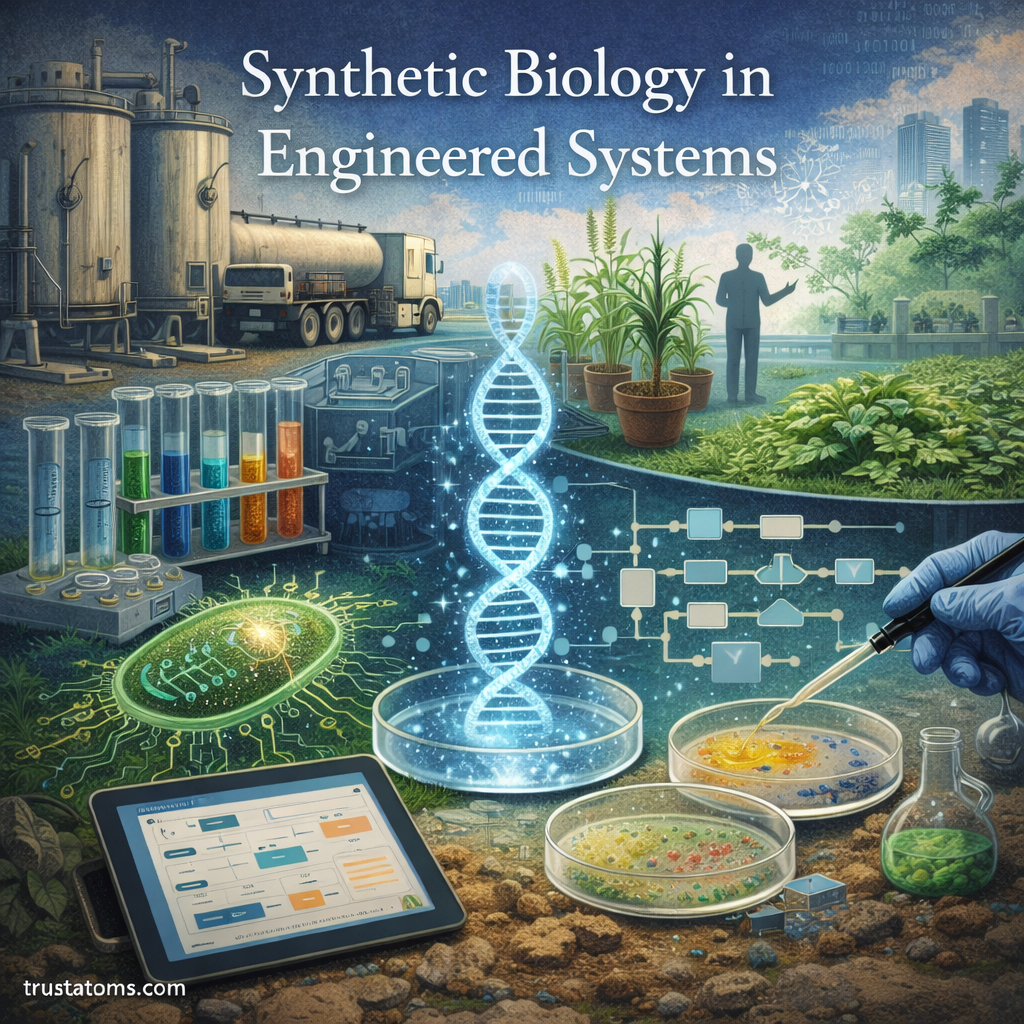
Synthetic biology is an interdisciplinary field that combines biology, engineering, genetics, and computer science to design and construct new biological systems. Rather than simply studying natural organisms, scientists in synthetic biology aim to engineer biological components and redesign living systems to perform useful functions.
In engineered systems, synthetic biology applies engineering principles—such as standardization, modular design, and predictability—to biological processes. This approach allows researchers to build biological circuits, modify organisms for industrial production, and develop new solutions in medicine, agriculture, and environmental management.
As the field advances, synthetic biology is becoming a powerful tool for creating programmable biological systems that can perform complex tasks.
What Is Synthetic Biology?
Synthetic biology is the design and construction of new biological parts, devices, and systems, as well as the redesign of existing organisms for useful purposes.
The field builds upon several scientific disciplines:
- Molecular biology
- Genetic engineering
- Bioinformatics
- Systems biology
- Chemical engineering
Unlike traditional genetic modification, synthetic biology often involves constructing entire genetic circuits or metabolic pathways from scratch.
Scientists may design new DNA sequences that give organisms specific capabilities, such as producing pharmaceuticals, detecting environmental pollutants, or generating biofuels.
Engineering Principles Applied to Biology
Synthetic biology treats biological systems similarly to engineered machines.
Researchers attempt to make biological systems:
- Modular
- Predictable
- Scalable
- Reusable
This engineering mindset helps scientists build complex biological functions from smaller standardized components.
Modular Biological Parts
In synthetic biology, biological components are often treated as modular units called biological parts.
Examples include:
- Promoters that control gene activation
- Regulatory proteins
- DNA coding sequences
- Genetic switches
These components can be assembled into larger genetic systems, much like electronic circuits.
Standardization of Biological Components
Standardized biological parts allow researchers to reuse and combine genetic elements in different projects.
Libraries of standardized genetic components help scientists:
- Speed up experimental design
- Improve reproducibility
- Share tools across research groups
The concept is similar to standardized parts used in engineering and electronics.
Genetic Circuits
Genetic circuits are engineered networks of genes that perform logical operations inside cells.
Examples of genetic circuit functions include:
- Turning genes on or off in response to environmental signals
- Producing molecules only under specific conditions
- Controlling cellular behavior
These circuits operate similarly to electronic circuits but use biological molecules instead of electrical signals.
Tools Used in Synthetic Biology
Synthetic biology relies on several advanced technologies that enable precise manipulation of DNA and cellular systems.
DNA Synthesis
DNA synthesis allows scientists to create entirely new genetic sequences in the laboratory.
Researchers can design custom DNA segments using computer software and then synthesize them chemically.
This technology makes it possible to construct genes that do not exist in nature.
CRISPR Gene Editing
CRISPR technology enables highly precise editing of genetic material.
Using CRISPR systems, scientists can:
- Insert new genes
- Delete unwanted sequences
- Modify gene function
- Regulate gene expression
CRISPR has dramatically accelerated progress in synthetic biology and genetic engineering.
Computational Modeling
Computational tools help researchers design and simulate biological systems before building them in the lab.
Modeling allows scientists to:
- Predict gene interactions
- Optimize metabolic pathways
- Test synthetic circuits
This reduces experimental errors and improves system reliability.
Applications of Synthetic Biology in Engineered Systems
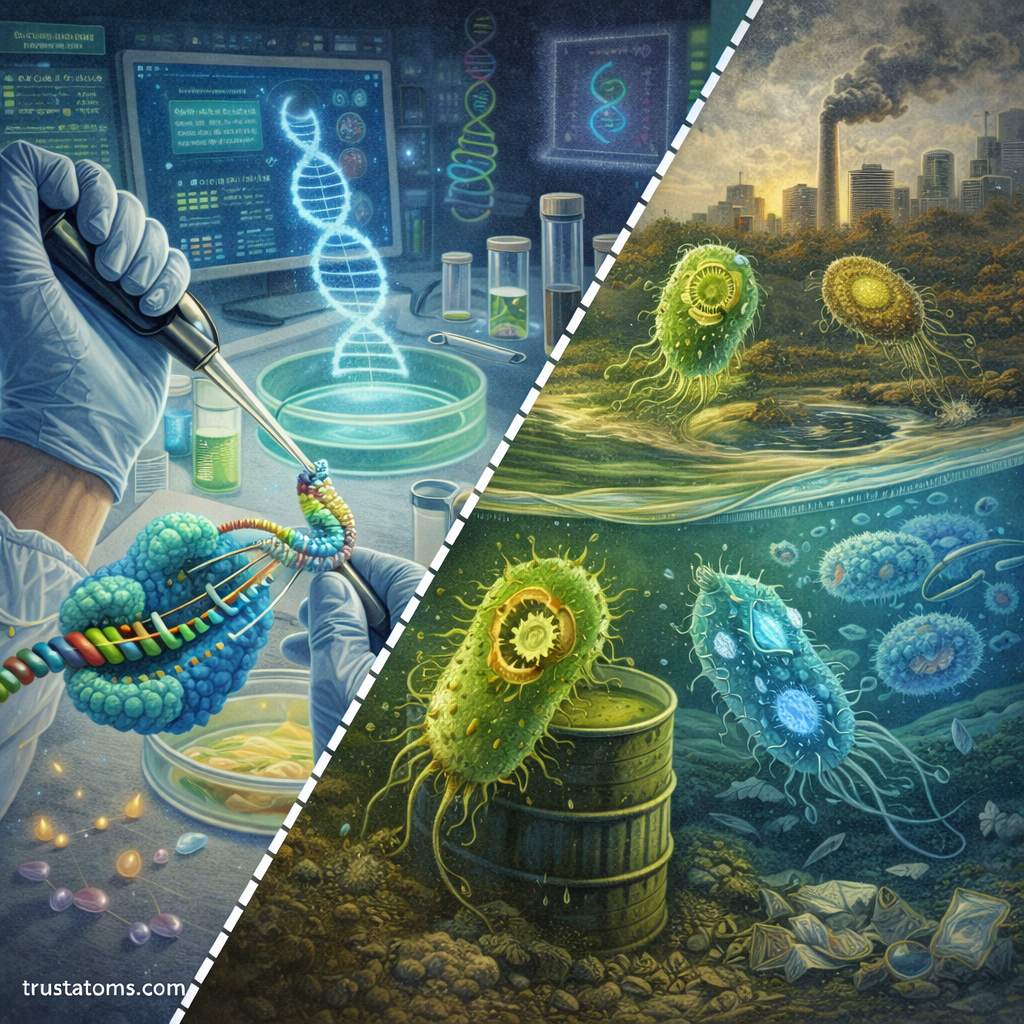
Synthetic biology is used across many industries and scientific fields.
Medical Biotechnology
One of the most important applications of synthetic biology is in medicine.
Scientists are engineering cells and biological systems to:
- Produce vaccines and therapeutic proteins
- Detect diseases using biosensors
- Deliver targeted drug treatments
- Develop engineered immune cells
For example, engineered bacteria can be designed to produce insulin or other therapeutic molecules.
Industrial Biotechnology
Synthetic biology is transforming industrial production by allowing microorganisms to manufacture valuable products.
Engineered microbes can produce:
- Biofuels
- Bioplastics
- Enzymes for industrial processes
- Pharmaceuticals
- Nutritional supplements
Biological production systems often require fewer resources and generate less pollution than traditional manufacturing methods.
Environmental Applications
Synthetic biology can help address environmental challenges.
Engineered organisms may be used to:
- Break down pollutants in contaminated environments
- Capture carbon dioxide from the atmosphere
- Detect toxic chemicals
- Restore damaged ecosystems
These applications could provide new tools for environmental monitoring and cleanup.
Agricultural Innovation
In agriculture, synthetic biology can improve crop production and sustainability.
Engineered biological systems may help:
- Increase crop resilience to drought or pests
- Improve nutrient efficiency in plants
- Enhance soil microbiomes
- Produce sustainable fertilizers
These innovations aim to support global food production while reducing environmental impacts.
Synthetic Biology Design Workflow
Engineering biological systems often follows a structured design cycle similar to other engineering disciplines.
The typical process includes:
- Design – Identify the biological function needed and design genetic components.
- Build – Assemble the genetic system using DNA synthesis and gene editing.
- Test – Evaluate how the engineered system behaves in living cells.
- Learn – Analyze results and refine the design for improved performance.
This iterative cycle allows scientists to progressively improve engineered biological systems.
Challenges in Synthetic Biology
Despite rapid advances, synthetic biology still faces several scientific and technical challenges.
Biological Complexity
Living organisms are extremely complex systems with many interacting components.
Predicting how engineered genetic systems will behave inside cells can be difficult.
Unexpected interactions may occur between synthetic circuits and natural cellular processes.
Stability of Engineered Systems
Engineered genetic systems may become unstable over time.
Cells can mutate, lose inserted genes, or alter gene expression levels.
Ensuring long-term stability is a major challenge for practical applications.
Ethical and Safety Considerations
Because synthetic biology involves modifying living organisms, it raises ethical and safety concerns.
Important considerations include:
- Preventing accidental environmental release
- Ensuring responsible research practices
- Monitoring potential misuse of biotechnology
- Establishing regulatory oversight
Responsible governance is essential to ensure synthetic biology is used safely and ethically.
The Future of Synthetic Biology
Synthetic biology is evolving rapidly as new technologies improve the ability to design and control biological systems.
Emerging developments include:
- Artificial cells built entirely from synthetic components
- Programmable microbial factories for sustainable manufacturing
- Advanced gene therapies for treating genetic diseases
- Biological sensors capable of monitoring environmental conditions in real time
As biological engineering becomes more precise and scalable, synthetic biology may play a major role in solving global challenges related to health, energy, and environmental sustainability.
Conclusion
Synthetic biology represents a new frontier in biotechnology, where living systems can be engineered using principles borrowed from traditional engineering disciplines. By designing genetic circuits, modifying metabolic pathways, and constructing new biological components, scientists can create organisms capable of performing specialized functions.
Applications in medicine, industry, agriculture, and environmental science demonstrate the potential of synthetic biology to reshape how biological systems are used in engineered environments. Although challenges remain, ongoing research continues to improve the reliability and safety of synthetic biological systems.
As the field progresses, synthetic biology may fundamentally transform biotechnology and open new possibilities for designing biological solutions to complex global problems.