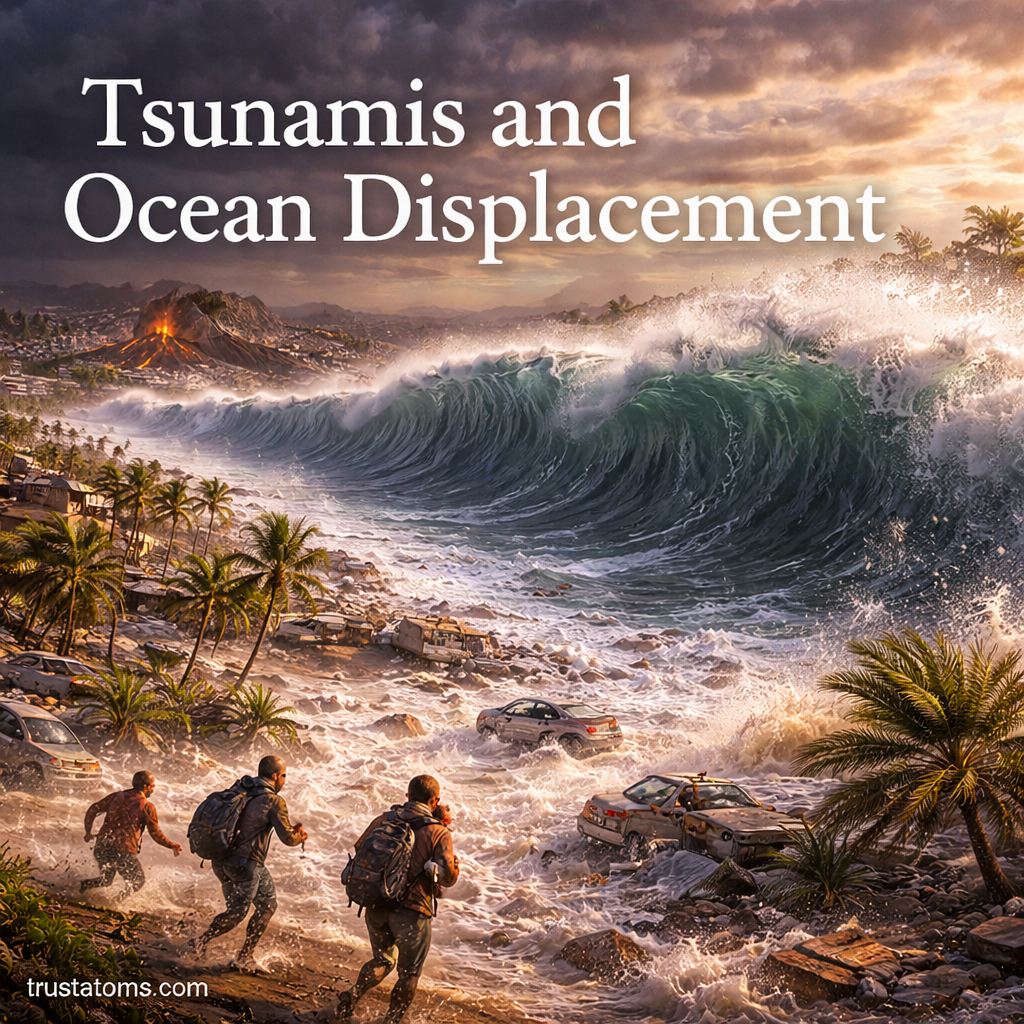
Tsunamis are among the most destructive natural disasters on Earth. Unlike regular ocean waves caused by wind, tsunamis are triggered by massive disturbances beneath or near the ocean, often resulting in walls of water that can devastate coastal regions.
Understanding how tsunamis form and how ocean displacement works is key to recognizing the risks and improving early warning systems.
What Is a Tsunami?
A tsunami is a series of powerful ocean waves caused by the sudden displacement of a large volume of water.
These waves can travel across entire oceans and grow dramatically in height as they approach land.
Key Characteristics of Tsunamis
- Can travel at speeds up to 500–600 mph (800–970 km/h) in deep water
- Have long wavelengths (hundreds of miles apart)
- Often go unnoticed in deep ocean
- Increase in height dramatically near coastlines
What Causes Tsunamis?
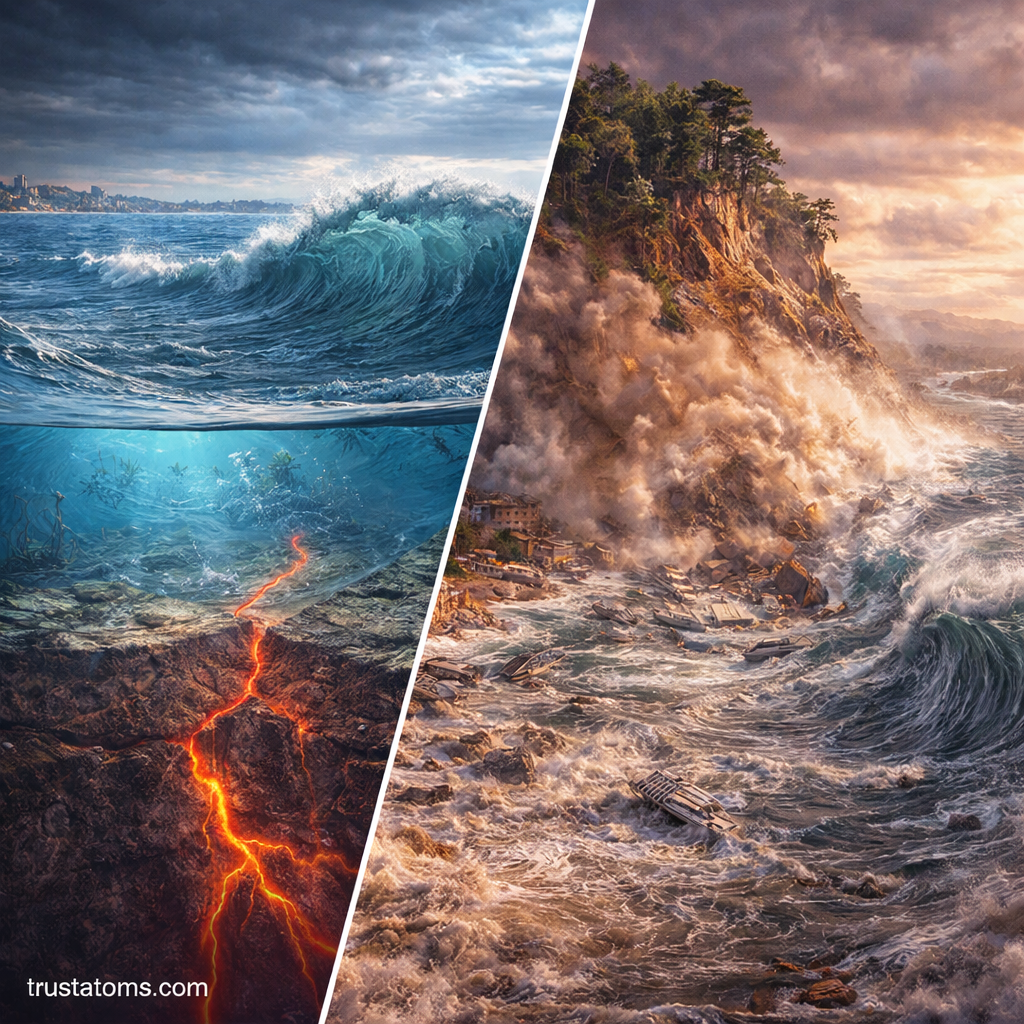
Tsunamis are triggered by events that rapidly move large amounts of water.
Main Causes of Tsunamis
- Underwater Earthquakes
- Most common cause
- Occur when tectonic plates suddenly shift
- Volcanic Eruptions
- Explosions or collapses displace water
- Landslides
- Underwater or coastal landslides push water outward
- Meteor Impacts
- Rare but can generate massive waves
What Is Ocean Displacement?
Ocean displacement is the movement of water caused by a sudden shift in the seafloor or surrounding environment.
This displacement is what generates tsunami waves.
How Ocean Displacement Works
- The seafloor rises or falls suddenly
- Water above it is pushed upward or pulled downward
- Energy spreads outward in all directions
- Waves travel across the ocean basin
The greater the displacement, the more powerful the resulting tsunami.
How Tsunami Waves Travel
Tsunami waves behave very differently from normal ocean waves.
In Deep Ocean
- Waves are fast but low in height
- Often only a few feet tall
- Ships may not notice them
Near Coastlines
- Waves slow down due to shallow water
- Wave height increases dramatically
- Water piles up, creating large surges
This process is known as wave shoaling.
Tsunami vs Regular Waves
Tsunamis are often misunderstood as just “big waves,” but they are fundamentally different.
Key Differences
- Cause: Tsunamis come from displacement; regular waves come from wind
- Speed: Tsunamis travel much faster
- Wavelength: Tsunamis are much longer
- Energy: Tsunamis carry energy through the entire water column
Warning Signs of a Tsunami
Recognizing natural warning signs can save lives.
Common Warning Signs
- Strong or long-lasting earthquake near the coast
- Sudden retreat of ocean water (exposing the seafloor)
- Loud roaring sound from the ocean
- Rapid and unusual changes in sea level
If you notice these signs, immediate evacuation is critical.
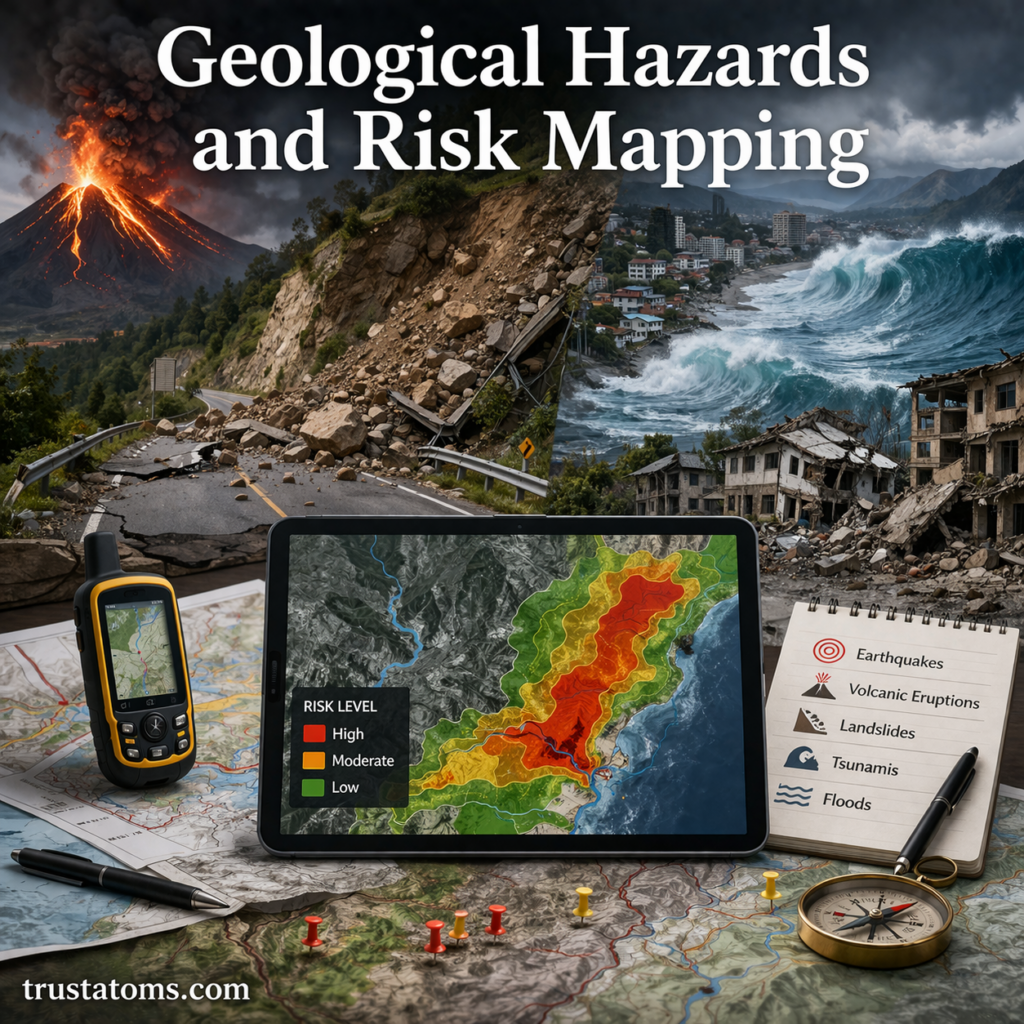
Impacts of Tsunamis
Tsunamis can cause widespread destruction far beyond the coastline.
Major Effects
- Flooding of coastal areas
- Destruction of buildings and infrastructure
- Loss of life and displacement of communities
- Contamination of freshwater supplies
- Long-term economic damage
How Tsunamis Are Detected
Modern technology helps scientists detect and monitor tsunami threats.
Detection Systems
- Seismic sensors to detect earthquakes
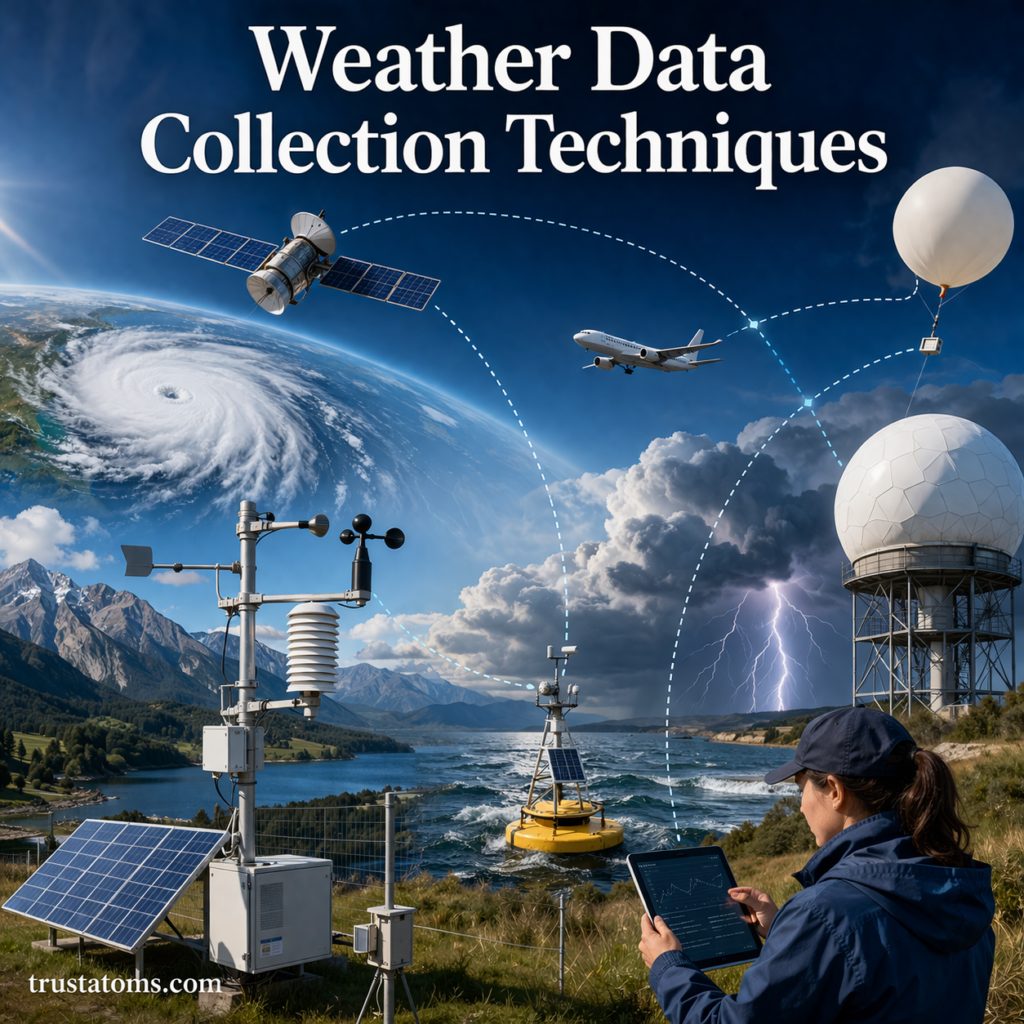
- Deep-ocean buoys to measure wave changes
- Satellite monitoring
- Coastal tide gauges
These systems allow early warnings to be issued, sometimes hours in advance.
Can Tsunamis Be Predicted?
Exact prediction is not possible, but risk can be assessed.
What Scientists Can Do
- Identify earthquake-prone regions
- Monitor ocean activity in real time
- Issue warnings after major disturbances
What They Cannot Do
- Predict the exact timing of events
- Determine exact wave size far in advance
How to Stay Safe During a Tsunami
Preparedness and quick action are essential.
Safety Tips
- Move to higher ground immediately
- Follow evacuation routes
- Stay away from beaches and shorelines
- Listen to emergency alerts
- Do not return until authorities say it is safe
Even after the first wave, additional waves can follow.
Common Misconceptions About Tsunamis
“Only one wave hits”
False—tsunamis often consist of multiple waves over several hours.
“They only affect nearby areas”
Tsunamis can travel across entire oceans and impact distant coastlines.
“Small earthquakes don’t cause tsunamis”
Some smaller quakes can still trigger dangerous waves depending on location and movement.
Why Understanding Ocean Displacement Matters
Ocean displacement is the key mechanism behind tsunami formation. By studying it, scientists can:
- Improve early warning systems
- Better predict wave behavior
- Reduce disaster impact
- Enhance coastal planning and safety
Final Thoughts
Tsunamis are powerful reminders of how interconnected Earth’s systems are. A sudden movement beneath the ocean can trigger waves that travel thousands of miles and affect millions of people.
Understanding tsunamis and ocean displacement not only deepens our knowledge of Earth science—it also helps save lives through better awareness and preparedness.