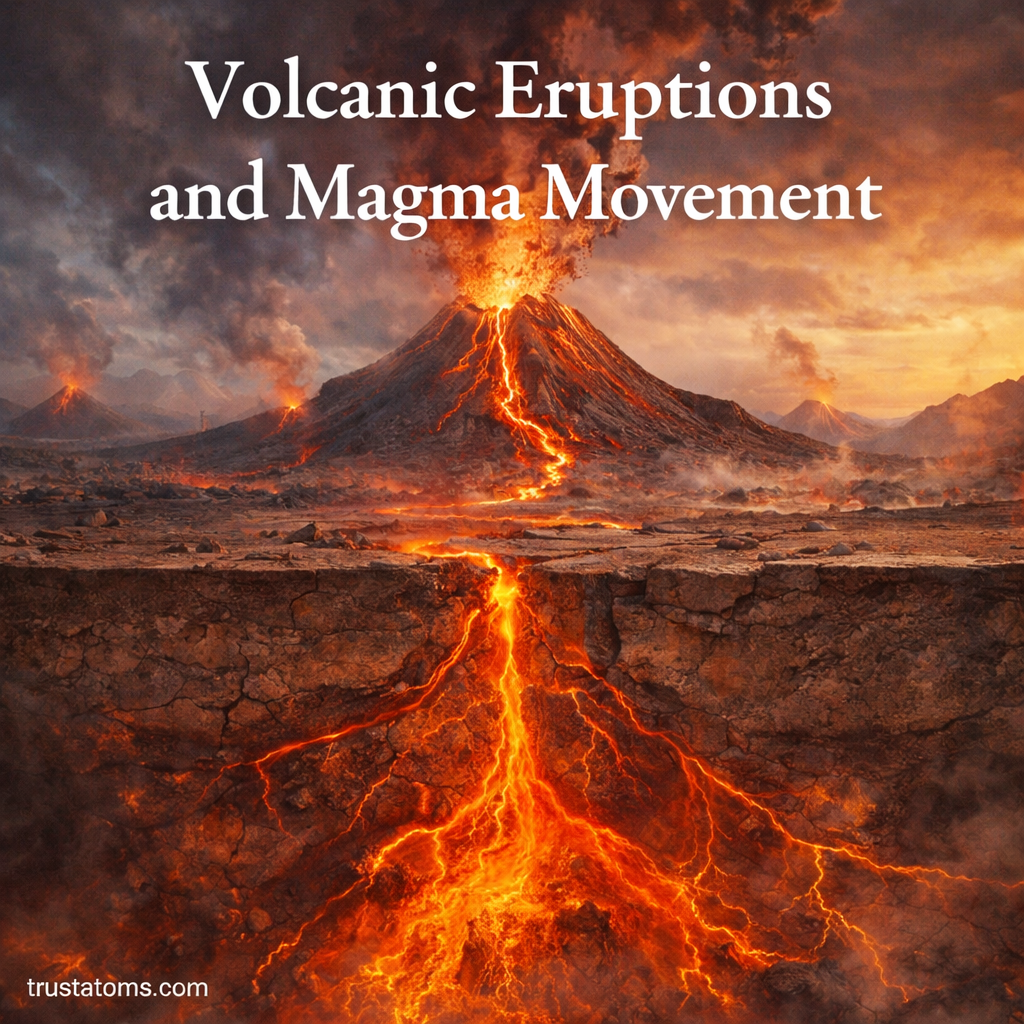
Volcanoes are among the most powerful natural features on Earth. From explosive eruptions to slow-moving lava flows, these events are driven by the movement of magma beneath the surface.
Understanding how magma forms, rises, and erupts helps explain why volcanoes behave so differently—and why some eruptions are far more dangerous than others.
What Is Magma?
Magma is molten rock located beneath the Earth’s surface. It forms deep within the mantle or lower crust under extreme heat and pressure.
When magma reaches the surface, it is called lava.
Key Characteristics of Magma
- Extremely hot (typically 1,300°F to 2,400°F or 700°C to 1,300°C)
- Contains dissolved gases like water vapor, carbon dioxide, and sulfur dioxide
- Varies in thickness (viscosity) depending on composition
- Can accumulate in underground chambers
How Magma Forms
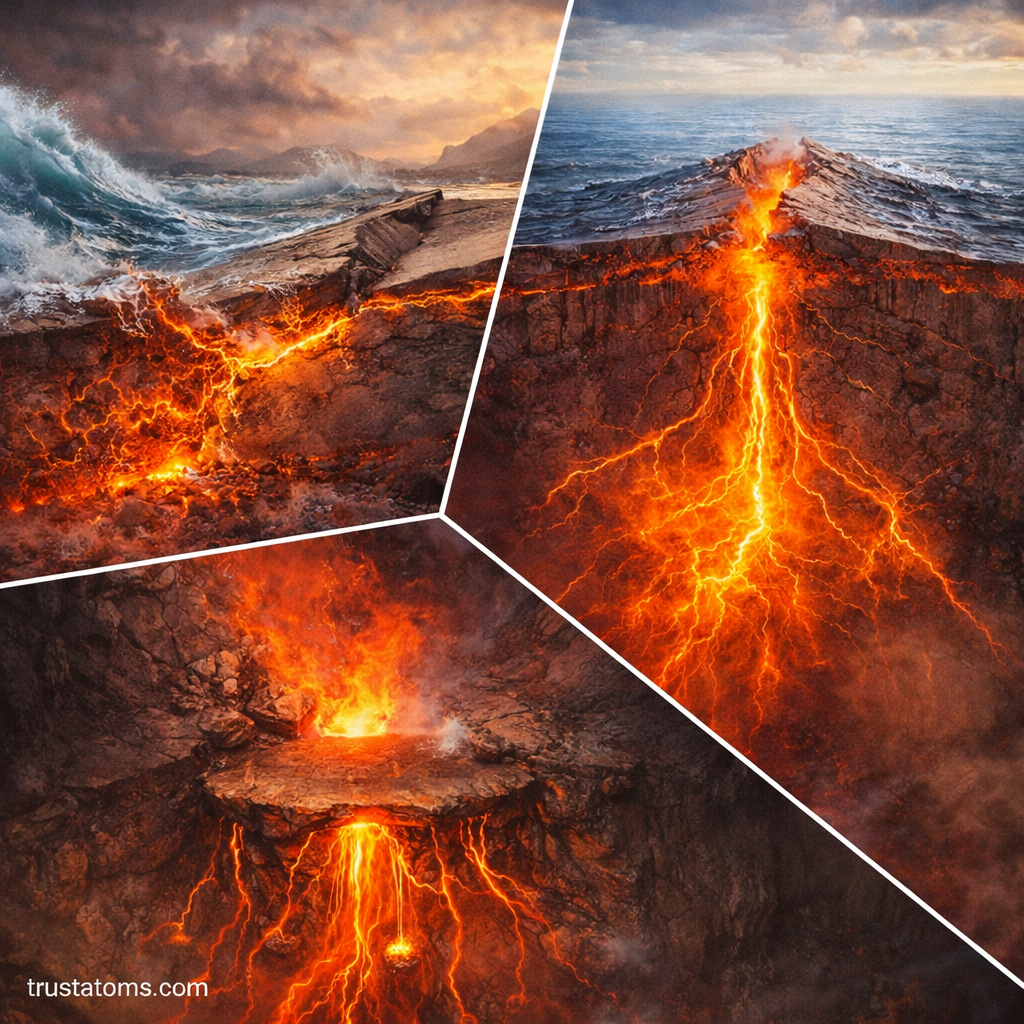
Magma doesn’t form randomly—it develops under specific geological conditions.
Main Causes of Magma Formation
- Decompression Melting
- Occurs when pressure decreases as mantle rock rises
- Common at divergent plate boundaries
- Flux Melting
- Happens when water and gases lower the melting point of rock
- Typical in subduction zones
- Heat Transfer
- Hot magma rises and melts surrounding rock
- Often occurs beneath continental crust
How Magma Moves Beneath the Surface
Magma is constantly in motion beneath the Earth’s crust, driven by pressure, buoyancy, and tectonic forces.
Stages of Magma Movement
- Formation: Magma develops deep underground
- Accumulation: It collects in magma chambers
- Ascent: Pressure forces magma upward through cracks
- Eruption: Magma reaches the surface
Magma doesn’t always erupt—it can cool and solidify underground, forming igneous rock.
What Causes Volcanic Eruptions?
Volcanic eruptions occur when pressure builds up inside a magma chamber and forces magma to the surface.
Main Triggers of Eruptions
- Gas pressure buildup inside magma
- Increased magma supply from below
- Crustal fractures allowing magma to escape
- Tectonic plate movement
When the pressure exceeds the strength of the surrounding rock, an eruption occurs.
Types of Volcanic Eruptions
Not all eruptions are the same. Their behavior depends largely on magma composition and gas content.
1. Effusive Eruptions
- Lava flows steadily from the volcano
- Low gas content
- Less explosive
- Common in shield volcanoes
2. Explosive Eruptions
- Violent release of gas and magma
- Produces ash clouds, pyroclastic flows, and debris
- Highly dangerous
- Common in stratovolcanoes
3. Intermediate Eruptions
- Combine features of both effusive and explosive types
- Variable intensity
Role of Magma Composition
The chemical makeup of magma plays a major role in eruption style.
Types of Magma
- Basaltic Magma
- Low viscosity (flows easily)
- Leads to gentle eruptions
- Andesitic Magma
- Moderate viscosity
- Can produce explosive activity
- Rhyolitic Magma
- High viscosity (thick and sticky)
- Traps gas, leading to powerful eruptions
Volcanic Landforms Created by Eruptions
Over time, eruptions shape the Earth’s surface in dramatic ways.
Common Volcanic Landforms
- Shield volcanoes (broad, gently sloping)
- Stratovolcanoes (steep, layered cones)
- Lava plateaus (flat, expansive areas)
- Calderas (large collapse craters)
These features are evidence of past magma movement and eruption history.
Hazards of Volcanic Eruptions
Volcanic eruptions can pose serious risks to people and the environment.
Major Volcanic Hazards
- Lava flows destroying structures
- Ashfall affecting air quality and visibility
- Pyroclastic flows (fast-moving hot gas and debris)
- Lahars (volcanic mudflows)
- Toxic gas emissions
Even eruptions that appear small can have widespread impacts.
How Scientists Monitor Volcanoes
Volcanologists use a variety of tools to track magma movement and predict possible eruptions.
Monitoring Techniques
- Seismographs to detect underground movement
- Gas measurements to monitor emissions
- Satellite imagery to track surface changes
- Ground deformation sensors
These methods help identify warning signs before an eruption occurs.
Can Volcanic Eruptions Be Predicted?
While exact predictions are difficult, scientists can often forecast increased risk.
Warning Signs of an Eruption
- Increased earthquake activity
- Swelling of the volcano
- Rising gas emissions
- Temperature changes
Early detection allows for evacuation and risk reduction.
Why Magma Movement Matters
Understanding magma movement is key to understanding Earth’s internal processes.
Importance of Studying Magma
- Helps predict volcanic eruptions
- Improves disaster preparedness
- Reveals how Earth’s crust evolves
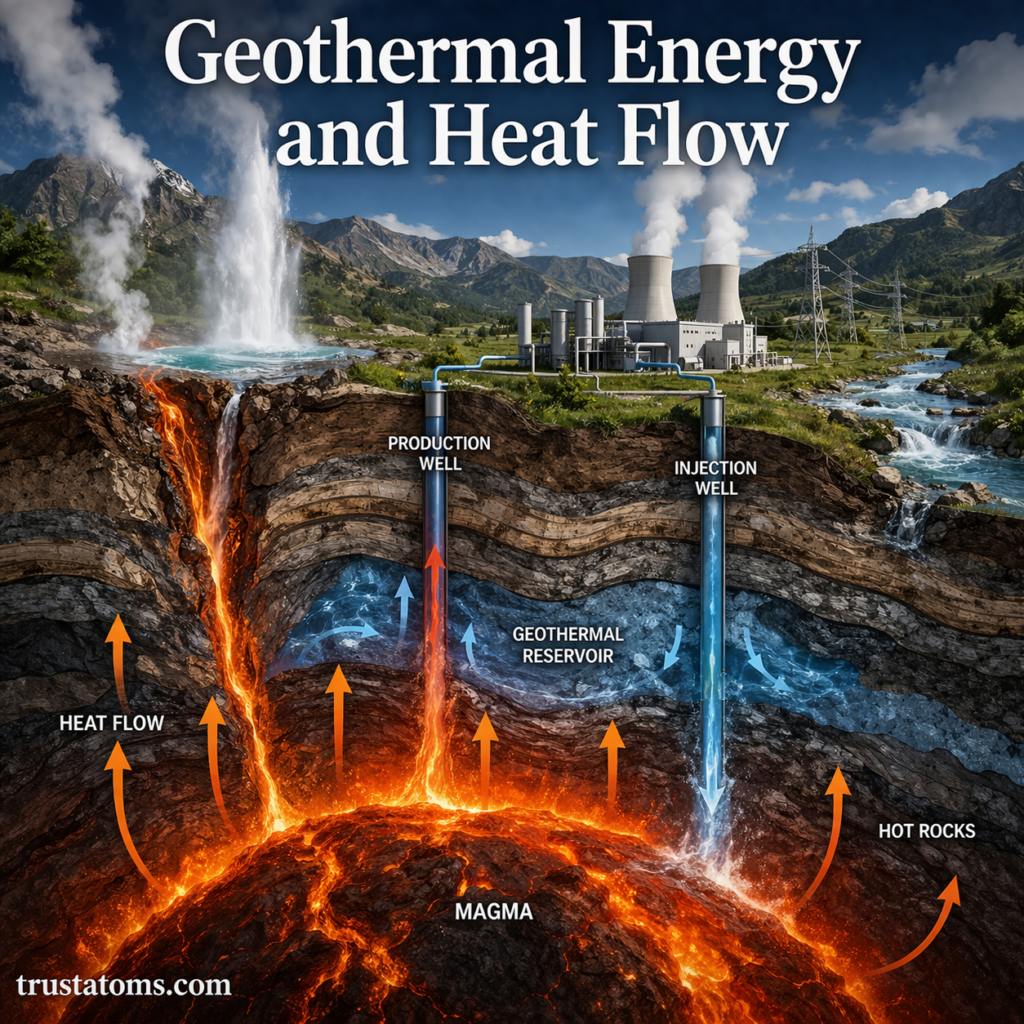
- Supports geothermal energy research
Common Misconceptions About Volcanoes
“All volcanoes erupt explosively”
False—many produce slow, steady lava flows.
“Magma and lava are the same”
Not exactly—magma is underground, lava is on the surface.
“Volcanoes only exist on land”
Many are located underwater, especially along mid-ocean ridges.
Final Thoughts
Volcanic eruptions are a powerful reminder of Earth’s dynamic nature. Driven by magma movement deep below the surface, these events shape landscapes, influence climates, and impact human life.
By understanding how magma forms, moves, and erupts, we gain valuable insight into one of the planet’s most fascinating and complex natural processes.