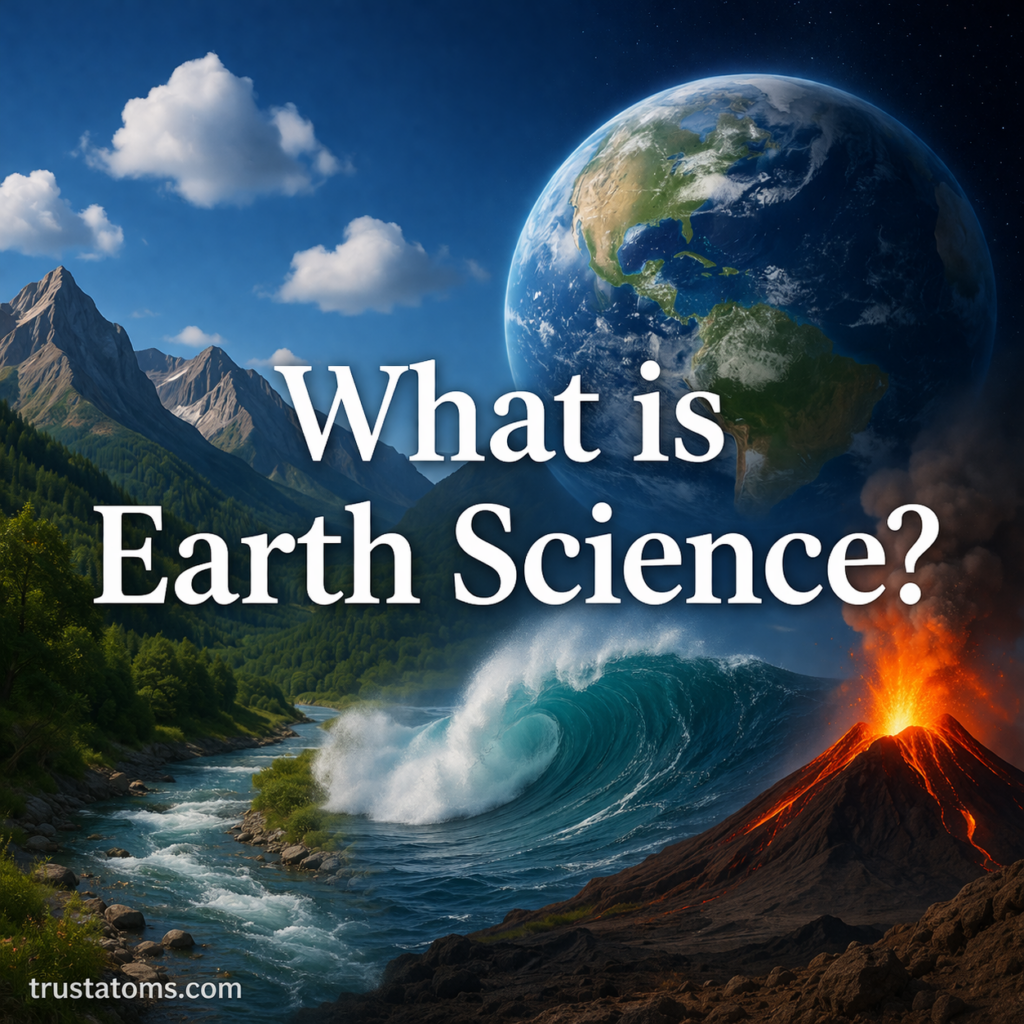
Earth science is the study of our planet—its structure, systems, processes, and history. It explores everything from the ground beneath your feet to the atmosphere above, and even extends to how Earth interacts with space.
At its core, earth science helps us understand how Earth works as a dynamic, interconnected system. It explains natural phenomena like earthquakes, weather patterns, ocean currents, and climate change—making it one of the most practical and relevant scientific fields.
What Does Earth Science Study?
Earth science is not a single subject but a combination of several scientific disciplines that work together to explain the planet.
The Four Main Branches of Earth Science
- Geology
The study of Earth’s solid materials, including rocks, minerals, and landforms. It also examines processes like plate tectonics, earthquakes, and volcanic activity. - Meteorology
Focuses on the atmosphere and weather. Meteorologists study temperature, precipitation, storms, and climate systems to predict weather and understand long-term patterns. - Oceanography
The study of oceans, including their composition, currents, marine life, and how they influence global climate and ecosystems. - Astronomy
While often considered a separate field, astronomy plays a role in earth science by examining how Earth interacts with the sun, moon, and other celestial bodies.
Why Is Earth Science Important?
Earth science is essential because it helps us understand the world we live in—and how to protect it.
Key Reasons It Matters
- Helps predict natural disasters like hurricanes, earthquakes, and volcanic eruptions
- Guides environmental conservation and sustainability efforts
- Supports resource management (water, minerals, energy)
- Explains climate change and global warming
- Improves agriculture through weather and soil analysis
Without earth science, we would have limited ability to prepare for natural hazards or manage Earth’s resources responsibly.
Earth as an Interconnected System
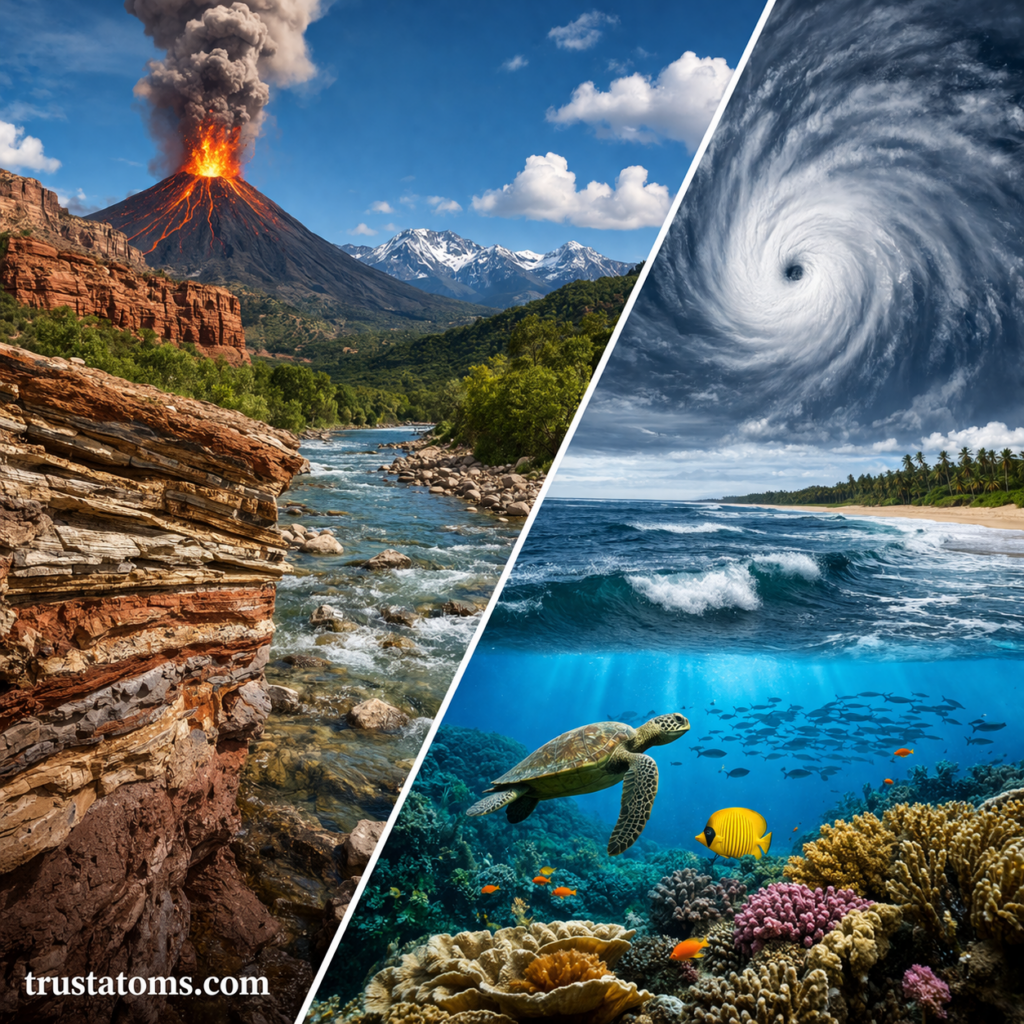
One of the most important ideas in earth science is that everything on Earth is connected.
The Four Major Earth Systems
- Geosphere – solid Earth (rocks, soil, landforms)
- Hydrosphere – all water (oceans, rivers, groundwater)
- Atmosphere – gases surrounding Earth (air, weather systems)
- Biosphere – all living organisms
These systems constantly interact. For example, volcanic eruptions (geosphere) can affect the atmosphere, which in turn impacts climate and living organisms in the biosphere.
Common Earth Science Topics
Earth science covers a wide range of fascinating topics, including:
- Plate tectonics and continental drift
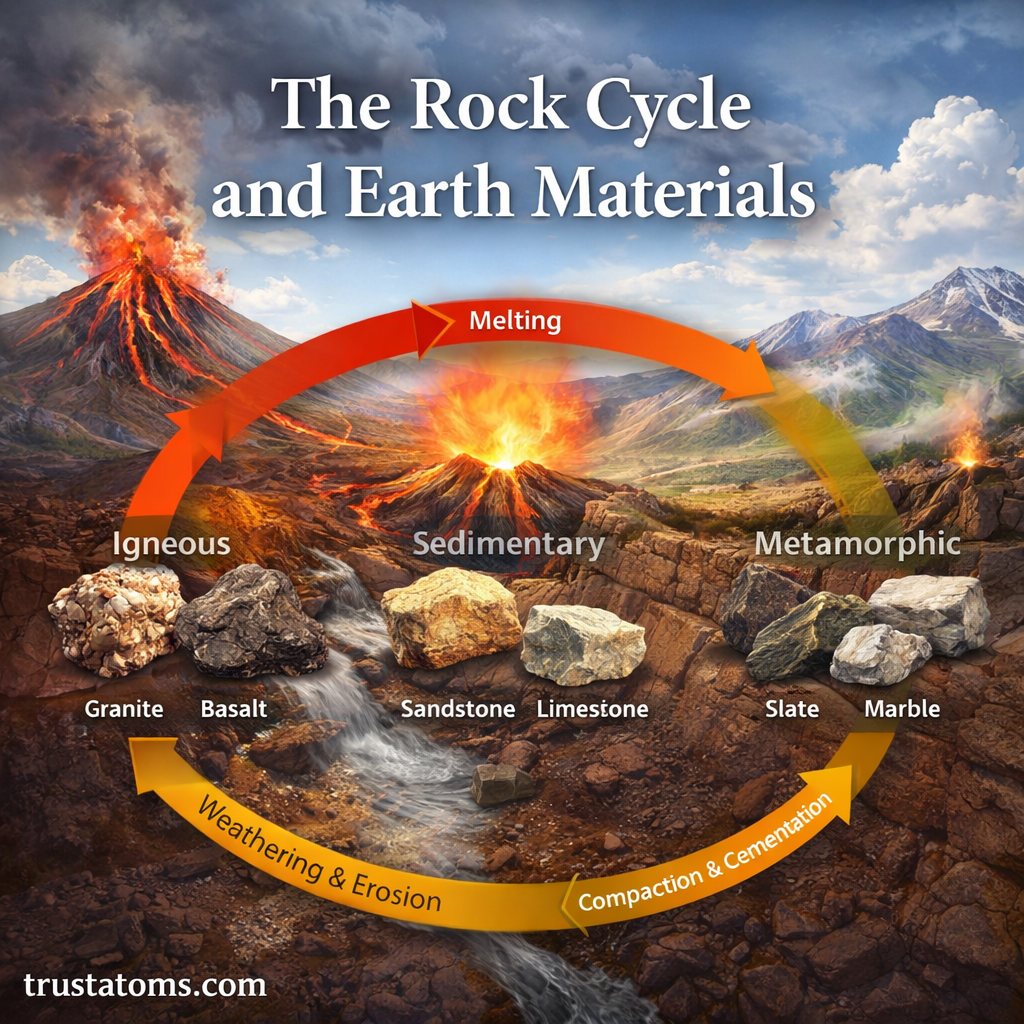
- The rock cycle and mineral formation
- Weather systems and climate patterns
- Ocean currents and tides
- Natural disasters (earthquakes, tsunamis, hurricanes)
- Soil formation and erosion
- Fossils and Earth’s history
These topics help scientists understand both current conditions and the planet’s past.
Tools and Methods Used in Earth Science
Earth scientists use a variety of tools and techniques to study the planet:
Observation and Fieldwork
- Collecting rock samples
- Measuring environmental conditions
- Studying landforms and ecosystems
Technology and Data Analysis
- Satellites for weather and climate monitoring
- Seismographs to detect earthquakes
- Computer models to predict climate changes
Laboratory Testing
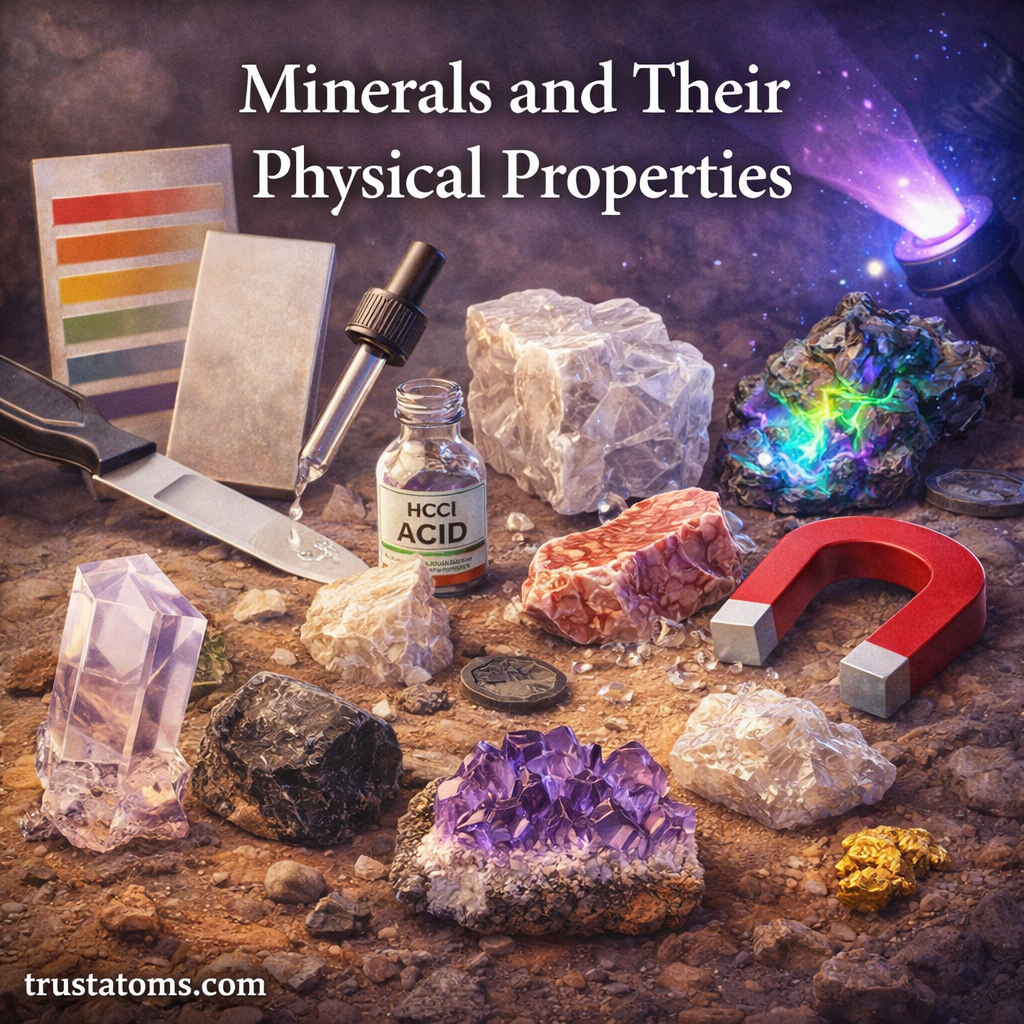
- Analyzing minerals and soil composition
- Studying fossils and ancient environments
These methods allow scientists to gather accurate data and make informed predictions.
How Earth Science Affects Everyday Life
Even if you don’t realize it, earth science plays a role in your daily life:
- Weather forecasts help you plan your day
- Building codes are designed using geological knowledge
- Clean water systems rely on understanding hydrology
- Farming depends on soil science and climate patterns
From the food you eat to the safety of your home, earth science influences countless aspects of modern life.
Careers in Earth Science
Earth science offers a wide range of career opportunities, including:
- Geologist
- Meteorologist
- Oceanographer
- Environmental scientist
- Climate researcher
- Hydrologist
- Seismologist
These professionals work in industries like environmental protection, energy, research, education, and government.
Final Thoughts
Earth science is the key to understanding our planet and how it functions as a complex, interconnected system. By studying Earth’s structure, processes, and interactions, scientists can predict natural events, protect resources, and address global challenges like climate change.
Whether you’re curious about earthquakes, weather, oceans, or the history of our planet, earth science provides the foundation for understanding it all.