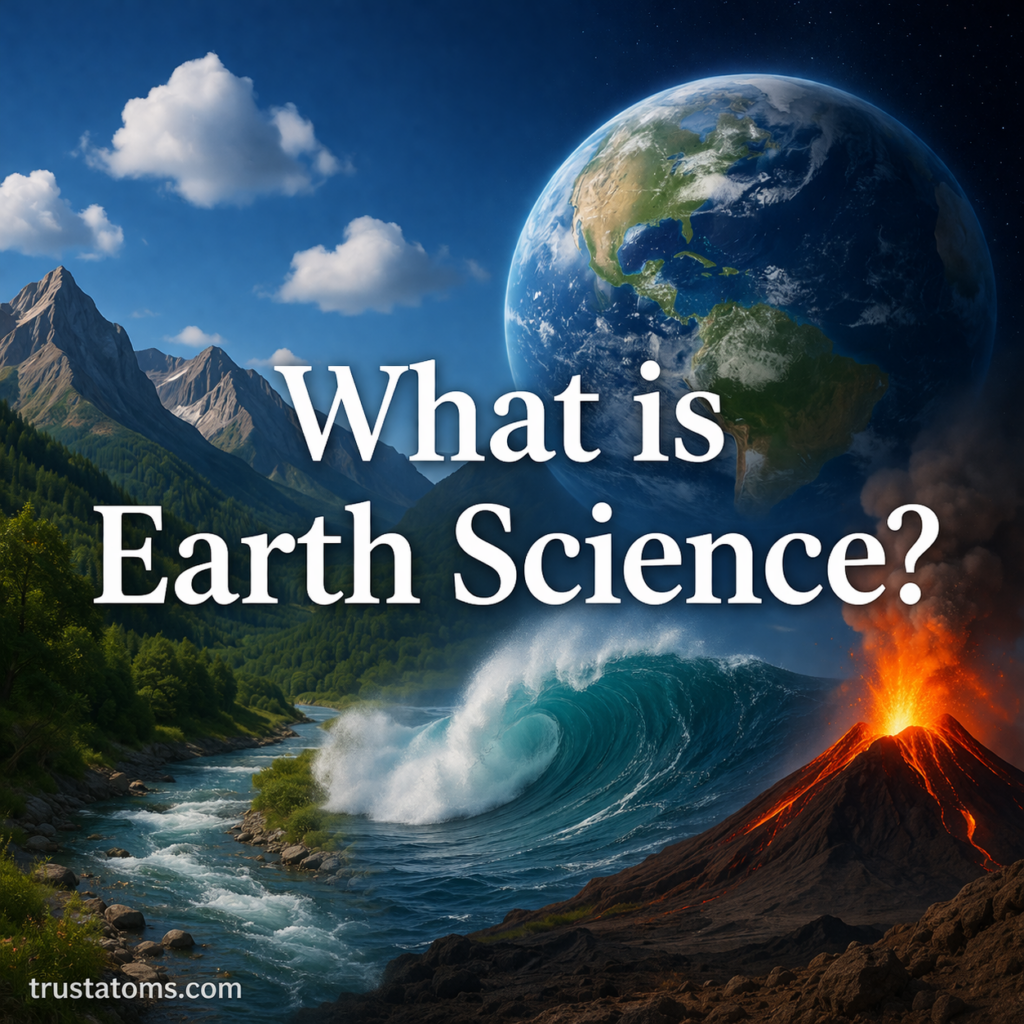
Earth science is the study of our planet—its structure, systems, processes, and history. It explores everything from rocks and oceans to weather systems, earthquakes, and Earth’s place within the solar system.
Rather than focusing on a single topic, Earth science combines multiple scientific disciplines to explain how Earth works as a dynamic and interconnected system. It helps scientists understand natural events, environmental changes, and the processes that shape life on Earth.
Earth science also overlaps with several scientific fields. Planetary studies frequently connect with What Is Astronomy?, environmental systems often intersect with What Is Biology?, and many geological processes rely on concepts found in What Is Chemistry? and What Is Physics?.
What Does Earth Science Study?
Earth science examines the systems and processes that shape our planet.
Major topics include:
- Rocks and minerals
- Earth’s atmosphere
- Weather and climate
- Oceans and water systems
- Plate tectonics
- Natural disasters
- Earth history
- Planetary interactions
Many of these subjects connect together. For example, climate systems can affect ecosystems, geological activity can reshape landscapes, and oceans influence weather patterns.
Related topics include:
The Four Main Branches of Earth Science
Earth science contains several major disciplines.
Geology
Geology studies Earth’s solid materials including rocks, minerals, mountains, and landforms.
Geologists examine:
- Plate tectonics
- Earthquakes
- Volcanoes
- Rock formation
- Geological history
Continue exploring:
- Plate Tectonics Explained
- Continental Drift Theory
- Earthquakes and Fault Lines
- Volcano Types and Eruptions
Meteorology
Meteorology focuses on Earth’s atmosphere and weather systems.
Scientists study:
- Temperature
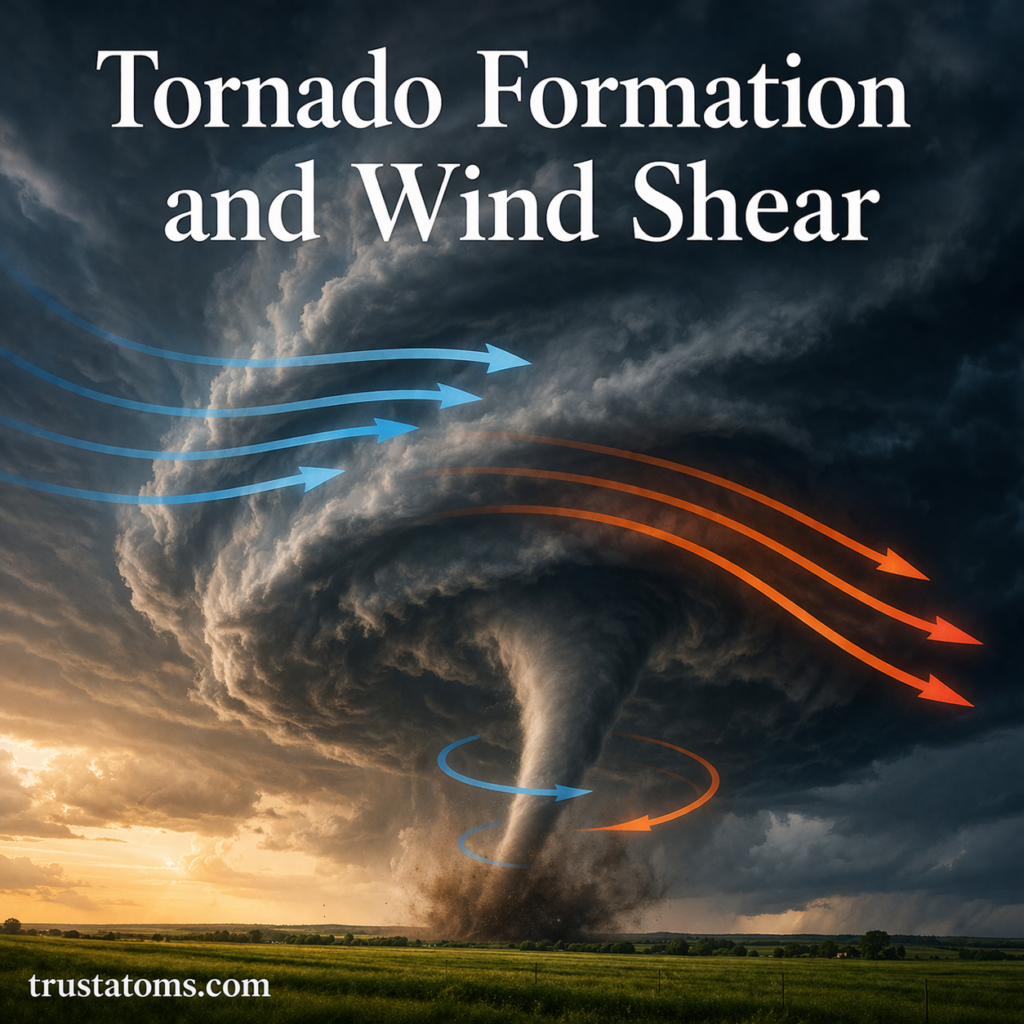
- Storm systems
- Clouds
- Air pressure
- Climate patterns
Related reading:
Oceanography
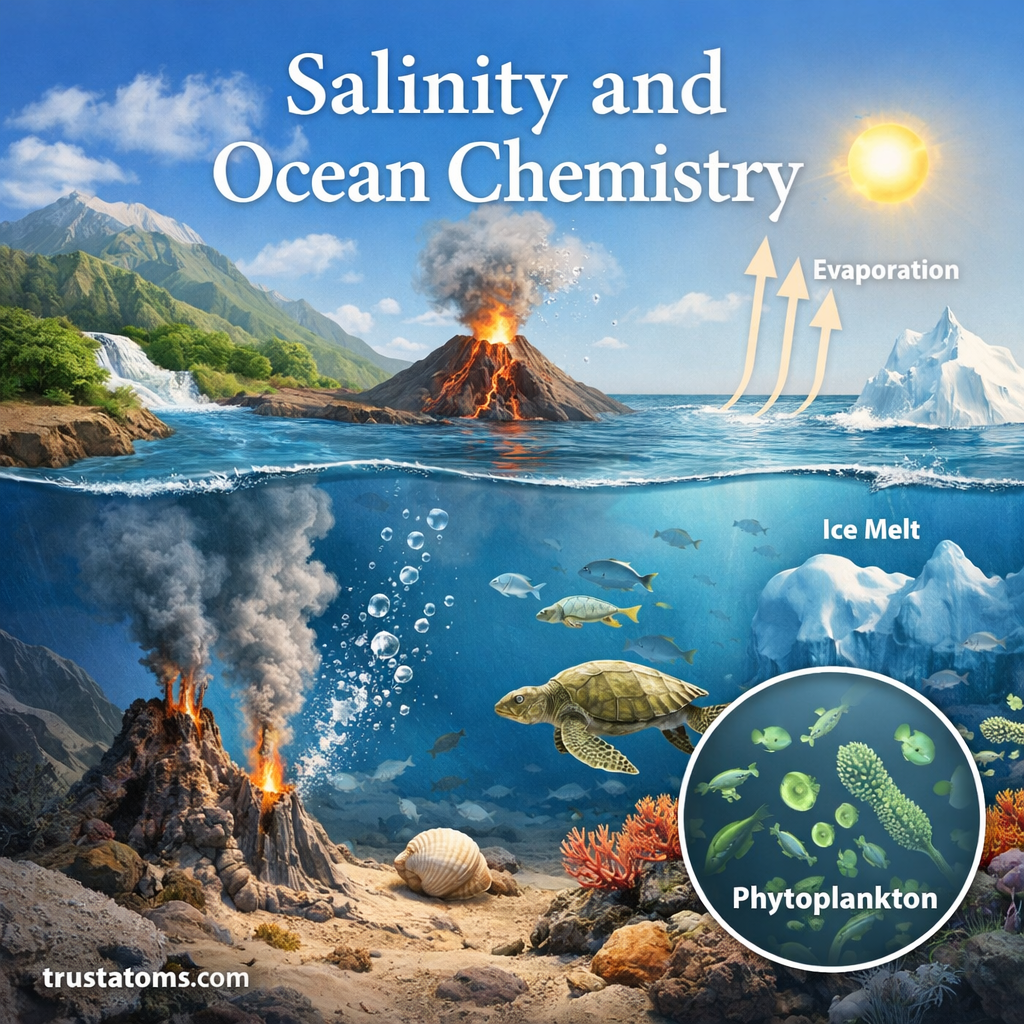
Oceanography studies oceans and marine systems.
Topics include:
- Ocean currents
- Marine ecosystems
- Tides
- Water chemistry
- Climate influence
Continue with:
Astronomy and Earth Systems
Although astronomy often stands as its own discipline, it also influences Earth science through planetary interactions.
Topics include:
- Earth’s orbit
- Seasons
- Solar activity
- Lunar cycles
- Gravitational interactions
Explore:
You can also continue with What Is Astronomy?.
Earth as an Interconnected System
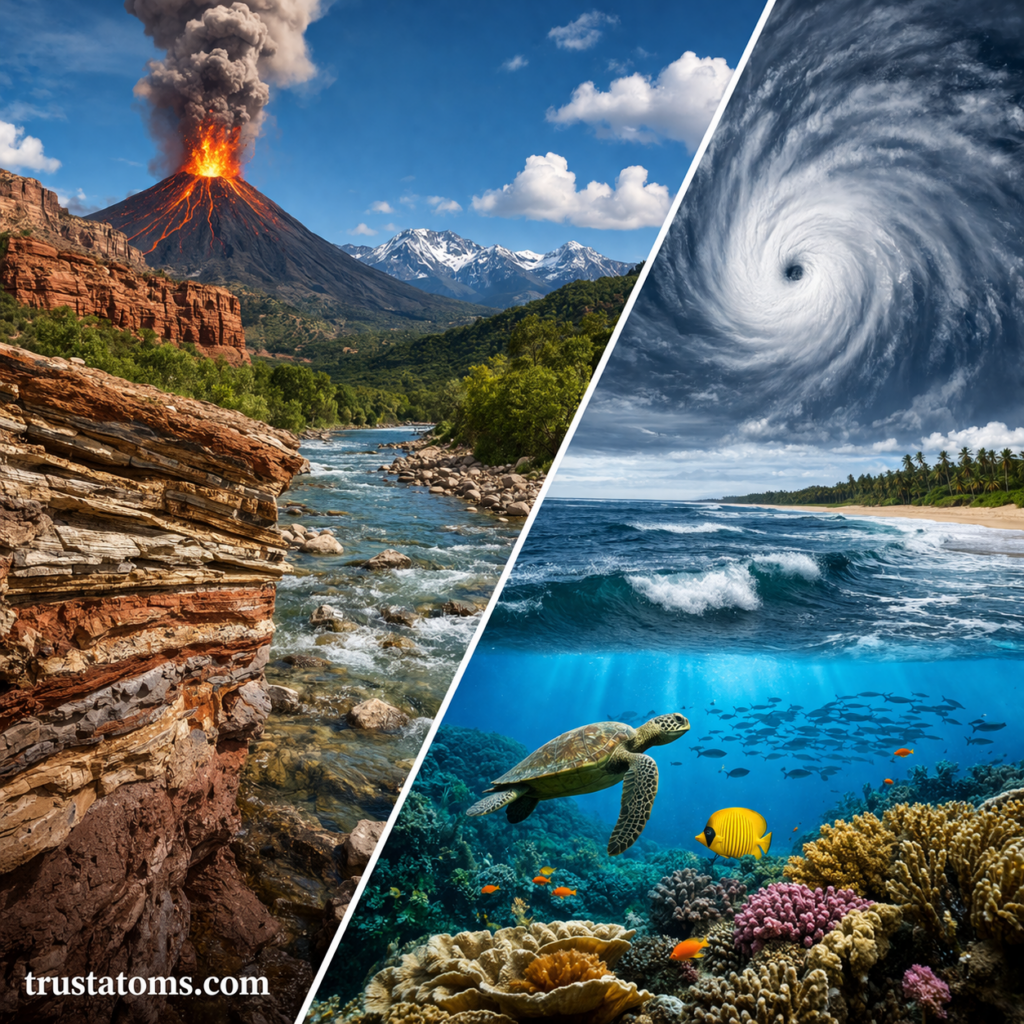
One of the most important ideas in Earth science is that Earth functions as an interconnected system.
The four major Earth systems include:
Geosphere
The solid Earth:
- Rocks
- Soil
- Landforms
- Mountains
Hydrosphere
All water on Earth:
- Oceans
- Rivers
- Lakes
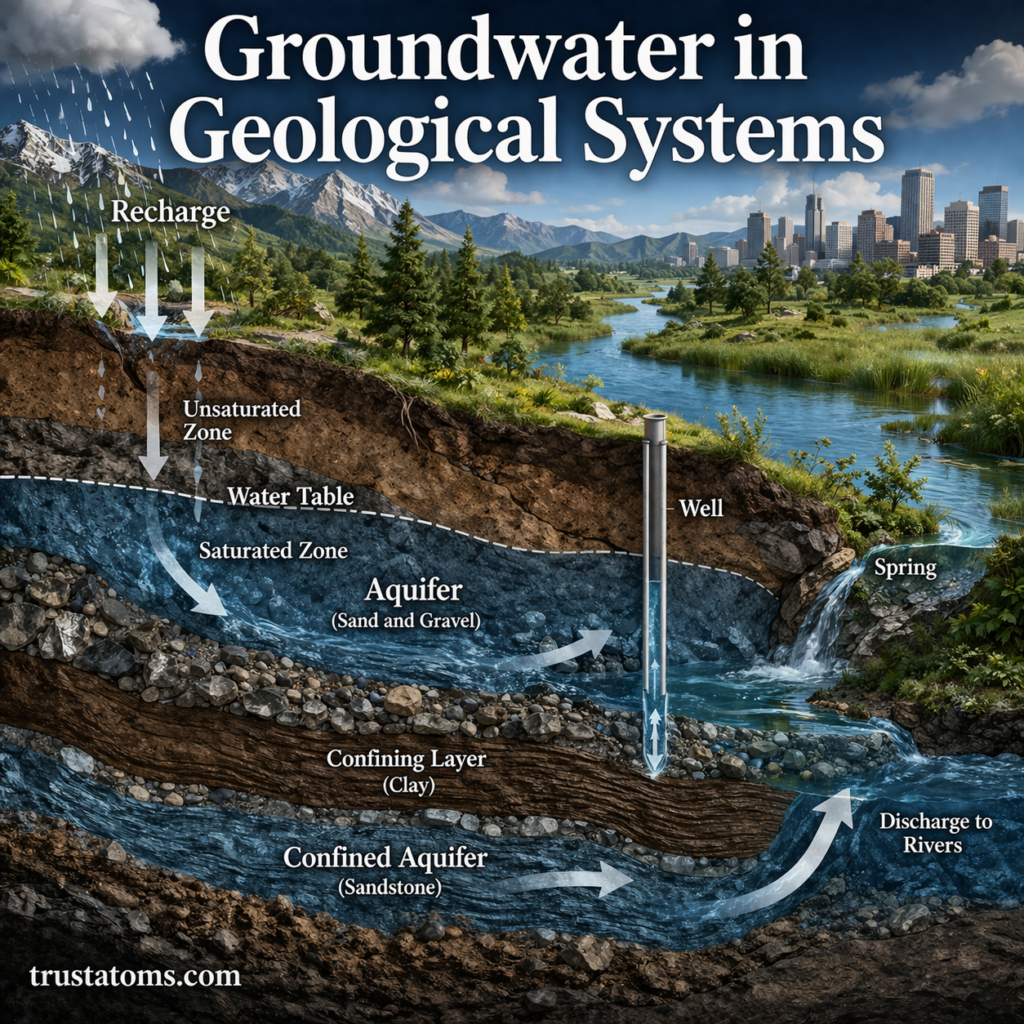
- Groundwater
Atmosphere
The gases surrounding Earth.
Related topic:
Biosphere
All living organisms and ecosystems.
Because life interacts heavily with environmental systems, many biosphere concepts connect directly with What Is Biology?.
Why Earth Science Matters
Earth science affects everyday life in many ways.
It helps scientists:
- Predict severe weather
- Understand earthquakes
- Monitor climate change
- Protect natural resources
- Improve agriculture
- Study environmental systems
Earth science also supports research involving chemistry, biology, and physics.
For example:
- Atmospheric chemistry relies on concepts in What Is Chemistry?
- Ecosystems connect with What Is Biology?
- Forces driving geological activity often involve concepts from What Is Physics?
Tools Earth Scientists Use
Earth scientists use observation, fieldwork, and technology to study the planet.
Common tools include:
- Satellites
- Seismographs
- Weather instruments
- Geographic Information Systems (GIS)
- Climate models
- Remote sensing tools
Explore:
Continue Exploring Earth Science
Continue learning with:
Related science guides:
Final Thoughts
Earth science helps explain how our planet functions as a complex system of land, water, atmosphere, life, and planetary interactions.
From weather systems and geological activity to climate and oceans, Earth science provides the foundation for understanding the world around us.