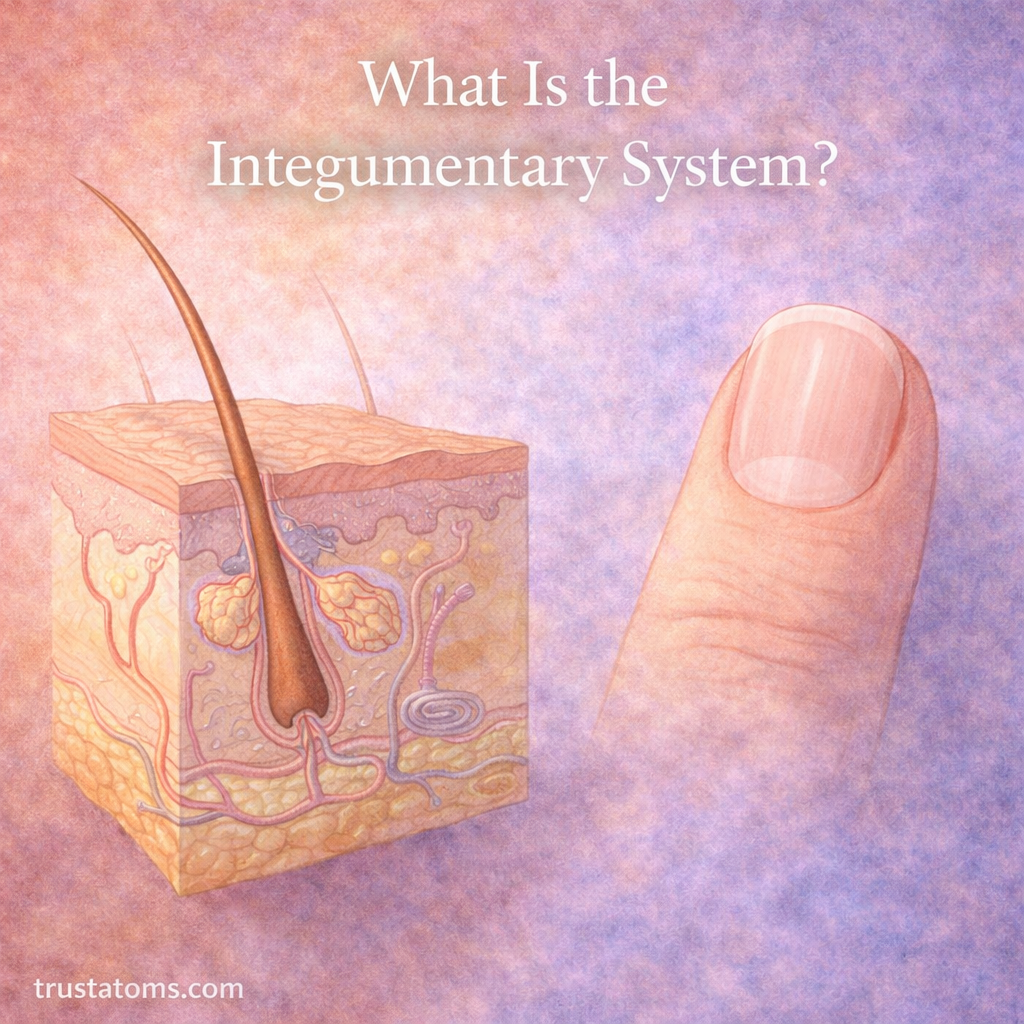
The integumentary system is the body’s outermost protective layer, consisting of the skin and its associated structures. It serves as the first line of defense against environmental threats while also playing key roles in temperature regulation, sensation, and overall health.
This system is essential for survival and is one of the most visible and functionally diverse systems in the human body.
What Makes Up the Integumentary System?
The integumentary system includes several components that work together to protect and maintain the body.
Main Structures
- Skin
- Hair
- Nails
- Sweat glands
- Sebaceous (oil) glands
Each component has a specific function but contributes to the system’s overall role in protection and regulation.
Structure of the Skin
The skin is the largest organ of the body and is made up of three primary layers.
1. Epidermis
- Outermost layer
- Provides a waterproof barrier
- Contains cells that produce keratin and pigment (melanin)
2. Dermis
- Middle layer
- Contains blood vessels, nerves, hair follicles, and glands
- Provides strength and elasticity
3. Hypodermis (Subcutaneous Layer)
- Deepest layer
- Made of fat and connective tissue
- Helps insulate the body and absorb shock
Functions of the Integumentary System
The integumentary system performs several critical functions that support overall health.
Protection
- Shields the body from bacteria, viruses, and physical damage
- Prevents excessive water loss
- Blocks harmful ultraviolet (UV) radiation
Temperature Regulation
- Sweat glands release moisture to cool the body
- Blood vessels expand or contract to regulate heat
Sensation
- Contains nerve receptors that detect:
- Touch
- Pressure
- Pain
- Temperature
Vitamin D Production
- Skin synthesizes vitamin D when exposed to sunlight
- Essential for bone health and calcium absorption
Excretion
- Removes small amounts of waste through sweat
- Helps maintain internal balance
Hair and Its Role
Hair is a protective and sensory structure.
Functions of Hair
- Protects the scalp from UV radiation
- Helps regulate body temperature
- Enhances sensory perception through hair follicles
Nails and Their Function
Nails are made of keratin and protect the tips of fingers and toes.
Key Roles
- Protect sensitive tissues
- Aid in gripping and manipulating objects
- Provide clues about overall health
Sweat and Oil Glands
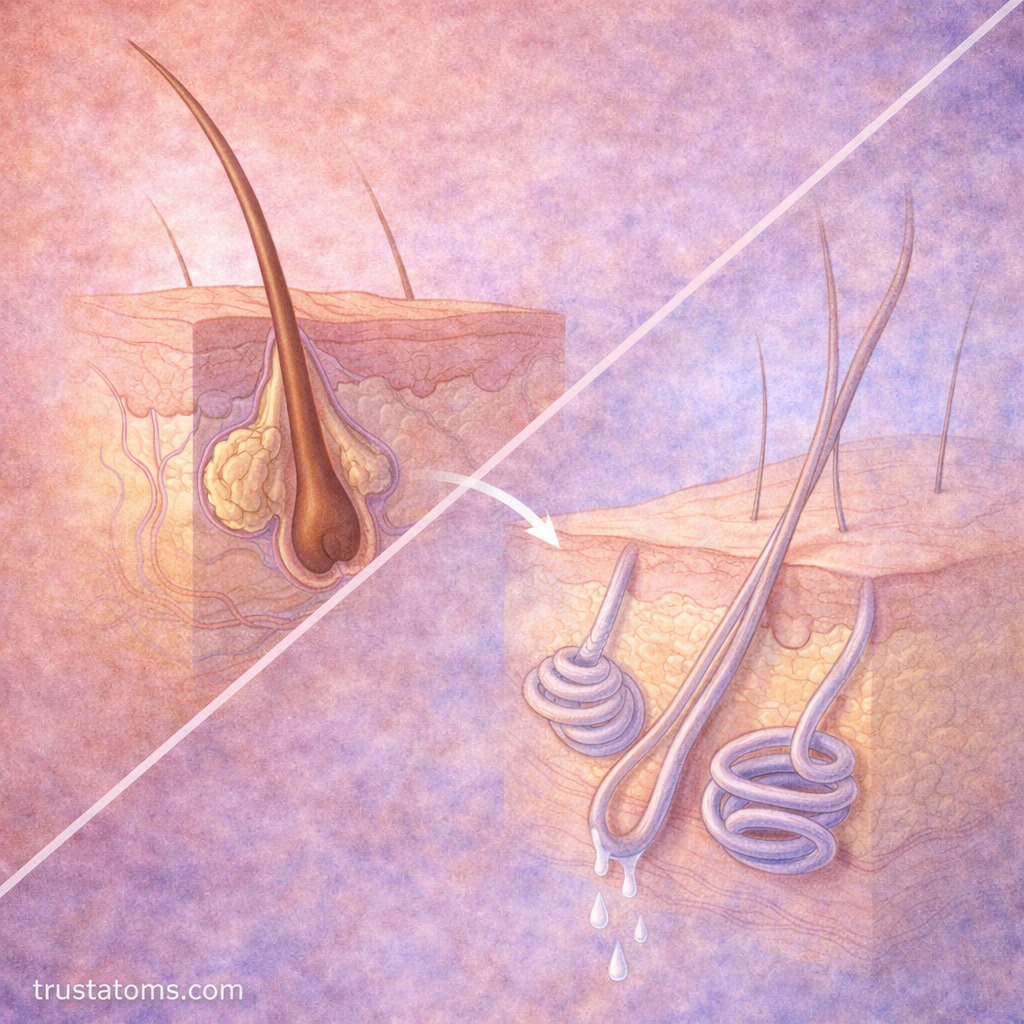
Sweat Glands
- Produce sweat to regulate body temperature
- Help remove waste products
There are two main types:
- Eccrine glands – found across most of the body
- Apocrine glands – located in specific areas like armpits
Sebaceous (Oil) Glands
- Produce sebum (oil)
- Keeps skin and hair moisturized
- Provides a protective barrier
How the Integumentary System Supports Immunity
The skin plays a crucial role in the immune system.
Defense Mechanisms
- Physical barrier against pathogens
- Chemical barriers (such as antimicrobial substances in sweat)
- Immune cells within the skin that detect and respond to threats
Common Conditions Affecting the Integumentary System
The system can be affected by various conditions.
Examples
- Acne
- Eczema
- Psoriasis
- Sunburn
- Skin infections
Maintaining skin health is essential for preventing these issues.
Factors That Affect Skin Health
Several factors influence the condition and function of the integumentary system:
- Nutrition and hydration
- Sun exposure
- Hygiene
- Genetics
- Environmental conditions
Common Misconceptions
“Skin is just a covering”
Skin is an active organ with multiple vital functions.
“Sweating is only for cooling”
Sweating also plays a role in waste removal and maintaining balance.
“Hair and nails are not important”
They contribute to protection, sensation, and overall function.
Final Thoughts
The integumentary system is more than just the body’s outer layer—it is a dynamic system that protects, regulates, and supports essential physiological processes. From shielding against harmful elements to enabling sensation and maintaining temperature, its functions are vital for everyday health.
Understanding how this system works highlights the importance of proper care and overall body maintenance.