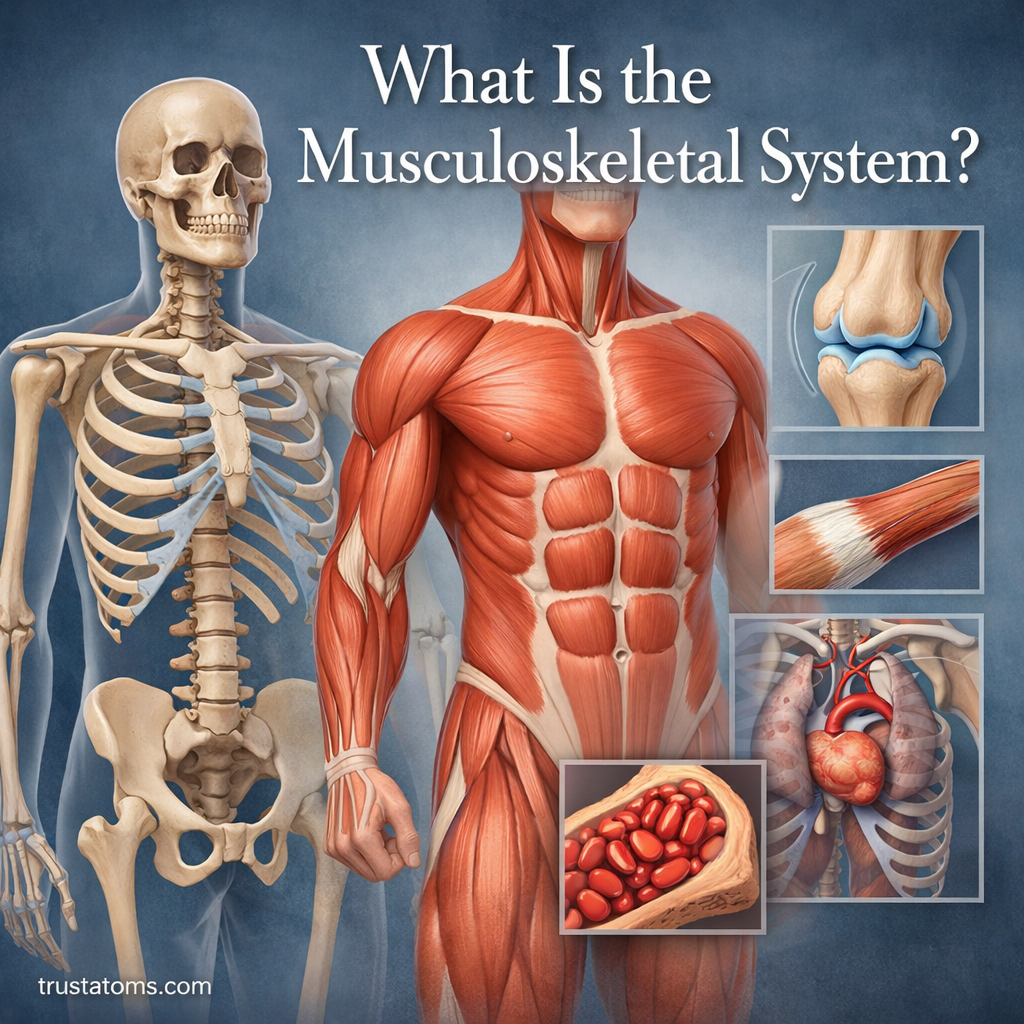
The musculoskeletal system is the body’s structural and movement system. It includes bones, muscles, cartilage, tendons, ligaments, and joints working together to support your body, enable movement, and protect vital organs.
Without this system, standing, walking, lifting, and even maintaining posture would not be possible. It also plays an important role in storing minerals and producing blood cells.
Main Components of the Musculoskeletal System
Bones
Bones form the framework of the body, known as the skeleton. Adults typically have 206 bones.
Key functions of bones include:
- Providing structure and shape
- Protecting organs (e.g., skull protects the brain)
- Storing minerals like calcium and phosphorus
- Producing blood cells in bone marrow
Muscles
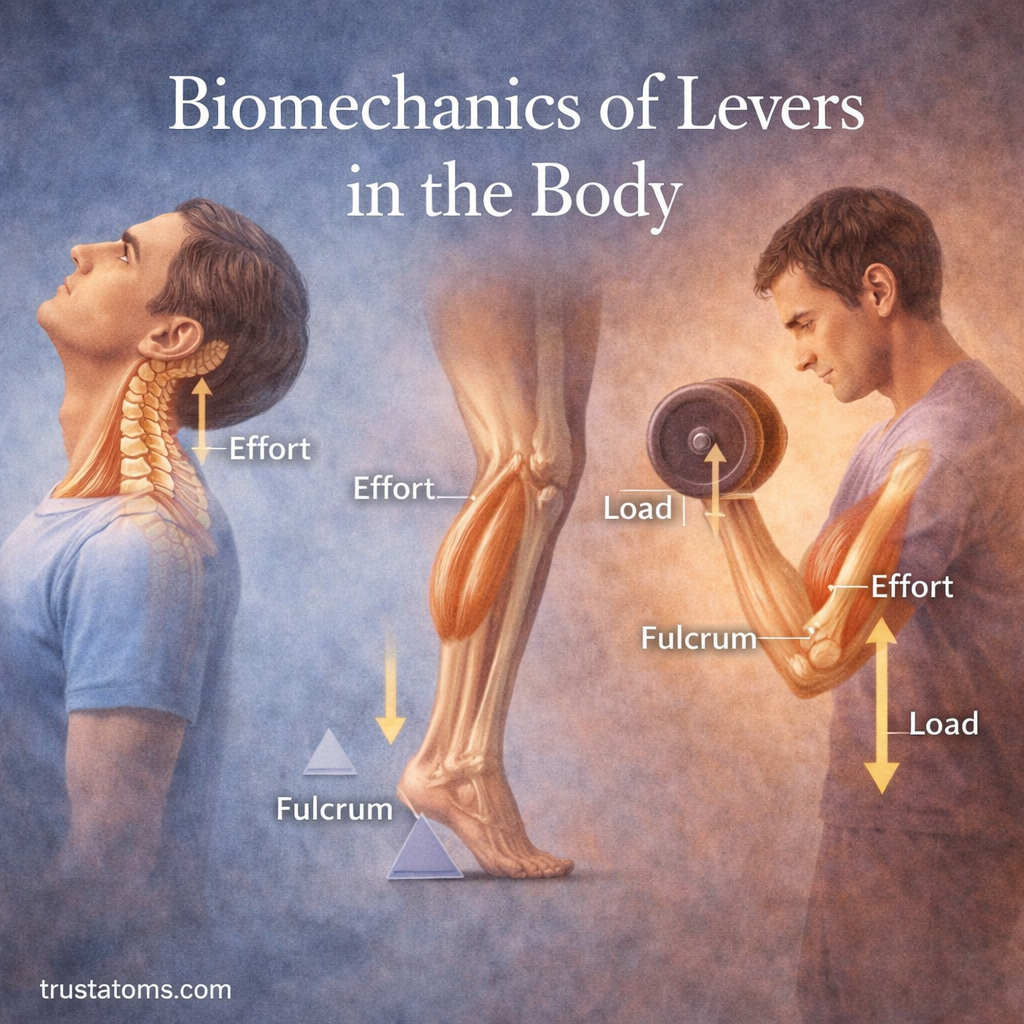
Muscles are responsible for movement. They contract and relax to move bones and body parts.
There are three types of muscles:
- Skeletal muscles (attached to bones, voluntary control)
- Smooth muscles (found in organs, involuntary)
- Cardiac muscle (found only in the heart)
Joints
Joints are points where two or more bones meet. They allow movement and flexibility.
Common types of joints include:
- Ball-and-socket joints (e.g., shoulder, hip)
- Hinge joints (e.g., knees, elbows)
- Pivot joints (e.g., neck rotation)
Tendons
Tendons are strong connective tissues that attach muscles to bones. They transmit the force from muscle contractions to move bones.
Ligaments
Ligaments connect bones to other bones. They help stabilize joints and prevent excessive movement that could cause injury.
Cartilage
Cartilage is a flexible tissue that cushions joints and reduces friction between bones during movement.
How the Musculoskeletal System Works
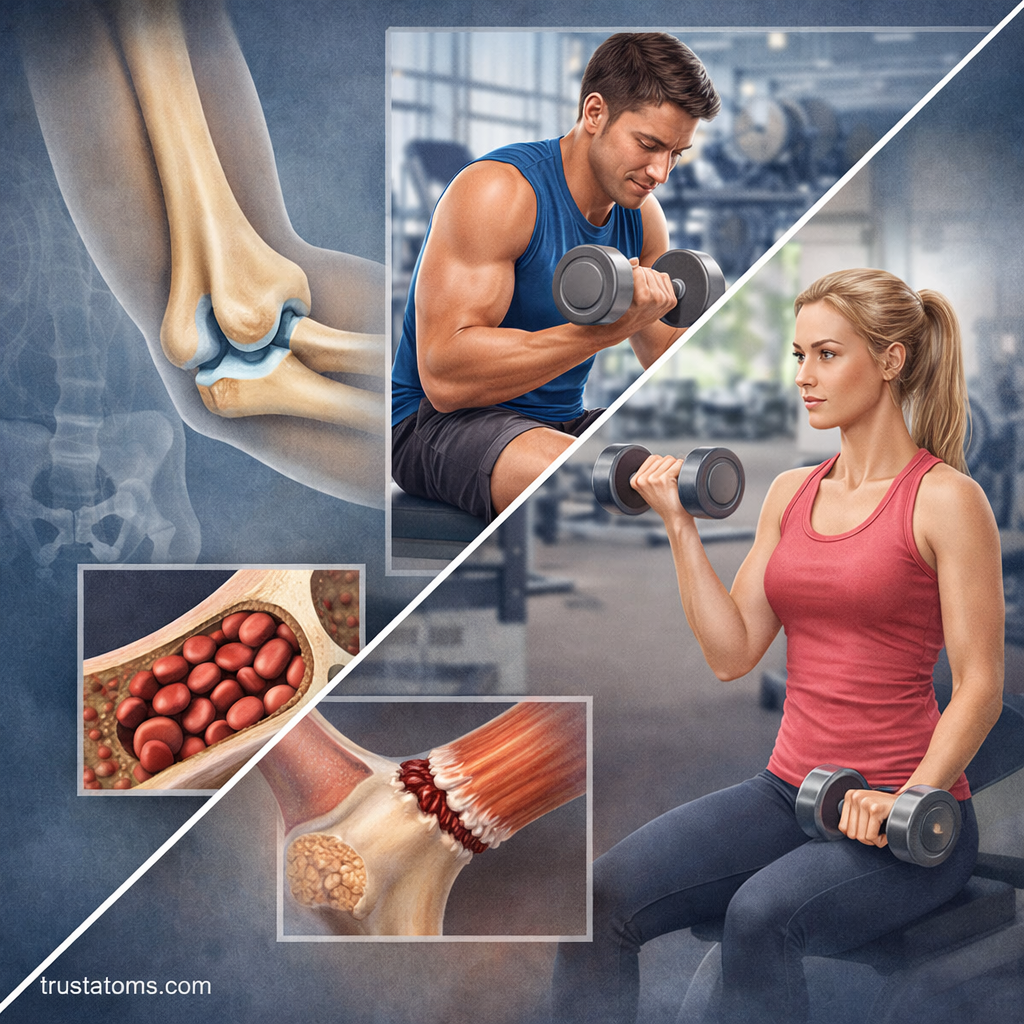
The musculoskeletal system functions through coordination between muscles, bones, and connective tissues.
Here’s a simple breakdown of how movement happens:
- The brain sends signals through the nervous system
- Muscles contract in response to the signal
- Tendons pull on bones
- Bones move at the joints
This coordinated process allows everything from simple gestures to complex athletic movements.
Key Functions of the Musculoskeletal System
The musculoskeletal system does more than just help you move. Its major functions include:
1. Support
It provides a framework that supports the body and maintains posture.
2. Movement
Working with muscles, it enables all voluntary movements like walking, running, and lifting.
3. Protection
Bones protect internal organs, such as:
- Skull → brain
- Rib cage → heart and lungs
- Vertebrae → spinal cord
4. Mineral Storage
Bones store essential minerals, especially calcium and phosphorus, which can be released into the bloodstream when needed.
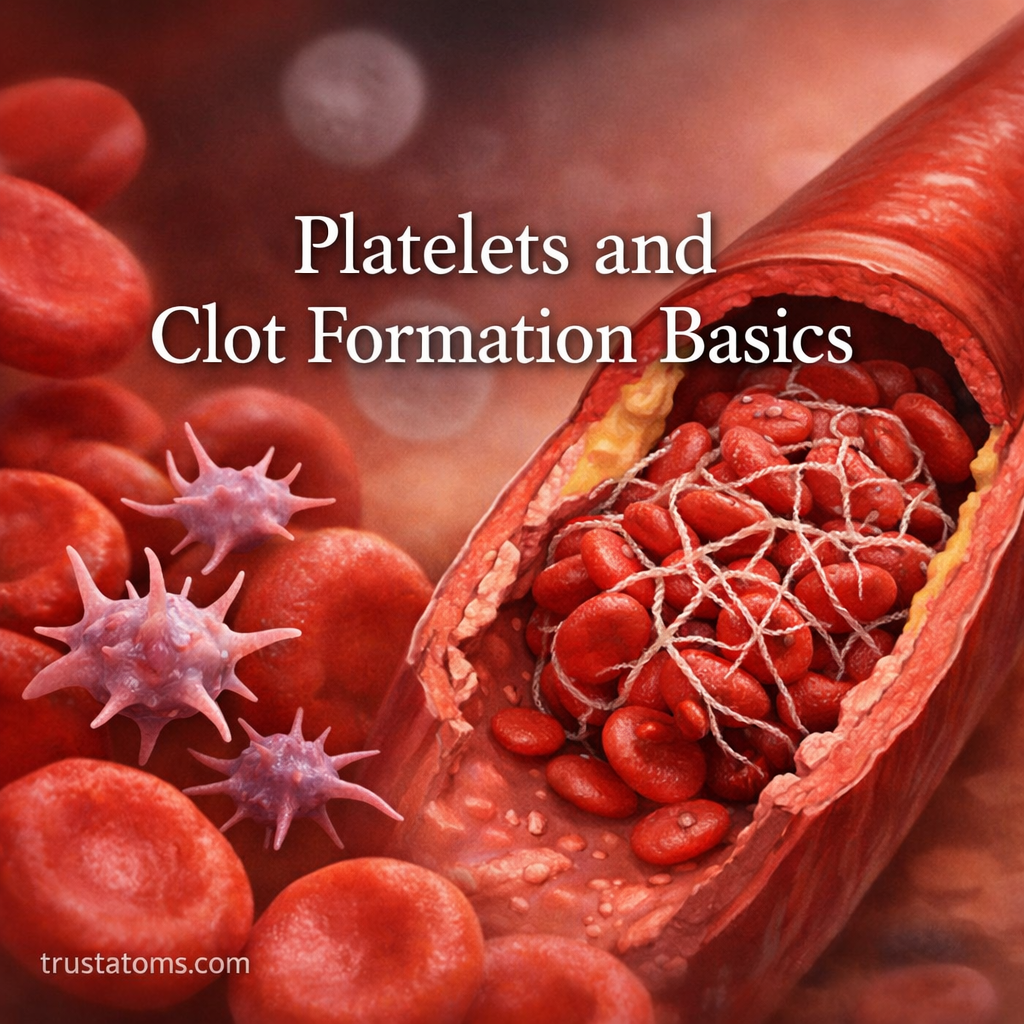
5. Blood Cell Production
Bone marrow produces:
- Red blood cells
- White blood cells
- Platelets
Types of Bones in the Human Body
Bones are categorized based on their shape and function:
- Long bones (e.g., femur, humerus) – support movement
- Short bones (e.g., wrist bones) – provide stability
- Flat bones (e.g., skull, ribs) – protect organs
- Irregular bones (e.g., vertebrae) – specialized functions
Common Musculoskeletal Conditions
The musculoskeletal system can be affected by injuries, aging, and diseases.
Some common conditions include:
- Arthritis (joint inflammation)
- Osteoporosis (weak, brittle bones)
- Sprains and strains
- Tendinitis (inflammation of tendons)
- Fractures (broken bones)
Maintaining this system is essential for long-term mobility and quality of life.
How to Keep Your Musculoskeletal System Healthy
Simple lifestyle habits can support strong bones and muscles:
Daily Habits
- Eat calcium- and vitamin D-rich foods
- Stay physically active
- Maintain good posture
- Stretch regularly
Injury Prevention
- Warm up before exercise
- Use proper form when lifting
- Wear appropriate footwear
- Avoid overuse of joints and muscles
Why the Musculoskeletal System Matters
The musculoskeletal system is fundamental to everyday life. It allows you to move freely, perform daily tasks, and stay physically independent.
A healthy musculoskeletal system supports:
- Mobility and flexibility
- Physical strength
- Balance and coordination
- Overall well-being
Understanding how it works can help you take better care of your body and prevent injuries over time.
Final Thoughts
The musculoskeletal system is more than just bones and muscles—it’s a highly coordinated system that keeps your body moving, stable, and protected.
By learning how its components work together and adopting healthy habits, you can maintain strength, reduce injury risk, and support long-term health.