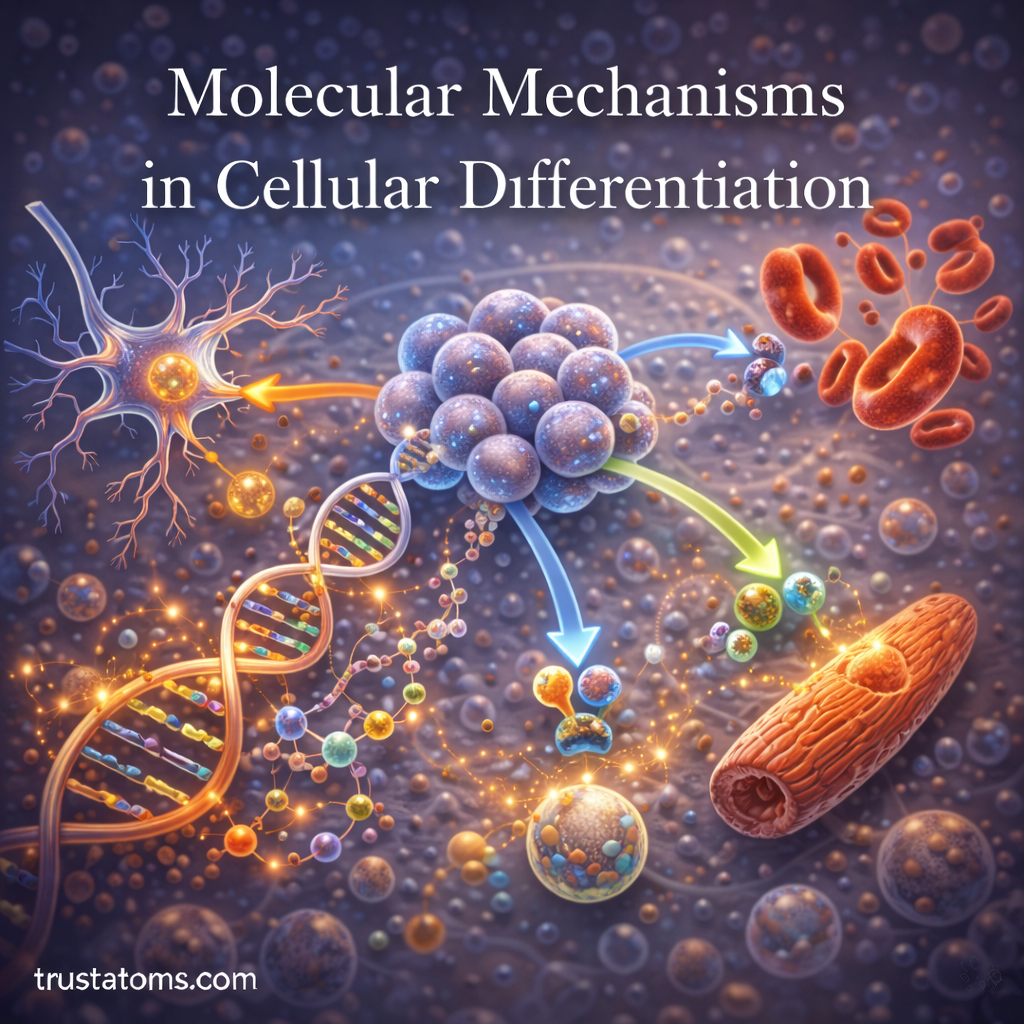
Cellular differentiation is the biological process through which unspecialized cells develop into specialized cell types with unique structures and functions. This process is fundamental to the development of multicellular organisms, allowing a single fertilized egg to give rise to the many different tissues and organs found in the body.
Although most cells contain the same genetic information, different cell types express different sets of genes. Molecular mechanisms control which genes are activated or silenced, enabling cells to adopt specialized roles such as muscle cells, neurons, or blood cells.
Understanding the molecular mechanisms behind cellular differentiation is essential for developmental biology, regenerative medicine, and disease research.
Continue reading “Molecular Mechanisms in Cellular Differentiation”