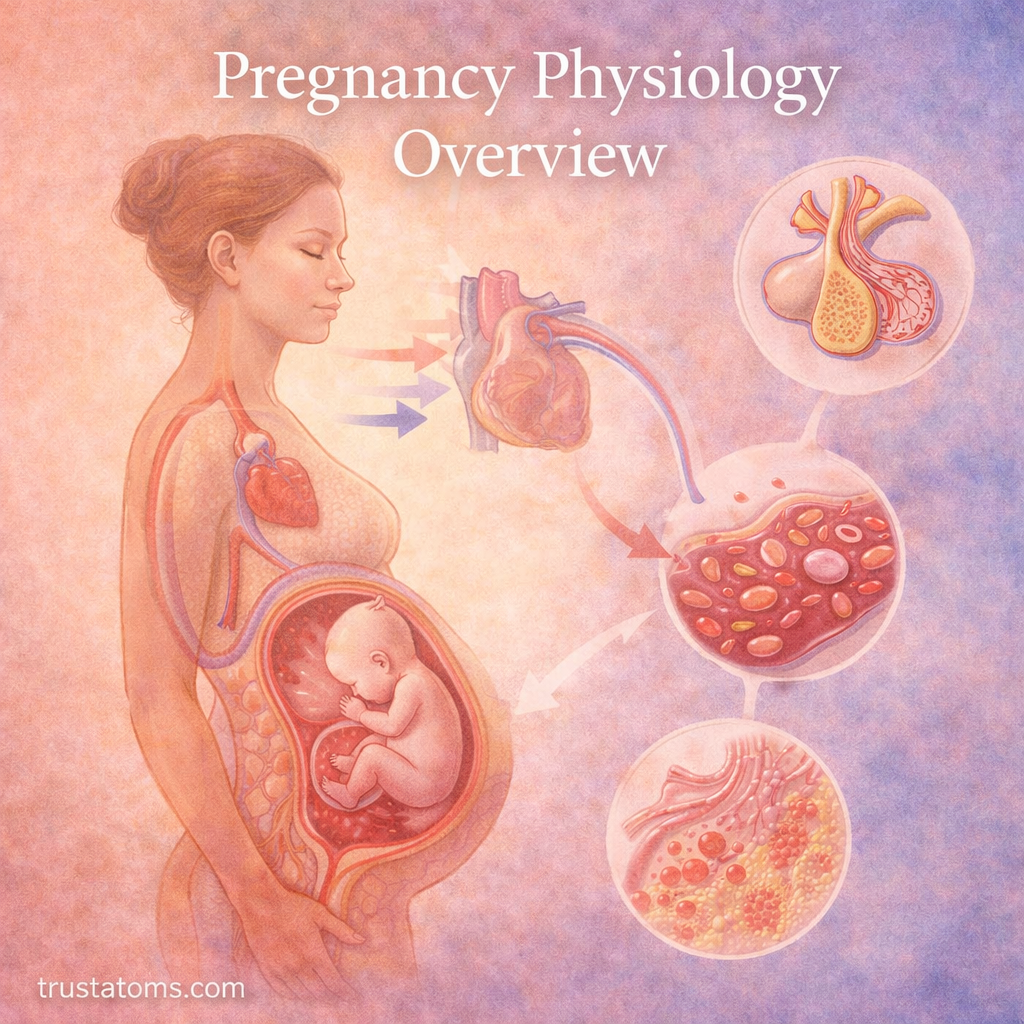
Pregnancy is a complex biological process that involves coordinated changes across multiple body systems. From hormonal shifts to cardiovascular adaptations, the body undergoes significant transformations to support fetal development and prepare for childbirth.
This overview explains the key physiological changes that occur during pregnancy and how the maternal body adapts to sustain a growing fetus.
What Is Pregnancy Physiology?
Pregnancy physiology refers to the structural, hormonal, and functional changes that occur in the body during pregnancy.
These changes are designed to:
- Support fetal growth and development
- Maintain a healthy uterine environment
- Prepare the body for labor and delivery
- Ensure adequate nutrient and oxygen supply
Hormonal Changes During Pregnancy
Hormones play a central role in regulating pregnancy from implantation to delivery.
Key Hormones and Their Functions
Human Chorionic Gonadotropin (hCG)
- Produced early in pregnancy
- Maintains the corpus luteum
- Supports progesterone production
Progesterone
- Maintains the uterine lining
- Prevents uterine contractions early in pregnancy
- Supports immune tolerance of the fetus
Estrogen
- Promotes uterine growth
- Increases blood flow
- Supports development of fetal organs
Human Placental Lactogen (hPL)
- Alters maternal metabolism
- Increases nutrient availability for the fetus
Cardiovascular System Adaptations
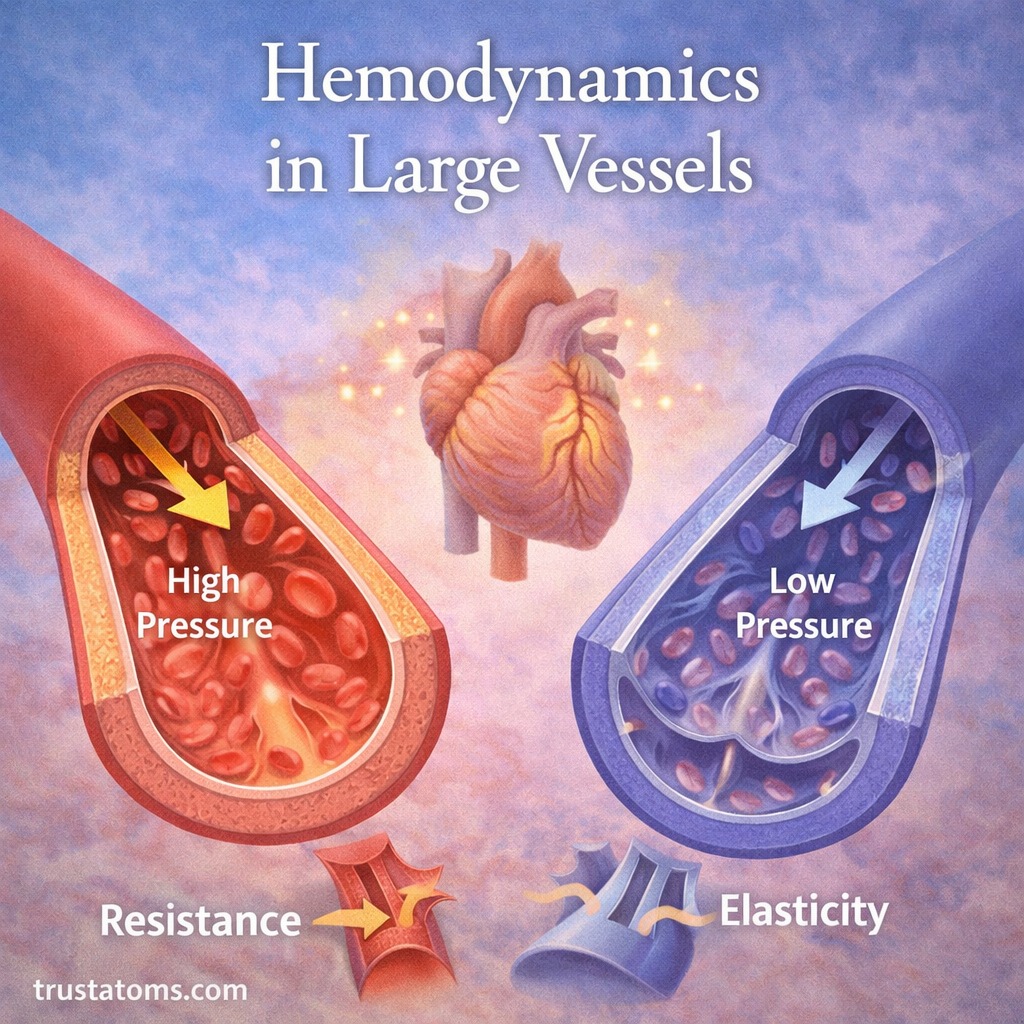
The cardiovascular system undergoes major adjustments to meet increased demands.
Key Changes
- Blood volume increases by about 30–50%
- Heart rate increases
- Cardiac output rises significantly
- Blood pressure may decrease slightly in early pregnancy
Why These Changes Matter
- Ensures adequate oxygen delivery to the fetus
- Supports placental circulation
- Helps remove waste products efficiently
Respiratory System Changes
The respiratory system adapts to supply more oxygen.
Key Adjustments
- Increased breathing rate
- Greater oxygen intake
- Slight expansion of lung capacity
These changes help meet the oxygen demands of both mother and fetus.
Digestive System Changes
Hormonal shifts affect digestion and nutrient absorption.
Common Effects
- Slower gastric emptying
- Increased nutrient absorption
- Relaxation of smooth muscles
Symptoms Often Experienced
- Nausea (especially in early pregnancy)
- Heartburn
- Constipation
These changes help maximize nutrient availability but can cause discomfort.
Renal (Kidney) System Changes
The kidneys play an important role in maintaining fluid balance and waste removal.
Key Changes
- Increased blood flow to kidneys
- Higher filtration rate
- Increased urine production
These adaptations help eliminate waste from both mother and fetus.
Musculoskeletal System Adaptations
The body adjusts structurally to support the growing uterus.
Key Changes
- Loosening of ligaments (due to hormones like relaxin)
- Shift in posture and center of gravity
- Increased strain on the lower back
These changes prepare the body for childbirth but can lead to discomfort or back pain.
Uterine and Placental Development
Uterine Changes
- The uterus expands significantly
- Muscle layers grow and stretch
- Blood supply increases dramatically
Placenta Function
The placenta is a vital organ that connects mother and fetus.
Key Roles
- Transfers oxygen and nutrients
- Removes carbon dioxide and waste
- Produces essential hormones
- Acts as a selective barrier
Fetal Development and Nutrient Exchange
The fetus depends entirely on the maternal system for survival.
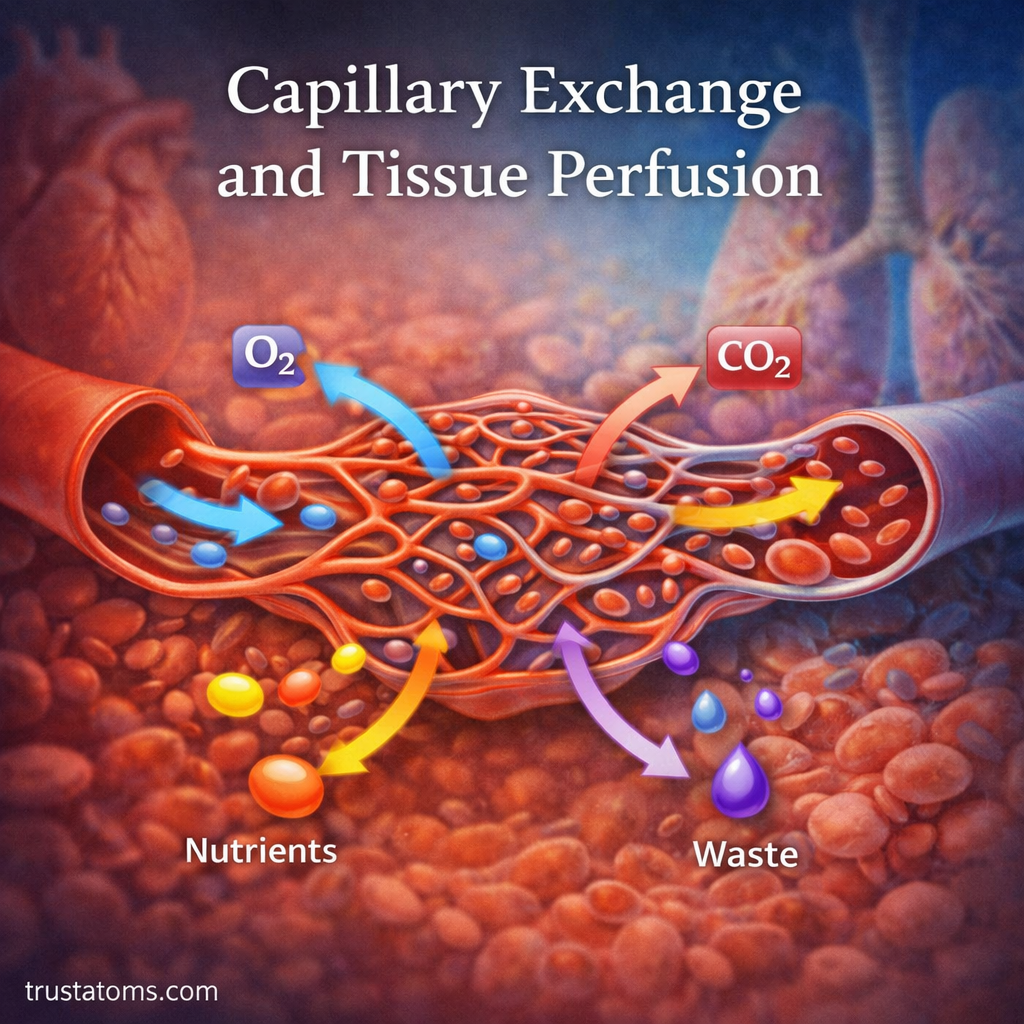
How Exchange Occurs
- Nutrients and oxygen pass through the placenta
- The umbilical cord delivers these to the fetus
- Waste products are returned to maternal circulation
Essential Nutrients
- Oxygen
- Glucose
- Amino acids
- Vitamins and minerals
Efficient exchange is critical for healthy fetal growth.
Immune System Modulation
The immune system adapts to tolerate the fetus, which contains genetic material from both parents.
Key Features
- Reduced immune response to prevent rejection
- Increased protection against infections
- Complex immune balancing
This ensures the fetus can develop safely within the maternal body.
Stages of Pregnancy
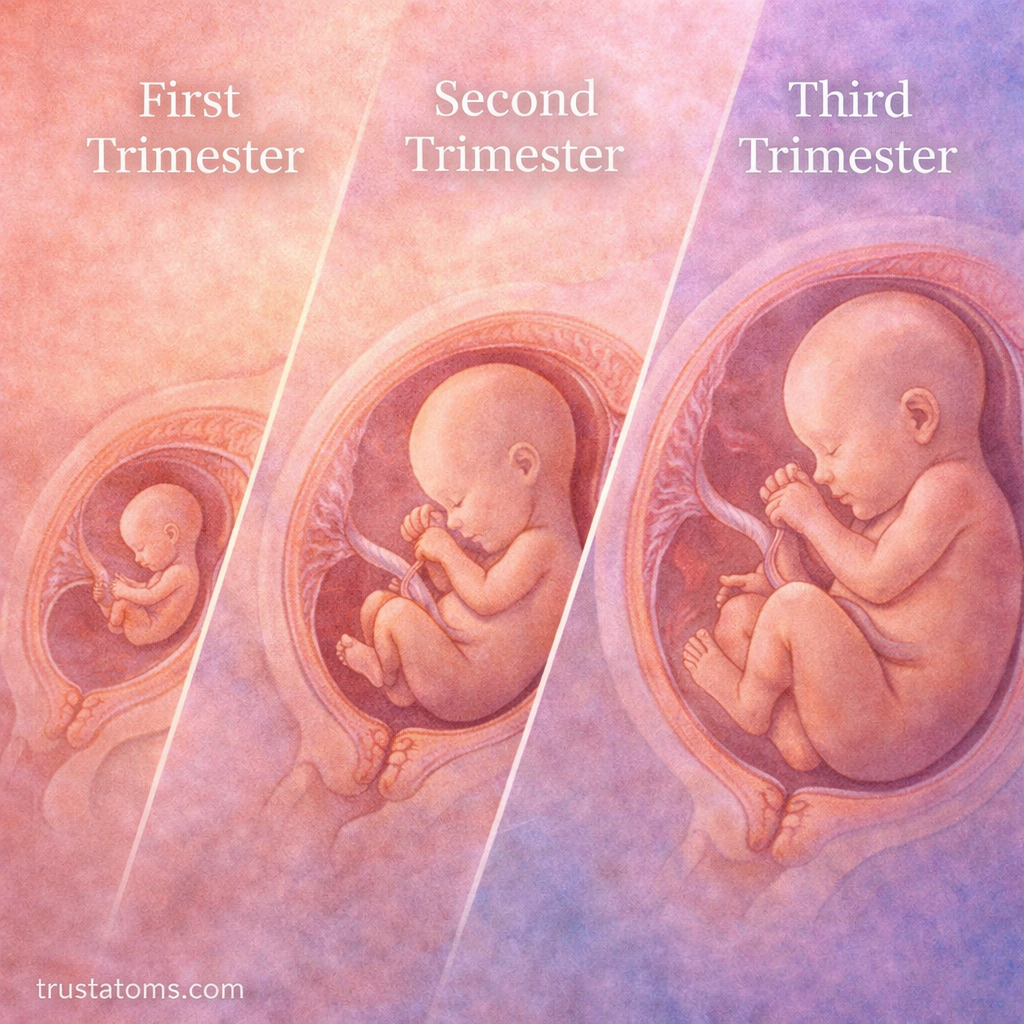
Pregnancy is divided into three trimesters:
First Trimester (Weeks 1–12)
- Hormonal changes begin
- Organ development starts
- Highest sensitivity to environmental factors
Second Trimester (Weeks 13–26)
- Rapid fetal growth
- Reduced early symptoms
- Increased maternal energy
Third Trimester (Weeks 27–Birth)
- Continued growth and maturation
- Preparation for delivery
- Increased physical strain on the body
Common Misconceptions
“Pregnancy only affects the reproductive system”
Pregnancy impacts nearly every system in the body.
“All changes are immediate”
Physiological changes occur gradually and vary by trimester.
“The placenta mixes maternal and fetal blood”
The placenta allows exchange without direct blood mixing under normal conditions.
Final Thoughts
Pregnancy physiology involves a remarkable series of adaptations that allow the body to support new life. From hormonal regulation to organ system changes, each adjustment plays a critical role in maintaining a healthy pregnancy.
Understanding these processes provides valuable insight into human development, maternal health, and the biological complexity of reproduction.