Red blood cells play a critical role in keeping the body alive by transporting oxygen from the lungs to tissues and carrying carbon dioxide back for removal. These specialized cells are uniquely designed to maximize efficiency, ensuring every part of the body receives the oxygen it needs to function.
Understanding how red blood cells work provides insight into one of the most essential processes in human biology.
What Are Red Blood Cells?
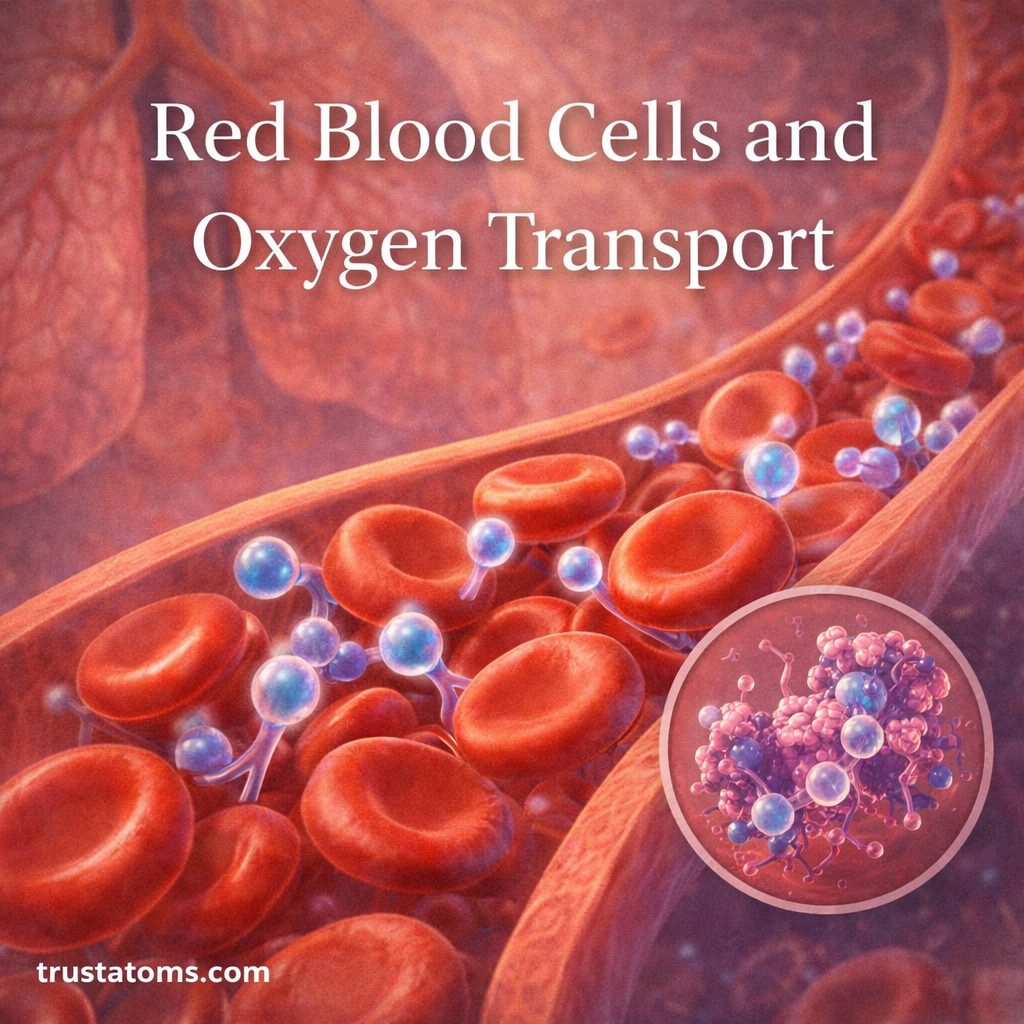
Red blood cells, also known as erythrocytes, are the most abundant cells in the bloodstream.
Key Characteristics
- Disc-shaped with a biconcave structure
- Flexible and able to pass through tiny capillaries
- Lack a nucleus (in humans)
- Contain hemoglobin, a protein that binds oxygen
Their structure is specifically adapted for gas transport and efficient circulation.
Structure and Why It Matters
The unique shape and composition of red blood cells directly support their function.
Biconcave Shape
- Increases surface area for oxygen exchange
- Allows rapid diffusion of gases
- Helps cells move smoothly through narrow vessels
Flexibility
Red blood cells can bend and squeeze through capillaries smaller than their diameter, ensuring oxygen delivery even to the smallest tissues.
No Nucleus
By lacking a nucleus, red blood cells have more space for hemoglobin, which increases their oxygen-carrying capacity.
What Is Hemoglobin?
Hemoglobin is the key protein responsible for oxygen transport.
How Hemoglobin Works
- Each hemoglobin molecule can bind up to four oxygen molecules
- Oxygen binds in the lungs where oxygen levels are high
- Oxygen is released in tissues where oxygen levels are low
This reversible binding allows efficient loading and unloading of oxygen.
How Oxygen Transport Works
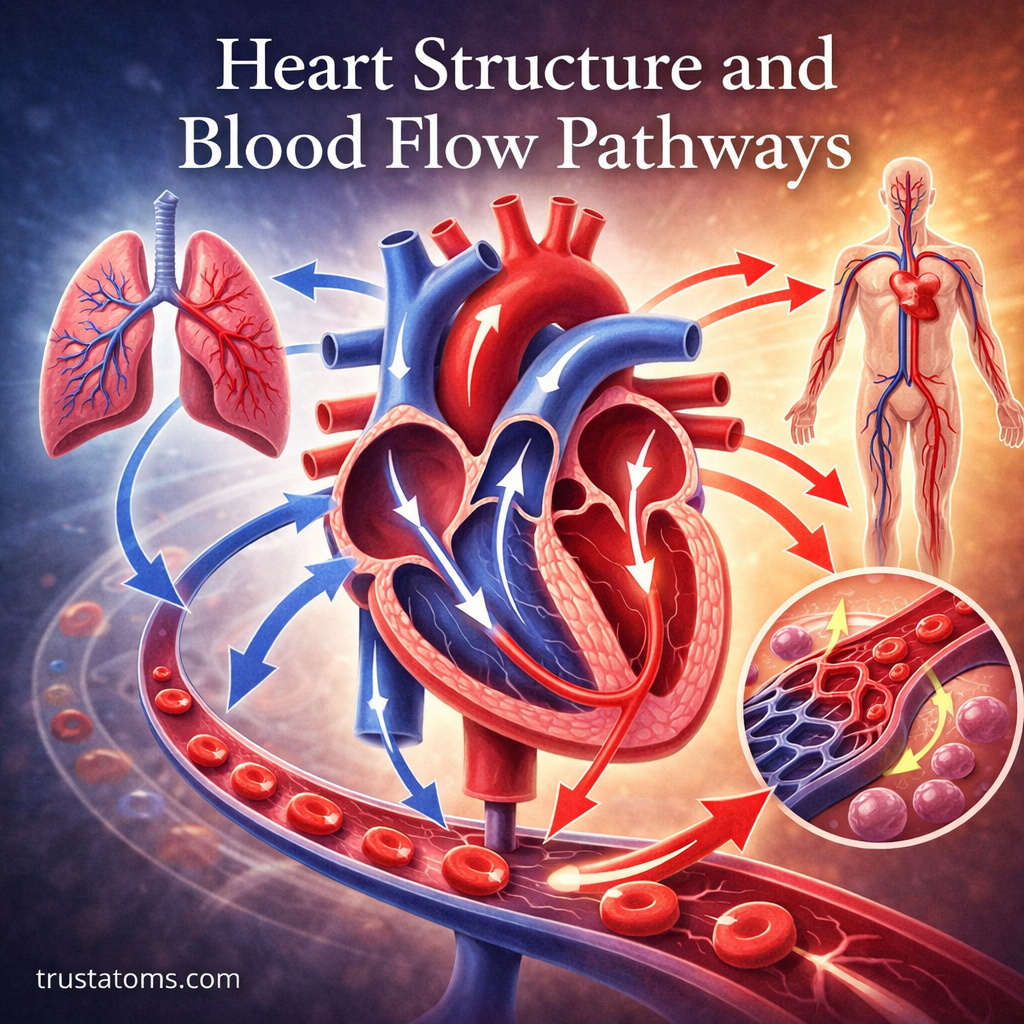
Oxygen transport involves a continuous cycle between the lungs and body tissues.
Step-by-Step Process
- Oxygen enters the lungs during breathing
- Oxygen diffuses into the blood in the lungs
- Hemoglobin in red blood cells binds oxygen
- Oxygen-rich blood travels through the circulatory system
- Oxygen is released into body tissues
- Carbon dioxide is picked up and transported back to the lungs
This cycle repeats with every breath you take.
Role of Carbon Dioxide Transport
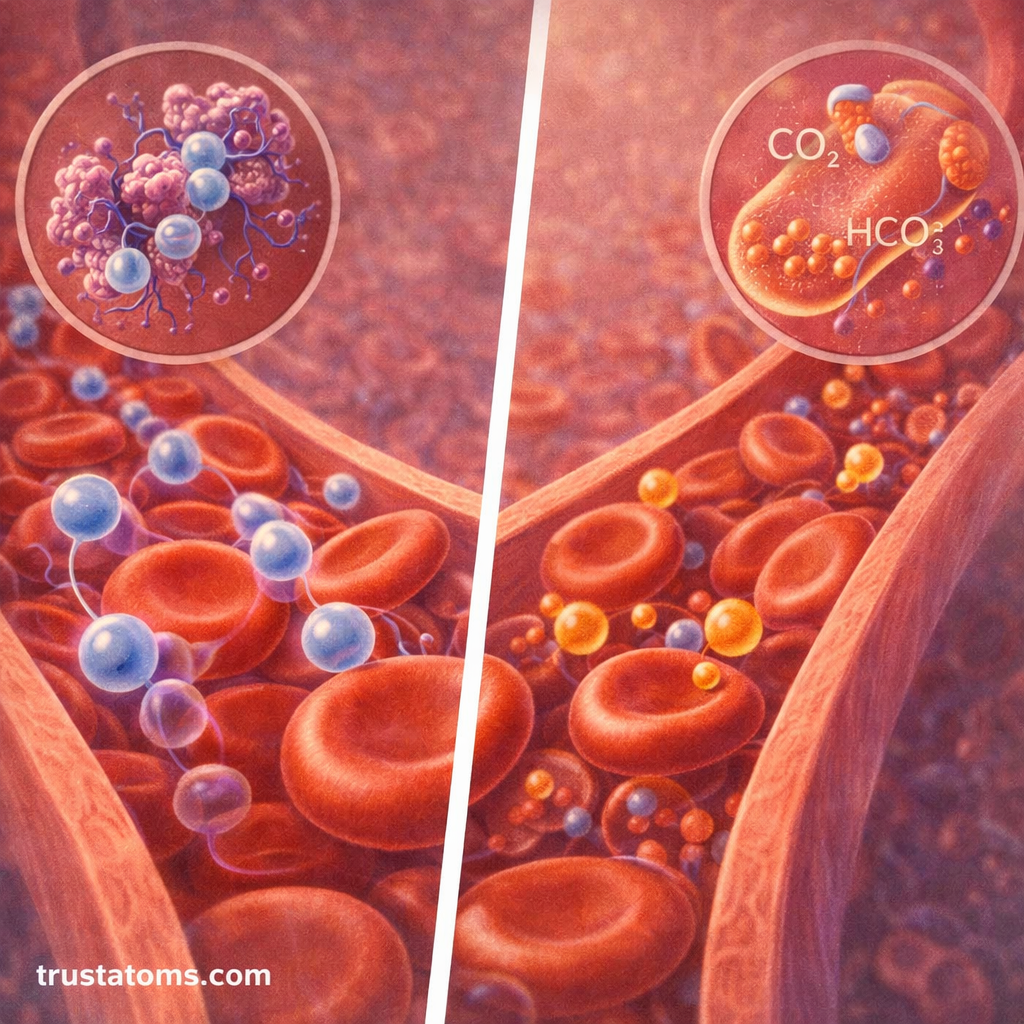
While red blood cells are best known for carrying oxygen, they also help transport carbon dioxide.
How Carbon Dioxide Is Carried
- Dissolved directly in plasma
- Bound to hemoglobin
- Converted into bicarbonate ions in red blood cells
This process helps maintain proper blood pH and supports waste removal.
Lifespan and Production of Red Blood Cells
Red blood cells are continuously produced and recycled by the body.
Lifespan
- Average lifespan: about 120 days
Production (Erythropoiesis)
- Occurs in the bone marrow
- Stimulated by the hormone erythropoietin (from the kidneys)
Recycling
- Old or damaged cells are removed by the spleen and liver
- Components like iron are reused to make new red blood cells
Factors That Affect Oxygen Transport
Several factors influence how effectively red blood cells carry oxygen.
Hemoglobin Levels
- Higher levels improve oxygen delivery
- Low levels can lead to fatigue and weakness
Blood Flow
- Efficient circulation ensures oxygen reaches tissues quickly
Lung Function
- Healthy lungs are essential for oxygen absorption
Altitude
- Higher altitudes have lower oxygen levels
- The body may produce more red blood cells to compensate
Common Conditions Related to Red Blood Cells
Problems with red blood cells can disrupt oxygen transport.
Anemia
- Caused by low red blood cell count or hemoglobin
- Leads to fatigue, weakness, and shortness of breath
Polycythemia
- Excess red blood cells
- Can thicken blood and increase risk of clots
Sickle Cell Disease
- Abnormally shaped red blood cells
- Reduced oxygen delivery and blocked blood flow
Why Red Blood Cells Are Essential
Without red blood cells, oxygen would not efficiently reach body tissues. This would affect:
- Brain function
- Muscle activity
- Organ performance
- Overall energy levels
Their role is fundamental to sustaining life.
Key Takeaways
- Red blood cells transport oxygen using hemoglobin
- Their biconcave shape increases efficiency
- Oxygen is picked up in the lungs and delivered to tissues
- They also help remove carbon dioxide
- Healthy red blood cells are essential for overall body function
Final Thoughts
Red blood cells are highly specialized for one of the body’s most important tasks—oxygen transport. Their structure, composition, and continuous renewal ensure that every cell receives the oxygen it needs to survive.
By understanding how red blood cells function, you gain a deeper appreciation for the complex systems that keep your body running every second of the day.