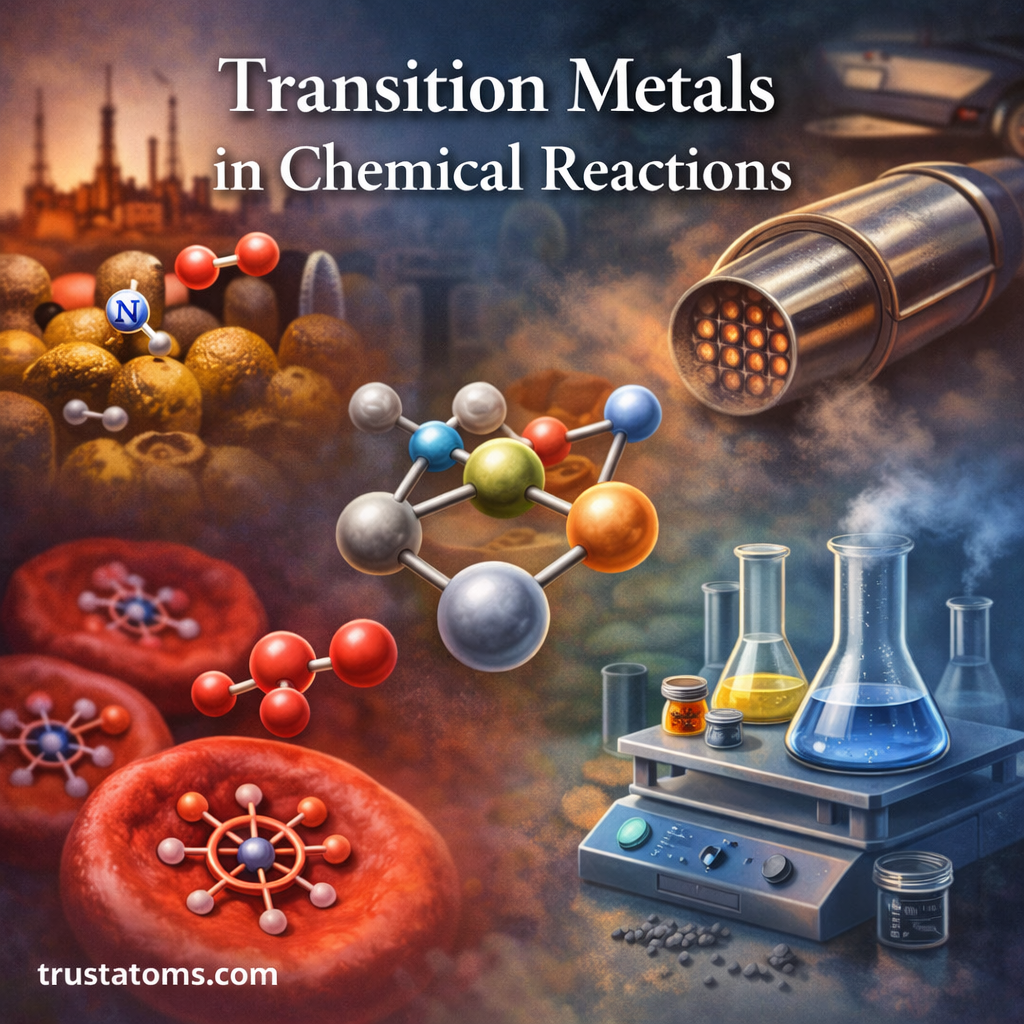
Transition metals play a central role in many chemical reactions across nature, industry, and modern technology. Found in the middle of the periodic table, these metals have unique electronic structures that allow them to participate in complex chemical transformations.
Because transition metals can exist in multiple oxidation states and form strong interactions with other molecules, they are widely used as catalysts and reactive centers in chemical systems. From industrial manufacturing to biological processes, transition metals help drive reactions that would otherwise occur slowly or inefficiently.
Understanding how transition metals behave in chemical reactions is an essential part of inorganic chemistry and helps explain many real-world chemical processes.
What Are Transition Metals?
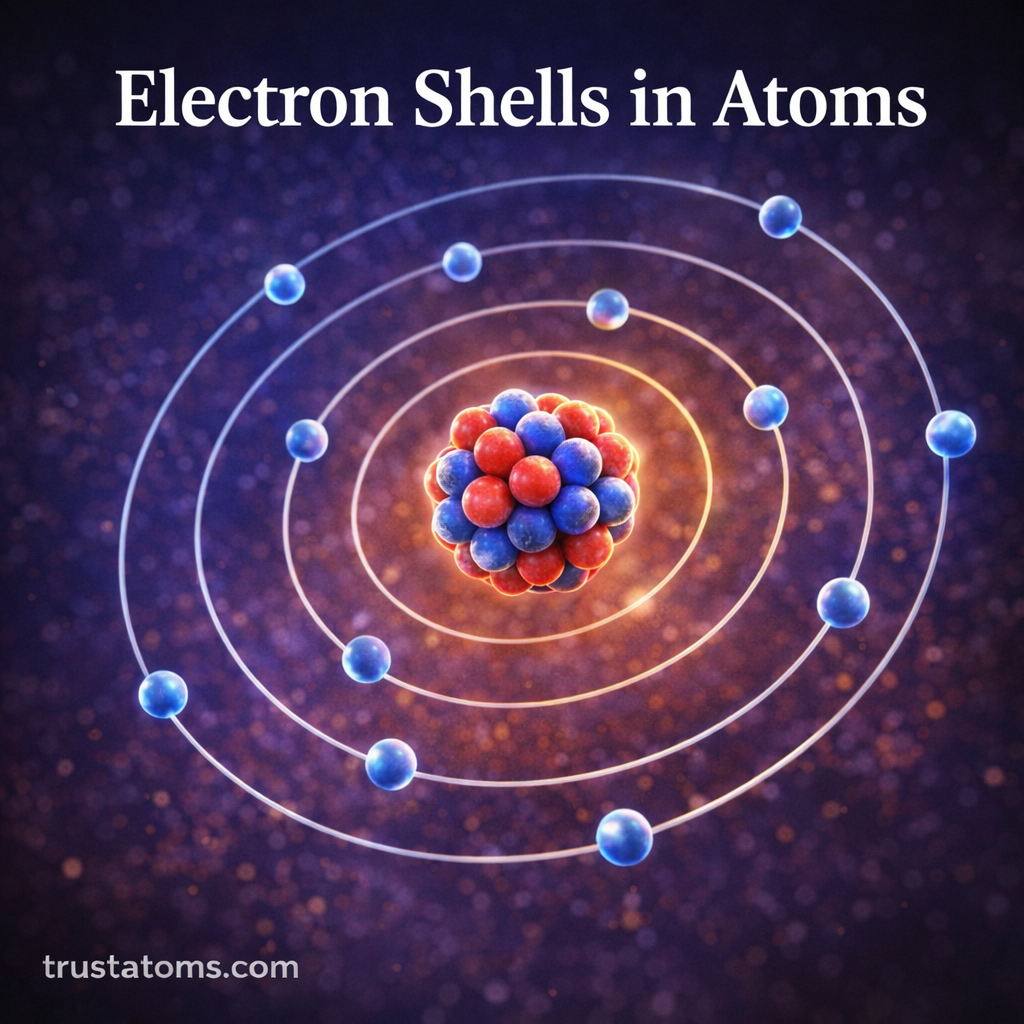
Transition metals are elements located in the d-block of the periodic table, typically between Groups 3 and 12. These elements are characterized by partially filled d-orbitals, which give them distinctive chemical and physical properties.
Common transition metals include:
- Iron (Fe)
- Copper (Cu)
- Nickel (Ni)
- Chromium (Cr)
- Cobalt (Co)
- Platinum (Pt)
These metals often form colored compounds, act as catalysts, and participate in a wide range of chemical reactions.
Key Properties That Make Transition Metals Reactive
Transition metals are especially useful in chemical reactions because of several unique characteristics.
Multiple Oxidation States
Transition metals can easily gain or lose electrons, allowing them to exist in several oxidation states.
For example:
- Iron can exist as Fe²⁺ or Fe³⁺
- Copper commonly appears as Cu⁺ or Cu²⁺
This flexibility allows transition metals to transfer electrons during reactions, which is critical in many oxidation–reduction processes.
Partially Filled d-Orbitals
The presence of partially filled d-orbitals allows transition metals to:
- Form strong chemical bonds
- Interact with ligands and molecules
- Stabilize intermediate reaction states
These interactions often help lower the energy barrier of reactions.
Ability to Form Complexes
Transition metals frequently form coordination complexes, where ligands surround a central metal ion.
These complexes can:
- Stabilize reactive species
- Control reaction pathways
- Influence product formation
This property makes transition metals extremely valuable in catalytic chemistry.
Transition Metals as Catalysts
One of the most important roles of transition metals in chemical reactions is their function as catalysts.
A catalyst is a substance that speeds up a chemical reaction without being permanently consumed.
Transition metal catalysts work by:
- Temporarily bonding with reactant molecules
- Lowering the activation energy required for the reaction
- Allowing new chemical bonds to form more easily
- Releasing products and regenerating the catalyst
Because of these abilities, transition metals are widely used in industrial chemical processes.
Examples of Transition Metal Catalysts
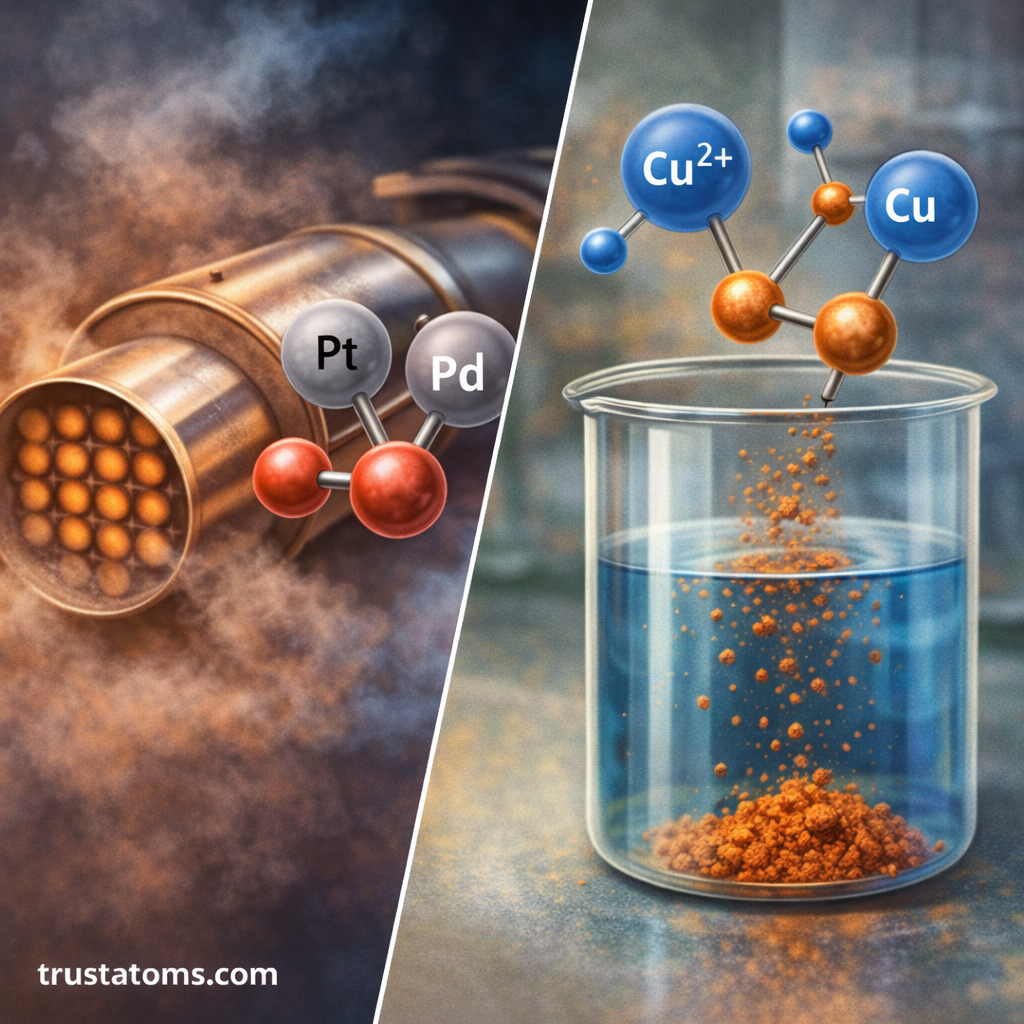
Several major industrial reactions rely on transition metals.
Haber Process
The Haber process produces ammonia from nitrogen and hydrogen gases.
Key details include:
- Iron acts as the catalyst
- Reaction produces ammonia used in fertilizers
- Process supports global agriculture
Without the iron catalyst, the reaction would occur far too slowly for practical use.
Catalytic Converters
Vehicles use catalytic converters to reduce harmful emissions.
These systems rely on transition metals such as:
- Platinum
- Palladium
- Rhodium
These metals help convert toxic gases like carbon monoxide and nitrogen oxides into less harmful substances.
Hydrogenation Reactions
Hydrogenation reactions add hydrogen to unsaturated organic molecules.
Transition metals used in hydrogenation include:
- Nickel
- Palladium
- Platinum
These reactions are used in producing fuels, food products, and chemical intermediates.
Transition Metals in Biological Reactions
Transition metals are also critical in biological chemistry. Many enzymes rely on metal ions to help drive essential biochemical reactions.
Iron in Oxygen Transport
Iron plays a central role in hemoglobin, the protein responsible for transporting oxygen in the blood.
The iron ion binds oxygen molecules reversibly, allowing oxygen to move from the lungs to tissues throughout the body.
Copper in Electron Transport
Copper ions participate in electron transfer reactions within cellular respiration. These reactions help produce energy in living cells.
Zinc in Enzymatic Reactions
Zinc is commonly found in enzymes that assist with:
- DNA replication
- Protein synthesis
- Metabolic regulation
Although zinc does not undergo redox reactions as frequently as other transition metals, it still stabilizes important biological molecules.
Redox Reactions Involving Transition Metals
Many transition metal reactions involve redox chemistry, where electrons are transferred between substances.
Transition metals can:
- Donate electrons (oxidation)
- Accept electrons (reduction)
Because they can easily switch between oxidation states, transition metals often act as electron carriers in chemical systems.
Examples include:
- Iron cycling between Fe²⁺ and Fe³⁺
- Copper switching between Cu⁺ and Cu²⁺
- Manganese participating in oxidation reactions
These redox properties are essential for many industrial and biological processes.
Why Transition Metals Form Colored Compounds
Many transition metal compounds display vivid colors. This occurs because electrons in the d-orbitals absorb specific wavelengths of visible light.
When light interacts with a transition metal complex:
- Electrons absorb energy
- They move between d-orbital energy levels
- The remaining reflected light produces color
This property is commonly observed in laboratory chemistry and helps chemists identify metal complexes.
Importance of Transition Metals in Modern Chemistry
Transition metals continue to drive innovation across multiple scientific fields.
Their applications include:
- Industrial catalysis
- Pharmaceutical synthesis
- Environmental chemistry
- Materials science
- Energy production
Researchers are also developing new transition metal catalysts to improve sustainable chemical processes, reduce pollution, and increase reaction efficiency.
Because of their versatility and reactivity, transition metals remain one of the most valuable groups of elements in chemical science.
Final Thoughts
Transition metals are essential participants in chemical reactions due to their flexible electron structures, multiple oxidation states, and ability to form complex molecular interactions. These properties allow them to catalyze reactions, transfer electrons, and stabilize reactive intermediates.
From manufacturing fertilizers to supporting life’s biochemical processes, transition metals influence countless chemical systems. Studying how they behave in reactions provides deeper insight into both fundamental chemistry and practical applications in technology and industry.