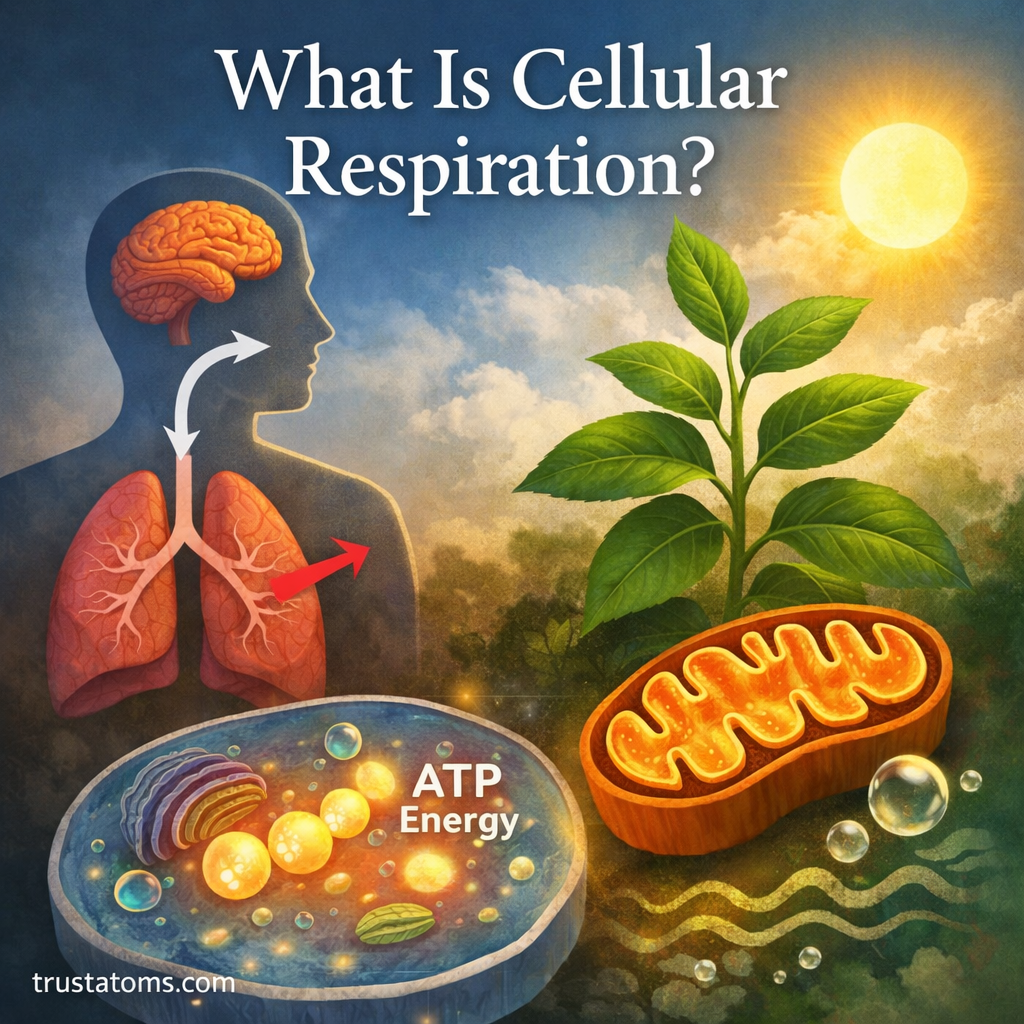
Cellular respiration is the process cells use to convert nutrients—primarily glucose—into usable energy. This energy powers nearly every activity in living organisms, from muscle movement and brain function to growth and cell repair.
In simple terms, cellular respiration allows cells to release the energy stored in food and transform it into a molecule called ATP (adenosine triphosphate). ATP acts as the cell’s main energy currency.
Without cellular respiration, cells would not have the energy needed to perform their basic functions.
Why Cellular Respiration Is Important
Every living organism needs energy to survive. Cells constantly require energy for tasks such as:
- Building proteins and other molecules
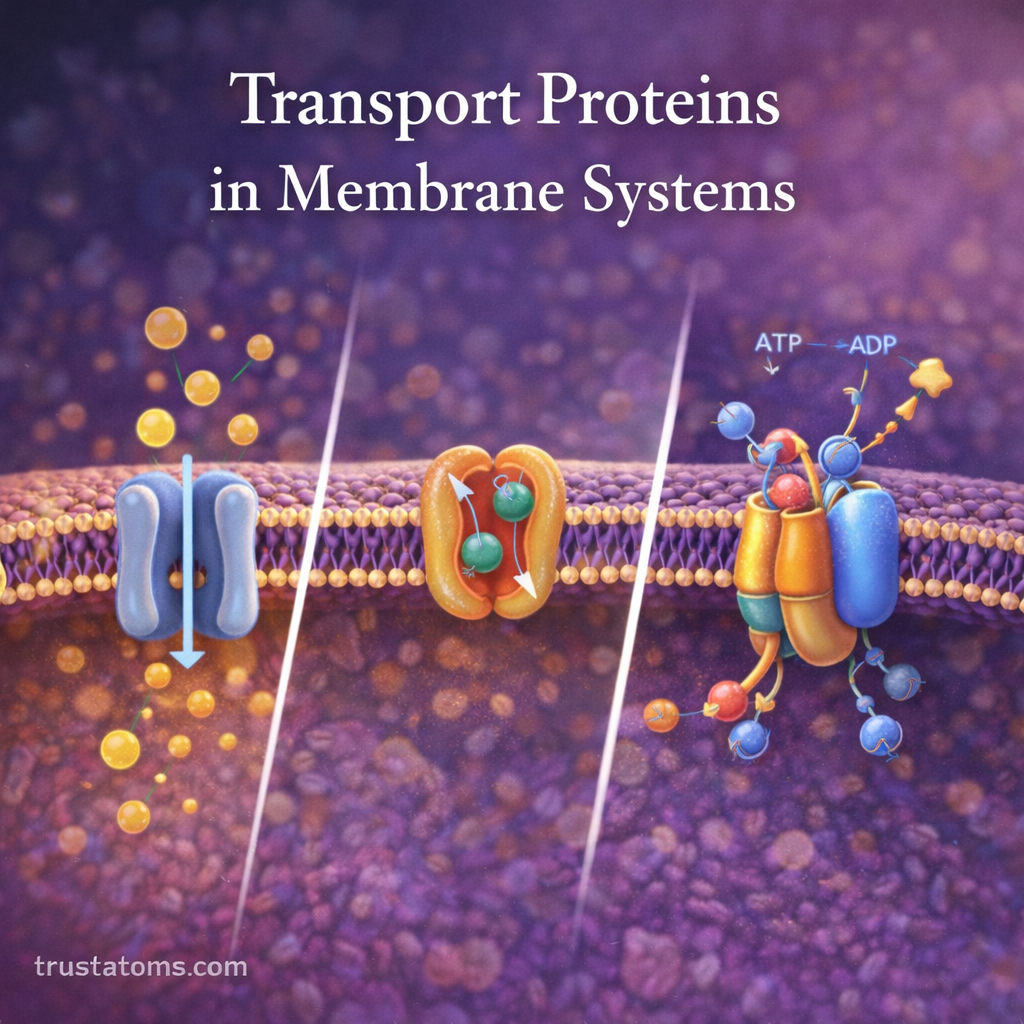
- Transporting materials across cell membranes
- Moving muscles and maintaining body temperature
- Repairing damaged cellular structures
- Supporting growth and reproduction
Cellular respiration provides this energy by breaking down glucose and converting its chemical energy into ATP.
This process happens in both plants and animals, although the way glucose is produced differs between them. Plants make glucose through photosynthesis, while animals obtain it through food.
The Basic Cellular Respiration Equation
The chemical process of cellular respiration can be summarized by the following equation:
Glucose + Oxygen → Carbon Dioxide + Water + Energy (ATP)
Breaking this down:
- Glucose is the sugar molecule that stores energy.
- Oxygen helps break down glucose during the process.
- Carbon dioxide and water are waste products released by cells.
- ATP is the usable energy generated for cellular work.
This reaction occurs in several stages inside the cell.
Where Cellular Respiration Happens
Cellular respiration takes place in different parts of the cell depending on the stage of the process.
Cytoplasm
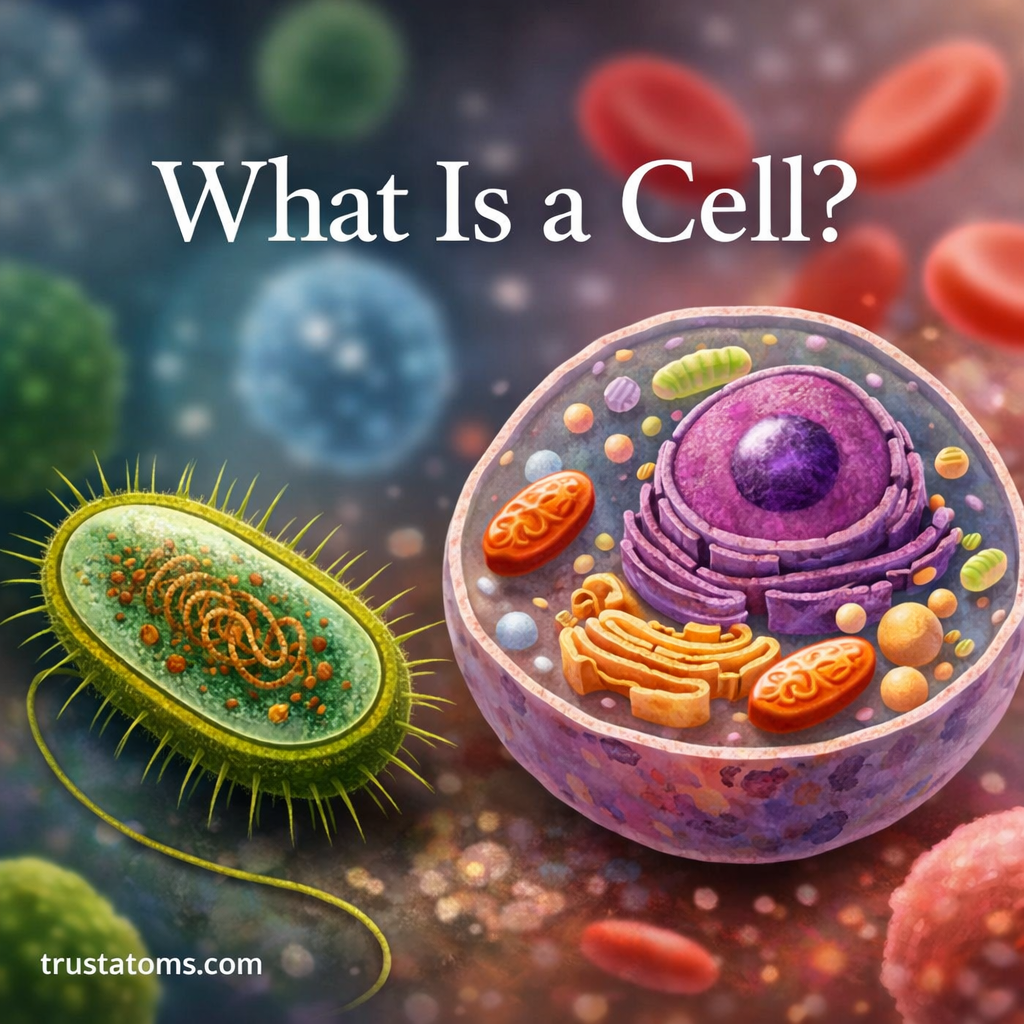
The first stage occurs in the cytoplasm, the fluid surrounding the cell’s organelles.
This stage is called glycolysis.
Mitochondria
The later stages take place inside mitochondria, often referred to as the “powerhouses of the cell.” These organelles specialize in producing ATP efficiently.
Cells with high energy demands—such as muscle cells—contain many mitochondria.
The Three Main Stages of Cellular Respiration
Cellular respiration occurs through three major stages that gradually release energy from glucose.
1. Glycolysis
Glycolysis is the first step and takes place in the cytoplasm.
During glycolysis:
- One glucose molecule is split into two smaller molecules called pyruvate.
- A small amount of ATP is produced.
- Energy carriers such as NADH are generated.
Glycolysis does not require oxygen, meaning it can occur in both aerobic and anaerobic conditions.
2. The Krebs Cycle (Citric Acid Cycle)
The second stage occurs in the mitochondria.
During the Krebs cycle:
- Pyruvate molecules are further broken down.
- Carbon dioxide is released as a waste product.
- High-energy carriers (NADH and FADH₂) are produced.
These carriers store energy that will be used in the final stage.
3. The Electron Transport Chain
The final stage also occurs in the mitochondria.
This step produces most of the ATP generated during cellular respiration.
During the electron transport chain:
- Electrons from NADH and FADH₂ move through a chain of proteins.
- Oxygen acts as the final electron acceptor.
- A large amount of ATP is produced.
Water is formed as a byproduct in this stage.
Aerobic vs. Anaerobic Respiration
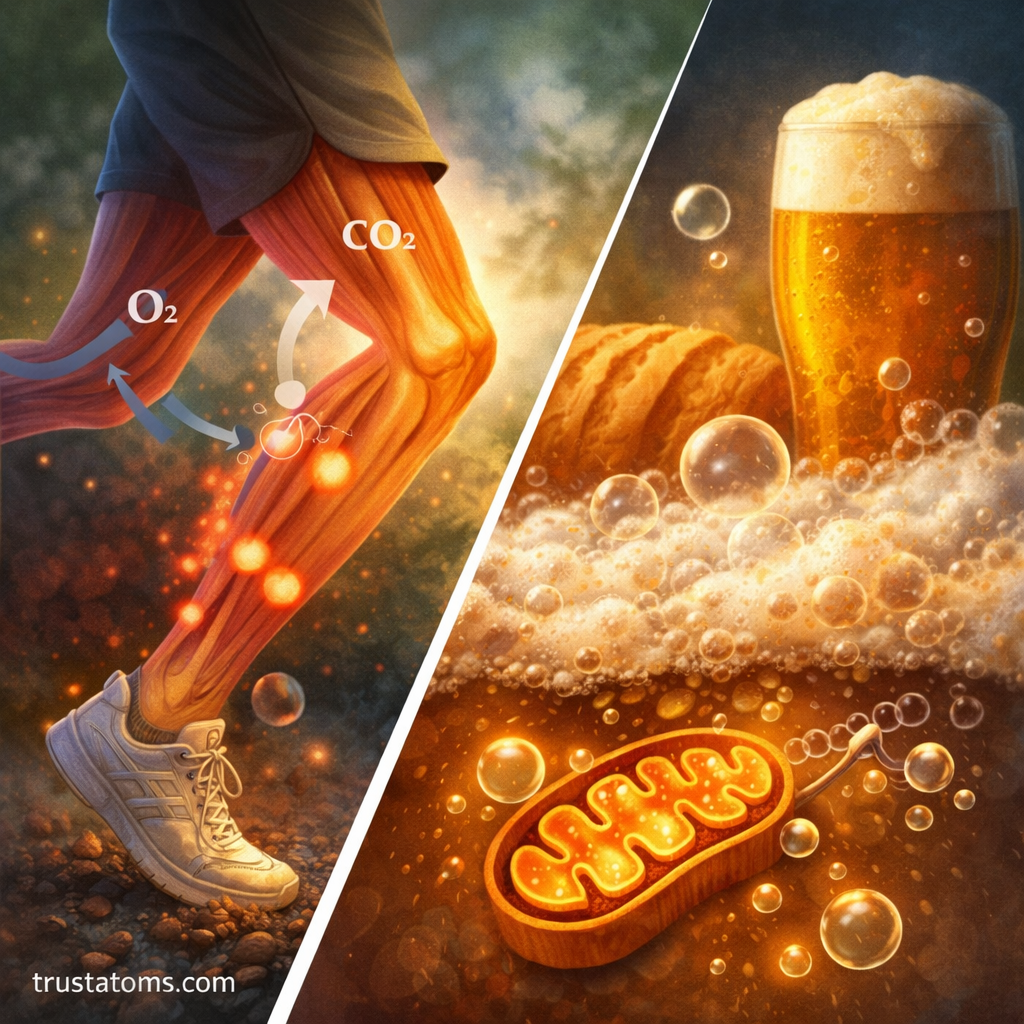
Cells can produce energy with or without oxygen.
Aerobic Respiration
Aerobic respiration requires oxygen and produces a large amount of ATP. Most organisms rely on this method because it is highly efficient.
Aerobic respiration includes all three stages of cellular respiration.
Anaerobic Respiration
Anaerobic respiration occurs when oxygen is not available.
Instead of completing the full process, cells rely only on glycolysis and fermentation.
This produces much less ATP but allows cells to generate energy temporarily.
Examples include:
- Muscle cells during intense exercise
- Yeast fermentation in baking and brewing
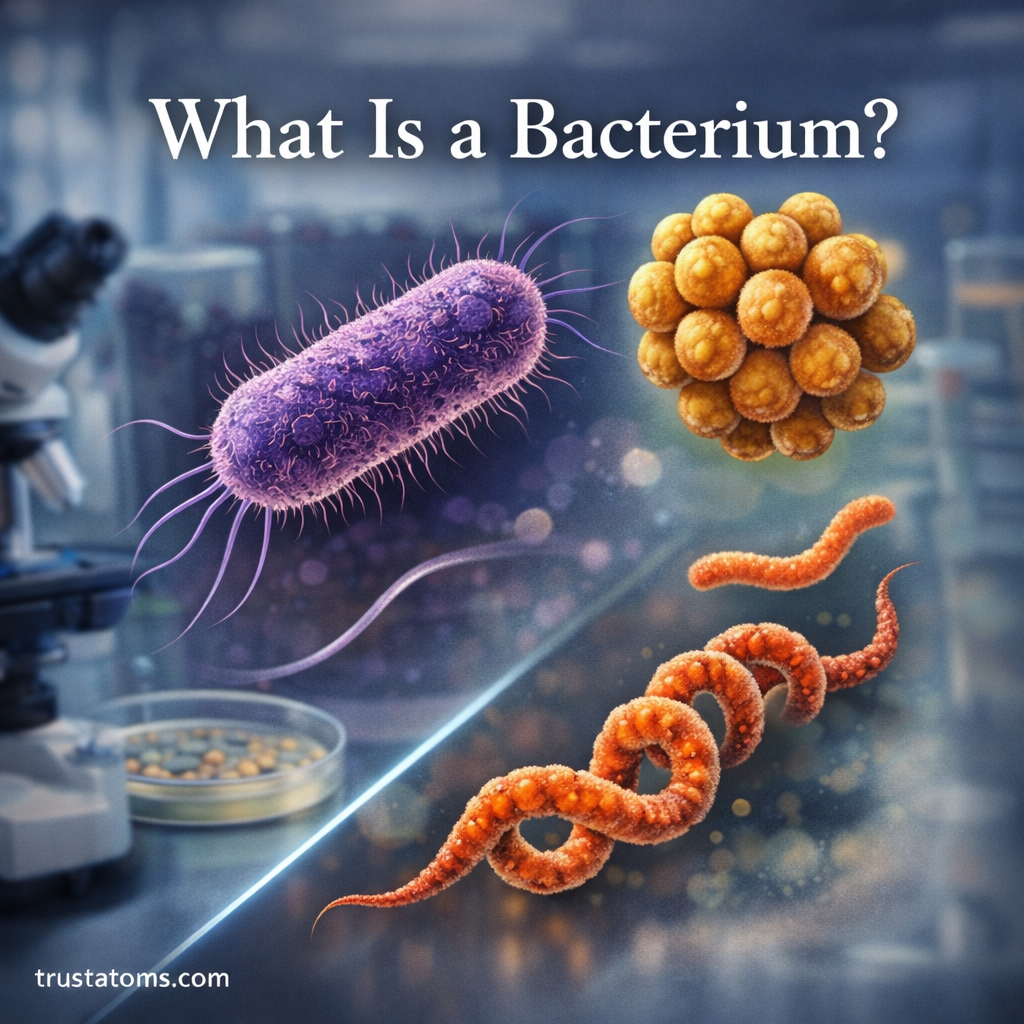
- Some bacteria living in oxygen-poor environments
Cellular Respiration in Plants vs. Animals
Both plants and animals perform cellular respiration to release energy from glucose.
However, plants have an additional ability: they can produce glucose through photosynthesis using sunlight, carbon dioxide, and water.
Animals cannot produce their own glucose, so they must obtain it through the food they eat.
Despite these differences, the cellular respiration process itself is very similar across most living organisms.
Everyday Examples of Cellular Respiration
Cellular respiration powers many everyday biological activities.
Examples include:
- Muscles contracting when you move or exercise
- Brain cells processing thoughts and signals
- Cells repairing tissues after injury
- Plants growing and producing new leaves
- Animals maintaining body temperature
Even when your body is at rest, cellular respiration continues to generate the energy needed to keep cells functioning.
Cellular Respiration and the Energy Cycle of Life
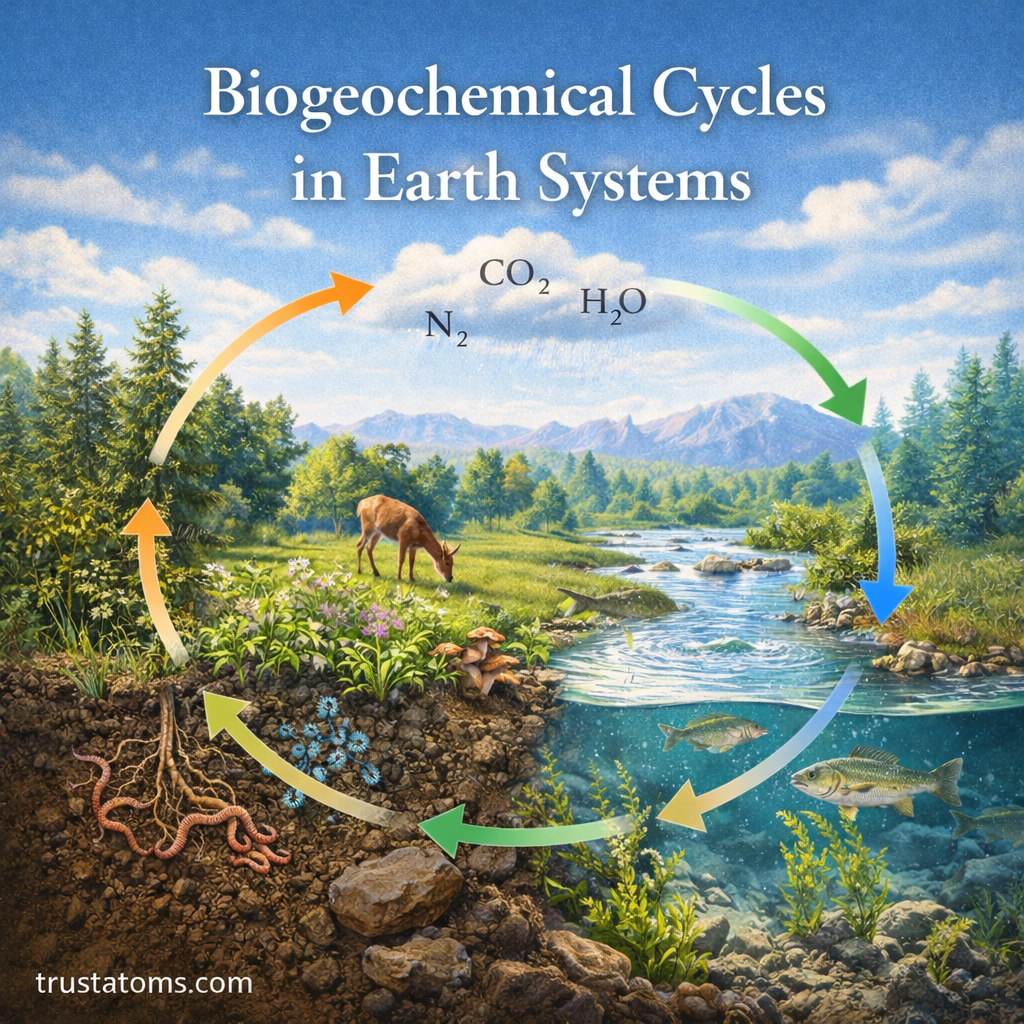
Cellular respiration plays a major role in the global energy cycle.
Plants capture energy from sunlight through photosynthesis and store it in glucose molecules. Animals then consume plants or other animals to obtain this stored energy.
Cellular respiration releases that stored energy so organisms can use it.
At the same time, carbon dioxide released during respiration returns to the atmosphere, where plants can use it again in photosynthesis.
This continuous exchange forms a vital cycle that supports life on Earth.
Final Thoughts
Cellular respiration is one of the most essential biological processes for life. It allows cells to transform the energy stored in food into ATP, the molecule that powers nearly every cellular activity.
Through a series of carefully coordinated stages—glycolysis, the Krebs cycle, and the electron transport chain—cells efficiently release and capture energy needed for survival.
From microscopic bacteria to complex organisms like humans, cellular respiration ensures that living systems have the energy required to grow, move, repair themselves, and maintain life.