Biological complexity refers to the intricate structure, organization, and interactions found within living systems. From the microscopic machinery inside cells to the vast networks that sustain ecosystems, life is built from layers of interconnected processes that work together to maintain stability, adaptability, and survival.
Understanding biological complexity helps scientists explain how living organisms function, evolve, and respond to changing environments. It also provides insight into why life can be both remarkably resilient and extraordinarily delicate.
Defining Biological Complexity
Biological complexity describes the degree of structural organization and functional interaction within a living system. Unlike simple physical systems, biological systems involve multiple levels of organization that interact simultaneously.
These systems are characterized by:
- Numerous interacting components
- Hierarchical levels of organization
- Feedback and regulatory mechanisms
- Adaptation and evolutionary change
- Emergent properties that arise from interactions
Because of these characteristics, biological complexity cannot usually be explained by studying individual parts alone. Instead, scientists must examine how components interact within the larger system.
Levels of Biological Complexity
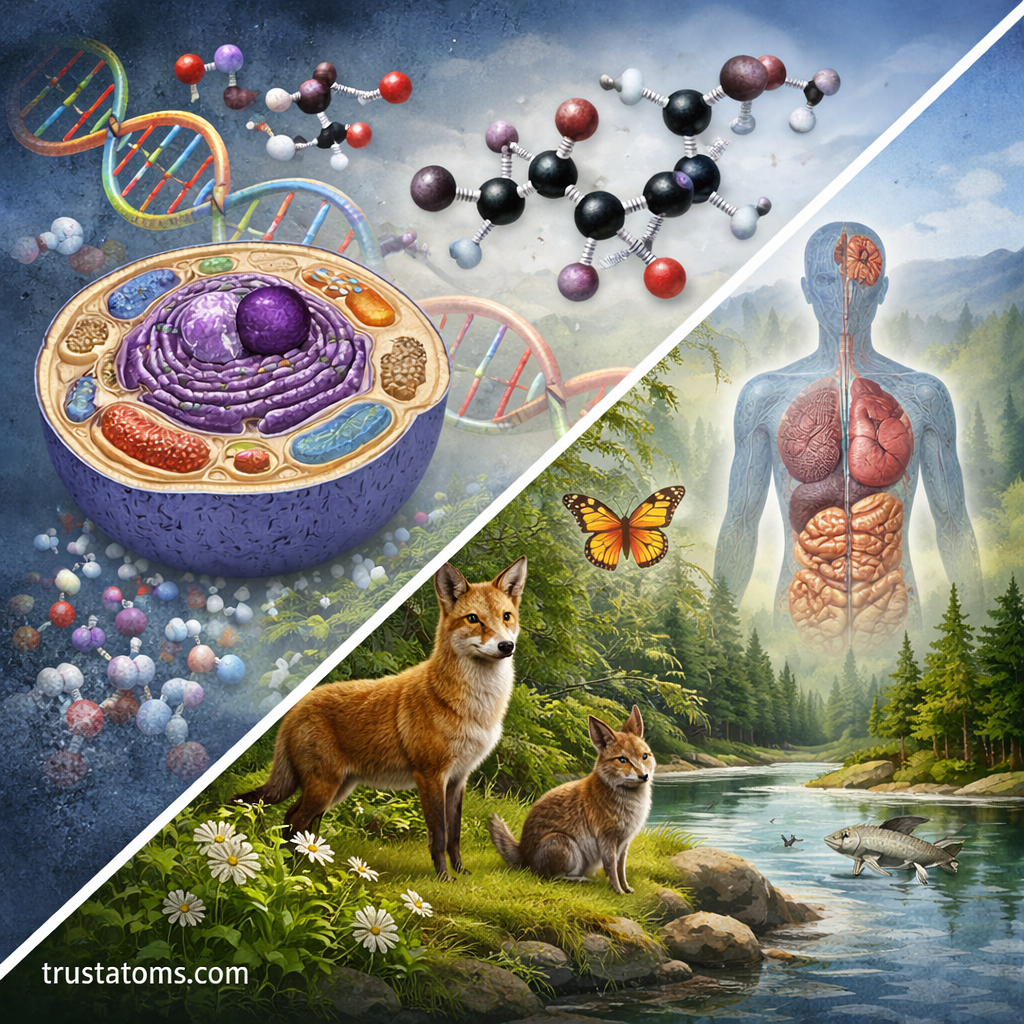
Life is organized into several hierarchical levels, each adding new layers of complexity. These levels build upon one another, forming the foundation of biological organization.
Molecular Level
At the smallest scale, biological complexity begins with molecules such as:
- DNA
- RNA
- Proteins
- Lipids
- Carbohydrates
These molecules interact through chemical reactions that drive metabolism, energy production, and genetic expression.
Cellular Level
Cells are the basic units of life. Each cell contains numerous organelles that perform specialized tasks.
Examples of cellular components include:
- Nucleus (genetic control center)
- Mitochondria (energy production)
- Ribosomes (protein synthesis)
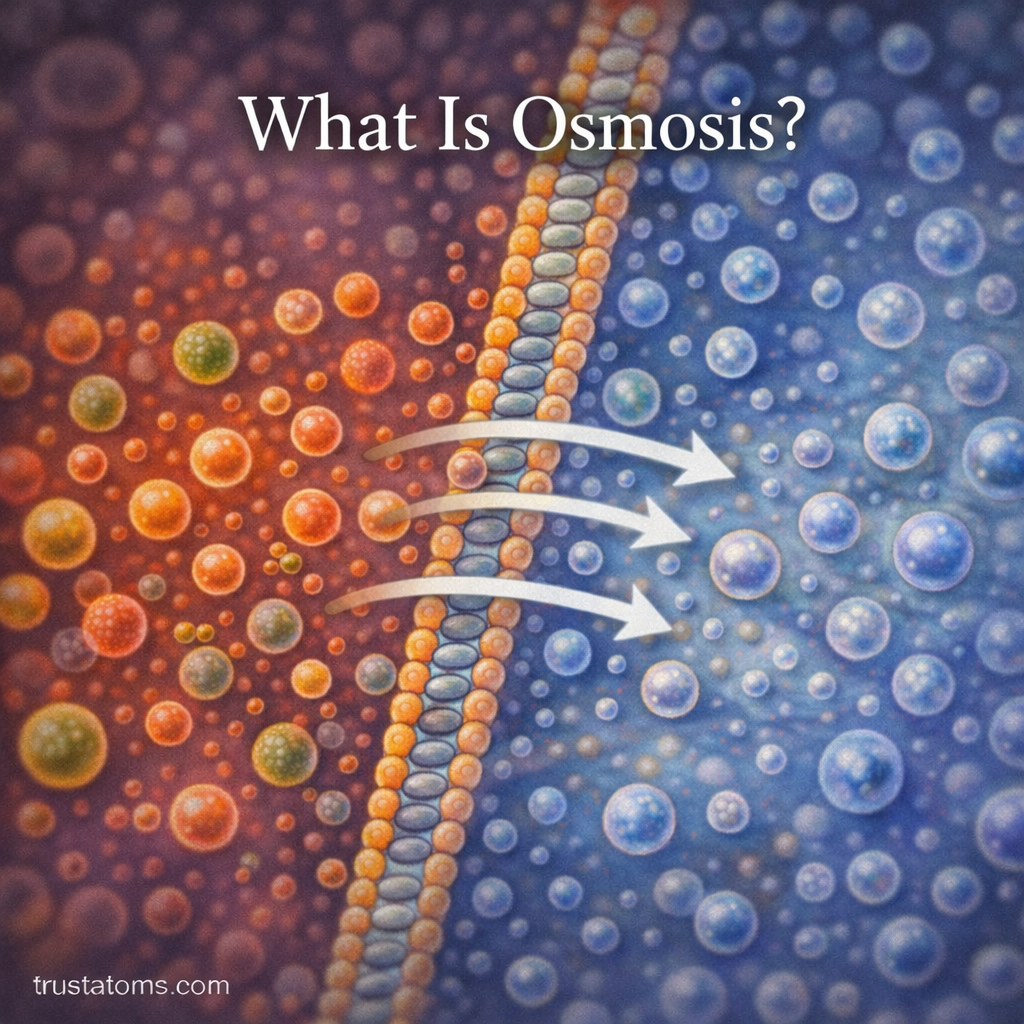
- Cell membrane (regulation of substances entering and leaving the cell)
Even single-celled organisms contain highly coordinated cellular systems.
Tissue and Organ Level
In multicellular organisms, cells organize into tissues and organs that carry out specialized functions.
Examples include:
- Muscle tissue for movement
- Nervous tissue for communication
- Organs like the heart, lungs, and brain
These systems must coordinate precisely to maintain normal body function.
Organism Level
At the organism level, multiple biological systems work together to sustain life.
Examples of interacting systems include:
- Circulatory system
- Nervous system
- Digestive system
- Respiratory system
- Immune system
The coordination of these systems allows organisms to grow, respond to stimuli, and reproduce.
Ecological Level
Biological complexity extends beyond individual organisms into ecosystems.
Ecosystems involve interactions between:
- Plants
- Animals
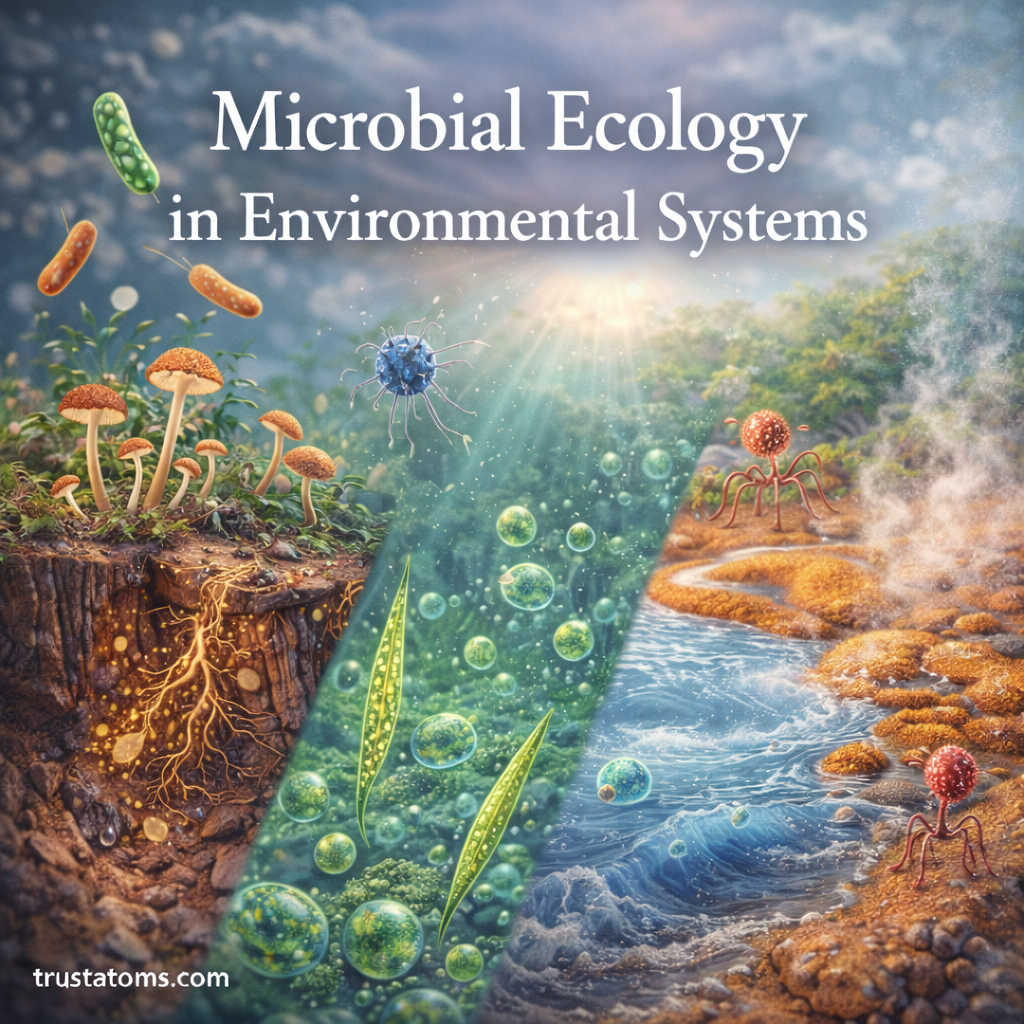
- Microorganisms
- Environmental factors such as water, climate, and soil
Food webs, nutrient cycles, and population dynamics all contribute to ecological complexity.
Key Features of Biological Complexity
Several features make biological systems uniquely complex compared to many nonliving systems.
Interconnected Systems
Components in biological systems rarely act independently. Instead, they form networks of interactions.
For example:
- Hormones regulate organs
- Genes control protein production
- Neurons communicate through electrical and chemical signals
A change in one component can affect many others.
Feedback Mechanisms
Biological systems use feedback loops to maintain stability.
Two common types include:
- Negative feedback, which stabilizes systems (such as body temperature regulation)
- Positive feedback, which amplifies responses (such as blood clotting)
These mechanisms help organisms maintain balance, also known as homeostasis.
Emergent Properties
Emergent properties are characteristics that arise from interactions among components but are not present in the individual parts themselves.
Examples include:
- Consciousness emerging from neural networks
- Metabolism arising from biochemical reactions
- Ecosystem stability emerging from species interactions
These properties demonstrate how complex behavior can arise from simpler elements.
Adaptation and Evolution
Biological complexity evolves over time through natural selection.
Genetic variation allows organisms to adapt to their environments. Over generations, beneficial traits become more common, leading to new levels of complexity in biological structures and functions.
Why Biological Complexity Matters
Studying biological complexity helps scientists understand many aspects of life and health.
Important areas influenced by biological complexity include:
- Medicine: Understanding disease mechanisms and treatment strategies
- Genetics: Mapping gene interactions and inheritance patterns
- Ecology: Protecting ecosystems and biodiversity
- Biotechnology: Designing new medical treatments and technologies
- Neuroscience: Exploring brain function and cognition
By studying how biological systems interact, researchers can better predict how organisms respond to environmental changes, diseases, and evolutionary pressures.
Biological Complexity in Modern Science
Advances in technology have greatly improved the study of complex biological systems.
Modern scientific approaches include:
Systems Biology
Systems biology examines how biological components interact within networks. Rather than studying genes or proteins individually, scientists analyze entire biological systems.
Computational Biology
Computers and mathematical models help researchers simulate biological interactions that would be difficult to study experimentally.
These tools allow scientists to:
- Analyze large biological datasets
- Model genetic networks
- Predict biological outcomes
Interdisciplinary Research
Understanding biological complexity often requires collaboration across multiple scientific fields, including:
- Biology
- Chemistry
- Physics
- Mathematics
- Computer science
This interdisciplinary approach has become essential for studying modern biological systems.
The Future of Biological Complexity Research
As scientific tools become more advanced, researchers continue uncovering deeper layers of biological complexity.
Future research may lead to breakthroughs in:
- Personalized medicine
- Artificial organs and regenerative medicine
- Synthetic biology
- Environmental conservation strategies
Understanding the complexity of life not only expands scientific knowledge but also helps address some of the most pressing challenges facing humanity.
Final Thoughts
Biological complexity reflects the remarkable organization and interconnectedness of life. From molecules inside cells to global ecosystems, living systems operate through intricate networks of interactions that allow organisms to survive, adapt, and evolve.
By studying these complex systems, scientists gain valuable insights into how life functions and how biological processes can be harnessed to improve health, technology, and environmental sustainability.