Microorganisms live in and on nearly every living organism. These communities—collectively known as the microbiome—play essential roles in digestion, immunity, metabolism, and even behavior. Rather than being static populations, microbial communities constantly change in response to diet, environment, immune activity, and host physiology.
Understanding microbiome dynamics in host systems helps scientists explain how microbes and hosts coexist, how imbalances lead to disease, and how microbial ecosystems can be restored or optimized for health.
What Is the Microbiome?
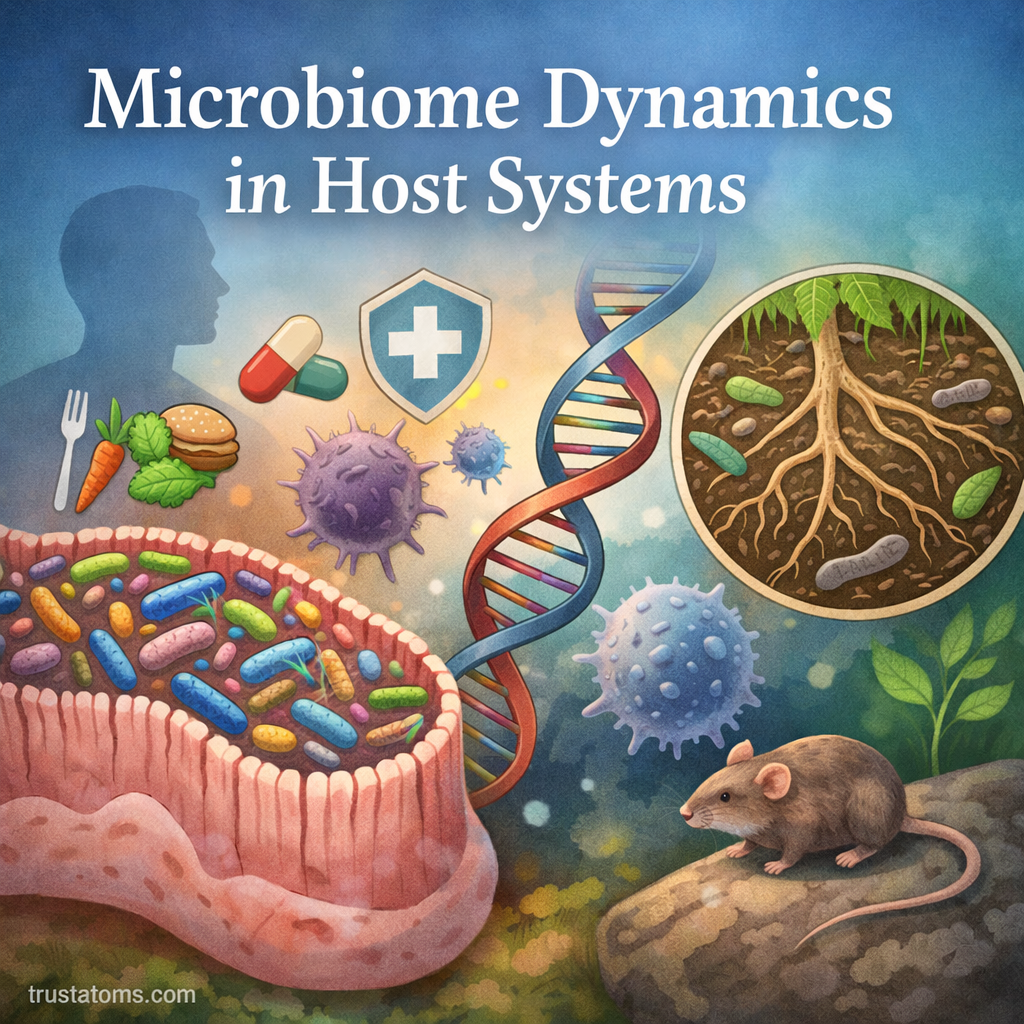
The microbiome refers to the entire community of microorganisms and their genetic material living within a specific environment. In host systems, this environment may include:
- The human gut
- Skin surfaces
- Oral cavity
- Respiratory tract
- Plant roots
- Animal digestive systems
These communities include multiple types of microorganisms:
- Bacteria
- Archaea
- Viruses
- Fungi
- Protozoa
Each species contributes to the overall functional ecosystem of the host environment.
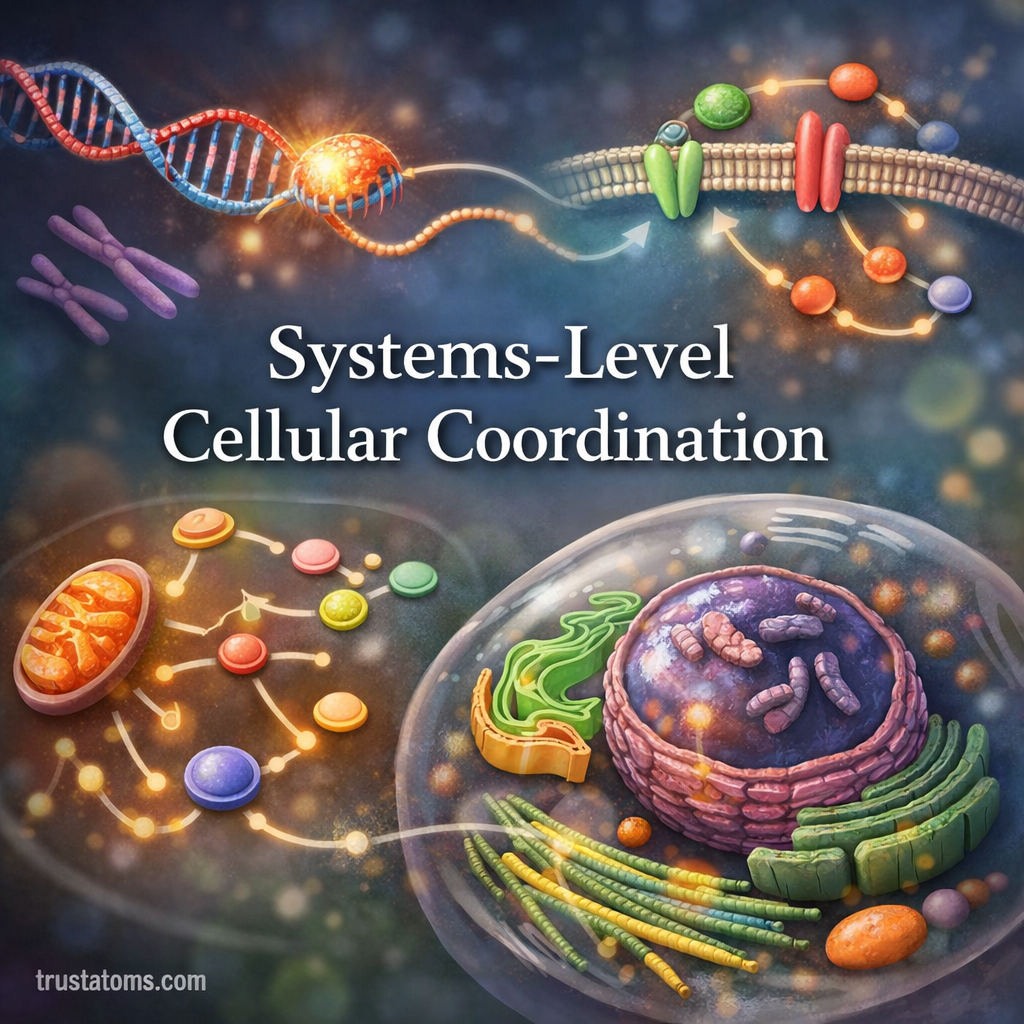
Microbial genomes within these communities interact with host genetic systems, which are stored in cellular structures such as chromosomes within the nucleus.
The Concept of Microbiome Dynamics
Microbiome dynamics refers to how microbial communities change over time.
These changes occur because microorganisms:
- Reproduce rapidly
- Compete for resources
- Respond to host signals
- Adapt to environmental shifts
Dynamic processes include:
- Colonization
- Competition
- Cooperation
- Succession
- Disturbance and recovery
Because microbial populations can shift within hours or days, the microbiome behaves more like a living ecosystem than a fixed population.
Microbiome Colonization in Host Systems
Microbiome formation begins early in life.
In humans, colonization typically starts:
- During birth
- Through contact with caregivers
- Through diet (such as breast milk)
- From environmental exposure
Different factors influence the initial microbial population:
Birth Method
- Vaginal birth: microbes from the mother’s birth canal dominate
- Cesarean birth: microbes from skin and hospital environments dominate
Early Diet
Infant feeding strongly shapes microbial diversity.
- Breast milk promotes beneficial bacteria
- Formula feeding produces different microbial patterns
Environmental Exposure
Exposure to animals, soil, and outdoor environments increases microbial diversity.
Over time, microbial communities stabilize but remain adaptable.
Major Factors Influencing Microbiome Dynamics
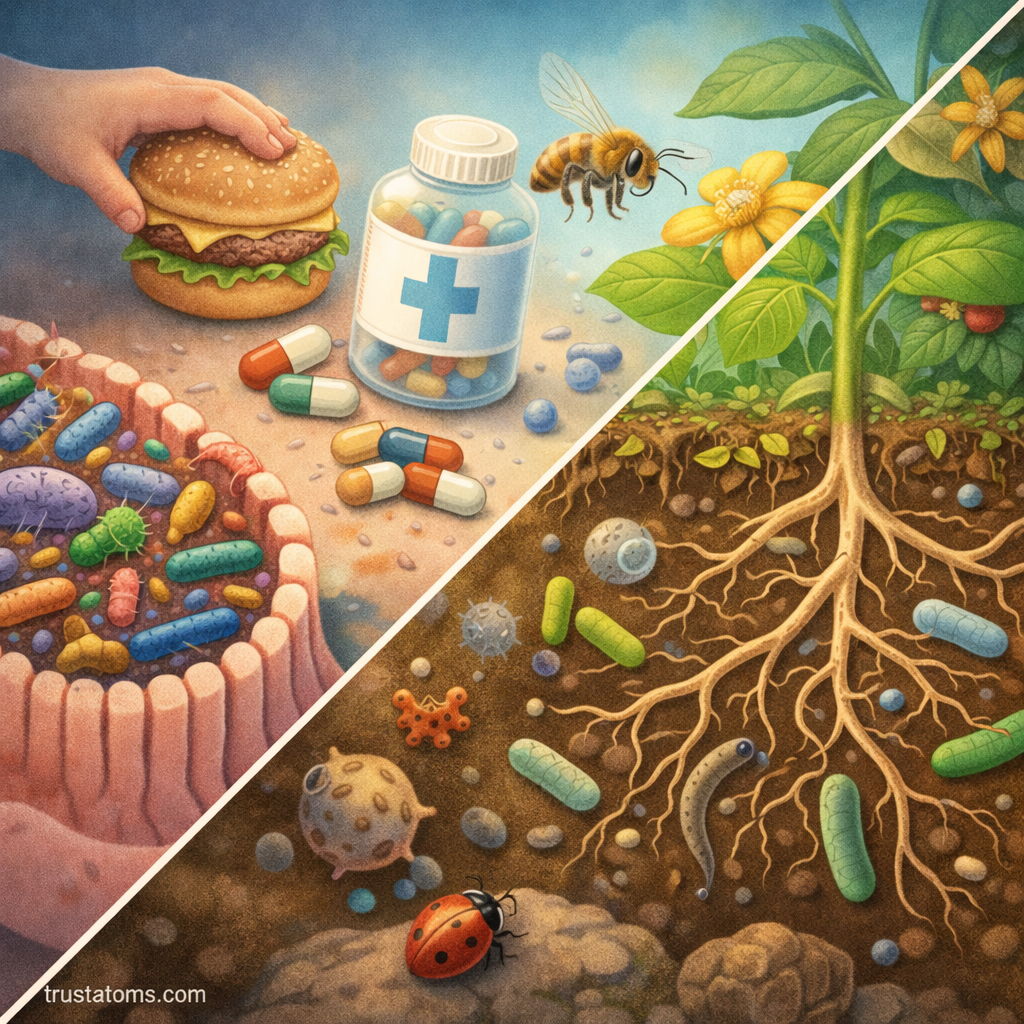
Several forces continuously reshape microbiome composition.
Diet
Diet is one of the strongest drivers of microbial change.
Examples include:
- High fiber diets promoting fermenting bacteria
- High fat diets shifting metabolic species
- Fermented foods introducing beneficial microbes
Dietary changes can alter microbiome composition within 24–48 hours.
Host Immune System
The immune system regulates microbial populations by:
- Detecting harmful microbes
- Supporting beneficial species
- Preventing microbial overgrowth
Host immune molecules help maintain microbial balance, also called homeostasis.
Environmental Conditions
Environmental factors can also influence microbial communities.
These include:
- Temperature
- Oxygen levels
- pH
- Nutrient availability
For example, the gut contains mostly anaerobic bacteria, which thrive in low-oxygen environments.
Antibiotics and Medications
Antibiotics can drastically alter microbiomes.
Effects include:
- Reduced microbial diversity
- Loss of beneficial bacteria
- Temporary or permanent ecosystem disruption
Other medications that influence microbiomes include:
- Proton pump inhibitors
- Anti-inflammatory drugs
- Chemotherapy treatments
Recovery of microbial communities after disturbance may take weeks to months.
Microbial Interactions Within the Microbiome
Microorganisms interact with one another in complex ways.
Competition
Microbes compete for:
- Nutrients
- Space
- Chemical resources
Some species produce antimicrobial compounds to suppress competitors.
Cooperation
Certain microbial species cooperate through metabolic cross-feeding.
Examples include:
- One species producing nutrients another species consumes
- Microbes sharing metabolic byproducts
This cooperation can stabilize microbial ecosystems.
Biofilm Formation
Many microbes form biofilms, structured communities attached to surfaces.
Biofilms:
- Protect microbes from environmental stress
- Increase microbial survival
- Allow communication through chemical signals
Biofilms occur on:
- Teeth (dental plaque)
- Gut lining
- Skin surfaces
Host–Microbiome Communication
Hosts and microbes communicate through chemical signaling pathways.
Microbes produce molecules that influence host systems, including:
- Short-chain fatty acids
- Neuroactive compounds
- Immune-modulating molecules
These signals can affect:
- Immune responses
- Metabolism
- Hormone regulation
- Brain activity
This interaction is sometimes called the host–microbiome axis.
One well-known example is the gut–brain axis, where gut microbes influence mood and neurological function.
Microbiome Stability and Resilience
A healthy microbiome typically shows two key properties:
Stability
Stable microbial communities maintain consistent composition despite minor disturbances.
Examples include:
- Daily diet fluctuations
- Small environmental changes
Resilience
Resilience refers to the ability of the microbiome to recover after disruption.
Examples of disruptions include:
- Antibiotic treatment
- Severe illness
- Major dietary shifts
A resilient microbiome can return to its original structure after disturbance.
Dysbiosis: When Microbiome Balance Is Disrupted
When microbial communities become imbalanced, the condition is known as dysbiosis.
Dysbiosis has been associated with several conditions, including:
- Inflammatory bowel disease
- Obesity
- Allergies
- Diabetes
- Skin disorders
- Autoimmune conditions
Causes of dysbiosis may include:
- Poor diet
- Chronic stress
- Overuse of antibiotics
- Infection
- Environmental toxins
Restoring microbial balance is a growing area of research.
Methods for Studying Microbiome Dynamics
Scientists use several technologies to analyze microbial ecosystems.
DNA Sequencing
Metagenomic sequencing allows researchers to identify microbes by analyzing their genetic material.
This technique can:
- Detect thousands of microbial species
- Analyze microbial diversity
- Identify metabolic functions
Microbial Culturing
Some microbes can be grown in laboratory environments to study their behavior.
However, many microbial species are difficult to culture, making genetic methods more common.
Computational Modeling
Scientists also use computational models to simulate microbiome dynamics.
These models help researchers understand:
- Microbial competition
- Ecosystem stability
- Population changes over time
Microbiome Applications in Medicine and Science
Research on microbiome dynamics is expanding rapidly.
Major applications include:
Probiotics and Prebiotics
- Probiotics: beneficial live microbes
- Prebiotics: nutrients that support beneficial microbes
Both aim to improve microbial balance.
Fecal Microbiota Transplantation (FMT)
FMT involves transferring microbiota from a healthy donor to a patient.
This therapy has shown success in treating:
- Severe intestinal infections
- Certain inflammatory conditions
Personalized Nutrition
Scientists are exploring how individualized diets based on microbiome profiles may improve health outcomes.
The Future of Microbiome Research
Microbiome science is still developing, but researchers are uncovering increasingly complex relationships between hosts and microbial ecosystems.
Future research aims to better understand:
- Microbial ecosystem stability
- Host–microbe genetic interactions
- Microbiome-driven therapies
- Microbial influences on behavior and cognition
As technologies improve, scientists may eventually manipulate microbial ecosystems with precision to support human, animal, and environmental health.
Final Thoughts
Microbiome dynamics reveal that host organisms are deeply interconnected with the microbial ecosystems that live within them. Rather than existing as isolated individuals, hosts function as complex biological partnerships with billions of microorganisms.
By studying how these communities form, change, and interact with host systems, scientists are gaining new insights into health, disease, and the fundamental biology of life.