Vaccination is one of the most effective tools in modern biology and medicine for preventing infectious diseases. By training the immune system to recognize harmful pathogens before a real infection occurs, vaccines help the body respond quickly and effectively if exposure happens later.
Instead of waiting for illness to occur, vaccination prepares the immune system in advance. This approach has helped control or eliminate many dangerous diseases that once caused widespread illness and death.
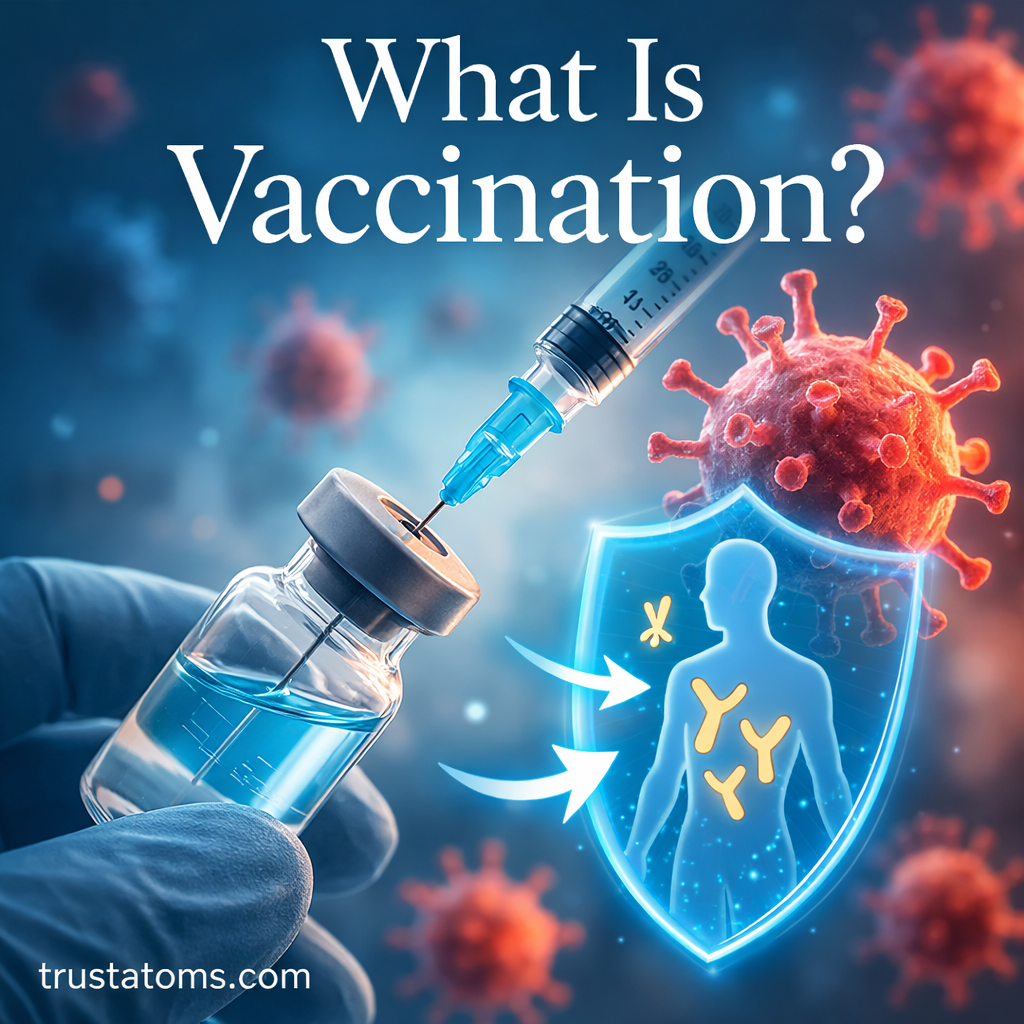
What Is Vaccination?
Vaccination is the process of administering a vaccine to stimulate the immune system to recognize and fight specific pathogens such as viruses or bacteria.
A vaccine contains components that mimic a disease-causing organism but do not cause the disease itself. These components allow the immune system to safely learn how to defend the body.
Once vaccinated, the body develops immune memory. If the real pathogen enters the body in the future, the immune system can respond much faster and prevent serious illness.
Vaccination is therefore a form of preventive medicine, protecting individuals before they become sick.
How the Immune System Responds to Vaccination

The immune system is designed to detect and destroy foreign invaders such as viruses, bacteria, and parasites. Vaccination works by activating this natural defense system.
When a vaccine is introduced into the body, several steps occur:
- Recognition of the antigen
The immune system identifies foreign molecules in the vaccine called antigens. - Immune cell activation
Specialized immune cells begin producing defensive molecules. - Antibody production
The body produces antibodies that can recognize and neutralize the pathogen. - Memory cell formation
Long-lasting immune memory cells are created to remember the pathogen.
If the real pathogen enters the body later, the immune system already knows how to fight it.
What Is in a Vaccine?
Vaccines contain carefully selected components designed to safely stimulate the immune system. These may include:
- Weakened (attenuated) pathogens
- Inactivated pathogens
- Specific proteins from the pathogen
- Genetic instructions that help cells produce harmless antigen proteins
- Adjuvants that strengthen immune response
These ingredients allow the immune system to practice defending the body without causing the actual disease.
Types of Vaccines
Scientists have developed several types of vaccines using different biological strategies.
Live Attenuated Vaccines
These vaccines contain a weakened form of the pathogen that cannot cause illness in healthy individuals.
Examples include vaccines for measles and chickenpox.
Inactivated Vaccines
Inactivated vaccines contain pathogens that have been killed so they cannot reproduce.
They still trigger an immune response but cannot cause infection.
Subunit or Protein Vaccines
These vaccines use only specific parts of the pathogen, such as proteins on its surface.
This approach reduces the risk of side effects while still teaching the immune system how to recognize the pathogen.
mRNA Vaccines
mRNA vaccines provide genetic instructions that allow cells to briefly produce a harmless piece of the pathogen. The immune system then responds to this protein.
This technology was widely used during the COVID-19 pandemic.
Why Vaccination Is Important
Vaccination benefits both individuals and entire populations.
Key advantages include:
- Preventing serious infectious diseases
- Reducing hospitalizations and deaths
- Protecting vulnerable populations
- Lowering healthcare costs
- Helping eliminate or control outbreaks
Vaccines have helped control diseases such as polio, measles, and smallpox.
Herd Immunity and Community Protection
When a large portion of a population is vaccinated, it becomes difficult for a disease to spread.
This concept is called herd immunity.
Herd immunity protects people who cannot receive vaccines, including:
- Infants
- Elderly individuals
- People with weakened immune systems
- Individuals with certain medical conditions
By limiting the spread of infection, vaccination helps protect entire communities.
The History of Vaccination
The concept of vaccination dates back more than 200 years.
One of the earliest breakthroughs occurred in 1796 when physician Edward Jenner discovered that exposure to cowpox could protect people from smallpox.
Since then, vaccine science has expanded dramatically with advances in microbiology, immunology, and biotechnology.
Vaccination campaigns have achieved major public health milestones, including:
- Eradication of smallpox
- Dramatic reduction of polio worldwide
- Control of diseases such as diphtheria and tetanus
These achievements demonstrate the long-term impact of vaccination on human health.
Are Vaccines Safe?
Vaccines undergo extensive scientific testing before approval.
Safety evaluation includes:
- Laboratory research
- Clinical trials with human participants
- Regulatory review
- Ongoing monitoring after approval
While mild side effects such as soreness or fatigue can occur, serious complications are extremely rare.
The benefits of vaccination generally far outweigh the risks.
Vaccination and Future Disease Prevention
Scientists continue developing new vaccines to combat emerging diseases.
Current areas of research include vaccines for:
- Cancer
- HIV
- Malaria
- Universal influenza protection
Advances in genetic technology, biotechnology, and immunology are making it possible to design faster and more precise vaccines than ever before.
Final Thoughts
Vaccination is a powerful biological strategy that trains the immune system to defend against dangerous pathogens before infection occurs. By creating immune memory, vaccines allow the body to respond rapidly to disease threats.
This preventive approach has transformed global health by reducing the spread of infectious diseases and protecting both individuals and communities.
As scientific research continues to advance, vaccination will remain one of the most important tools for safeguarding human health.