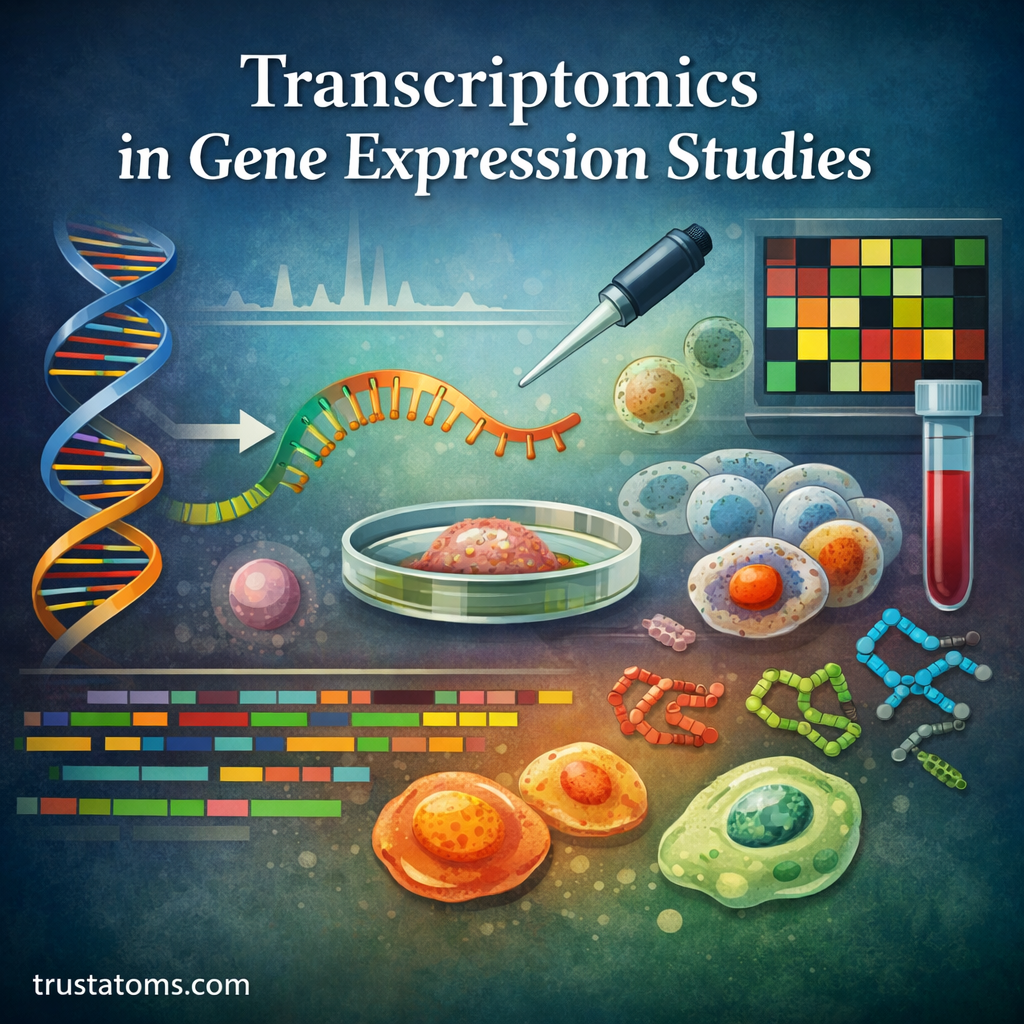
Transcriptomics is a powerful field within modern biology that focuses on studying RNA transcripts produced by the genome. By examining the complete set of RNA molecules in a cell or organism at a given time, scientists can understand how genes are actively expressed and regulated.
Unlike genomic studies, which analyze the full DNA sequence, transcriptomics reveals which genes are actually turned on or off under specific conditions. This makes transcriptomics essential for understanding biological processes such as development, disease progression, environmental adaptation, and cellular responses.
In this article, we explore what transcriptomics is, how it works, and why it plays such an important role in gene expression research.
What Is Transcriptomics?
Transcriptomics is the study of the transcriptome, the full collection of RNA molecules produced from DNA through transcription.
The transcriptome includes:
- Messenger RNA (mRNA)
- Ribosomal RNA (rRNA)
- Transfer RNA (tRNA)
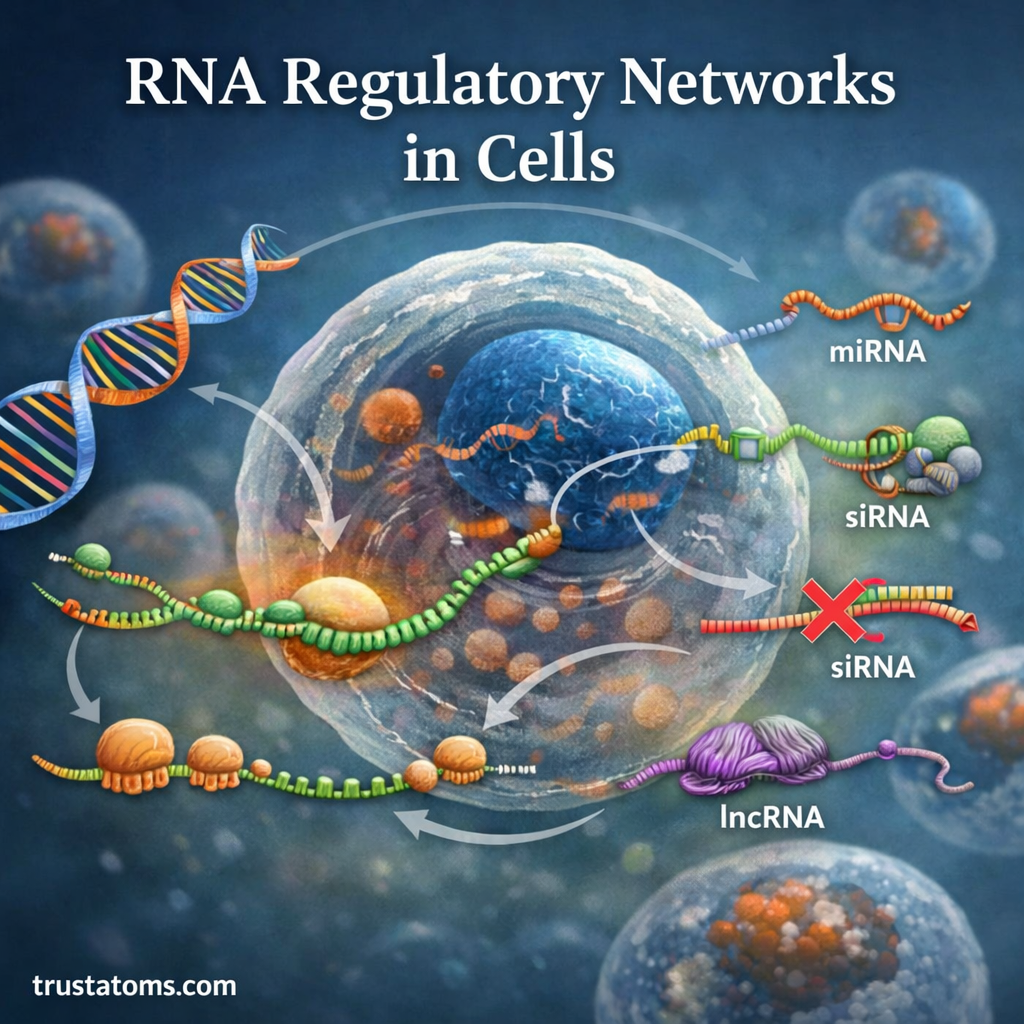
- Non-coding RNAs (ncRNA)
- MicroRNAs (miRNA)
Because RNA reflects active gene expression, transcriptomics allows scientists to see how cells respond to different biological conditions.
For example, researchers can compare the transcriptome of:
- Healthy vs diseased tissue
- Treated vs untreated cells
- Different developmental stages
- Different environmental conditions
This comparison helps identify which genes are being activated, suppressed, or altered.
How Gene Expression Works
To understand transcriptomics, it helps to review the central concept of gene expression.
Gene expression occurs through two main steps:
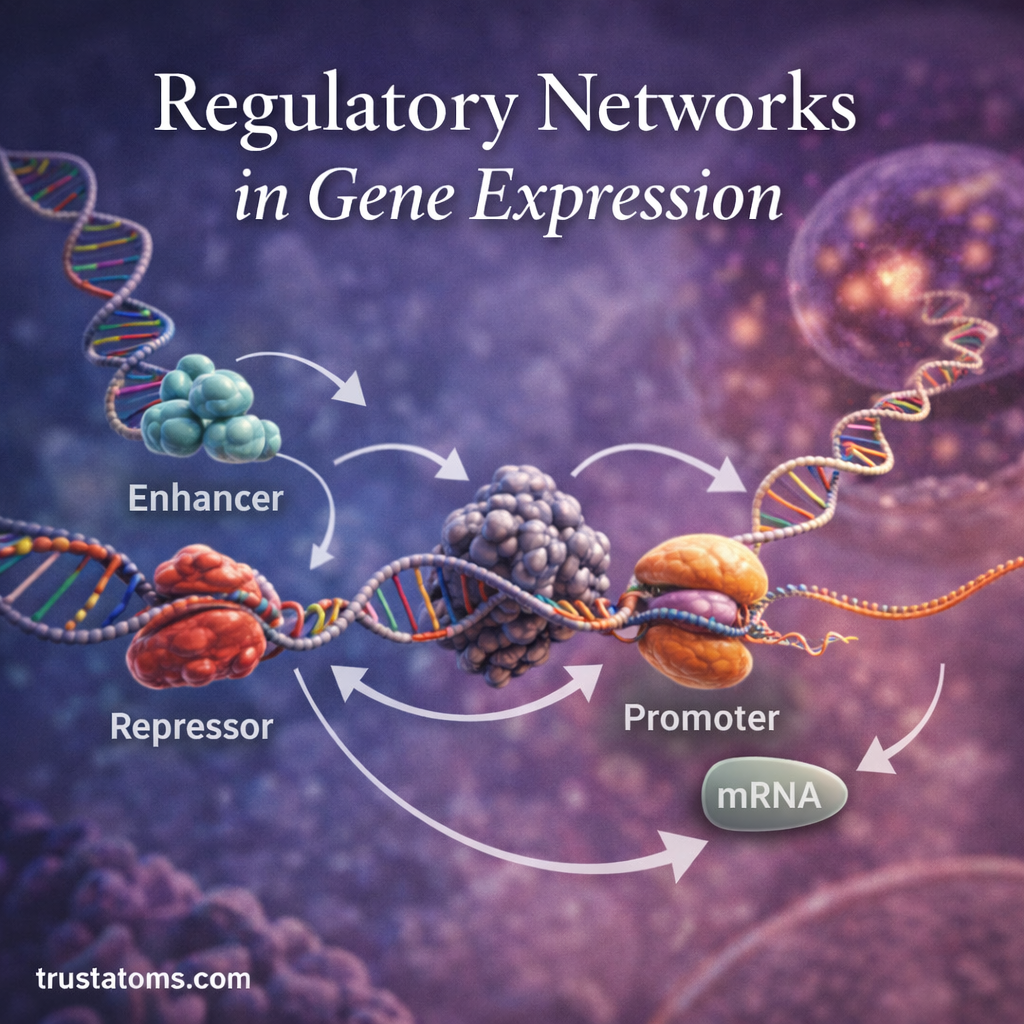
- Transcription – DNA is copied into RNA.
- Translation – RNA is used to build proteins.
Transcriptomics focuses on the transcription stage, where RNA molecules are produced from DNA templates.
The amount of RNA produced from each gene indicates:
- How active the gene is
- Whether the gene is responding to internal or external signals
- How cells regulate biological processes
By measuring RNA levels, researchers gain insight into how genes function in real time.
Why Transcriptomics Is Important
Transcriptomics provides a dynamic view of cellular activity that static DNA sequencing cannot offer.
Key reasons transcriptomics is valuable include:
Understanding Cellular Function
Different cell types express different sets of genes. Transcriptomics helps identify the gene expression patterns that define specific cells.
Examples include:
- Neurons in the brain
- Immune cells in the bloodstream
- Muscle cells in skeletal tissue
Each cell type has a unique transcriptomic signature.
Disease Research
Many diseases involve changes in gene expression. Transcriptomic analysis helps scientists detect these changes.
Applications include studying:
- Cancer gene activity
- Immune responses to infection
- Neurological disorders
- Metabolic diseases
These insights help researchers discover biomarkers and therapeutic targets.
Drug Development
Pharmaceutical research often uses transcriptomics to evaluate how drugs influence gene expression.
Researchers can measure:
- Which genes respond to a treatment
- Whether unwanted pathways are activated
- How cells adapt to therapy
This improves drug design and safety testing.
Evolutionary Biology
Comparing transcriptomes across species reveals how gene regulation evolves.
Scientists can study:
- Conserved gene expression patterns
- Adaptive changes in regulatory pathways
- Species-specific biological traits
Major Technologies Used in Transcriptomics
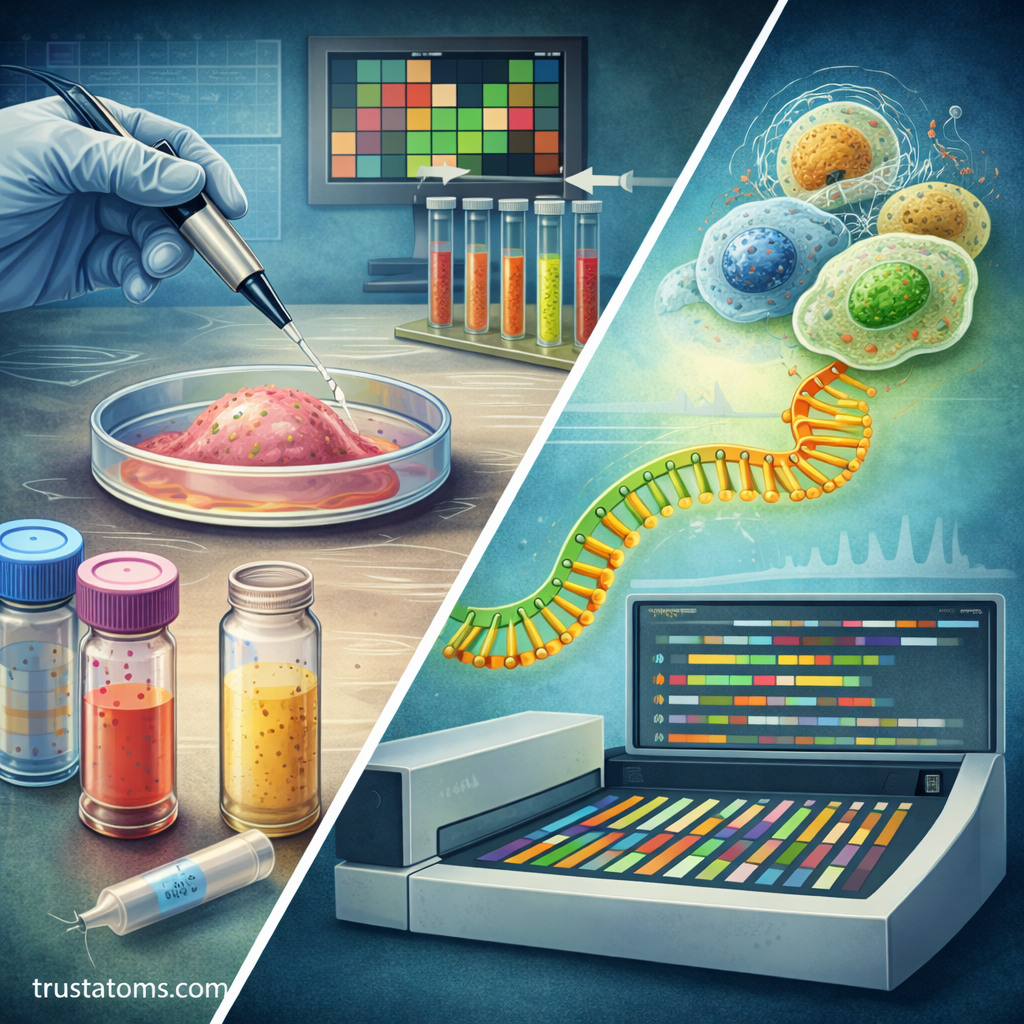
Modern transcriptomics relies on several powerful laboratory techniques.
RNA Sequencing (RNA-Seq)
RNA sequencing is the most widely used transcriptomic method today.
Steps typically include:
- Extract RNA from cells or tissue.
- Convert RNA into complementary DNA (cDNA).
- Sequence the cDNA using high-throughput sequencing machines.
- Use bioinformatics tools to analyze gene expression levels.
RNA-Seq allows researchers to detect:
- Known transcripts
- Novel RNA molecules
- Alternative splicing events
- Gene expression differences
It provides extremely detailed transcriptome data.
Microarrays
Before RNA-Seq became widespread, microarrays were commonly used.
Microarrays measure gene expression by:
- Hybridizing RNA samples to thousands of known DNA probes
- Measuring signal intensity for each gene
While still useful in some applications, microarrays have limitations because they rely on known gene sequences.
Single-Cell Transcriptomics
Single-cell technologies allow researchers to examine gene expression in individual cells rather than entire tissues.
This helps reveal:
- Cell-to-cell variability
- Rare cell populations
- Developmental pathways
- Cellular differentiation
Single-cell transcriptomics is transforming fields such as immunology and developmental biology.
Key Applications of Transcriptomics
Transcriptomic analysis is widely used across many biological disciplines.
Cancer Research
Tumor cells often display abnormal gene expression patterns.
Transcriptomics helps researchers:
- Identify cancer subtypes
- Predict disease progression
- Discover treatment targets
Many modern cancer therapies rely on transcriptomic data.
Infectious Disease Studies
When pathogens infect cells, gene expression patterns change rapidly.
Transcriptomics can reveal:
- Host immune responses
- Viral or bacterial gene activity
- Pathogen-host interactions
This information supports vaccine development and treatment strategies.
Developmental Biology
During development, cells gradually specialize into different tissues.
Transcriptomics tracks these changes by observing how gene expression evolves over time.
Researchers use this approach to understand:
- Embryonic development
- Stem cell differentiation
- Tissue regeneration
Environmental Biology
Organisms often adjust gene expression in response to environmental stress.
Transcriptomic studies examine responses to:
- Temperature changes
- Pollutants
- Nutrient availability
- Drought or salinity
These insights are important for ecology and climate research.
Challenges in Transcriptomic Research
Despite its power, transcriptomics presents several challenges.
Data Complexity
Transcriptomic datasets are extremely large and require advanced computational analysis.
Researchers must interpret:
- Millions of sequencing reads
- Thousands of genes
- Complex expression networks
Bioinformatics tools are essential for managing this information.
RNA Instability
RNA molecules degrade more easily than DNA, making sample handling critical.
Poor sample quality can affect results and reduce accuracy.
Biological Variability
Gene expression can vary due to:
- Individual differences
- Environmental factors
- Experimental conditions
Careful experimental design is needed to ensure reliable conclusions.
Future Directions in Transcriptomics
Transcriptomics continues to evolve with advances in technology and computational biology.
Emerging developments include:
- Spatial transcriptomics, which maps gene expression within tissue locations
- Multi-omics integration, combining transcriptomics with genomics, proteomics, and metabolomics
- AI-driven gene expression analysis
- Improved single-cell sequencing techniques
These innovations are helping scientists build more detailed models of how genes regulate biological systems.
Final Thoughts
Transcriptomics has revolutionized how scientists study gene expression. By examining RNA molecules produced by cells, researchers gain insight into how genes function in real biological contexts.
From cancer research to developmental biology and environmental science, transcriptomics provides a powerful lens for understanding cellular activity and genetic regulation.
As sequencing technologies and computational tools continue to improve, transcriptomic studies will play an even larger role in uncovering the complex mechanisms that drive life at the molecular level.