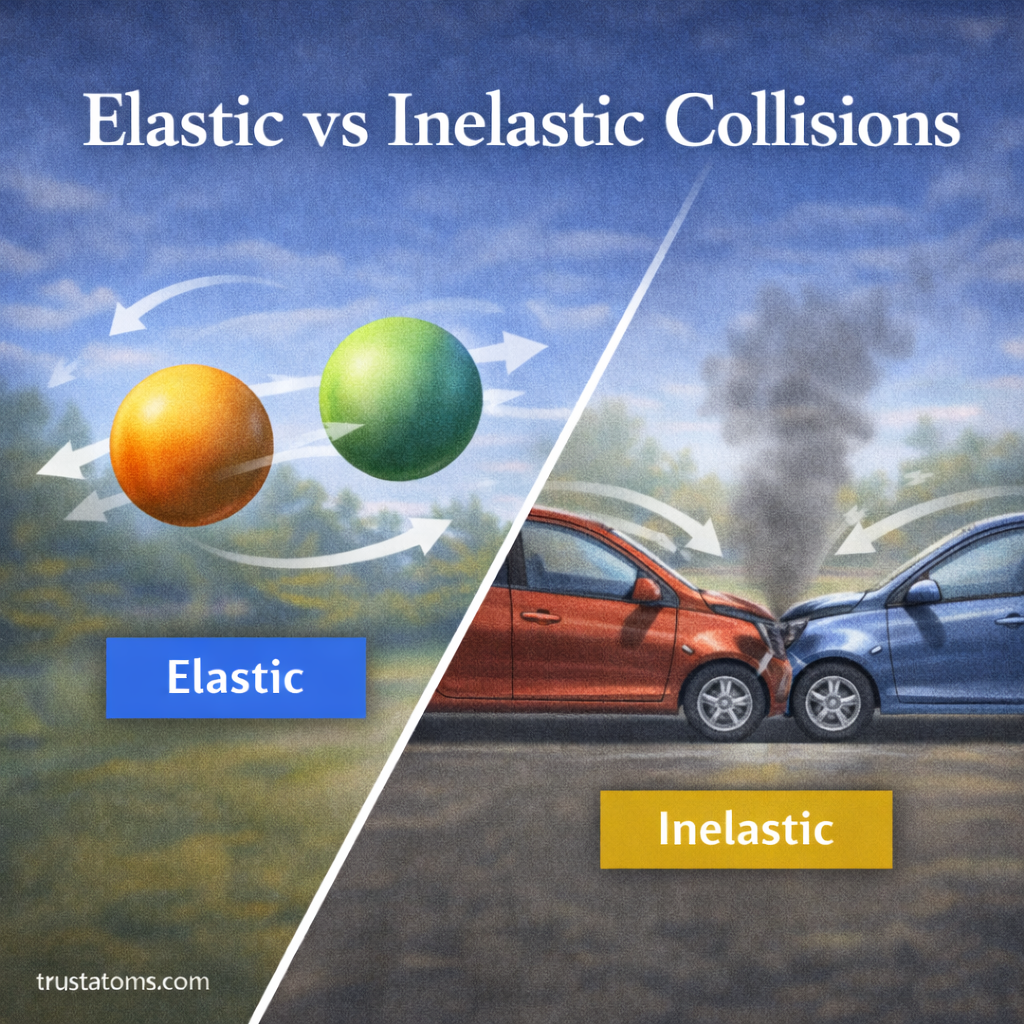
Collisions are a fundamental part of physics and occur whenever two objects come into contact and exert forces on each other. From bouncing balls to car crashes and atomic particle interactions, collisions help scientists understand how energy and motion behave.
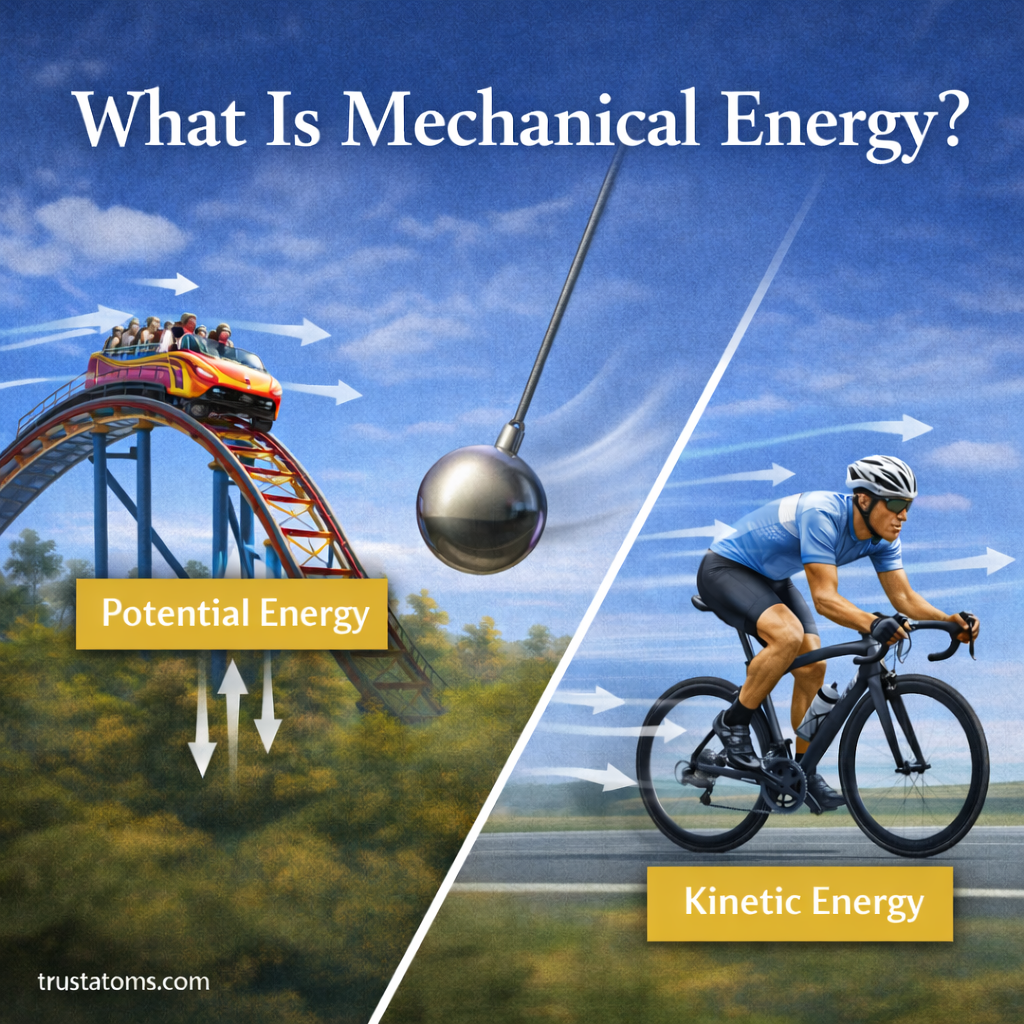
Two major types of collisions studied in physics are elastic collisions and inelastic collisions. The key difference between them lies in how kinetic energy behaves during the interaction.
Understanding the distinction between elastic and inelastic collisions helps explain many everyday phenomena and plays an important role in fields such as engineering, transportation safety, and particle physics.
Continue reading “Elastic vs Inelastic Collisions”