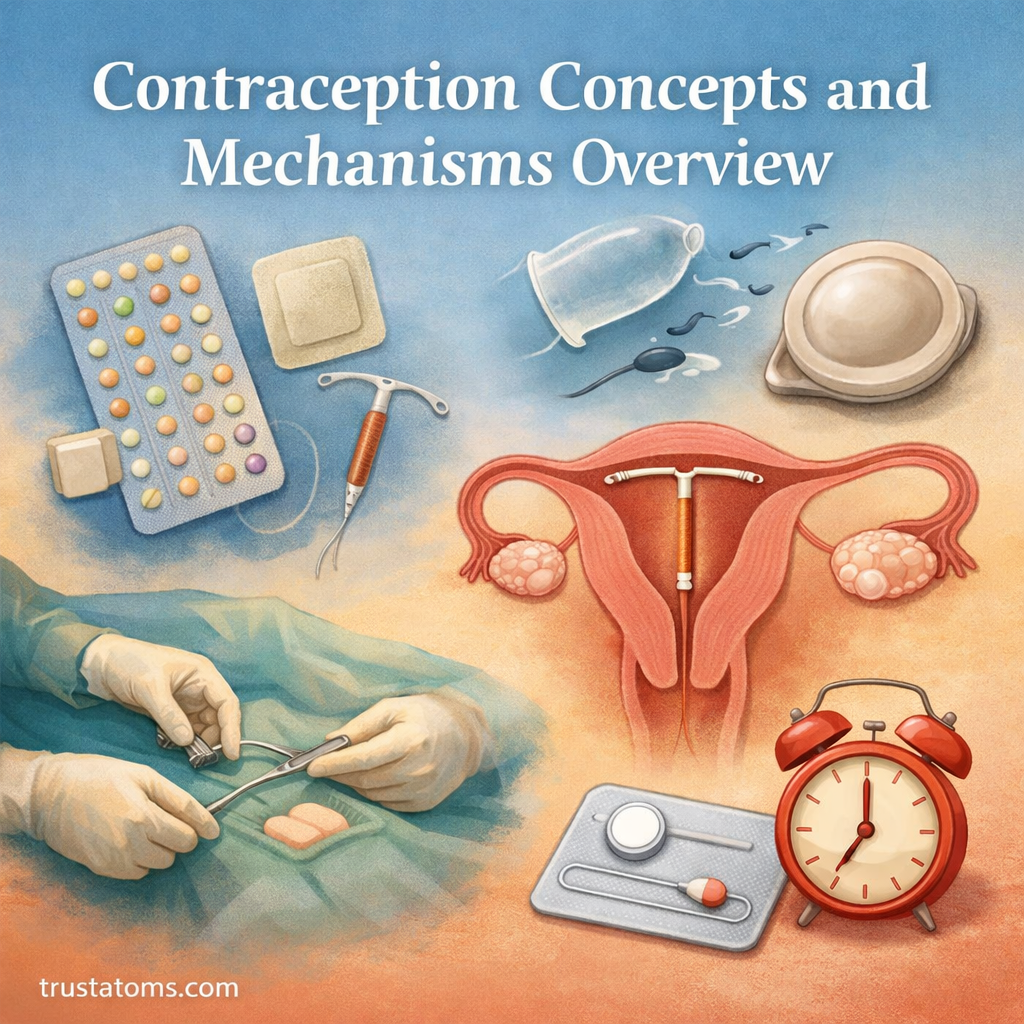
Contraception refers to methods used to prevent pregnancy by interfering with the natural processes of reproduction. Understanding how different contraceptive methods work helps individuals make informed decisions based on effectiveness, convenience, and health considerations.
This guide explains the core concepts behind contraception and breaks down the biological mechanisms each method uses.
What Is Contraception?
Contraception is the deliberate prevention of pregnancy during or after sexual activity. It works by targeting one or more stages of the reproductive process:
- Ovulation (release of an egg)
- Fertilization (sperm meeting egg)
- Implantation (fertilized egg attaching to the uterus)
Different methods interrupt these stages in different ways.
Key Stages of Reproduction
To understand contraception, it helps to know the basic steps involved in pregnancy:
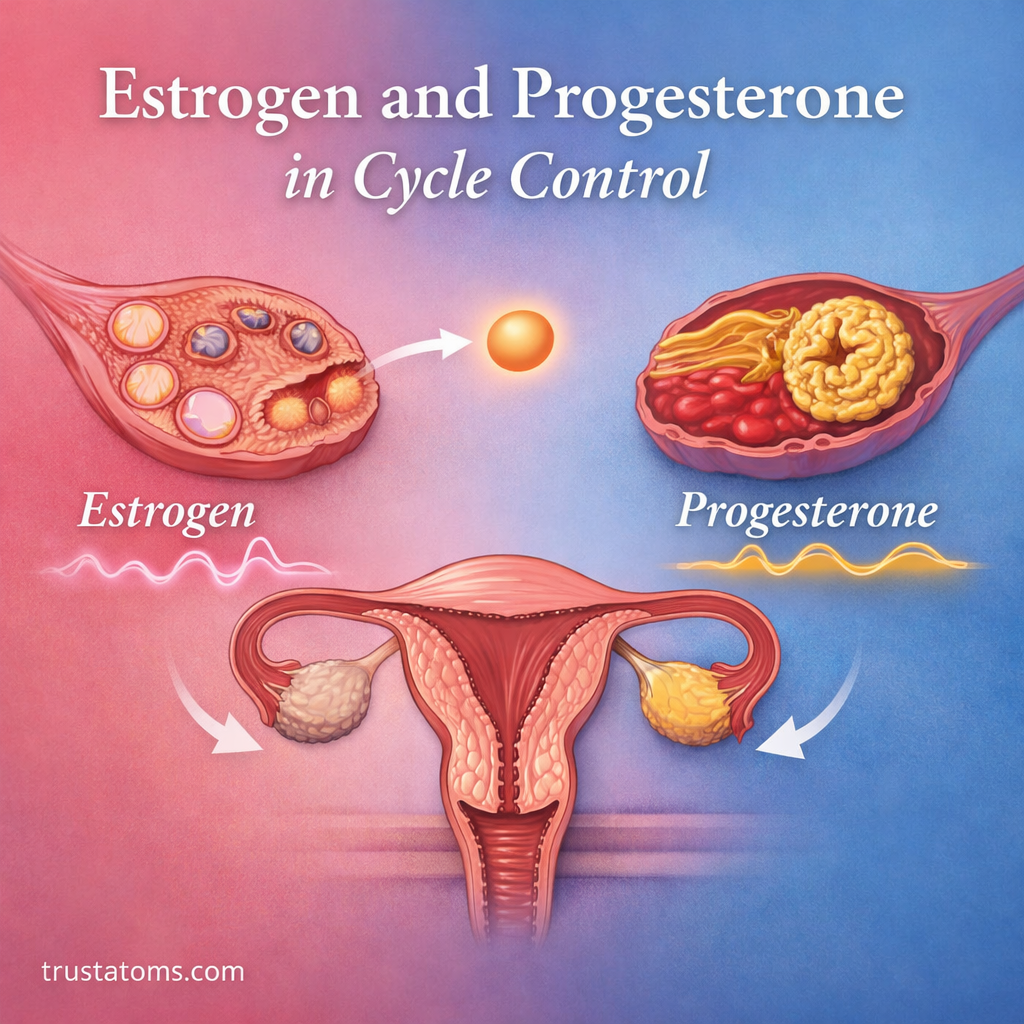
- Ovulation – The ovary releases an egg
- Sperm transport – Sperm travel through the reproductive tract
- Fertilization – Sperm fertilizes the egg
- Implantation – Fertilized egg attaches to the uterine lining
Contraceptive methods are designed to block one or more of these steps.
Main Categories of Contraception
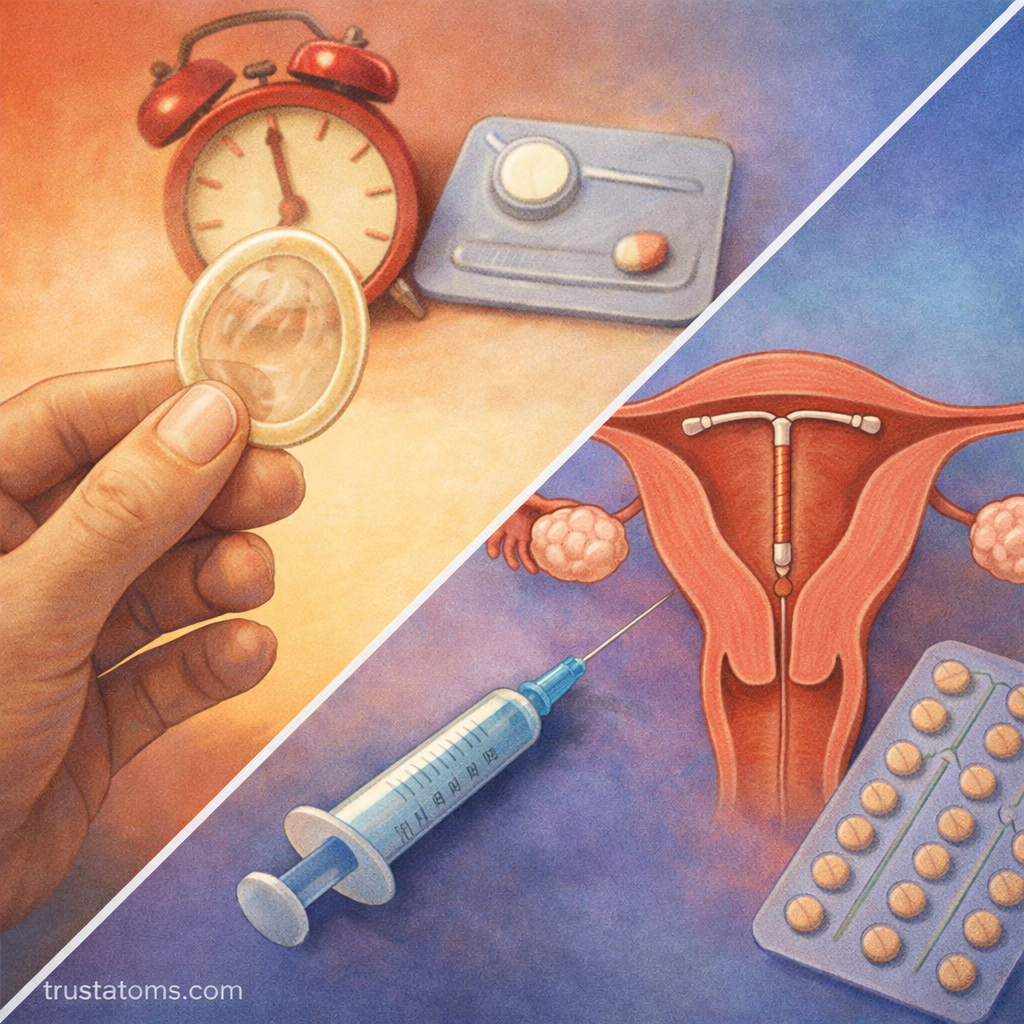
1. Hormonal Methods
Hormonal contraceptives use synthetic versions of natural hormones (estrogen and/or progestin) to regulate the reproductive cycle.
How They Work
- Prevent ovulation (no egg released)
- Thicken cervical mucus (blocks sperm)
- Thin the uterine lining (reduces implantation chances)
Examples
- Birth control pills
- Hormonal patches
- Vaginal rings
- Hormonal injections
- Hormonal IUDs
Key Insight
Hormonal methods primarily stop ovulation, making fertilization impossible.
2. Barrier Methods
Barrier methods physically block sperm from reaching the egg.
How They Work
- Create a physical barrier at the cervix or within the vagina
- Prevent sperm from entering the uterus
Examples
- Male condoms
- Female condoms
- Diaphragms
- Cervical caps
Key Insight
Barrier methods act immediately and do not affect hormones.
3. Intrauterine Devices (IUDs)
IUDs are small devices inserted into the uterus for long-term contraception.
Types and Mechanisms
Hormonal IUDs
- Release progestin
- Thicken cervical mucus
- May suppress ovulation
Copper IUDs
- Release copper ions toxic to sperm
- Prevent sperm movement and fertilization
Key Insight
Copper IUDs create a hostile environment for sperm without hormones.
4. Emergency Contraception
Used after unprotected intercourse to prevent pregnancy.
How It Works
- Delays or prevents ovulation
- May interfere with fertilization
Examples
- Emergency contraceptive pills
- Copper IUD (if inserted shortly after)
Key Insight
Emergency contraception is most effective when used as soon as possible.
5. Permanent Methods (Sterilization)
These are long-term or irreversible procedures.
How They Work
- Block or cut reproductive pathways
Examples
- Tubal ligation (blocks fallopian tubes)
- Vasectomy (blocks sperm transport)
Key Insight
Sterilization prevents sperm and egg from ever meeting.
Effectiveness of Contraceptive Methods
Effectiveness varies based on method and usage:
Highly Effective (Over 99%)
- IUDs
- Implants
- Sterilization
Moderately Effective (91–99%)
- Birth control pills
- Patches
- Rings
Less Effective (Below 91%)
- Condoms (typical use)
- Withdrawal method
- Fertility awareness methods
Factors to Consider When Choosing a Method
Choosing the right contraceptive depends on multiple factors:
- Health conditions
- Lifestyle and consistency
- Desire for future pregnancy
- Protection against sexually transmitted infections (STIs)
- Convenience and accessibility
Common Misconceptions
“All contraception works the same way”
Different methods target different stages of reproduction.
“Hormonal contraception always stops ovulation”
Some methods may primarily rely on mucus changes rather than full ovulation suppression.
“Natural methods are ineffective”
When used correctly, fertility awareness methods can be effective, though they require strict tracking.
Final Thoughts
Contraception is a fundamental aspect of reproductive health, offering individuals control over if and when pregnancy occurs. Each method works by interrupting specific biological processes, from preventing ovulation to blocking sperm or altering the uterine environment.
Understanding these mechanisms allows for smarter, more personalized choices—whether for short-term planning or long-term reproductive goals.