Mountains are some of the most striking features on Earth’s surface, formed over millions of years through powerful geological forces. The process of mountain formation is known as orogeny, and it is closely tied to plate tectonics, crustal movement, and Earth’s internal energy.
Understanding how mountains form helps explain earthquakes, volcanic activity, and the long-term evolution of continents.
What Is Mountain Building (Orogeny)?
Orogeny refers to the processes that create mountain ranges, typically through the interaction of tectonic plates.
These processes involve:
- Compression of Earth’s crust
- Folding and faulting of rock layers
- Uplift of land over time
Mountain building is not a single event but a long-term process that can take tens of millions of years.
The Role of Plate Tectonics
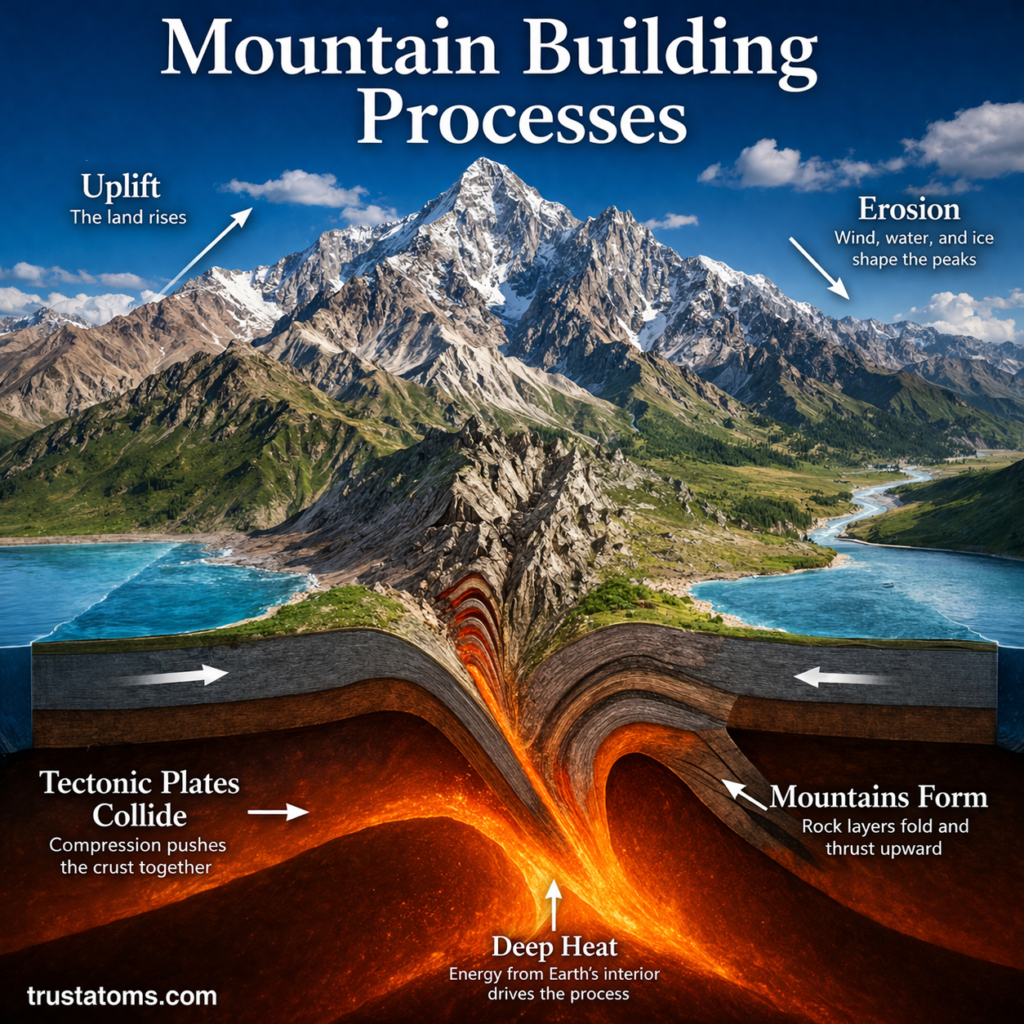
Most mountain formation is driven by the movement of tectonic plates. Earth’s lithosphere is divided into large plates that move slowly over the mantle.
Types of Plate Boundaries Involved
- Convergent boundaries (plates collide)
- Divergent boundaries (plates move apart)
- Transform boundaries (plates slide past each other)
Among these, convergent boundaries are the most important for mountain building.
Types of Mountain Building Processes
There are several major ways mountains form, depending on how tectonic plates interact.
Fold Mountains
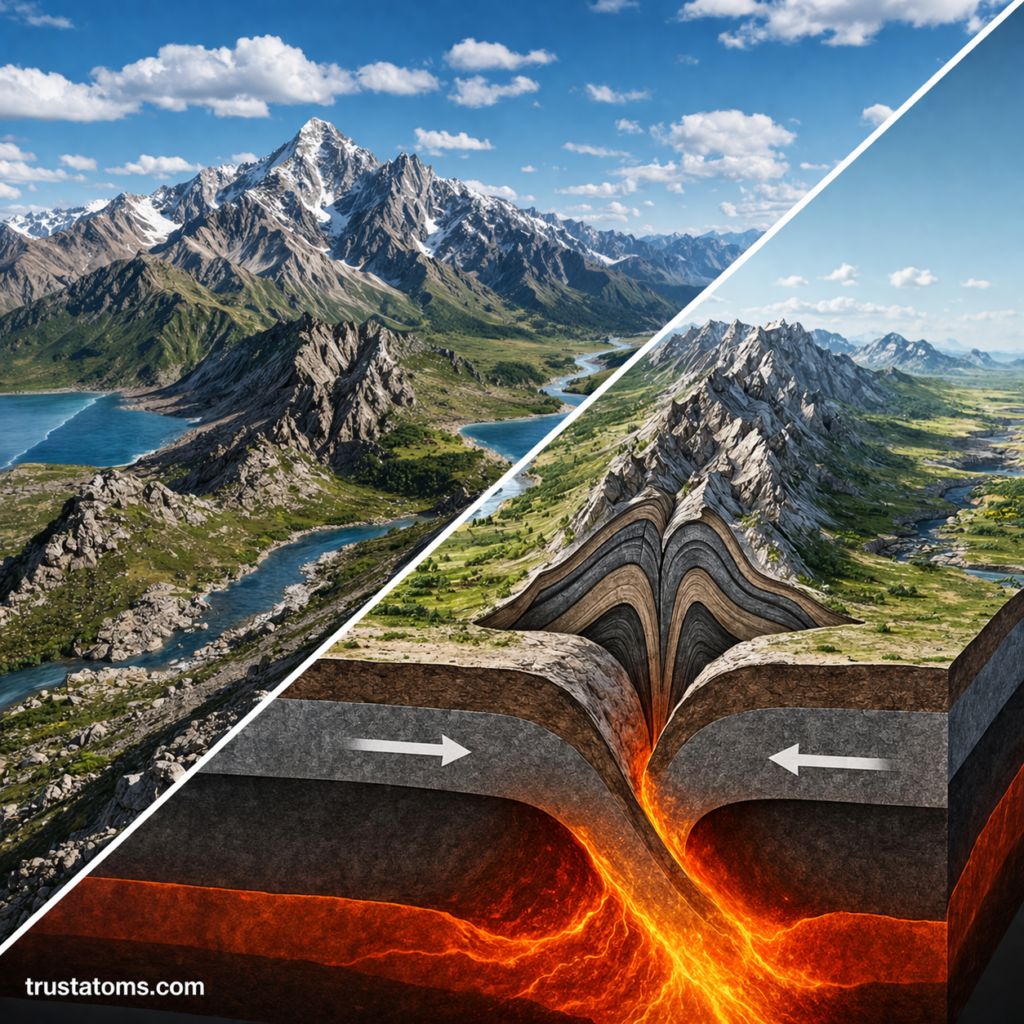
Fold mountains are the most common type and form when two tectonic plates collide.
How They Form
- Layers of rock are compressed
- Rocks bend and fold instead of breaking
- Large पर्वत chains are pushed upward
Key Features
- Long, linear ranges
- Complex folding patterns
- Often associated with earthquakes
Examples
- The Himalayas
- The Andes
- The Alps
Fold mountains continue to grow as long as tectonic forces remain active.
Fault-Block Mountains
Fault-block mountains form when large sections of Earth’s crust are broken and displaced along faults.
How They Form
- Tension forces stretch the crust
- Blocks of crust move up or down along faults
- Uplifted blocks form mountains
Key Features
- Steep slopes
- Flat tops in some cases
- Visible fault lines
Examples
- The Sierra Nevada
- The Basin and Range region
Volcanic Mountains
Volcanic mountains form from the accumulation of lava and volcanic material.
How They Form
- Magma rises from beneath Earth’s crust
- Lava erupts and cools
- Layers build up over time
Key Features
- Cone-shaped structures
- Central vent or crater
- Associated with volcanic activity
Examples
- Mount Fuji
- Mount St. Helens
- Mauna Loa
Dome Mountains
Dome mountains form when magma pushes upward beneath the crust but does not erupt.
How They Form
- Magma rises and bulges the crust upward
- The surface lifts into a dome shape
- Erosion exposes inner rock layers
Key Features
- Rounded appearance
- Exposed inner rock
- Less dramatic than fold mountains
Examples
- Black Hills (USA)
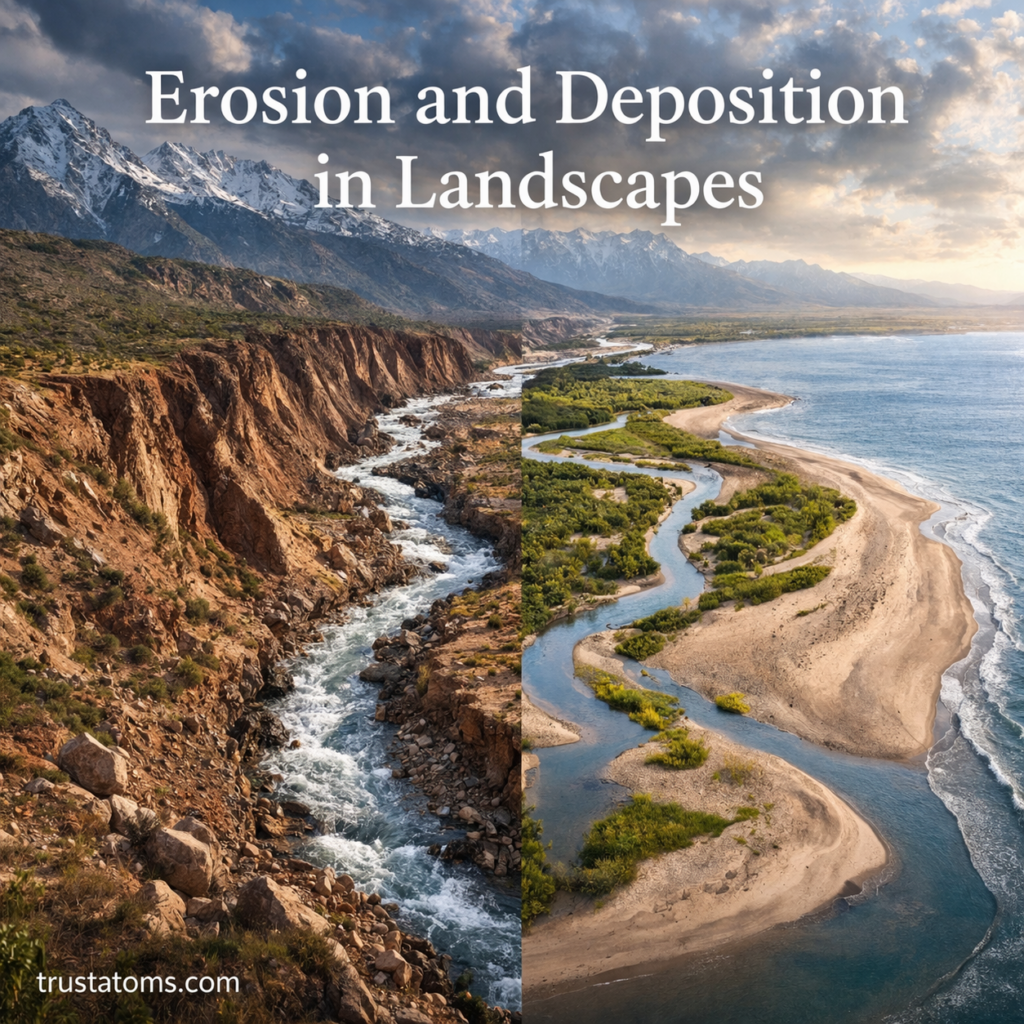
The Role of Uplift and Erosion
Mountain building is not just about uplift—erosion also plays a critical role.
Uplift
- Driven by tectonic forces
- Raises land to form mountains
Erosion
- Wind, water, and ice wear down mountains
- Shapes peaks and valleys
- Exposes deeper rock layers
These two processes often occur simultaneously, balancing mountain growth and reduction.
Mountain Building and Earthquakes
Mountain formation is closely linked to seismic activity.
Why Earthquakes Occur
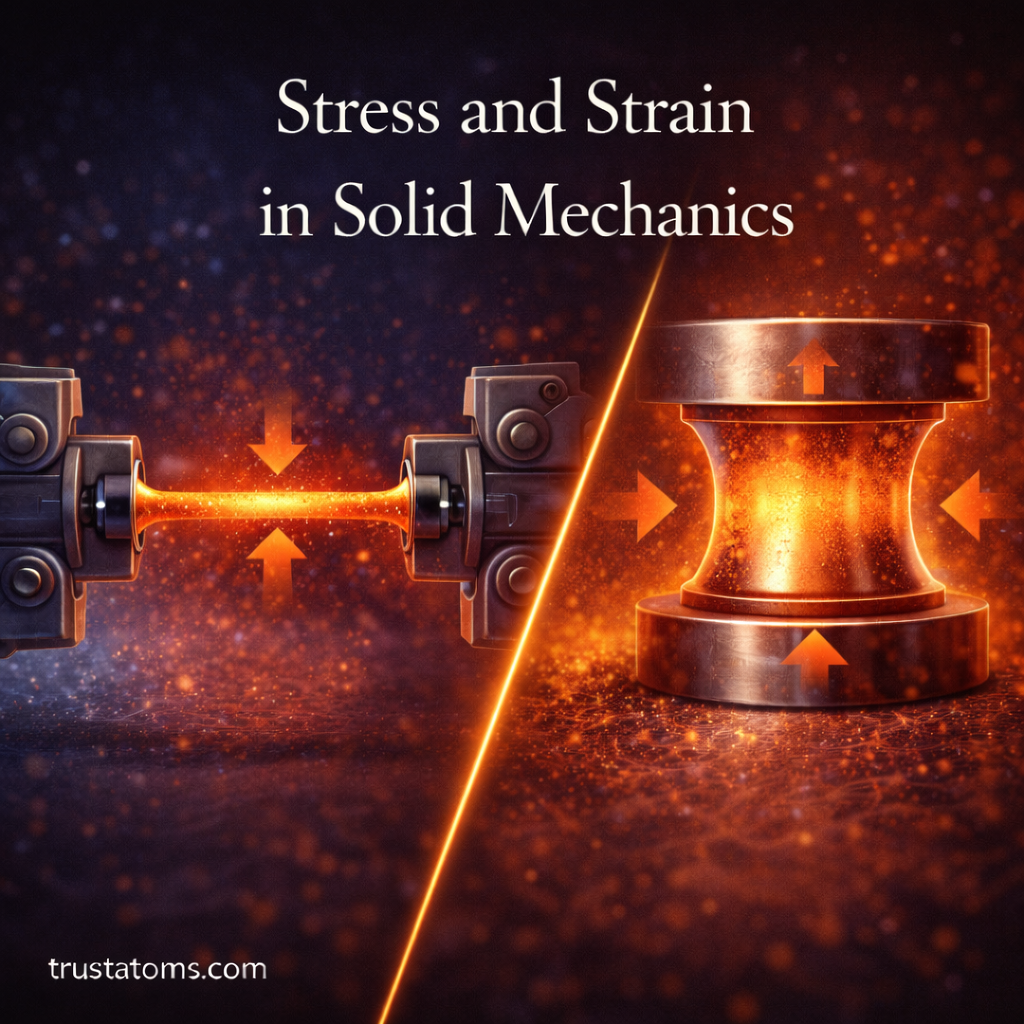
- Stress builds up along plate boundaries
- Sudden movement releases energy
- Results in earthquakes
Regions with active mountain building often experience frequent seismic events.
Why Mountain Building Matters
Mountain formation influences many aspects of Earth’s systems.
Climate Impact
- Mountains affect weather patterns
- Create rain shadows and precipitation zones
Biodiversity
- Provide diverse habitats
- Support unique ecosystems
Natural Resources
- Contain valuable minerals
- Influence water sources like rivers and glaciers
Key Takeaways
- Mountain building is called orogeny
- Most mountains form at convergent plate boundaries
- Major types include fold, fault-block, volcanic, and dome mountains
- Uplift and erosion work together to shape landscapes
- Mountain regions are often associated with earthquakes and active geology
Conclusion
Mountain building processes are a powerful reminder of Earth’s dynamic nature. Over millions of years, tectonic forces reshape the planet’s surface, creating towering ranges and dramatic landscapes. By understanding how mountains form, we gain insight into Earth’s past, present, and future geological activity.