Chemical reactions involve the transformation of substances into new products. While these transformations may appear simple on the surface, they are governed by complex energy changes at the atomic and molecular level.
The study of reaction energetics focuses on how energy is absorbed, released, and redistributed during chemical reactions. Understanding these energy changes allows chemists to predict whether reactions will occur, how fast they will proceed, and how conditions such as temperature and pressure influence them.
Reaction energetics is a central topic in chemistry because it explains everything from fuel combustion and battery operation to biological metabolism and industrial manufacturing.
What Is Reaction Energetics?
Reaction energetics refers to the energy changes that occur when reactants transform into products during a chemical reaction.
These energy changes often involve:
- Breaking chemical bonds
- Forming new chemical bonds
- Rearranging electrons and atoms
- Transferring energy between molecules and the environment
When bonds break, energy is required. When new bonds form, energy is released. The balance between these processes determines the overall energy change of the reaction.
Chemists use thermodynamic principles to measure and interpret these energy transformations.
Energy Changes in Chemical Reactions
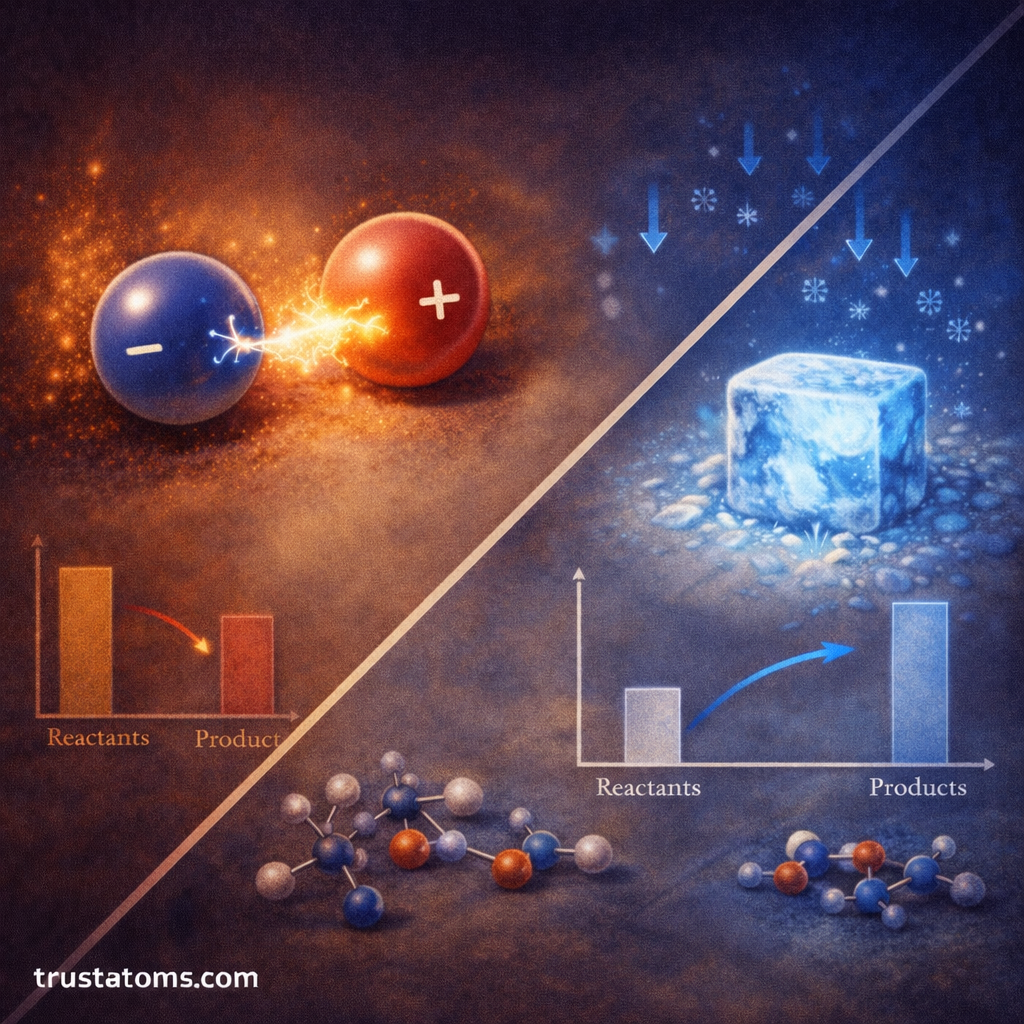
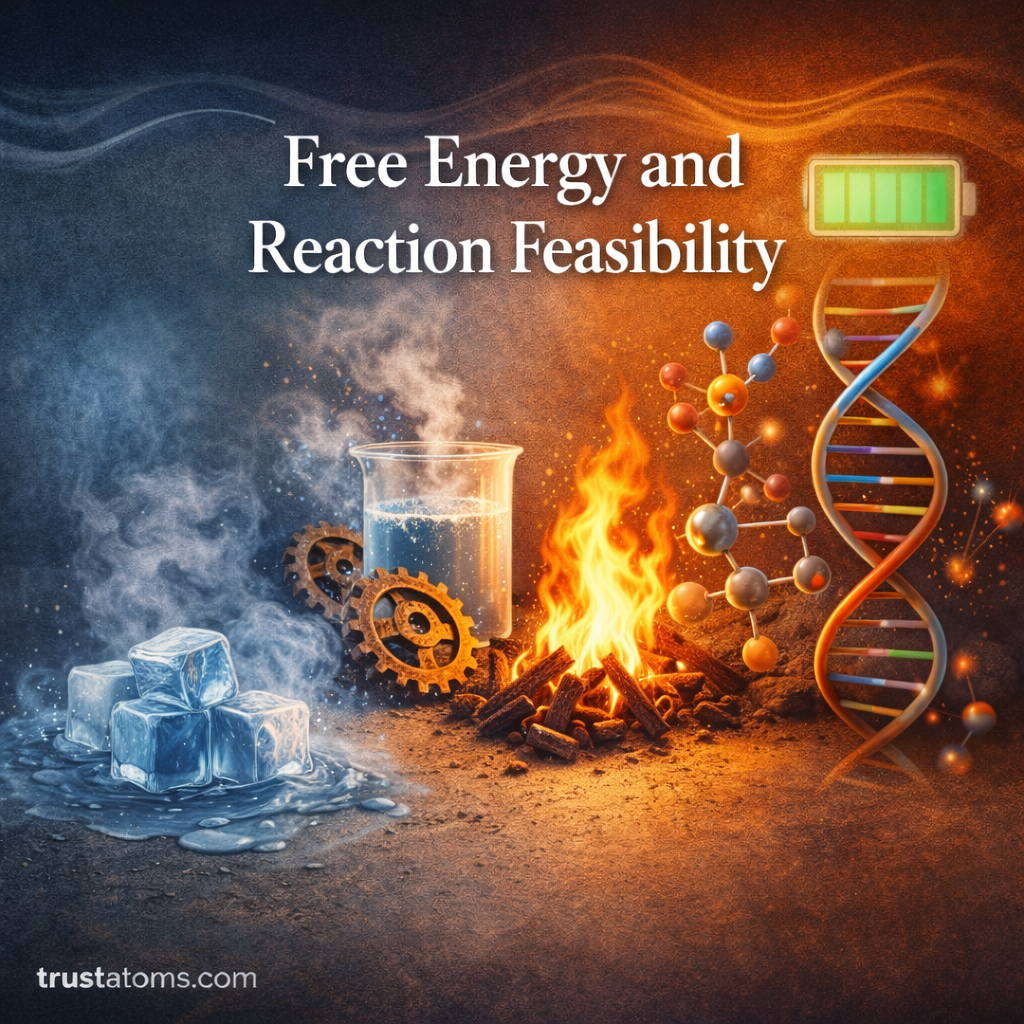
Every chemical reaction involves an energy difference between the reactants and the products.
There are two primary possibilities:
Exothermic Reactions
Exothermic reactions release energy to the surroundings, often in the form of heat or light.
In these reactions:
- The products contain less stored energy than the reactants
- Excess energy is released into the environment
Common examples include:
- Combustion reactions
- Many oxidation reactions
- Some polymerization processes
Exothermic reactions often feel warm because energy is transferred to the surrounding environment.
Endothermic Reactions
Endothermic reactions absorb energy from the surroundings.
In these reactions:
- The products contain more stored energy than the reactants
- External energy is required for the reaction to proceed
Examples include:
- Photosynthesis in plants
- Thermal decomposition reactions
- Certain phase-change reactions
Endothermic processes can cause the surroundings to feel cooler because energy is absorbed.
Enthalpy and Reaction Heat
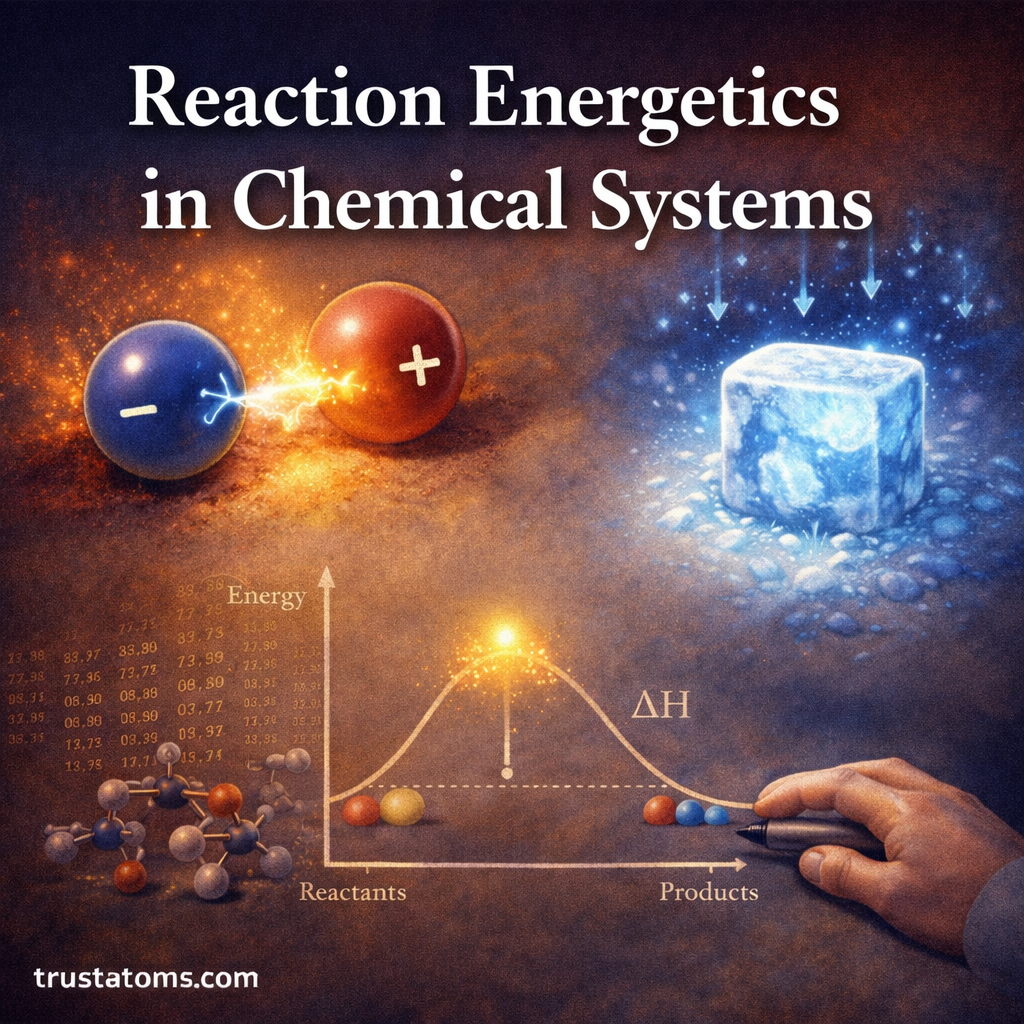
One of the most important measurements in reaction energetics is enthalpy, often represented by the symbol ΔH.
Enthalpy describes the heat change that occurs during a reaction under constant pressure.
The value of ΔH indicates whether a reaction releases or absorbs heat:
- Negative ΔH → exothermic reaction
- Positive ΔH → endothermic reaction
Chemists determine enthalpy changes using calorimetry experiments or theoretical calculations.
Bond Energy and Reaction Energetics
Chemical bonds store energy. When reactions occur, bonds in the reactants must break and new bonds form in the products.
The overall reaction energy depends on two key processes:
- Energy required to break bonds
- Energy released when new bonds form
If bond formation releases more energy than bond breaking requires, the reaction will be exothermic.
If bond breaking requires more energy than bond formation releases, the reaction will be endothermic.
This relationship helps chemists estimate reaction energy changes using known bond energy values.
Reaction Energy Diagrams
Reaction energy diagrams provide a visual representation of energy changes during a reaction.
These diagrams typically show:
- The energy level of reactants
- The energy level of products
- The transition state between them
An energy diagram helps illustrate how energy evolves as a reaction progresses.
Activation Energy
Even when a reaction releases energy overall, it often requires an initial energy input called activation energy.
Activation energy represents the energy barrier that must be overcome for the reaction to begin.
This barrier exists because atoms must reach an unstable arrangement before new bonds form.
Higher activation energy generally leads to slower reaction rates.
Reaction Rate and Energetics
Reaction energetics and reaction rates are closely related.
While thermodynamics determines whether a reaction is energetically favorable, kinetics determines how quickly it occurs.
Several factors influence reaction rates:
- Temperature
- Concentration of reactants
- Surface area
- Catalysts
- Activation energy
Increasing temperature often increases reaction speed because molecules gain more kinetic energy, making successful collisions more likely.
Catalysts and Energy Pathways
Catalysts play an important role in reaction energetics by lowering the activation energy required for a reaction to occur.
A catalyst provides an alternative reaction pathway with a lower energy barrier.
Key characteristics of catalysts include:
- They are not consumed in the reaction
- They speed up reaction rates
- They do not change the overall energy difference between reactants and products
Catalysts are widely used in industrial chemistry, environmental processes, and biological systems.
Reaction Energetics in Biological Systems
Living organisms rely on chemical reactions that involve carefully controlled energy changes.
Biological reaction energetics governs processes such as:
- Cellular respiration
- ATP production
- Enzyme activity
- Metabolic pathways
Cells manage energy by coupling reactions that release energy with reactions that require energy. This efficient energy management supports life at the molecular level.
Applications of Reaction Energetics
Understanding reaction energetics allows scientists and engineers to design and control chemical processes across many industries.
Energy Production
Reaction energetics is fundamental to energy technologies such as:
- Fossil fuel combustion
- Hydrogen fuel systems
- Battery chemistry
- Nuclear reactions
By analyzing energy changes, scientists can develop more efficient and sustainable energy sources.
Industrial Chemistry
Many large-scale manufacturing processes rely on optimized reaction energetics.
Examples include:
- Ammonia production
- Polymer synthesis
- Petroleum refining
- Chemical fertilizer manufacturing
Engineers adjust conditions such as pressure, temperature, and catalysts to improve energy efficiency and product yield.
Environmental Chemistry
Reaction energetics also plays a role in environmental processes.
Scientists study energy changes in reactions involving:
- Atmospheric chemistry
- Pollutant degradation
- Climate-related reactions
- Water purification systems
Understanding these reactions helps researchers develop strategies for pollution control and environmental protection.
Why Reaction Energetics Matters
Reaction energetics helps chemists answer important questions about chemical systems.
These include:
- Will a reaction release or absorb energy?
- How much energy is required to start a reaction?
- How stable are the products compared to the reactants?
- How can reactions be controlled or optimized?
By studying energy changes, scientists gain deeper insight into the forces that drive chemical transformations.
Final Thoughts
Reaction energetics provides a framework for understanding how energy moves through chemical systems. From bond breaking and formation to activation energy and catalytic pathways, these energy changes determine how reactions occur and how they can be controlled.
Whether in biological systems, industrial processes, or environmental chemistry, the study of reaction energetics remains essential for understanding and harnessing the power of chemical reactions.