Cells are the smallest units of life capable of carrying out all the processes necessary for survival. Every living organism on Earth—from bacteria to humans—is made of one or more cells. Because of this, cells are often described as the basic building blocks of life.
Understanding what a cell is and how it works is fundamental to biology. Cells perform essential functions such as generating energy, reproducing, responding to their environment, and maintaining internal balance.
This article explores what cells are, how they function, the main types of cells, and why they are essential to all living organisms.
The Basic Definition of a Cell
A cell is the smallest structural and functional unit of a living organism. It contains specialized components that allow it to perform life-sustaining processes.
Every cell must be able to:
- Maintain its internal environment
- Use energy
- Grow and develop
- Respond to stimuli
- Reproduce
- Carry genetic information
Cells achieve these tasks through complex biochemical processes occurring inside their internal structures.
The Cell Theory
Modern biology is based on a principle known as cell theory, which explains the fundamental role of cells in life.
Cell theory consists of three main ideas:
- All living organisms are made of one or more cells.
- The cell is the basic unit of structure and function in living things.
- All cells arise from pre-existing cells.
This theory emerged in the 19th century through the work of scientists such as Matthias Schleiden, Theodor Schwann, and Rudolf Virchow.
Cell theory remains one of the most important foundations of biological science.
Key Components of a Cell
Although cells vary in complexity, most share several core structures that allow them to function effectively.
Cell Membrane
The cell membrane forms the outer boundary of the cell. It regulates what enters and exits the cell, helping maintain internal balance.
Key roles include:
- Protecting the cell
- Controlling movement of substances
- Enabling communication with other cells
The membrane is made primarily of a phospholipid bilayer, which creates a flexible and selective barrier.
Cytoplasm
The cytoplasm is the gel-like substance that fills the inside of the cell.
It contains:
- Water
- Enzymes
- Nutrients
- Organelles
Many important chemical reactions occur within the cytoplasm.
Genetic Material (DNA)
Cells contain DNA (deoxyribonucleic acid), the molecule that stores genetic instructions for building and maintaining an organism.
DNA controls:
- Protein production
- Cell growth
- Cell division
- Inherited traits
In more complex cells, DNA is located in the nucleus.
Types of Cells
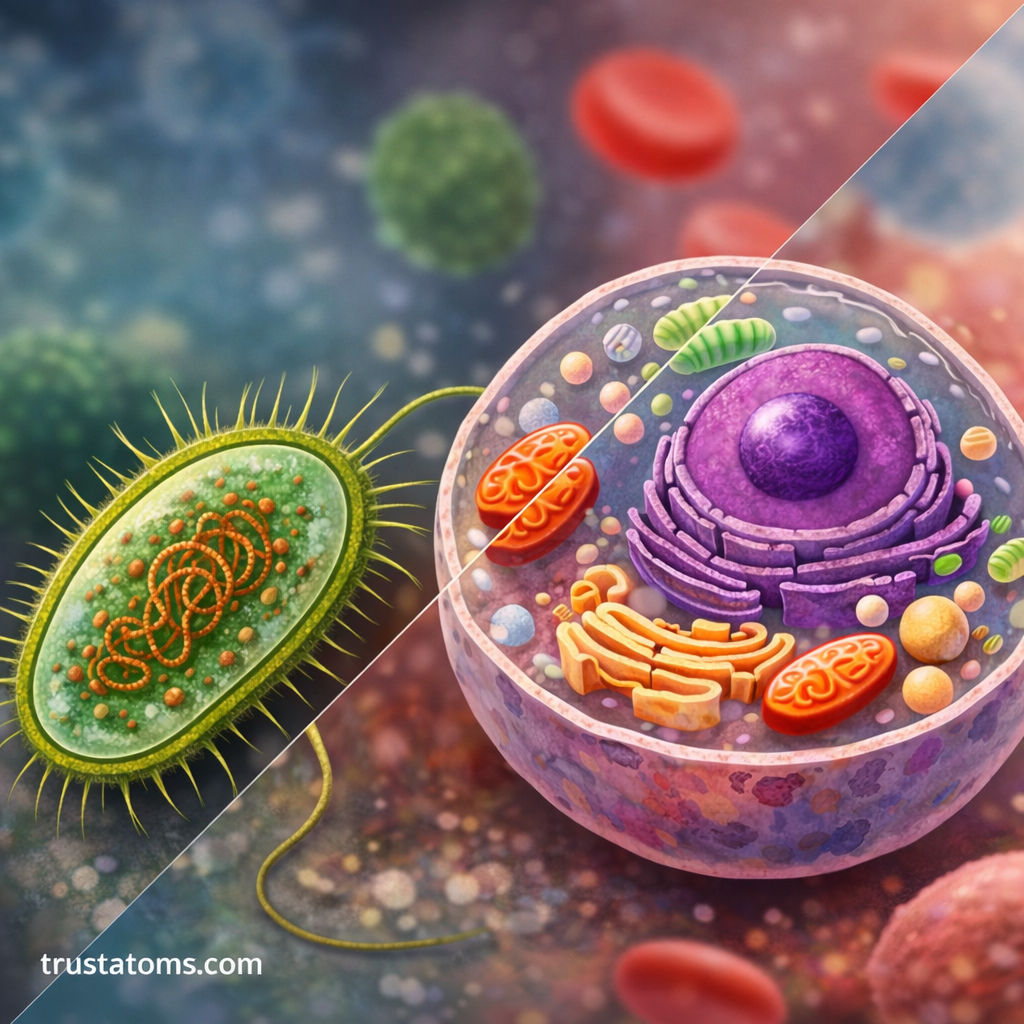
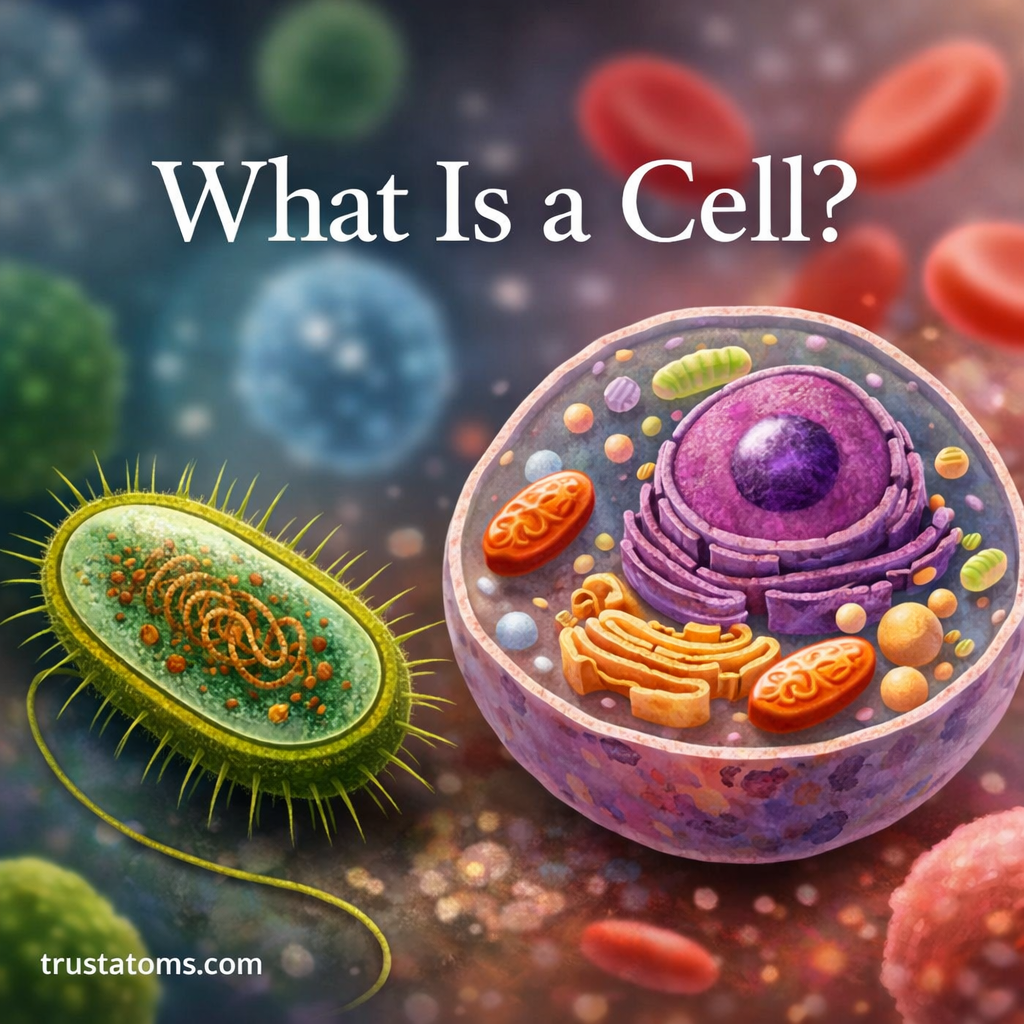
Cells are generally classified into two major categories based on their structure.
Prokaryotic Cells
Prokaryotic cells are simpler and smaller. They lack a nucleus and most membrane-bound organelles.
Examples of organisms with prokaryotic cells include:
- Bacteria
- Archaea
Key characteristics include:
- DNA located in a nucleoid region
- No membrane-bound nucleus
- Simple internal organization
Despite their simplicity, prokaryotic cells can perform all essential life functions.
Eukaryotic Cells
Eukaryotic cells are larger and more complex.
They contain:
- A true nucleus that houses DNA
- Membrane-bound organelles
- Highly organized internal structures
Organisms with eukaryotic cells include:
- Animals
- Plants
- Fungi
- Protists
These cells allow for more specialized functions and complex life forms.
Common Organelles in Eukaryotic Cells
Inside eukaryotic cells are specialized structures called organelles, each performing specific tasks.
Nucleus
The nucleus is the control center of the cell.
Functions include:
- Storing genetic material
- Regulating gene expression
- Coordinating cell division
Mitochondria
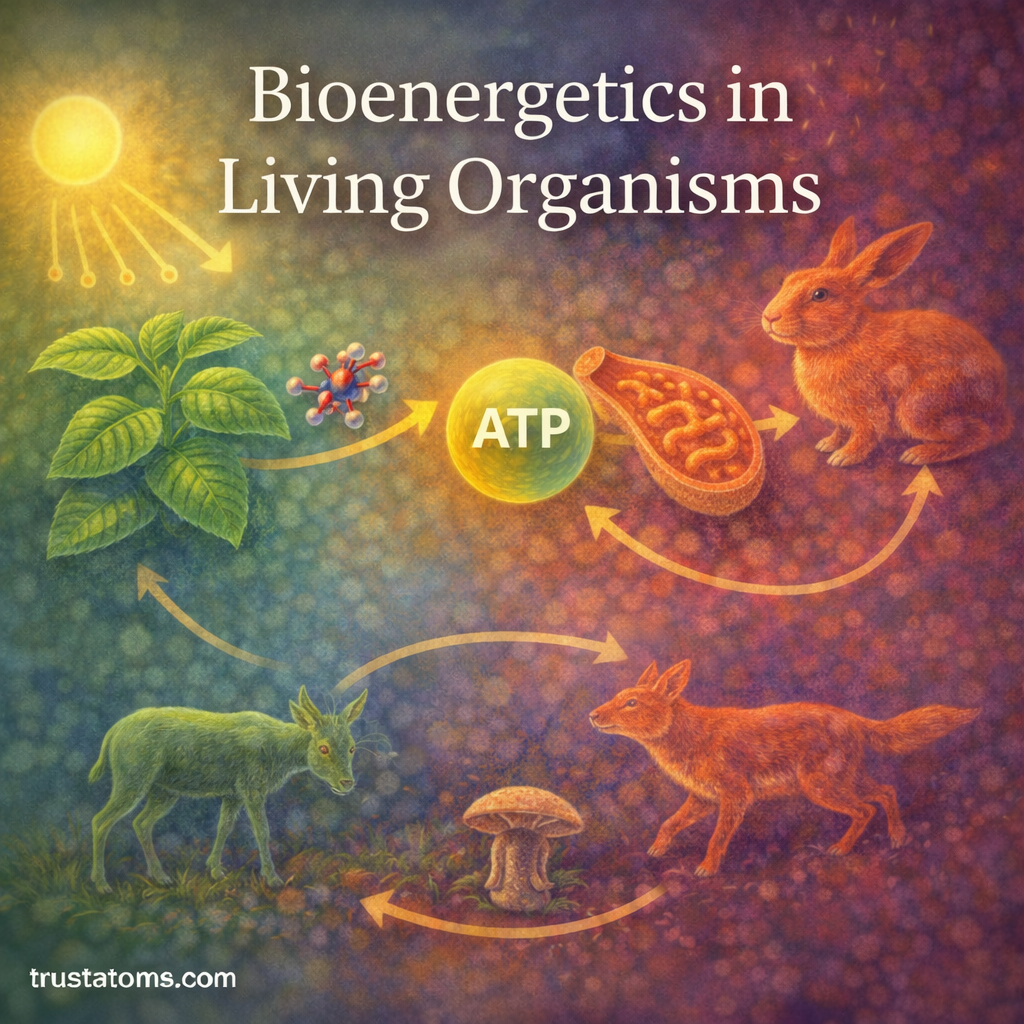
Mitochondria generate energy for the cell through a process called cellular respiration.
They convert nutrients into ATP (adenosine triphosphate), the cell’s main energy currency.
Ribosomes
Ribosomes are responsible for protein synthesis.
Proteins produced by ribosomes perform countless roles in cells, including:
- Enzyme activity
- Structural support
- Cellular signaling
Endoplasmic Reticulum
The endoplasmic reticulum (ER) is a network of membranes involved in:
- Protein processing
- Lipid production
- Transport within the cell
There are two forms:
- Rough ER (covered with ribosomes)
- Smooth ER (lacks ribosomes)
Golgi Apparatus
The Golgi apparatus modifies, sorts, and packages proteins and lipids for transport.
It acts like a cellular shipping center, directing molecules to their proper destinations.
How Cells Maintain Life
Cells constantly perform processes that keep them alive and functioning.
Important cellular activities include:
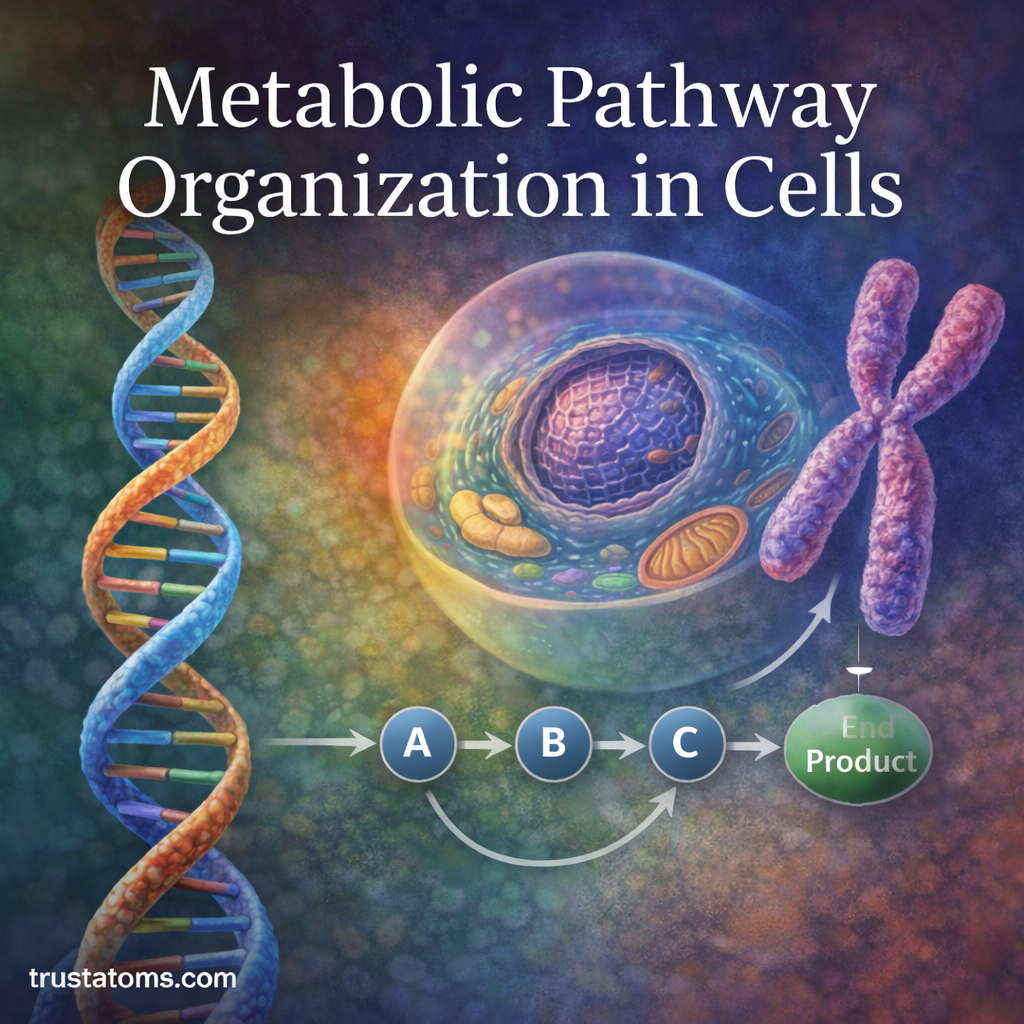
Metabolism
Metabolism refers to all chemical reactions that occur within the cell.
These reactions allow cells to:
- Break down nutrients
- Produce energy
- Build new molecules
Homeostasis
Cells maintain a stable internal environment despite external changes.
They regulate factors such as:
- Temperature
- Chemical concentrations
- Water balance
Maintaining homeostasis is essential for survival.
Cell Division
Cells reproduce through cell division, allowing organisms to grow, repair tissues, and reproduce.
Two major forms include:
- Mitosis – produces identical cells for growth and repair
- Meiosis – produces reproductive cells (gametes)
Why Cells Are Essential to Life
Cells make life possible at every level of biological organization.
They enable organisms to:
- Grow and develop
- Adapt to environmental changes
- Repair damaged tissues
- Reproduce
- Carry genetic information across generations
In multicellular organisms like humans, trillions of specialized cells work together to form tissues, organs, and entire biological systems.
Without cells, life as we know it would not exist.
Final Thoughts
Cells are the fundamental units that support all living systems. Despite their microscopic size, they contain incredibly complex machinery that allows life to function, evolve, and adapt.
From simple bacterial cells to highly specialized human cells, every organism depends on these tiny structures to survive. Studying cells provides insight into health, disease, genetics, and the biological processes that shape life on Earth.
Understanding what a cell is—and how it works—is one of the most important steps in learning about biology.