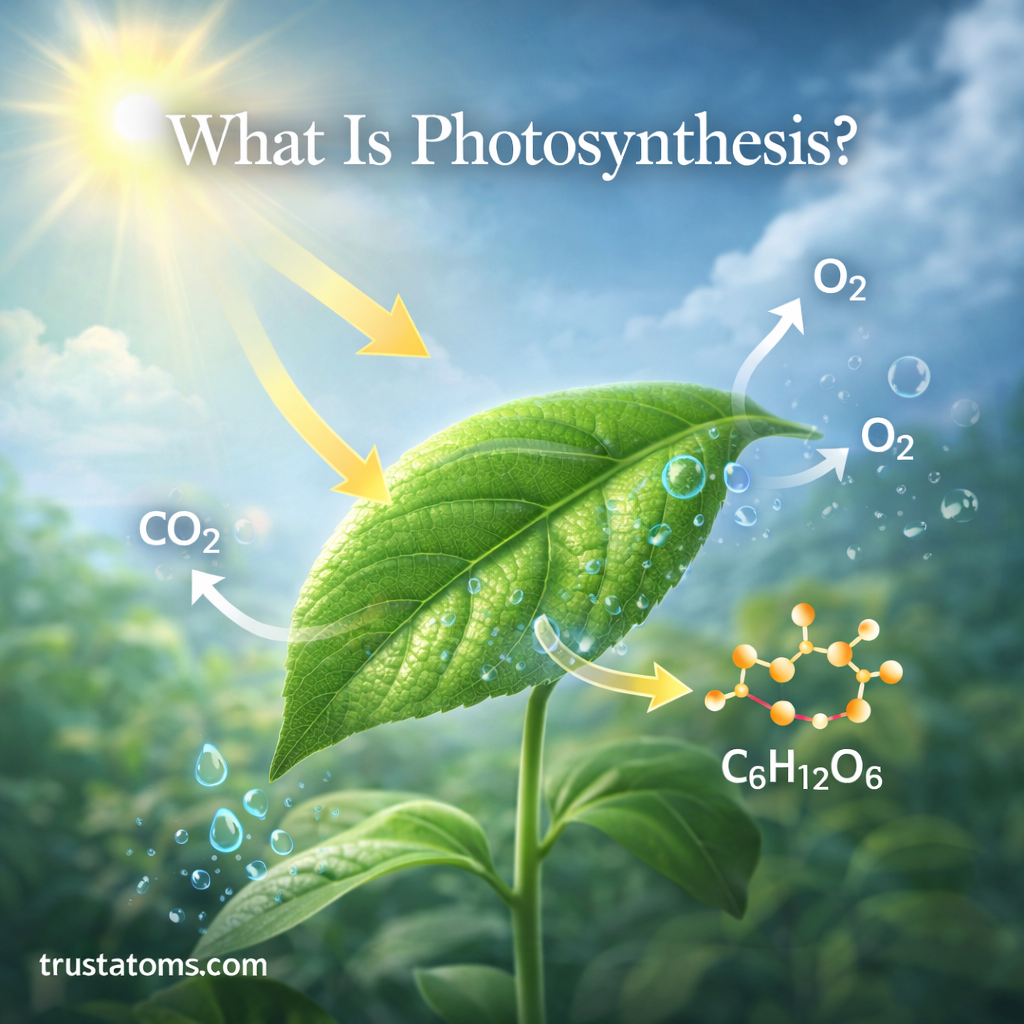
Photosynthesis is the biological process that allows plants, algae, and some microorganisms to convert sunlight into chemical energy. This process produces the food that plants need to grow while also releasing oxygen into the atmosphere.
Without photosynthesis, life on Earth would be dramatically different. The oxygen we breathe and much of the food we eat ultimately depend on this remarkable process.
Understanding photosynthesis helps explain how energy moves through ecosystems and how plants sustain life on the planet.
The Basic Definition of Photosynthesis
Photosynthesis is the process by which certain organisms use light energy to convert carbon dioxide and water into glucose and oxygen.
In simple terms, photosynthesis allows plants to make their own food using sunlight.
The basic components required for photosynthesis include:
- Sunlight
- Water
- Carbon dioxide
- Chlorophyll (a green pigment in plants)
The result of the process is the production of:
- Glucose, which plants use as energy
- Oxygen, which is released into the atmosphere
Where Photosynthesis Occurs
Photosynthesis takes place inside specialized structures within plant cells called chloroplasts.
Chloroplasts contain a green pigment known as chlorophyll, which absorbs light energy from the sun.
These structures are most abundant in the leaves of plants, where sunlight is most available.
Within chloroplasts are internal membranes called thylakoids, where important stages of photosynthesis occur.
The Role of Chlorophyll
Chlorophyll is essential for photosynthesis because it captures energy from sunlight.
It absorbs mainly:
- Blue light
- Red light
Green light is reflected, which is why plants appear green to our eyes.
The energy absorbed by chlorophyll powers the chemical reactions that convert carbon dioxide and water into glucose.
The Two Main Stages of Photosynthesis
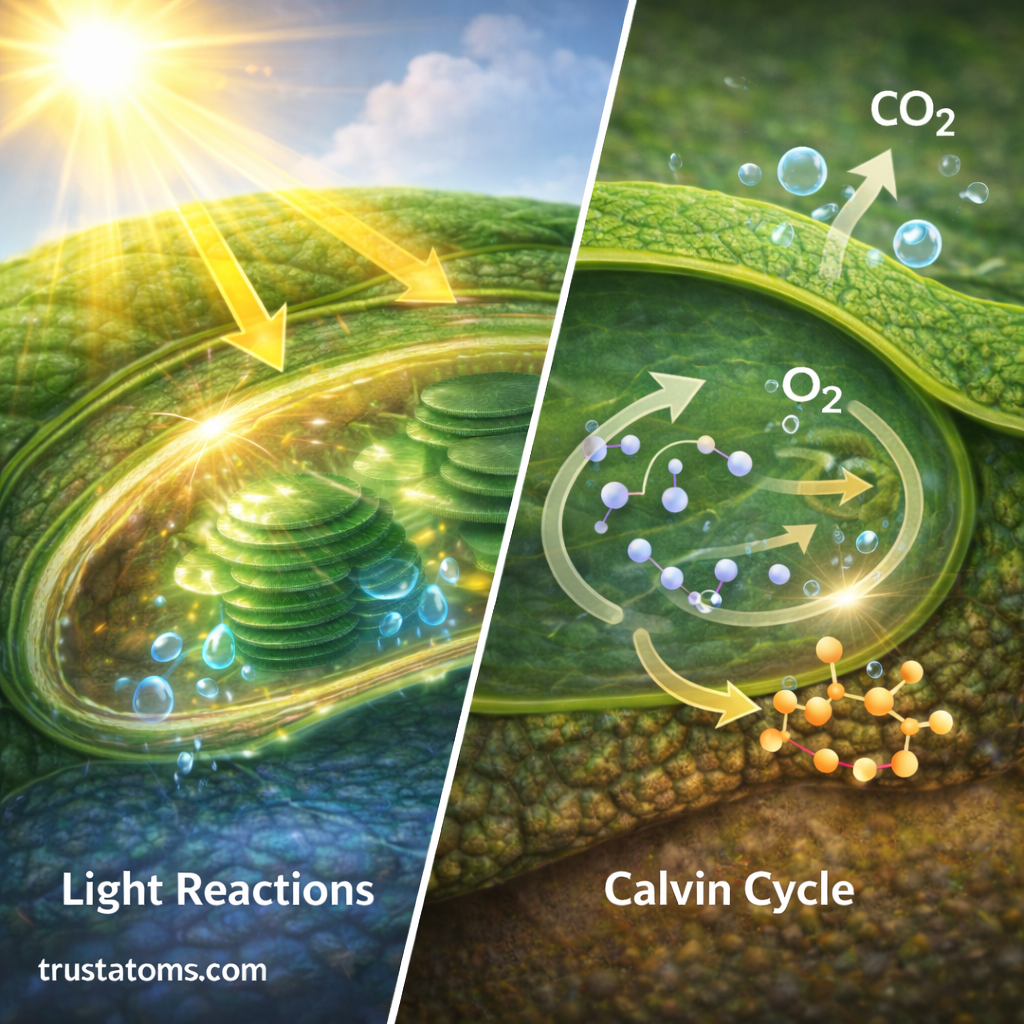
Photosynthesis occurs in two major stages:
- Light-dependent reactions
- The Calvin cycle (light-independent reactions)
Each stage performs a different role in converting sunlight into usable chemical energy.
Light-Dependent Reactions
The light-dependent reactions occur in the thylakoid membranes of chloroplasts.
During this stage:
- Chlorophyll absorbs sunlight
- Water molecules are split
- Oxygen is released
- Energy-rich molecules are produced
Key products of this stage include:
- ATP (energy molecule)
- NADPH (electron carrier)
These molecules provide the energy needed for the second stage of photosynthesis.
The Calvin Cycle (Light-Independent Reactions)
The second stage of photosynthesis is known as the Calvin cycle.
Unlike the light-dependent reactions, this stage does not require direct sunlight.
Instead, it uses the energy molecules produced earlier to convert carbon dioxide into glucose.
Key steps include:
- Carbon dioxide enters the cycle.
- Enzymes help convert carbon molecules into energy-rich compounds.
- Glucose is produced.
Glucose can then be used by the plant for:
- Growth
- Energy
- Building structural materials such as cellulose
Why Photosynthesis Is Important
Photosynthesis plays a critical role in sustaining life on Earth.
Producing Oxygen
One of the most important outcomes of photosynthesis is the production of oxygen.
Plants release oxygen into the atmosphere as a byproduct of splitting water molecules.
This oxygen is essential for the survival of many organisms, including humans.
Supporting Food Chains
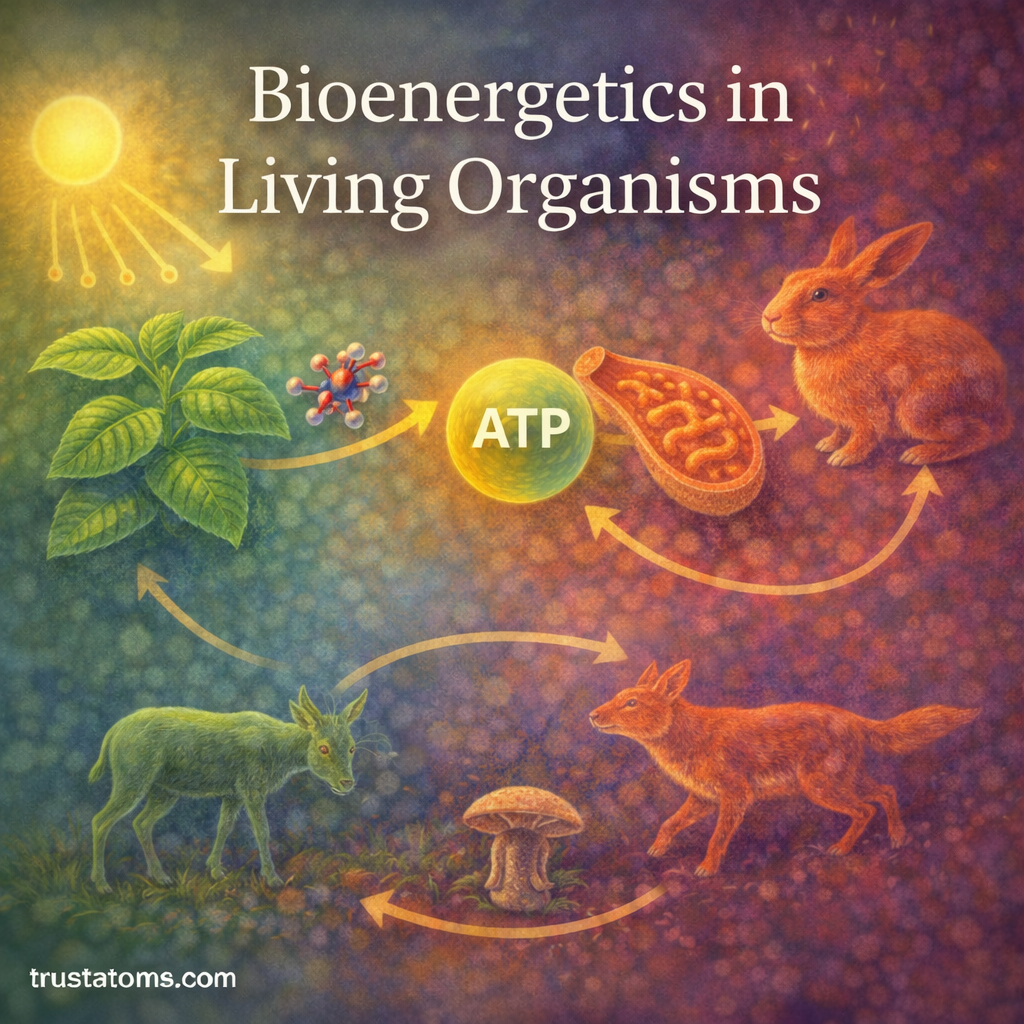
Photosynthesis forms the foundation of most ecosystems.
Plants and algae act as primary producers, meaning they create energy-rich food that supports other organisms.
Animals obtain energy by eating plants or by eating other animals that consume plants.
Regulating Carbon Dioxide
Photosynthesis also helps regulate the levels of carbon dioxide in the atmosphere.
Plants absorb carbon dioxide during photosynthesis, helping maintain balance in the Earth’s carbon cycle.
Factors That Affect Photosynthesis
Several environmental factors influence the rate at which photosynthesis occurs.
Light Intensity
More light generally increases the rate of photosynthesis, up to a certain point.
If light levels are too low, the process slows down.
Carbon Dioxide Levels
Higher carbon dioxide concentrations can increase photosynthesis because more raw material is available for glucose production.
Temperature
Photosynthesis depends on enzymes that function best within specific temperature ranges.
Extreme heat or cold can slow or stop the process.
Water Availability
Water is a key ingredient in photosynthesis.
If plants do not receive enough water, the process becomes less efficient.
Photosynthesis and the Global Ecosystem
Photosynthesis is one of the most important processes supporting life on Earth.
It connects multiple biological systems, including:
- The oxygen cycle
- The carbon cycle
- Global food webs
Forests, grasslands, oceans, and algae-rich waters all contribute to the planet’s photosynthetic activity.
Marine phytoplankton alone produce a significant portion of the Earth’s oxygen supply.
Final Thoughts
Photosynthesis is the process that allows plants and other organisms to convert sunlight into usable energy. By producing glucose and releasing oxygen, photosynthesis supports the food chains and atmospheric balance that sustain life on Earth.
From the smallest algae to the largest forests, photosynthesis powers ecosystems across the planet. Understanding this process helps reveal how energy flows through living systems and why plants play such a vital role in maintaining the environment.