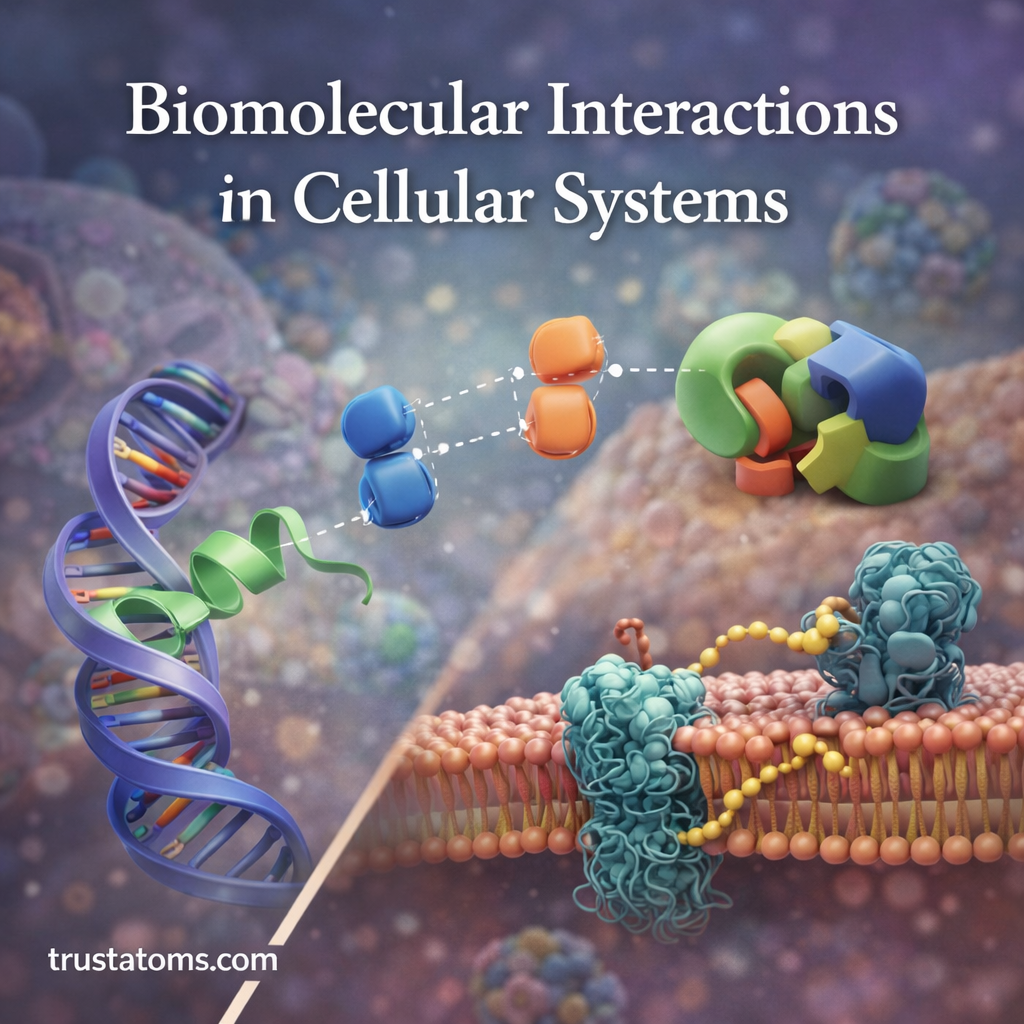
Cells function as highly organized molecular environments where thousands of biological molecules constantly interact. These interactions allow cells to carry out essential processes such as metabolism, communication, growth, and repair.
Biomolecular interactions refer to the chemical and physical associations between molecules such as proteins, DNA, RNA, lipids, carbohydrates, and small metabolites. These interactions form the foundation of cellular systems and enable biological processes to occur in a coordinated and controlled way.
Understanding how biomolecules interact helps scientists explain how cells function, how diseases develop, and how targeted treatments can be designed.
What Are Biomolecular Interactions?
Biomolecular interactions are the forces that allow biological molecules to bind, recognize, and influence each other inside living cells.
These interactions are typically non-covalent, meaning they do not permanently bond molecules together. Instead, they allow molecules to temporarily associate and separate as needed.
Common characteristics of biomolecular interactions include:
- Specific molecular recognition
- Reversible binding
- Dependence on molecular shape and chemical properties
- Sensitivity to environmental conditions such as temperature and pH
Through these interactions, cells create dynamic networks of molecular activity that support life.
Major Types of Biomolecules Involved
Cellular systems rely on several classes of biomolecules that interact with each other in different ways.
Proteins
Proteins are among the most versatile biomolecules in cells.
They participate in interactions such as:
- Enzyme–substrate binding
- Protein–protein signaling complexes
- Structural assembly of cellular components
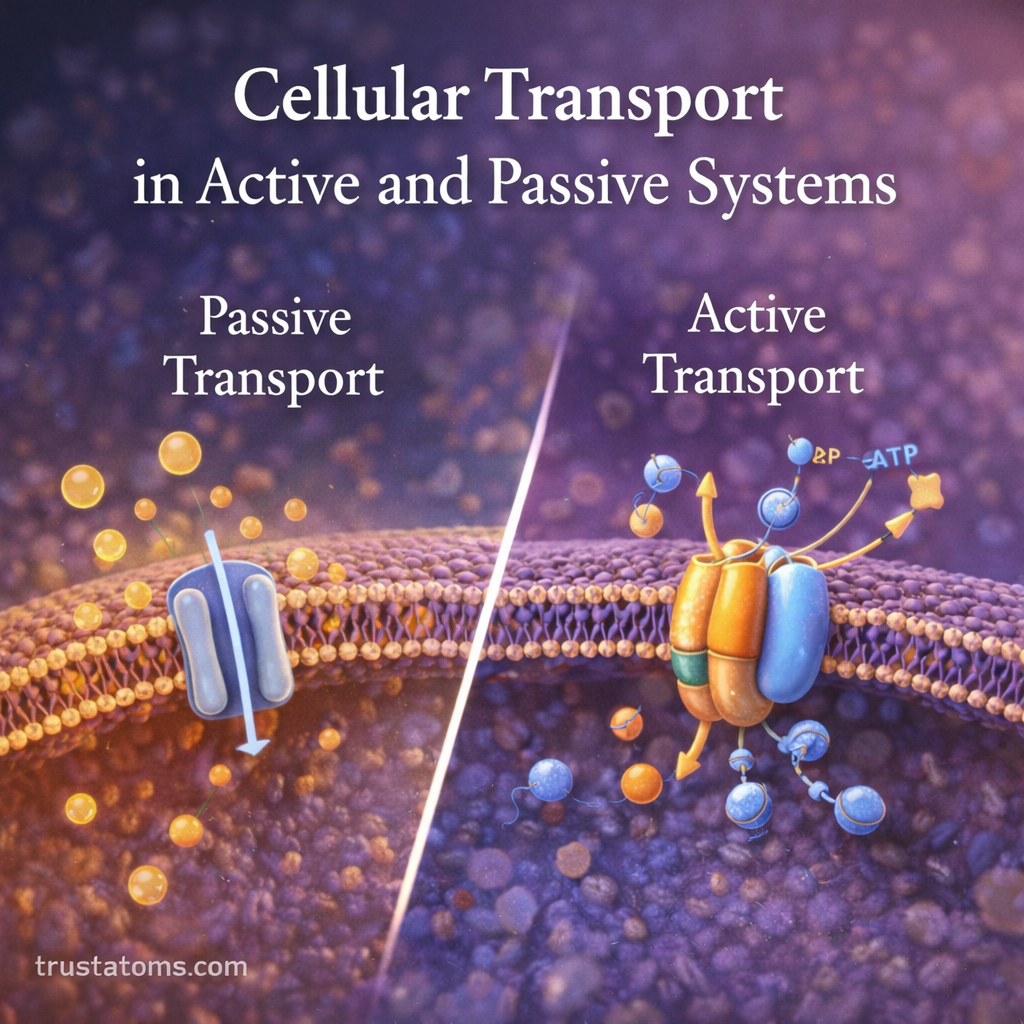
- Transport of molecules across membranes
Proteins often recognize other molecules through specialized binding sites formed by their three-dimensional structure.
Nucleic Acids
DNA and RNA store and transmit genetic information.
Interactions involving nucleic acids include:
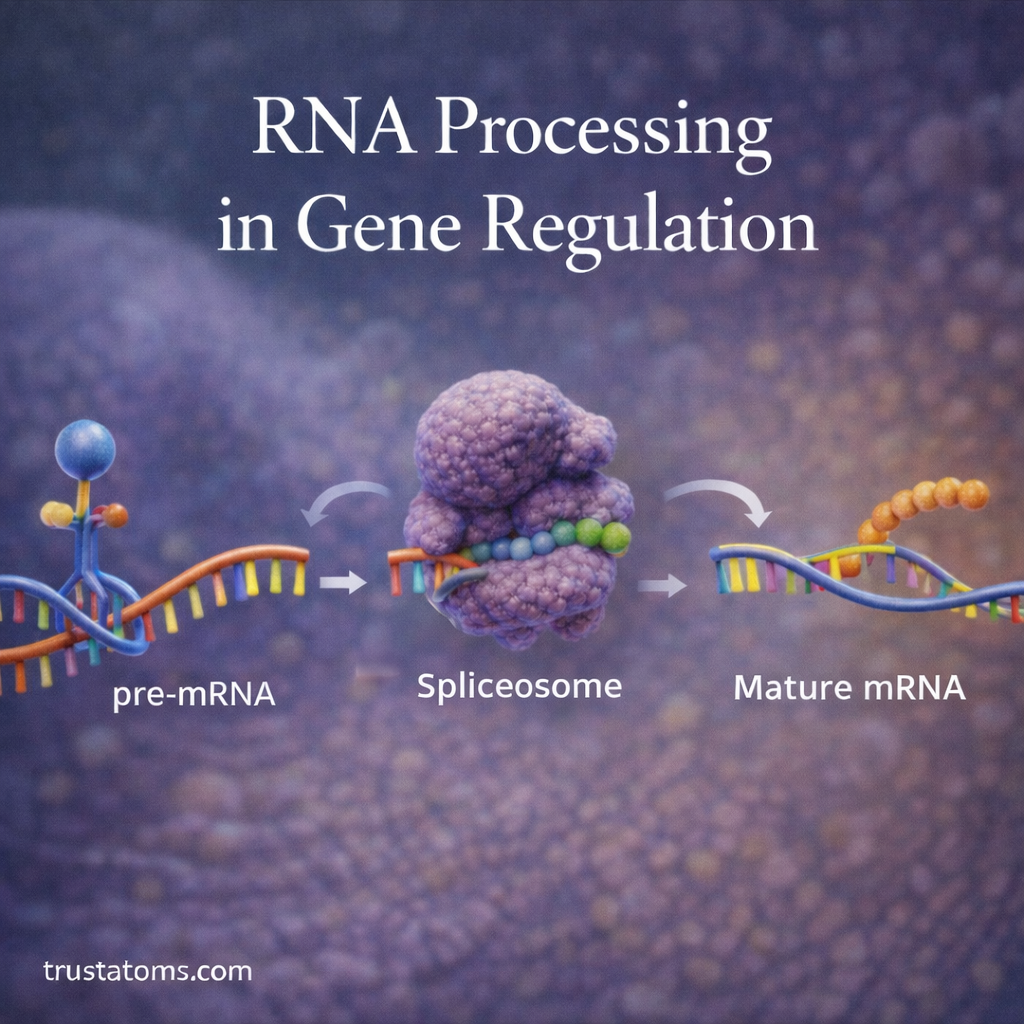
- DNA–protein interactions during gene regulation
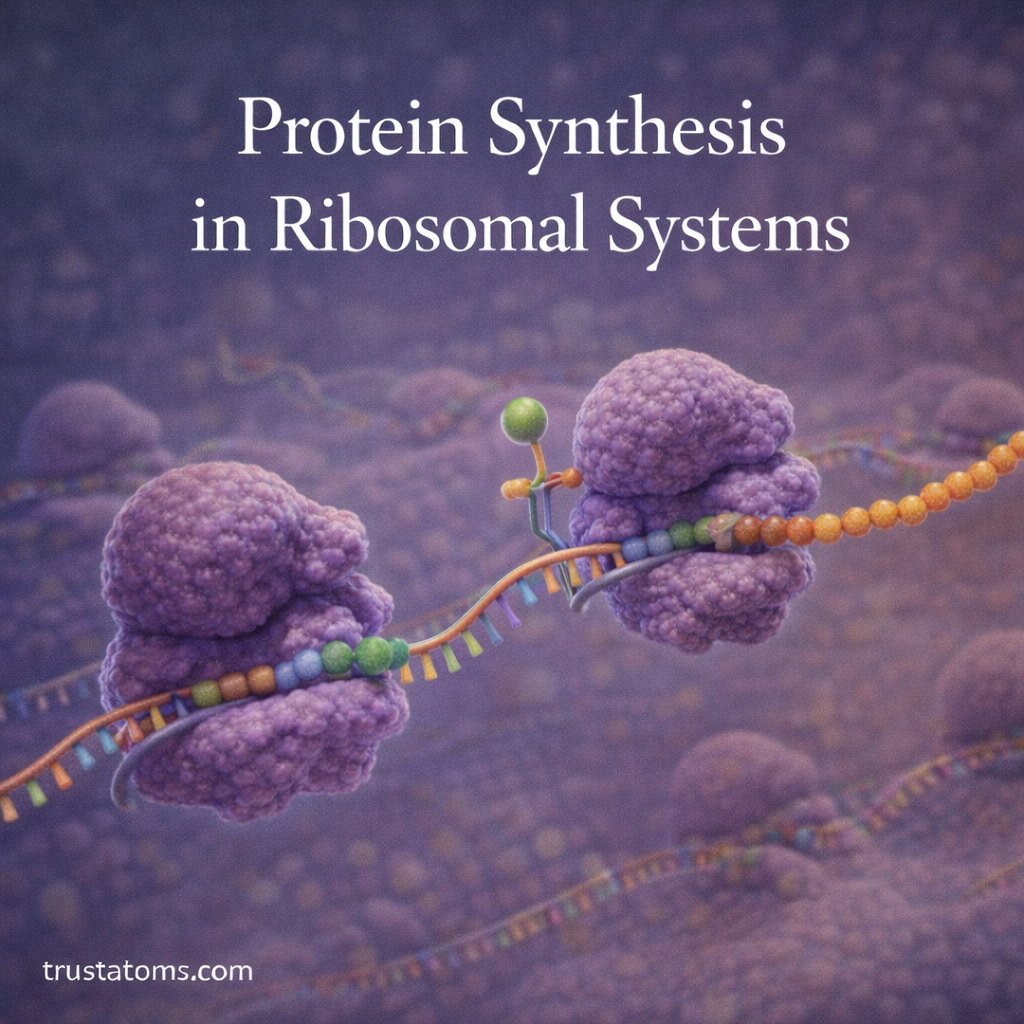
- RNA–protein complexes involved in translation
- DNA–DNA pairing during replication and repair
These interactions control how genetic information is read and used by the cell.
Lipids
Lipids play a key role in cellular membranes.
Important lipid interactions include:
- Formation of membrane bilayers
- Binding of signaling molecules
- Organization of membrane proteins
Lipids help create the physical structure that separates cellular compartments.
Carbohydrates
Carbohydrates often function in recognition and communication processes.
Examples include:
- Cell–cell recognition
- Immune system signaling
- Surface markers on cell membranes
These molecules frequently attach to proteins and lipids, forming structures known as glycoproteins and glycolipids.
Forces That Drive Biomolecular Interactions
Biomolecular interactions are guided by several physical and chemical forces that operate at the molecular level.
Hydrogen Bonding
Hydrogen bonds occur when a hydrogen atom forms a weak attraction with an electronegative atom such as oxygen or nitrogen.
These bonds contribute to:
- Protein structure stabilization
- DNA base pairing
- Recognition between biomolecules
Although individually weak, hydrogen bonds can become very strong when many occur together.
Electrostatic Interactions
Electrostatic forces arise between positively and negatively charged regions of molecules.
These interactions help guide:
- Protein–protein binding
- Enzyme–substrate attraction
- DNA–protein interactions
Changes in environmental conditions such as pH can influence these forces.
Hydrophobic Effects
Hydrophobic molecules tend to avoid water and cluster together.
This effect plays a major role in:
- Protein folding
- Membrane formation
- Stabilization of molecular complexes
Hydrophobic interactions help organize molecules inside the aqueous environment of cells.
Van der Waals Forces
Van der Waals forces are weak attractions between molecules that occur when atoms come very close together.
These subtle forces contribute to:
- Fine-tuning molecular recognition
- Stabilizing protein complexes
- Maintaining molecular structure
Even though they are weak individually, they become significant when many atoms interact simultaneously.
Protein–Protein Interactions in Cellular Systems
Proteins frequently interact with each other to perform biological functions.
These interactions create complex molecular networks responsible for cellular activity.
Examples include:
- Signal transduction pathways
- Enzyme complexes in metabolic reactions
- Structural assemblies such as cytoskeletal networks
Protein–protein interactions allow cells to coordinate processes quickly and efficiently.
Scientists often study these interactions using techniques such as:
- X-ray crystallography
- Cryo-electron microscopy
- Computational modeling
These methods help reveal how proteins recognize and bind to one another.
Enzyme–Substrate Interactions
Enzymes are proteins that accelerate chemical reactions in cells. They work by binding to specific molecules known as substrates.
The interaction between an enzyme and its substrate follows a highly specific process.
Steps in enzyme–substrate interaction typically include:
- Substrate approaches the enzyme’s active site
- The enzyme binds the substrate through molecular recognition
- The enzyme stabilizes the transition state of the reaction
- Products are released after the reaction completes
This precise interaction allows cells to control complex biochemical pathways efficiently.
DNA–Protein Interactions and Gene Regulation
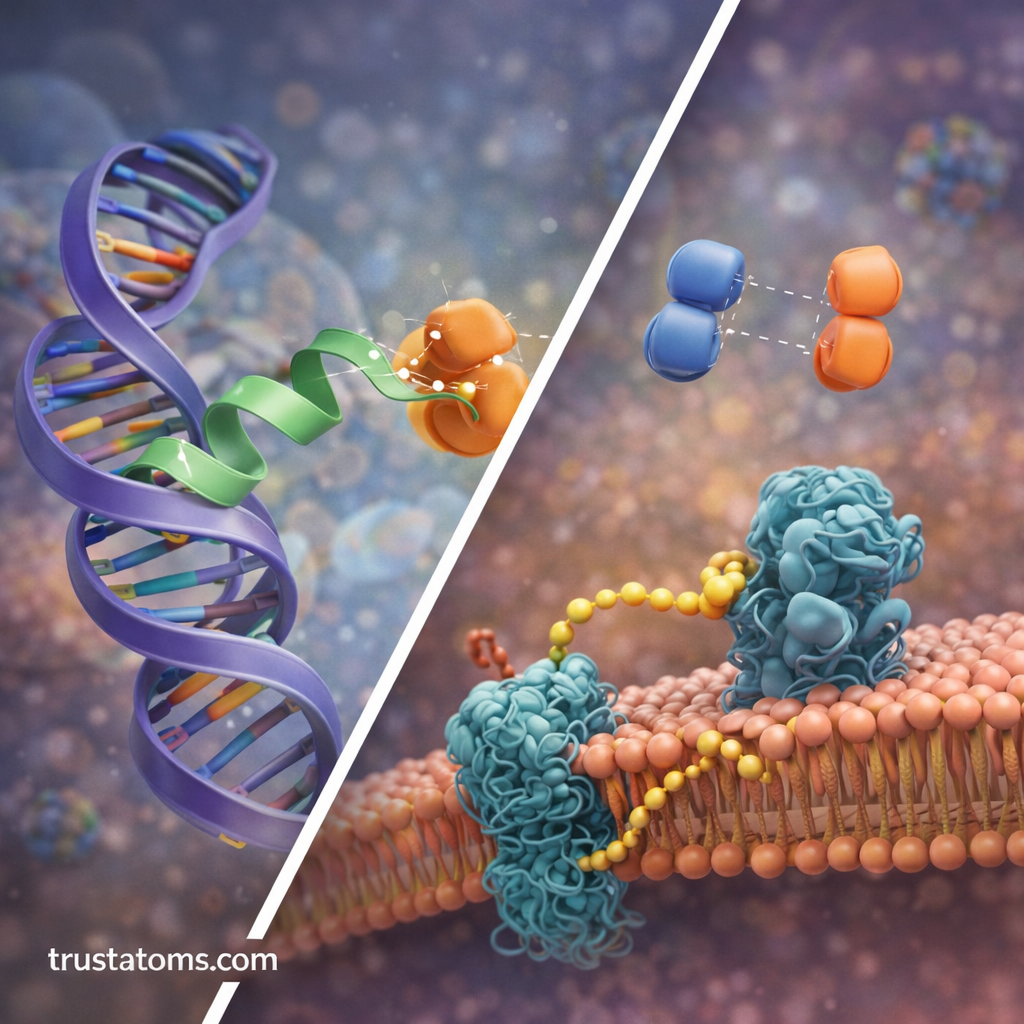
Cells control gene expression through interactions between DNA and regulatory proteins.
These interactions determine which genes are active at any given time.
Important DNA–protein interactions include:
- Transcription factor binding to DNA sequences
- RNA polymerase recognizing promoter regions
- DNA repair enzymes locating damaged DNA
Through these mechanisms, cells regulate growth, development, and responses to environmental changes.
Biomolecular Networks Inside the Cell
Cellular systems are not controlled by single interactions but by large networks of interacting molecules.
These networks include:
- Metabolic pathways
- Signal transduction cascades
- Gene regulation systems
- Structural assemblies within the cytoskeleton
Within these networks, one interaction can influence many others, allowing cells to respond rapidly to internal and external signals.
Modern biology increasingly studies these networks using systems biology, which combines experimental data with computational modeling.
Why Biomolecular Interactions Matter
Biomolecular interactions are essential for understanding both normal cellular function and disease.
Researchers study these interactions to:
- Develop new medications
- Understand genetic disorders
- Improve biotechnology applications
- Design synthetic biological systems
Many modern drugs work by targeting specific biomolecular interactions, such as blocking enzyme activity or disrupting harmful protein interactions.
Final Thoughts
Biomolecular interactions form the foundation of life at the cellular level. Every process inside a cell—from energy production to gene expression—relies on molecules recognizing and interacting with each other in precise ways.
Through hydrogen bonds, electrostatic forces, hydrophobic effects, and other molecular interactions, cells organize complex biological systems that operate with remarkable efficiency.
As research tools continue to improve, scientists are uncovering more details about these interactions, helping advance medicine, biotechnology, and our understanding of the molecular mechanisms that sustain life.