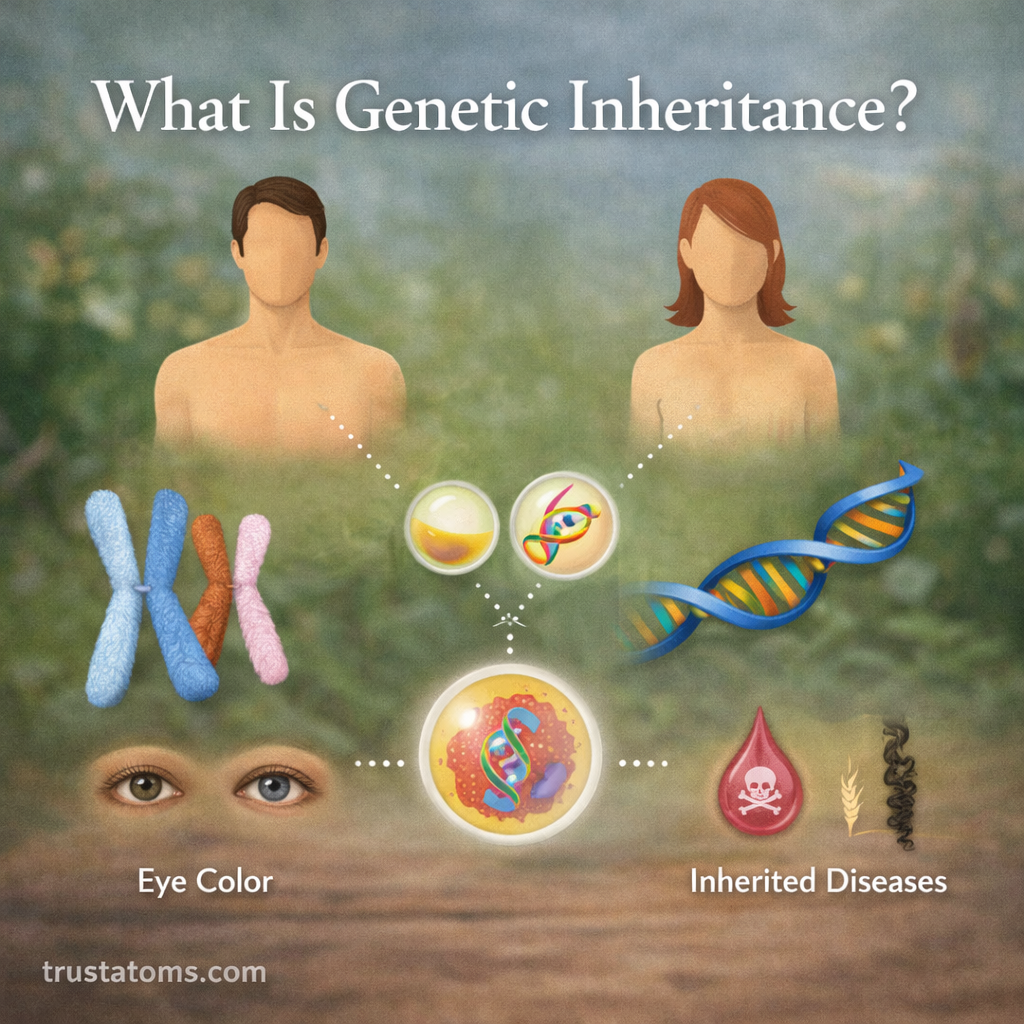
Genetic engineering is a branch of biotechnology that involves directly modifying the DNA of living organisms. By altering genetic material, scientists can change specific traits, improve biological functions, or develop new capabilities in plants, animals, and microorganisms.
Unlike traditional breeding, which combines traits over multiple generations, genetic engineering allows scientists to precisely modify genes at the molecular level. This technology plays a major role in modern medicine, agriculture, and scientific research.
Genetic engineering is responsible for many breakthroughs, including life-saving medicines, disease-resistant crops, and new methods of studying genetic diseases.
Genetic Engineering Definition
Genetic engineering is the process of altering an organism’s DNA by inserting, deleting, or modifying genes to achieve a desired trait.
DNA contains the genetic instructions that determine how organisms grow, function, and reproduce. By changing these instructions, scientists can influence characteristics such as:
- Disease resistance
- Growth rate
- Nutritional value
- Physical traits
- Biological functions
This precise manipulation of genetic material is what distinguishes genetic engineering from older forms of biological modification.
How Genetic Engineering Works
Genetic engineering typically follows a series of controlled laboratory steps. These steps allow scientists to identify and modify specific genes.
1. Identifying the Desired Gene
Scientists first determine which gene controls the trait they want to modify. For example, a gene that helps bacteria produce a specific protein may be identified for medical use.
2. Isolating the Gene
Once the gene is identified, researchers isolate it from the organism’s DNA using specialized molecular tools.
3. Modifying or Copying the Gene
The selected gene can then be modified, copied, or prepared for insertion into another organism.
4. Inserting the Gene Into a New Organism
The gene is inserted into the DNA of another organism using various techniques, allowing the organism to express the new trait.
5. Testing and Verification
Scientists test the organism to ensure the gene functions correctly and produces the intended result.
Tools Used in Genetic Engineering
Genetic engineering relies on specialized tools that allow scientists to manipulate DNA.
Restriction Enzymes
Restriction enzymes act like molecular scissors that cut DNA at specific locations. These enzymes allow scientists to isolate genes or insert new DNA sequences.
DNA Ligase
DNA ligase functions like molecular glue. It connects DNA fragments together after genes are inserted or modified.
Vectors
Vectors are carriers used to transfer genetic material into cells. Common vectors include:
- Bacterial plasmids
- Viruses modified for laboratory use
Vectors help deliver new genes into the target organism.
CRISPR Gene Editing
CRISPR is one of the most advanced tools in modern genetic engineering. It allows scientists to edit DNA with high precision.
CRISPR can:
- Remove harmful genes
- Insert beneficial genes
- Repair genetic mutations
This technology has dramatically accelerated genetic research and medical innovation.
Applications of Genetic Engineering

Genetic engineering has many practical applications across multiple scientific fields.
Medicine
Genetic engineering has transformed medical science.
Key examples include:
- Production of human insulin using bacteria
- Gene therapy to treat genetic disorders
- Development of vaccines
- Creation of monoclonal antibodies for disease treatment
These technologies help treat conditions that were previously difficult or impossible to manage.
Agriculture
Genetic engineering helps improve crop production and food quality.
Common agricultural applications include:
- Pest-resistant crops
- Herbicide-tolerant plants
- Drought-resistant varieties
- Crops with improved nutritional content
For example, some crops are engineered to resist insects, reducing the need for chemical pesticides.
Scientific Research
Genetic engineering allows scientists to better understand how genes work.
Researchers use engineered organisms to:
- Study genetic diseases
- Understand gene function
- Develop new drugs
- Model human health conditions
Laboratory animals and microorganisms are often modified for this purpose.
Environmental Applications
Genetic engineering may also help address environmental challenges.
Examples include:
- Bacteria engineered to break down pollutants
- Plants designed to absorb toxic substances from soil
- Microorganisms that help produce biofuels
These technologies support environmental sustainability and resource management.
Advantages of Genetic Engineering
Genetic engineering offers several important benefits.
Improved Medical Treatments
Genetic engineering allows scientists to develop targeted therapies and biologically produced medicines.
Increased Food Production
Genetically modified crops can produce higher yields and resist pests, helping support global food supply.
Better Understanding of Diseases
Studying engineered genes helps scientists understand the genetic causes of many diseases.
Environmental Solutions
Genetically engineered organisms can assist in pollution cleanup and renewable energy production.
Risks and Ethical Considerations
Although genetic engineering offers many benefits, it also raises ethical and safety concerns.
Common concerns include:
- Potential environmental effects of genetically modified organisms
- Ethical questions surrounding gene editing in humans
- Long-term ecological impacts
- Regulation of biotechnology research
Governments and scientific organizations carefully regulate genetic engineering to ensure safety and responsible use.
Genetic Engineering vs. Traditional Breeding
Genetic engineering differs from traditional breeding methods in several important ways.
Traditional breeding:
- Combines traits through natural reproduction
- Requires multiple generations
- Produces less predictable genetic results
Genetic engineering:
- Directly modifies DNA
- Works much faster
- Allows precise changes to specific genes
Because of this precision, genetic engineering can produce traits that would be difficult or impossible to achieve through traditional breeding alone.
The Future of Genetic Engineering
Genetic engineering continues to advance rapidly as new technologies emerge.
Future possibilities may include:
- Curing inherited genetic diseases
- Producing lab-grown organs for transplantation
- Engineering crops that thrive in extreme climates
- Developing new renewable biological materials
As scientists learn more about genetics, genetic engineering will likely play an increasingly important role in medicine, agriculture, and environmental science.
Final Thoughts
Genetic engineering is a powerful scientific tool that allows researchers to directly modify the DNA of living organisms. By understanding and altering genetic material, scientists can improve medicine, enhance food production, and address environmental challenges.
While ethical considerations remain important, genetic engineering continues to drive innovation and deepen our understanding of life at the molecular level.