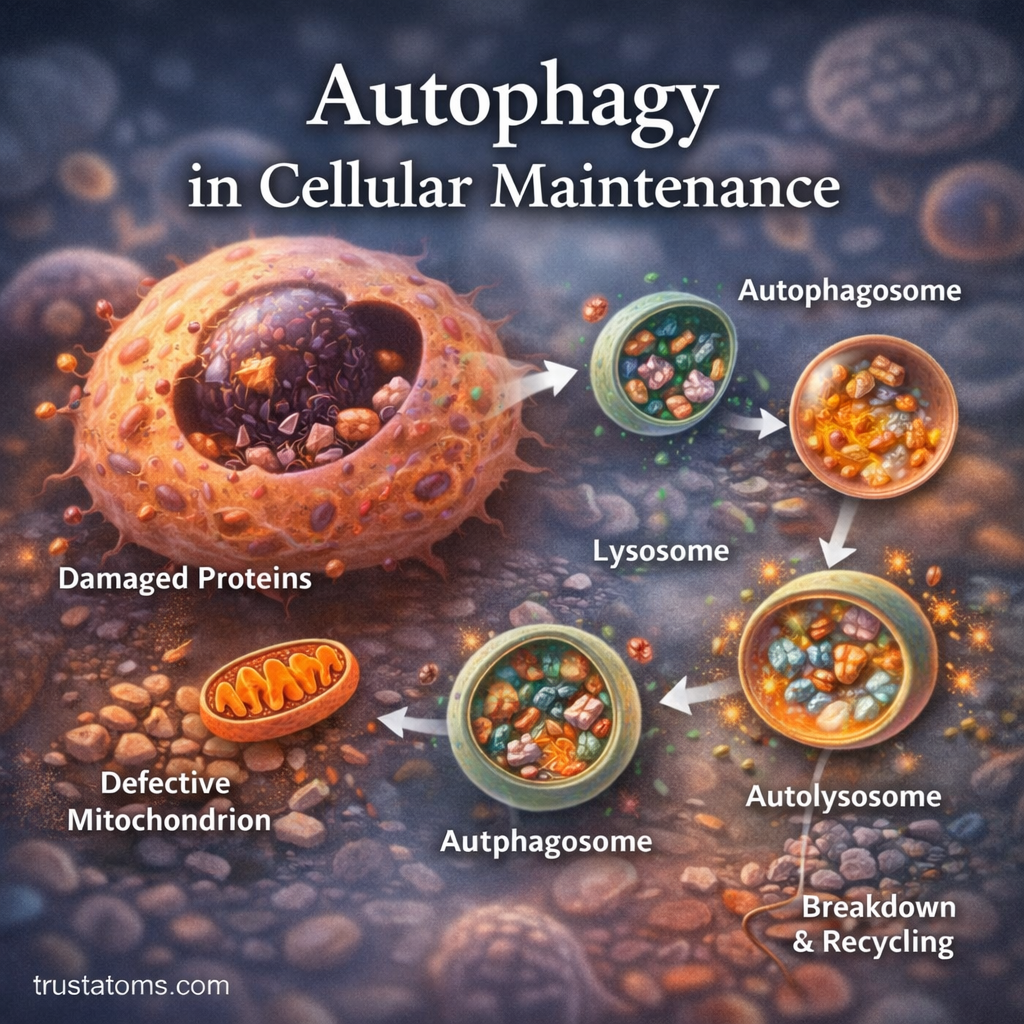
Biotechnology has transformed modern medicine by allowing scientists to use living cells, biological molecules, and genetic technologies to diagnose, treat, and prevent diseases. From life-saving vaccines to advanced gene therapies, biotechnology plays a central role in many of the medical innovations used today.
Medical biotechnology combines biology, genetics, molecular science, and technology to create treatments that improve human health. These technologies allow scientists to better understand diseases and develop targeted therapies that were not possible in the past.
Today, biotechnology is used in areas such as drug development, genetic testing, vaccine production, and personalized medicine.
What Is Medical Biotechnology?
Medical biotechnology refers to the use of biological systems and living organisms to develop medical treatments and diagnostic tools.
Researchers often work with:
- DNA and genetic material
- Cells and tissues
- Microorganisms such as bacteria and viruses
- Proteins and enzymes
By studying how biological systems function, scientists can design therapies that interact with the body at the molecular level.
Medical biotechnology focuses on improving health outcomes by developing safer, more effective treatments.
Why Biotechnology Is Important in Medicine
Biotechnology has dramatically improved the way doctors diagnose and treat diseases.
Some of the major benefits include:
- Development of targeted drugs
- Faster disease detection
- Improved vaccine technology
- Better understanding of genetic disorders
- Personalized treatment options
Because biotechnology operates at the molecular level, it allows treatments to address the root causes of diseases rather than just managing symptoms.
Major Applications of Biotechnology in Medicine
Biotechnology influences many areas of modern healthcare.
Biopharmaceutical Drug Development
Biopharmaceuticals are medicines produced using living cells or biological processes.
Unlike traditional chemical drugs, these treatments are often proteins, antibodies, or other biological molecules designed to interact with specific targets in the body.
Examples include:
- Insulin used to treat diabetes
- Monoclonal antibody therapies for cancer and autoimmune diseases
- Hormone replacement treatments
- Blood clotting factors for bleeding disorders
Biotechnology allows scientists to produce these complex molecules safely and consistently.
Vaccine Development
Vaccines are one of the most important achievements in medical biotechnology.
Modern vaccine technologies use biotechnology to safely train the immune system to recognize harmful pathogens.
Common biotechnology-based vaccine approaches include:
- Recombinant protein vaccines
- Viral vector vaccines
- mRNA vaccines
- DNA vaccines
These technologies allow vaccines to be developed more quickly and with greater precision than traditional methods.
Gene Therapy
Gene therapy is an emerging medical treatment that aims to correct genetic disorders by modifying or replacing faulty genes.
Gene therapy techniques may involve:
- Replacing defective genes with healthy copies
- Deactivating harmful genes
- Introducing new genes to help fight disease
Researchers are exploring gene therapy for conditions such as:
- Sickle cell disease
- Muscular dystrophy
- Certain inherited blindness disorders
- Some types of cancer
Although still developing, gene therapy represents one of the most promising areas of biotechnology.
Genetic Testing and Diagnostics
Biotechnology has greatly improved disease detection and diagnosis.
Modern genetic testing allows doctors to identify specific mutations linked to diseases.
Common uses include:
- Screening for inherited genetic disorders
- Identifying cancer-related mutations
- Detecting infectious diseases
- Predicting risk for certain health conditions
These tests help doctors provide earlier and more accurate diagnoses.
Personalized Medicine
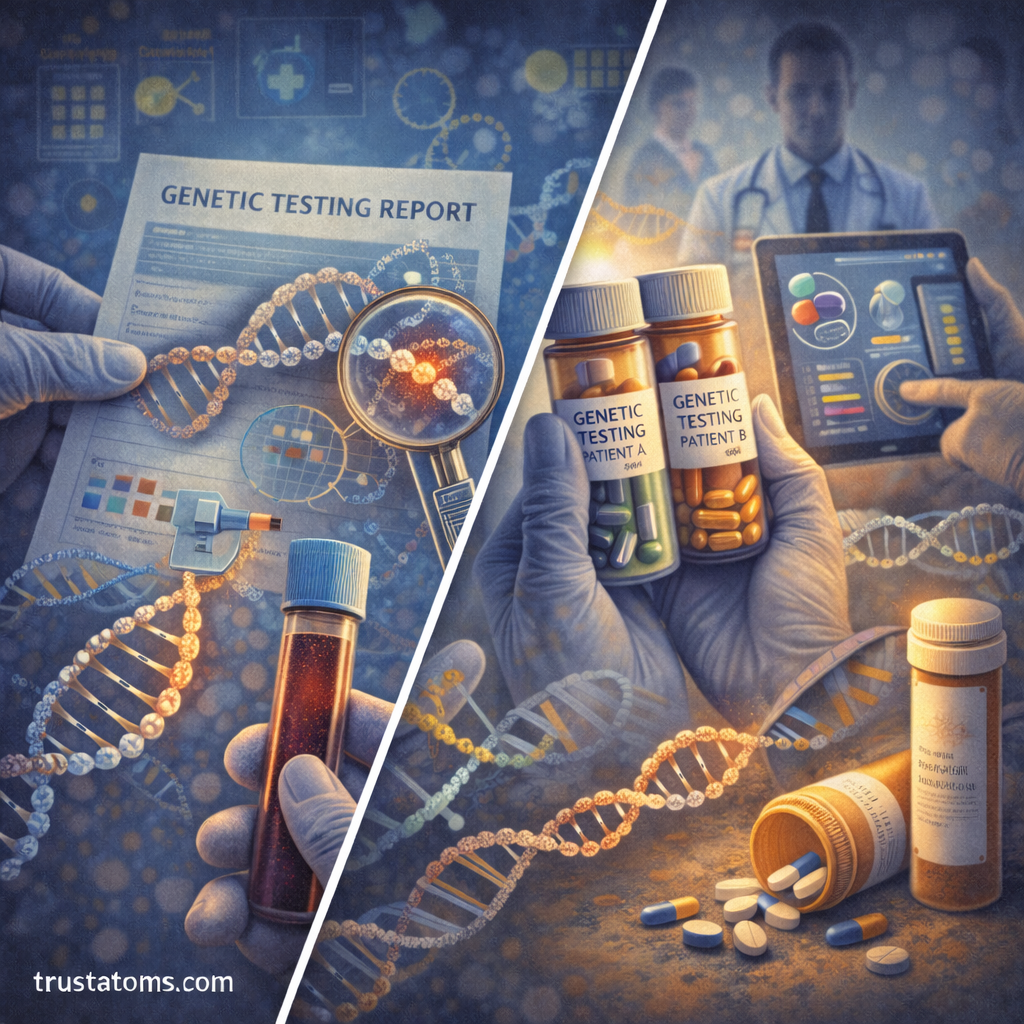
Personalized medicine uses genetic information to tailor treatments to individual patients.
Because people respond differently to medications, biotechnology allows doctors to design treatments based on a person’s genetic profile.
Personalized medicine may help:
- Select the most effective drug for a patient
- Avoid medications that cause side effects
- Improve treatment success rates
Advances in genetic sequencing are making personalized medicine increasingly practical.
Stem Cell Therapy
Stem cells are special cells that can develop into many different cell types in the body.
Biotechnology research is exploring how stem cells can repair or replace damaged tissues.
Potential medical uses include:
- Regenerating damaged heart tissue
- Treating spinal cord injuries
- Replacing damaged skin or organs
- Studying disease development
Stem cell research remains an active and rapidly evolving field in biotechnology.
Monoclonal Antibody Therapies
Monoclonal antibodies are laboratory-produced proteins designed to target specific molecules in the body.
These therapies can:
- Help the immune system attack cancer cells
- Block harmful immune responses
- Neutralize viruses or toxins
Monoclonal antibody treatments are widely used for:
- Cancer therapies
- Autoimmune diseases
- Infectious diseases
Biotechnology enables the precise design of these targeted therapies.
Biotechnology in Cancer Treatment
Cancer research has benefited greatly from biotechnology.
Scientists now use genetic and molecular techniques to understand how cancer develops and spreads.
Biotechnology-based cancer treatments include:
- Targeted therapies
- Immunotherapies
- Cancer vaccines
- Genetic screening for cancer risk
These treatments aim to attack cancer cells while minimizing damage to healthy tissues.
Advantages of Biotechnology in Medicine
Medical biotechnology offers several major advantages.
Key benefits include:
- More precise treatments
- Earlier disease detection
- Improved vaccine development
- Reduced side effects from targeted therapies
- Increased understanding of genetic diseases
These advantages have significantly improved patient outcomes worldwide.
Challenges and Ethical Considerations
Despite its benefits, biotechnology in medicine also raises important challenges.
Some concerns include:
- Ethical issues surrounding gene editing
- High costs of advanced therapies
- Regulation of new medical technologies
- Long-term safety of certain treatments
Scientists and policymakers work together to ensure biotechnology is used responsibly and safely.
The Future of Biotechnology in Medicine
Biotechnology continues to advance rapidly, and new discoveries are expanding what medicine can achieve.
Future developments may include:
- Gene editing therapies that cure inherited diseases
- Artificial organs grown in laboratories
- Advanced cancer immunotherapies
- Personalized treatments based on genetic data
- Rapid-response vaccine technologies
As biotechnology evolves, it will likely play an even greater role in shaping the future of healthcare.
Final Thoughts
Biotechnology has revolutionized modern medicine by allowing scientists to develop advanced treatments based on biological systems and genetic research. From vaccines and gene therapy to personalized medicine and targeted cancer treatments, biotechnology continues to transform how diseases are diagnosed and treated.
As research progresses, biotechnology will remain a key driver of medical innovation, offering new solutions to many of the world’s most complex health challenges.