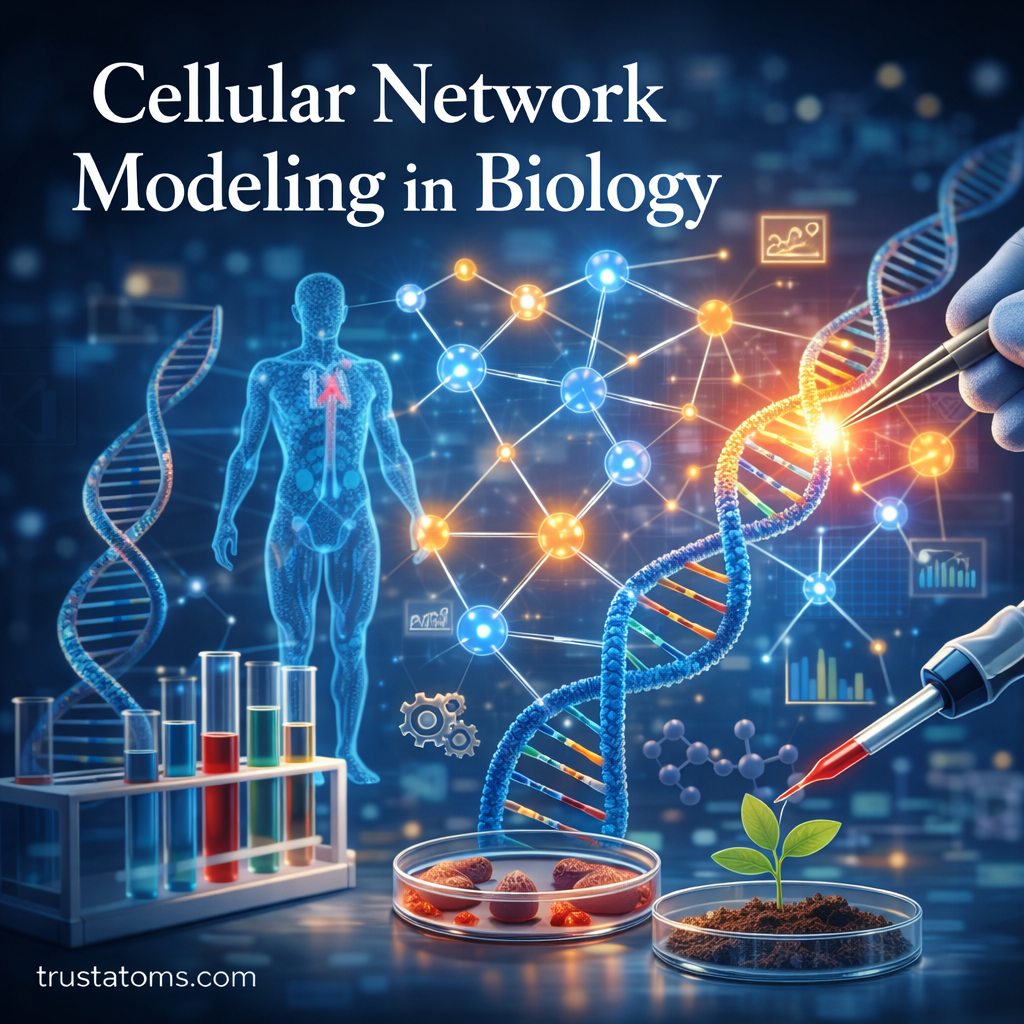
Biotechnology has transformed modern medicine by allowing scientists to use living cells, biological molecules, and genetic technologies to diagnose, treat, and prevent diseases. Its medical applications include producing insulin, developing vaccines, detecting genetic disorders, engineering immune cells, and creating treatments for certain inherited diseases.
These advances build on discoveries in the science of biology, particularly genetics, molecular biology, and immunology. By understanding how cells and biological molecules function, researchers can develop treatments that target specific disease mechanisms rather than relying entirely on broader approaches.
Not every biotechnology-based treatment is suitable for every patient. Effectiveness, safety, cost, and regulatory approval depend on the particular technology and medical condition.
What Is Medical Biotechnology?
Medical biotechnology applies biological systems, cells, and molecular techniques to healthcare. Researchers use microorganisms, proteins, DNA, and human cells to manufacture medicines, develop diagnostic tests, and investigate new treatments.
For example, scientists can introduce a human gene into specially prepared microorganisms, allowing them to manufacture a medically useful protein. The protein is then purified and tested before it can be used as a medicine.
Modern biotechnology also includes gene-editing methods such as CRISPR technology, which enables researchers to make targeted changes to DNA. Medical applications require extensive testing because unintended genetic changes and other complications can affect safety.
Major Applications of Biotechnology in Medicine
Biotechnology supports several areas of healthcare, from established medicines to specialized treatments for particular diseases. Some applications are routinely used in hospitals, while others remain experimental.
Genetic interventions also raise questions about informed consent, long-term monitoring, and appropriate medical uses. These issues are examined in research on genome editing ethics and applications.
Biopharmaceuticals and Recombinant Insulin
Biopharmaceuticals are medicines produced using living cells or biological processes. Many contain complex proteins that would be difficult to manufacture through conventional chemical synthesis.
Common examples include insulin, certain hormones, blood-clotting factors, and therapeutic antibodies.
How Biotechnology Produces Human Insulin
Insulin provides a practical example of biotechnology in everyday healthcare. People with type 1 diabetes need insulin treatment because their bodies produce little or none of this hormone.
Manufacturers can produce human insulin using genetically engineered bacteria or yeast. The process generally involves several stages:
- Scientists introduce genetic instructions for producing insulin into suitable microorganisms.
- The microorganisms grow under controlled manufacturing conditions and produce the required protein or its precursors.
- The product is processed, purified, and tested for identity, purity, and biological activity.
- The purified insulin is formulated into a medicine suitable for patient use.
This manufacturing approach provides a reliable source of insulin without depending on extraction from animal pancreases. Biotechnology also supports the production of insulin analogs with different absorption and duration characteristics.
Biotechnology in Vaccine Development
Vaccines prepare the immune system to recognize specific pathogens or their components. Biotechnology allows researchers to manufacture selected antigens or deliver genetic instructions that cause cells to produce an antigen temporarily.
Several vaccine technologies use these approaches:
- Recombinant protein vaccines contain selected proteins manufactured using biological production systems.
- mRNA vaccines deliver instructions that allow cells to produce a target antigen.
- Viral vector vaccines use modified viruses to deliver genetic instructions into cells.
- DNA vaccines introduce genetic material encoding an antigen, although their clinical availability varies.
For example, recombinant hepatitis B vaccines contain a viral surface antigen produced through biotechnology. This antigen stimulates an immune response without exposing recipients to infectious hepatitis B virus.
Different vaccine platforms have different manufacturing requirements, storage needs, and safety considerations. All vaccines require appropriate evaluation before authorization for human use.
Gene Therapy for Inherited Diseases
Gene therapy aims to treat disease by introducing, replacing, modifying, or regulating genetic material within a patient’s cells. Some approaches provide functional copies of genes, while others modify existing DNA.
Researchers use different gene therapy technologies depending on the disease and target tissue. Treatments may deliver genetic material directly into the body or modify cells outside the body before returning them to the patient.
Gene editing is one specialized approach. Advances in modern gene editing technologies allow researchers to investigate targeted DNA modifications for certain inherited conditions.
Sickle Cell Disease as a Treatment Example
Sickle cell disease is an inherited blood disorder associated with abnormal hemoglobin. Certain approved gene-based treatments modify a patient’s blood-forming stem cells to improve the production or function of hemoglobin.
These treatments involve specialized procedures, including collecting cells, modifying them, and preparing the patient to receive them. They may offer substantial benefits to eligible patients but also involve significant risks, costs, and long-term follow-up.
Genetic Testing and Molecular Diagnostics
Biotechnology allows laboratories to examine DNA, RNA, proteins, and other biological markers associated with disease. These tests can help clinicians identify inherited disorders, detect infections, and investigate genetic changes in tumors.
Common diagnostic methods include polymerase chain reaction (PCR), DNA sequencing, and molecular assays that detect specific biological targets.
For example, PCR can amplify a selected DNA sequence, making small amounts of genetic material easier to detect. Related molecular methods can detect RNA from certain viruses after converting it into complementary DNA.
Test results require clinical interpretation. A positive genetic finding does not always mean someone will develop a particular disease, and a negative result may not exclude every possible cause.
Personalized Medicine and Pharmacogenomics
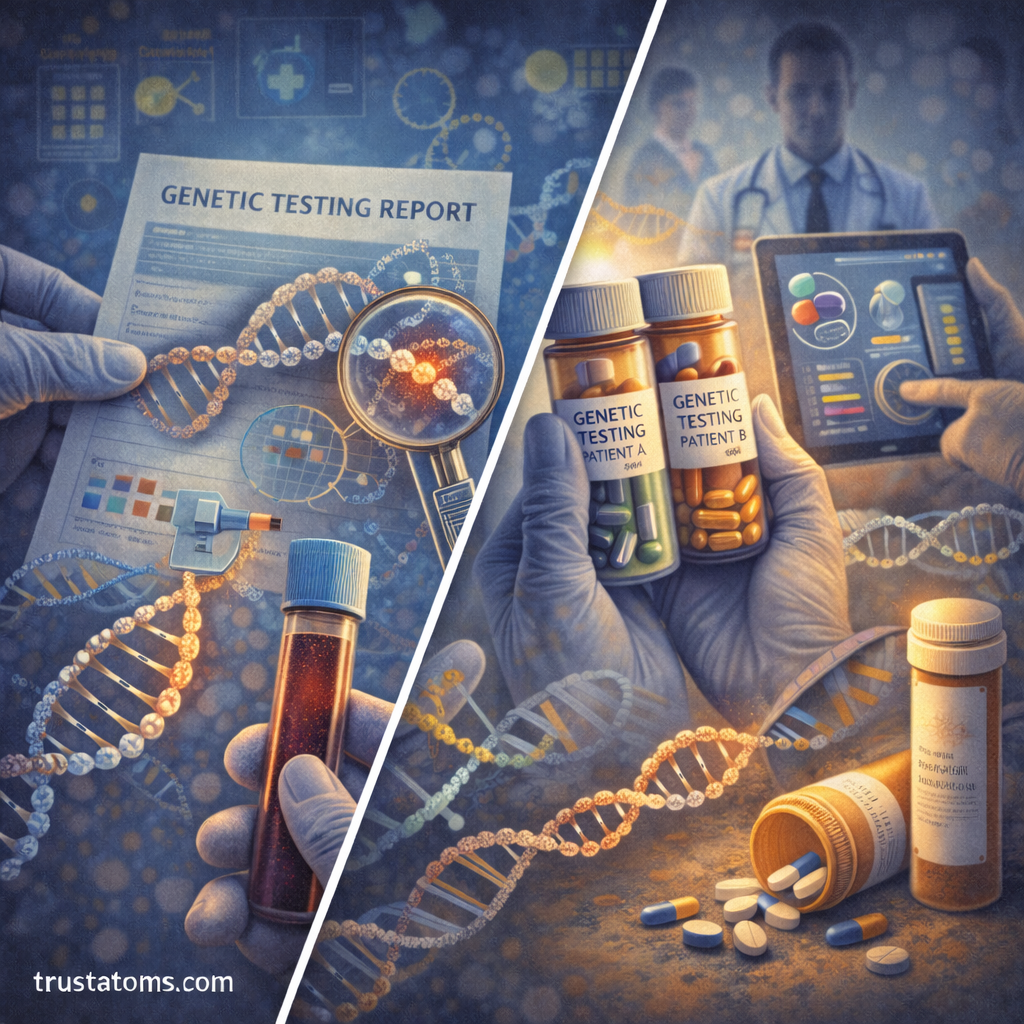
Personalized medicine uses information about a patient’s genes, medical history, and biological characteristics to guide healthcare decisions. The goal is to select treatments that are more appropriate for an individual’s condition.
Pharmacogenomics specifically examines how genetic differences influence medication responses. Some genetic variants affect how quickly the body processes certain drugs, potentially changing their effectiveness or the risk of adverse reactions.
For example, variations in the CYP2C19 gene can influence how some patients activate clopidogrel, a medication used to reduce blood clot formation. Genetic information may help clinicians evaluate alternative treatment strategies when appropriate.
Not every medication requires genetic testing. Treatment decisions also depend on other medical conditions, potential drug interactions, and established clinical guidelines.
Monoclonal Antibodies and Targeted Treatments
Monoclonal antibodies are laboratory-produced proteins designed to recognize particular molecular targets. They can block signaling pathways, interfere with inflammatory processes, or help the immune system recognize certain cells.
These medicines are used for selected cancers, autoimmune diseases, and other conditions. For example, some antibodies target HER2, a protein present at unusually high levels in certain breast cancers.
Although targeted treatments may be more selective than some conventional therapies, they can still cause significant side effects. Their effectiveness depends on the disease and whether the relevant molecular target is present.
Biotechnology in Cancer Immunotherapy
Cancer immunotherapy uses the immune system to recognize or attack cancer cells. Biotechnology supports treatments such as immune checkpoint inhibitors, engineered immune cells, and therapeutic antibodies.
One example is CAR T-cell therapy, in which a patient’s T cells are collected and genetically modified to recognize a selected target on cancer cells. The modified cells are multiplied and returned to the patient.
CAR T-cell therapies are approved for certain blood cancers, but they are not appropriate for every cancer type. Serious complications, including excessive inflammatory responses, require specialized monitoring and treatment.
Stem Cells and Regenerative Medicine
Stem cells can renew themselves and, depending on their type, develop into specialized cells. Researchers investigate how these properties might support tissue repair, disease modeling, and regenerative treatments.
Blood-forming stem cell transplantation is an established treatment for certain blood disorders and cancers. Other applications, including attempts to regenerate damaged heart or nerve tissue, remain subjects of ongoing research.
Claims about stem cell treatments should be evaluated carefully because many advertised interventions have not demonstrated safety or effectiveness through rigorous clinical studies.
Comparing Medical Biotechnology Applications
| Application | Primary Purpose | Example |
|---|---|---|
| Recombinant medicines | Produce therapeutic biological molecules | Human insulin |
| Vaccines | Prepare immune defenses | Hepatitis B vaccine |
| Gene therapy | Modify or introduce genetic material | Selected inherited disease treatments |
| Molecular diagnostics | Detect genetic or molecular targets | PCR testing |
| Pharmacogenomics | Guide medication selection | CYP2C19 testing |
| Cell-based immunotherapy | Use modified immune cells against disease | CAR T-cell therapy |
Safety, Cost, and Ethical Challenges
Medical biotechnology presents challenges beyond developing a treatment that works under laboratory conditions. Researchers must establish safety, manufacturing consistency, appropriate patient selection, and meaningful clinical benefits.
Major concerns include high treatment costs, unequal access to specialized care, genetic privacy, unintended effects of gene editing, and uncertainty about long-term outcomes.
Regulatory agencies evaluate medical products using evidence from laboratory testing, manufacturing assessments, and clinical studies. Some advanced therapies also require continued monitoring after approval to identify uncommon or delayed complications.
Future Developments in Medical Biotechnology
Researchers are investigating improved gene-delivery systems, more precise genome editing, engineered tissues, and treatments tailored to molecular characteristics of disease.
Advances in sequencing and computational analysis may also help identify patients who are more likely to benefit from particular therapies. However, promising laboratory results must be confirmed through carefully designed clinical studies before new treatments become established medical options.
Frequently Asked Questions
What is the most common example of biotechnology in medicine?
Recombinant human insulin is a well-established example. Genetically engineered microorganisms manufacture insulin that is purified and formulated for diabetes treatment. Biotechnology is also widely used in vaccines, diagnostic testing, and therapeutic antibody production.
Can biotechnology cure genetic diseases?
Some gene-based treatments can provide major, potentially lasting benefits for particular inherited conditions. However, results vary by disease and treatment, and long-term monitoring may be necessary. Most genetic disorders do not currently have an established gene therapy.
Is medical biotechnology safe?
Safety depends on the specific product, its intended use, and the available clinical evidence. Approved treatments undergo regulatory evaluation, but they may still have side effects or limitations. Experimental treatments require additional investigation before their benefits and risks are fully understood.
Medical biotechnology already supports established treatments such as recombinant insulin, vaccines, molecular diagnostics, and therapeutic antibodies. Newer approaches, including gene editing and engineered immune cells, are expanding treatment possibilities for selected conditions, but their use must be guided by clinical evidence, safety monitoring, and appropriate patient selection.
Sources: National Human Genome Research Institute (NHGRI), Gene Therapy and Genome Editing resources; U.S. Food and Drug Administration (FDA), Cellular and Gene Therapy Products and Biological Products resources; National Cancer Institute (NCI), Immunotherapy to Treat Cancer.