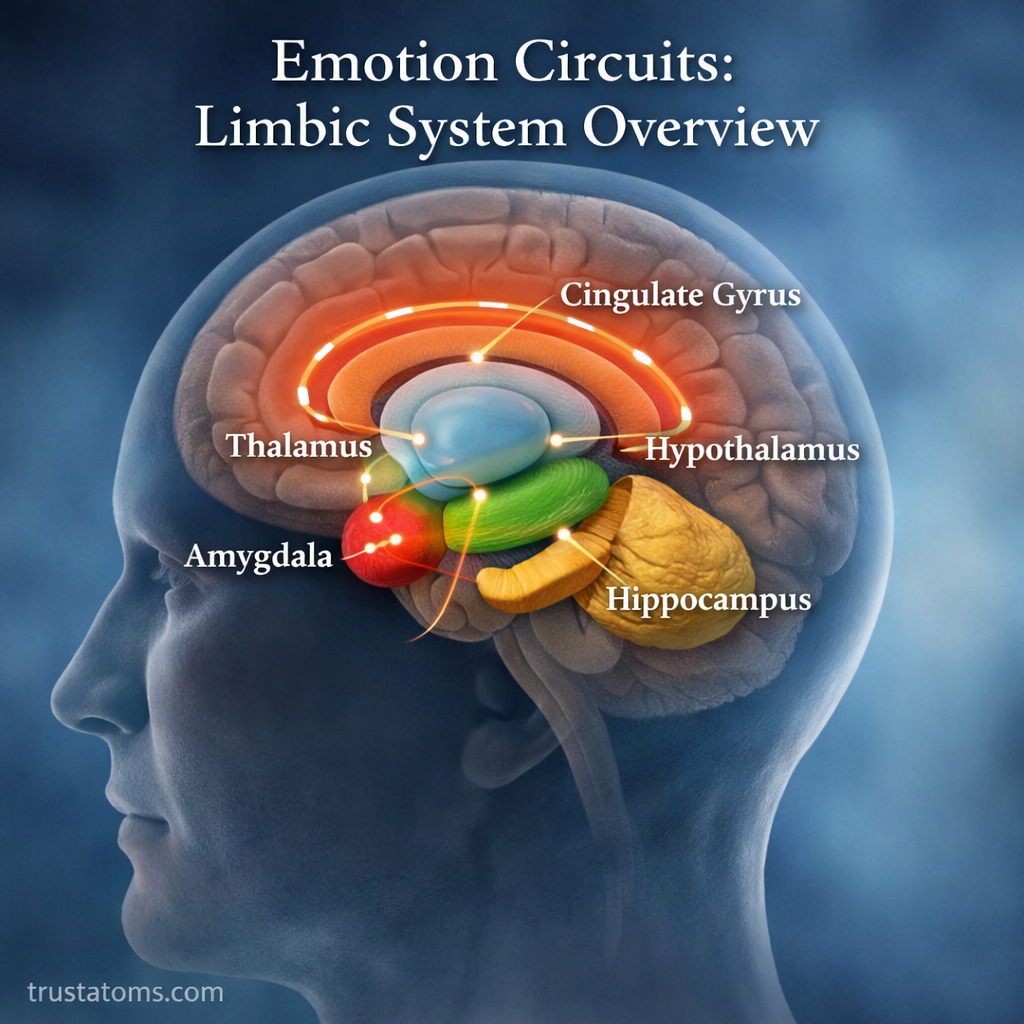
The human brain is not just a thinking machine—it is also an emotional engine. At the center of this emotional processing lies the limbic system, a network of interconnected brain structures responsible for emotions, memory, motivation, and behavior.
Understanding the limbic system helps explain why we feel fear, form attachments, react to stress, and store emotionally significant memories. It is a core part of how we experience the world and respond to it.
What Is the Limbic System?
The limbic system is a group of brain structures located deep within the brain, surrounding the brainstem. Rather than being a single organ, it functions as a coordinated network that integrates emotional and physiological responses.
It plays a central role in:
- Emotional regulation
- Memory formation
- Motivation and reward
- Survival behaviors (fear, aggression, pleasure)
- Hormonal responses linked to emotions
This system connects closely with both the cerebral cortex (thinking brain) and the autonomic nervous system (body regulation), allowing emotions to influence both thoughts and physical reactions.
Key Structures of the Limbic System
Amygdala: The Fear and Emotion Center
The amygdala is one of the most critical components of the limbic system. It processes emotional stimuli, especially those related to fear and threat.
Functions include:
- Detecting danger and triggering fear responses
- Assigning emotional significance to experiences
- Influencing aggression and social behavior
For example, when you quickly react to a loud noise, your amygdala is responsible for initiating that immediate response.
Hippocampus: Memory and Context
The hippocampus is essential for forming and organizing memories, particularly those tied to emotions.
Key roles:
- Converting short-term memories into long-term memories
- Linking emotions to specific experiences
- Supporting spatial navigation
Emotional events—such as a meaningful conversation or a stressful moment—are often remembered more vividly because of hippocampal involvement.
Hypothalamus: Linking Emotion and the Body
The hypothalamus connects the limbic system to the endocrine system (hormones) and autonomic nervous system.
It regulates:
- Heart rate and blood pressure
- Hunger and thirst
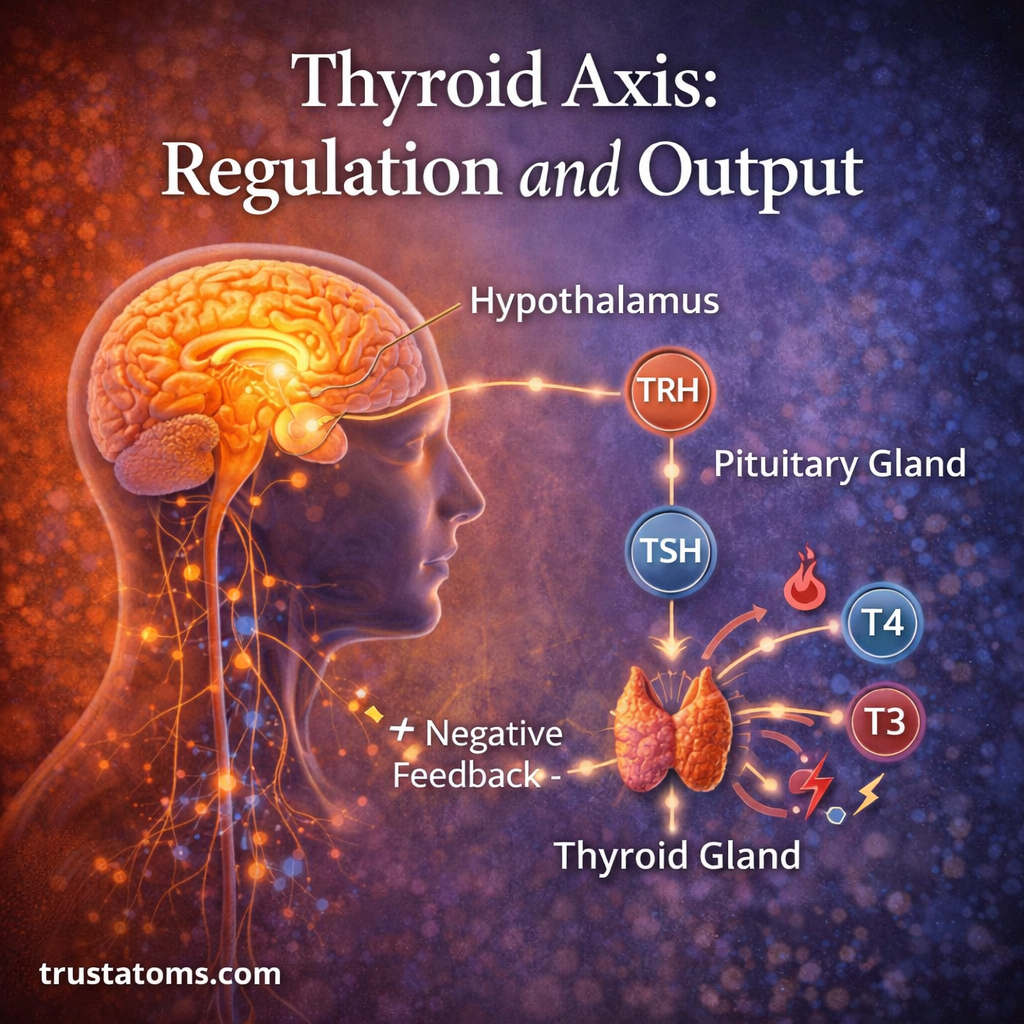
- Hormone release (via the pituitary gland)
- Stress responses (fight-or-flight)
When emotions trigger physical reactions—like sweating when nervous—the hypothalamus is actively involved.
Thalamus: Sensory Relay Hub
The thalamus acts as a relay station, directing sensory information to appropriate parts of the brain.
Its role in the limbic system includes:
- Sending sensory signals to emotional processing centers
- Supporting awareness of emotional stimuli
Although not exclusively part of the limbic system, it plays a key supporting role in emotional perception.
Cingulate Gyrus: Emotional Awareness and Regulation
The cingulate gyrus helps process emotions and regulate behavior.
Functions include:
- Emotional awareness and interpretation
- Decision-making influenced by emotion
- Pain perception (both physical and emotional)
It helps bridge emotional experience with conscious thought.
How Emotion Circuits Work Together
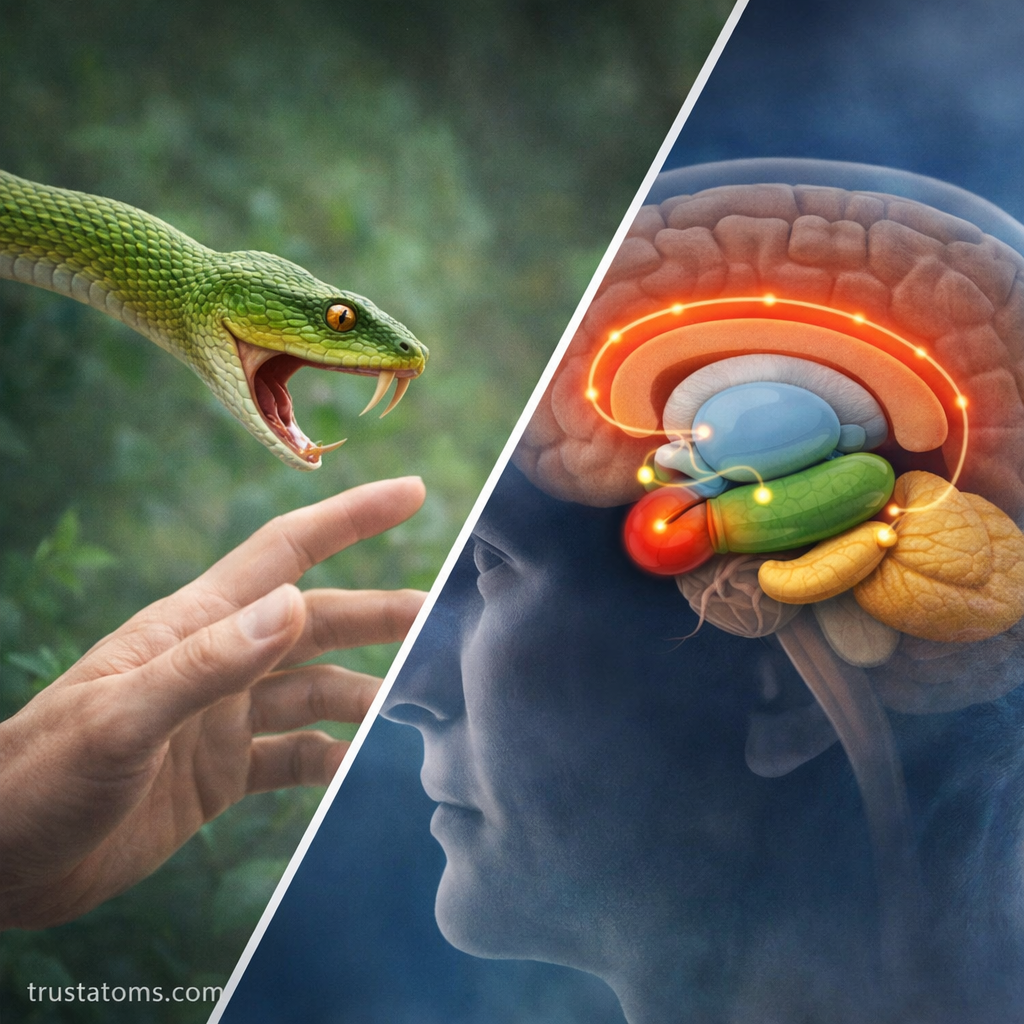
The limbic system operates as an integrated network rather than isolated parts. When you encounter a stimulus, multiple structures activate simultaneously.
Example: Encountering a Threat
- Sensory input (e.g., seeing a snake) reaches the thalamus
- The amygdala rapidly evaluates danger
- The hypothalamus triggers a physical response (increased heart rate, adrenaline)
- The hippocampus compares the situation with past experiences
- The cortex interprets and decides how to respond
This coordinated activity allows for both fast reactions and thoughtful responses.
The Limbic System and Emotional Memory
One of the most important features of the limbic system is its role in emotional memory.
Emotions enhance memory by:
- Increasing attention and focus
- Strengthening neural connections
- Prioritizing survival-relevant experiences
This is why emotionally intense events—both positive and negative—are often easier to recall.
The Role of Neurotransmitters in Emotion
The limbic system relies on chemical messengers called neurotransmitters to regulate mood and emotional states.
Key neurotransmitters include:
- Dopamine – associated with reward and pleasure
- Serotonin – influences mood stability and well-being
- Norepinephrine – linked to alertness and stress responses
Imbalances in these chemicals can affect emotional regulation and are often associated with mood disorders.
Limbic System and Behavior
The limbic system strongly influences behavior, especially behaviors tied to survival and motivation.
Examples include:
- Seeking food or shelter
- Forming social bonds and attachments
- Avoiding danger
- Pursuing rewards
It helps determine not just what we feel, but how we act on those feelings.
Limbic System and Stress Response
The limbic system plays a central role in how the body responds to stress.
Fight-or-Flight Activation
- The amygdala detects threat
- The hypothalamus activates the stress response
- Hormones like cortisol and adrenaline are released
This prepares the body to either confront or escape danger.
Chronic Stress Effects
When stress is prolonged:
- The amygdala may become overactive
- The hippocampus can be impaired (affecting memory)
- Emotional regulation may become more difficult
Limbic System and Mental Health
Dysfunction in the limbic system is associated with several mental health conditions.
Examples include:
- Anxiety disorders – overactive amygdala responses
- Depression – altered neurotransmitter balance and limbic activity
- Post-traumatic stress disorder (PTSD) – heightened fear responses and memory disruptions
Understanding these circuits is essential for developing treatments and therapies.
How the Limbic System Interacts With the Cortex
The limbic system does not operate alone—it works closely with the prefrontal cortex, which is responsible for reasoning and decision-making.
This interaction allows for:
- Regulation of emotional impulses
- Thoughtful decision-making
- Socially appropriate behavior
For example, while the amygdala may trigger fear, the cortex can assess whether the threat is real and adjust the response.
Final Thoughts
The limbic system is the brain’s emotional core, shaping how we feel, remember, and react. By connecting emotions to memory, behavior, and physical responses, it plays a vital role in everyday life.
From quick survival instincts to deep emotional experiences, the limbic system helps define what it means to be human. Understanding these emotion circuits not only provides insight into behavior but also offers a foundation for improving mental health and emotional well-being.