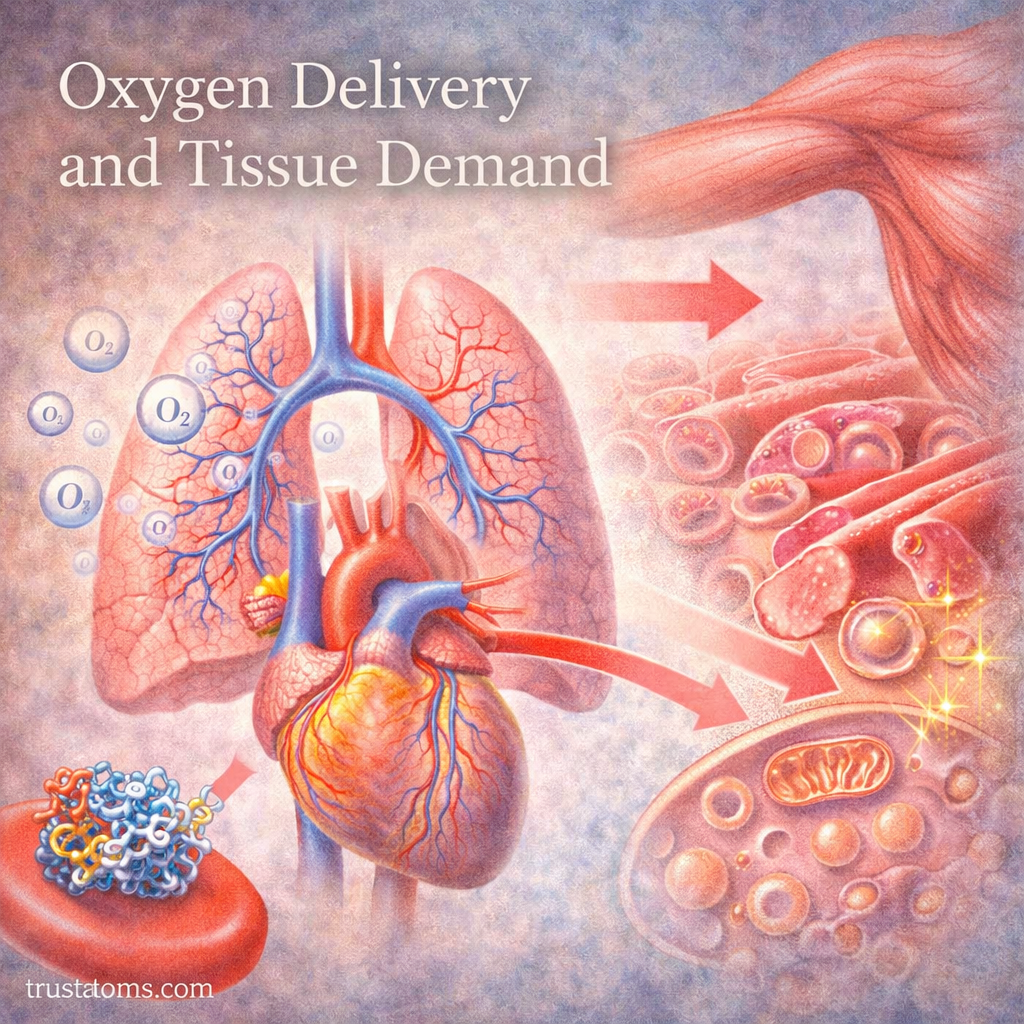
Oxygen delivery is a fundamental process that allows cells to produce energy and maintain normal function. Every tissue in the body depends on a steady supply of oxygen, and the body continuously adjusts blood flow to match changing demands.
This balance between oxygen delivery and tissue demand is essential for survival, especially during activities like exercise, stress, or illness.
What Is Oxygen Delivery?
Oxygen delivery refers to the process of transporting oxygen from the lungs to body tissues through the bloodstream.
It involves three main components:
- The lungs (oxygen uptake)
- The blood (oxygen transport)
- The cardiovascular system (circulation)
Together, these systems ensure that oxygen reaches cells efficiently.
How Oxygen Is Transported in the Blood
Oxygen is primarily carried by hemoglobin, a protein found in red blood cells.
Role of Hemoglobin
- Binds oxygen in the lungs
- Releases oxygen in tissues
- Allows efficient transport throughout the body
A small amount of oxygen is also dissolved directly in plasma, but this contributes minimally compared to hemoglobin-bound oxygen.
What Determines Oxygen Delivery?
Oxygen delivery depends on several key factors working together.
Cardiac Output
Cardiac output is the amount of blood pumped by the heart per minute.
- Higher cardiac output → more oxygen delivered
- Lower cardiac output → reduced oxygen supply
Oxygen Content of Blood
This depends on:
- Hemoglobin levels
- Oxygen saturation
- Lung function
Blood Flow Distribution
The body directs blood to areas that need it most:
- Muscles during exercise
- Brain for constant function
- Digestive system after meals
Understanding Tissue Demand for Oxygen
Different tissues require different amounts of oxygen depending on their activity level.
High Oxygen Demand Tissues
- Muscles during physical activity
- Brain (constant high demand)
- Heart muscle
Low Oxygen Demand Tissues
- Resting skeletal muscle
- Certain connective tissues
The body must constantly adjust to meet these varying demands.
Matching Oxygen Delivery to Demand
The body uses several mechanisms to ensure balance.
Local Regulation of Blood Flow
Tissues can control their own blood supply based on need.
- Low oxygen levels → vasodilation (increased blood flow)
- High carbon dioxide → increased circulation
Increased Heart Activity
During higher demand:
- Heart rate increases
- Stroke volume increases
- More blood (and oxygen) is delivered
Redistribution of Blood Flow
The body prioritizes critical organs:
- Exercise → more blood to muscles
- Rest → more balanced distribution
Oxygen Extraction at the Tissue Level
Not all oxygen delivered is used by tissues.
Oxygen Extraction Ratio
This refers to how much oxygen is removed from the blood as it passes through tissues.
- Higher demand → increased extraction
- Lower demand → reduced extraction
Capillary Exchange
Oxygen moves from blood to tissues through diffusion:
- From areas of high concentration (blood)
- To areas of low concentration (cells)
Efficient capillary networks are essential for this process.
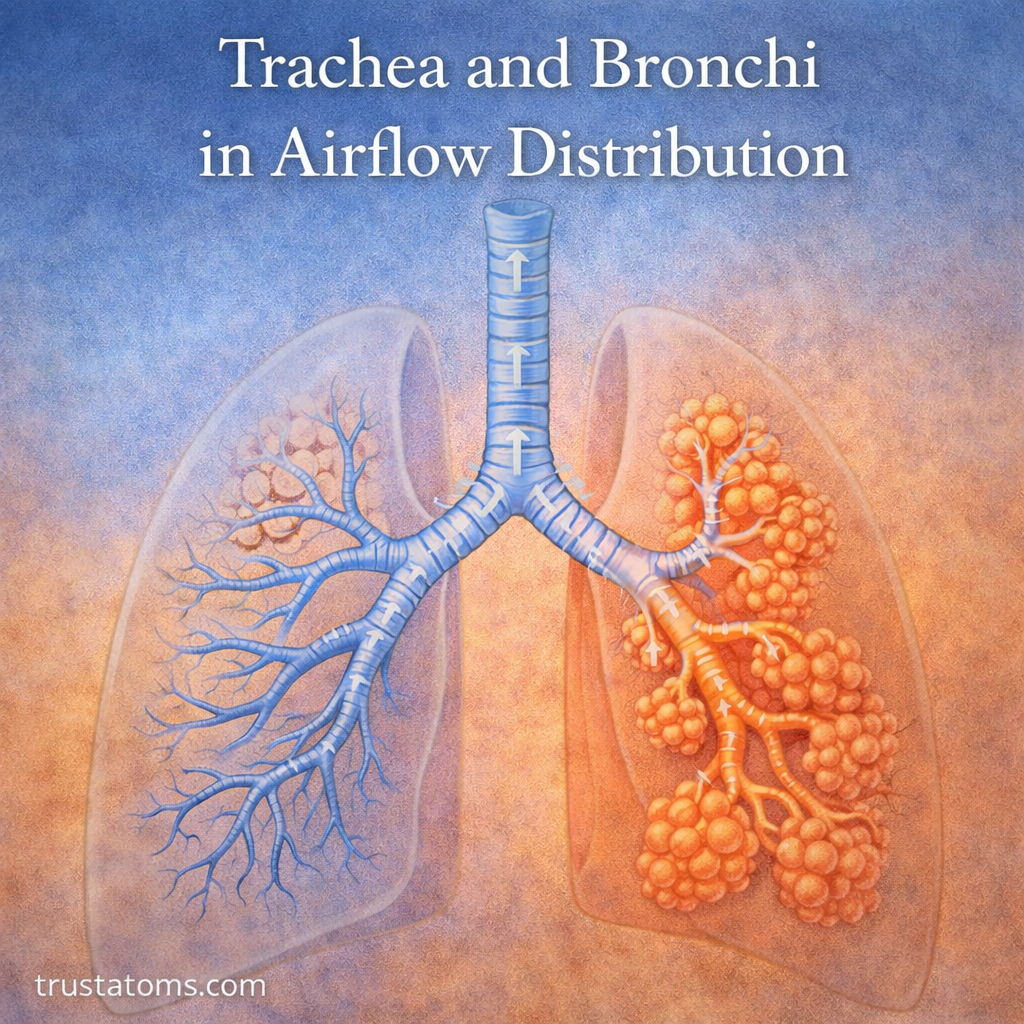
The Role of the Respiratory System
The lungs play a key role in maintaining oxygen supply.
Gas Exchange in the Lungs
- Oxygen enters the blood in the alveoli
- Carbon dioxide is removed
Ventilation Adjustments
During increased demand:
- Breathing rate increases
- Oxygen intake improves
This ensures a continuous supply of oxygen.
Factors That Affect Oxygen Delivery
Several factors can influence how effectively oxygen reaches tissues.
Positive Factors
- Good cardiovascular fitness
- Healthy lungs
- Adequate hemoglobin levels
Negative Factors
- Anemia (low hemoglobin)
- Poor circulation
- Lung disease
- High altitude (lower oxygen availability)
Oxygen Delivery During Exercise
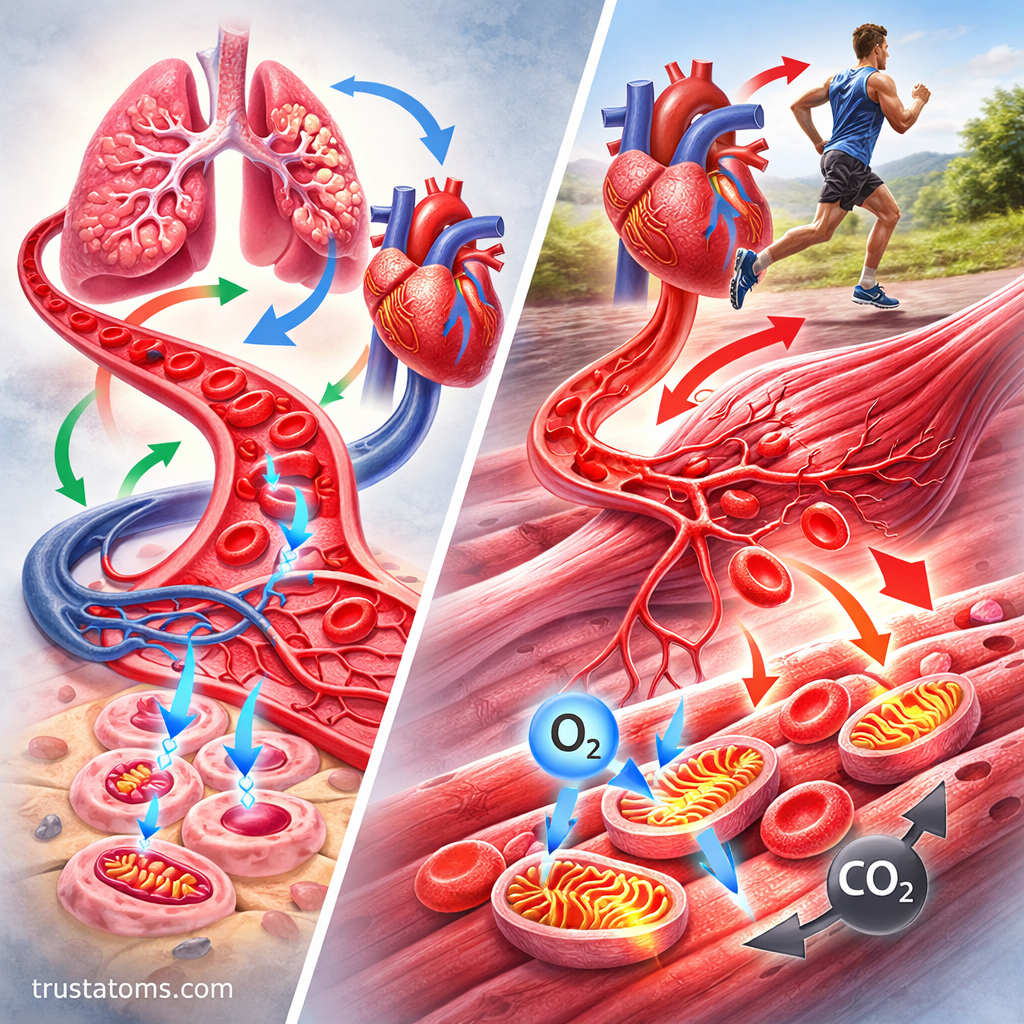
Exercise is a prime example of increased oxygen demand.
Physiological Changes
- Increased heart rate
- Increased breathing rate
- Enhanced blood flow to muscles
Muscle Adaptation
Over time, training leads to:
- More capillaries in muscle tissue
- Improved oxygen utilization
- Greater endurance
Imbalances Between Delivery and Demand
When oxygen delivery does not meet tissue demand, problems can occur.
Hypoxia
A condition where tissues do not receive enough oxygen.
Symptoms may include:
- Fatigue
- Shortness of breath
- Confusion
Ischemia
Reduced blood flow to tissues, leading to:
- Pain
- Tissue damage
- Organ dysfunction
How the Body Maintains Balance
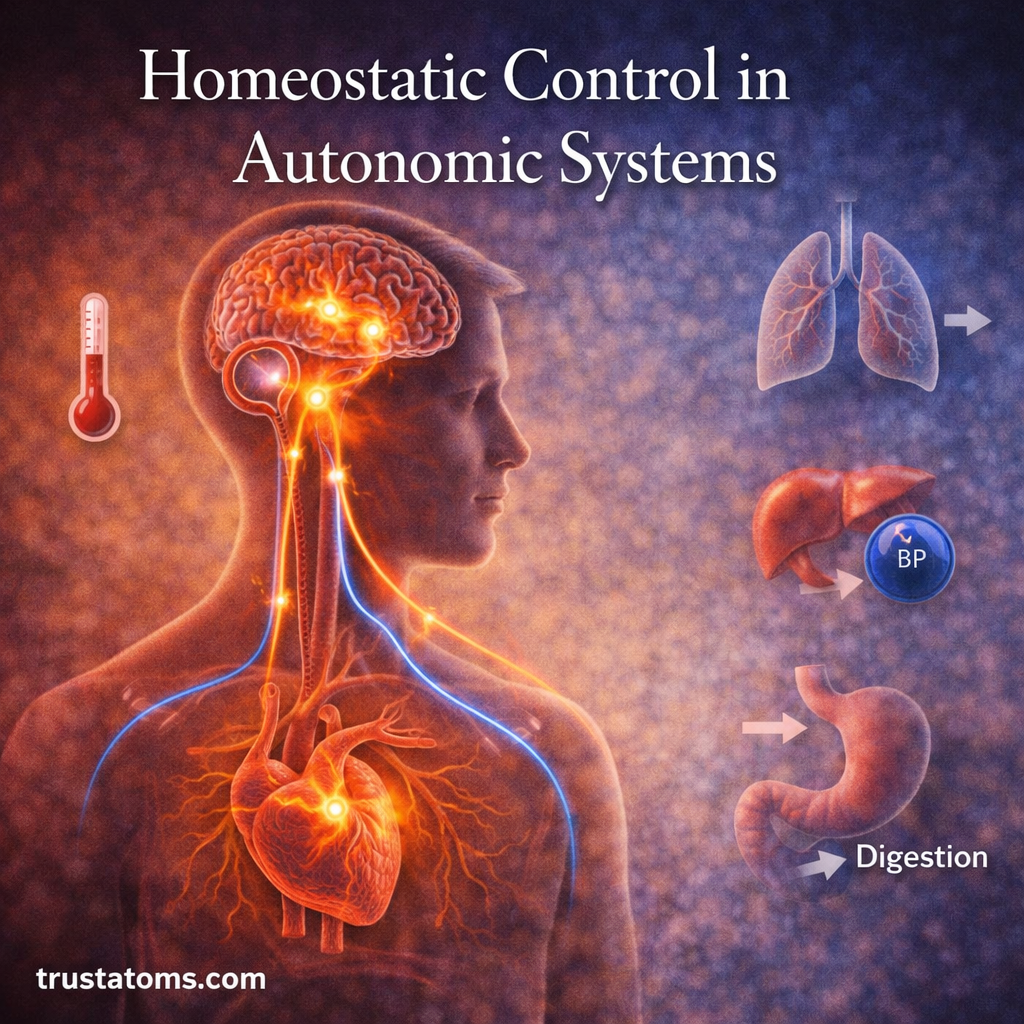
The body uses integrated systems to maintain equilibrium.
Coordinated Responses
- Nervous system adjusts heart rate
- Hormones influence circulation
- Local tissues regulate blood flow
This coordination ensures that oxygen delivery meets the body’s needs in real time.
Tips for Supporting Healthy Oxygen Delivery
Maintaining good oxygen delivery supports overall health and performance.
Practical Strategies
- Stay physically active
- Maintain a balanced diet (especially iron intake)
- Stay hydrated
- Avoid smoking
- Support cardiovascular and lung health
Final Thoughts
Oxygen delivery and tissue demand are closely linked processes that keep the body functioning efficiently. By adjusting blood flow, heart activity, and breathing, the body ensures that every cell receives the oxygen it needs.
Understanding this balance highlights the importance of cardiovascular health, respiratory function, and overall fitness in maintaining optimal performance and well-being.