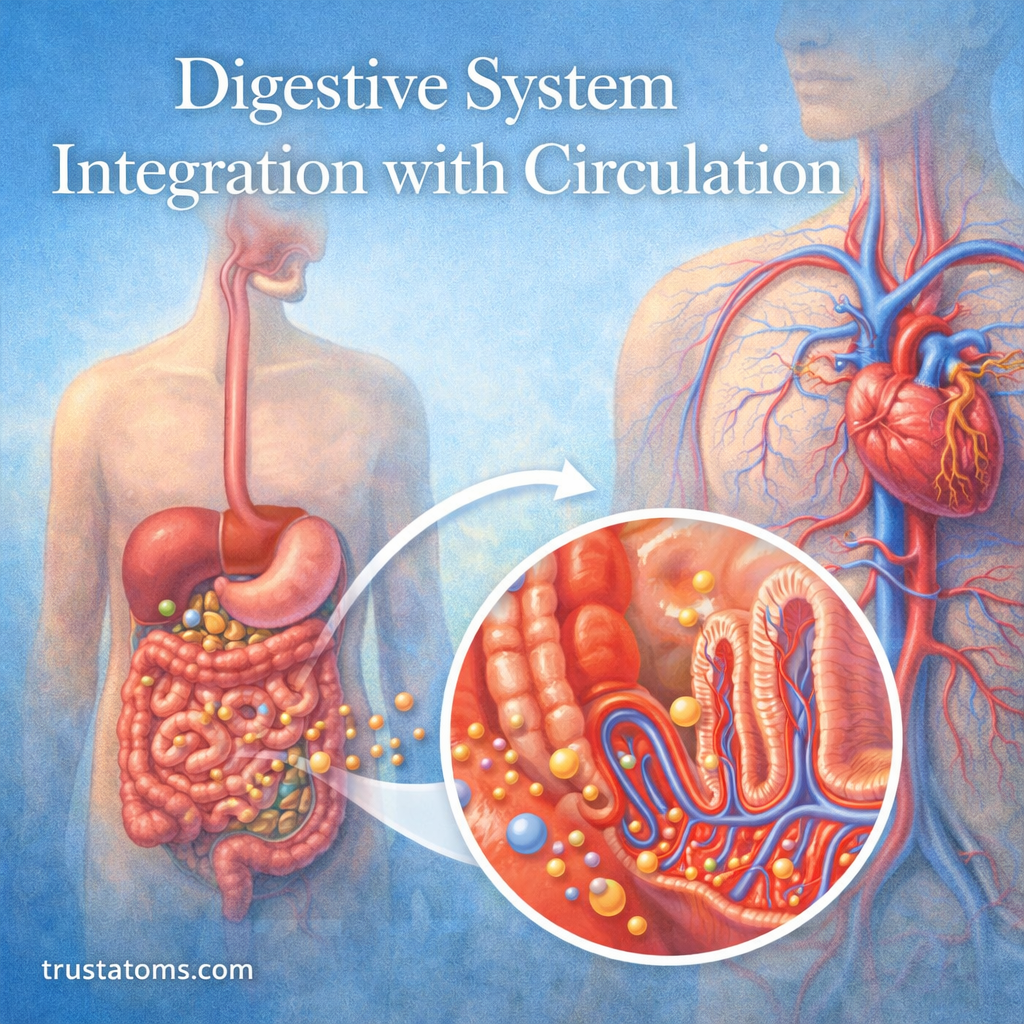
The digestive and circulatory systems work together by breaking food into absorbable nutrients, transferring those nutrients into blood or lymph, and delivering them to tissues throughout the body. Most nutrient absorption occurs in the small intestine, while the bloodstream carries absorbed substances to the liver and other organs for processing, storage, or immediate use.
This cooperation illustrates how different structures in human anatomy support one another. Digestion makes nutrients available, but circulation allows those nutrients to reach cells that need them for energy production, growth, and repair.
Overview of the Digestive System
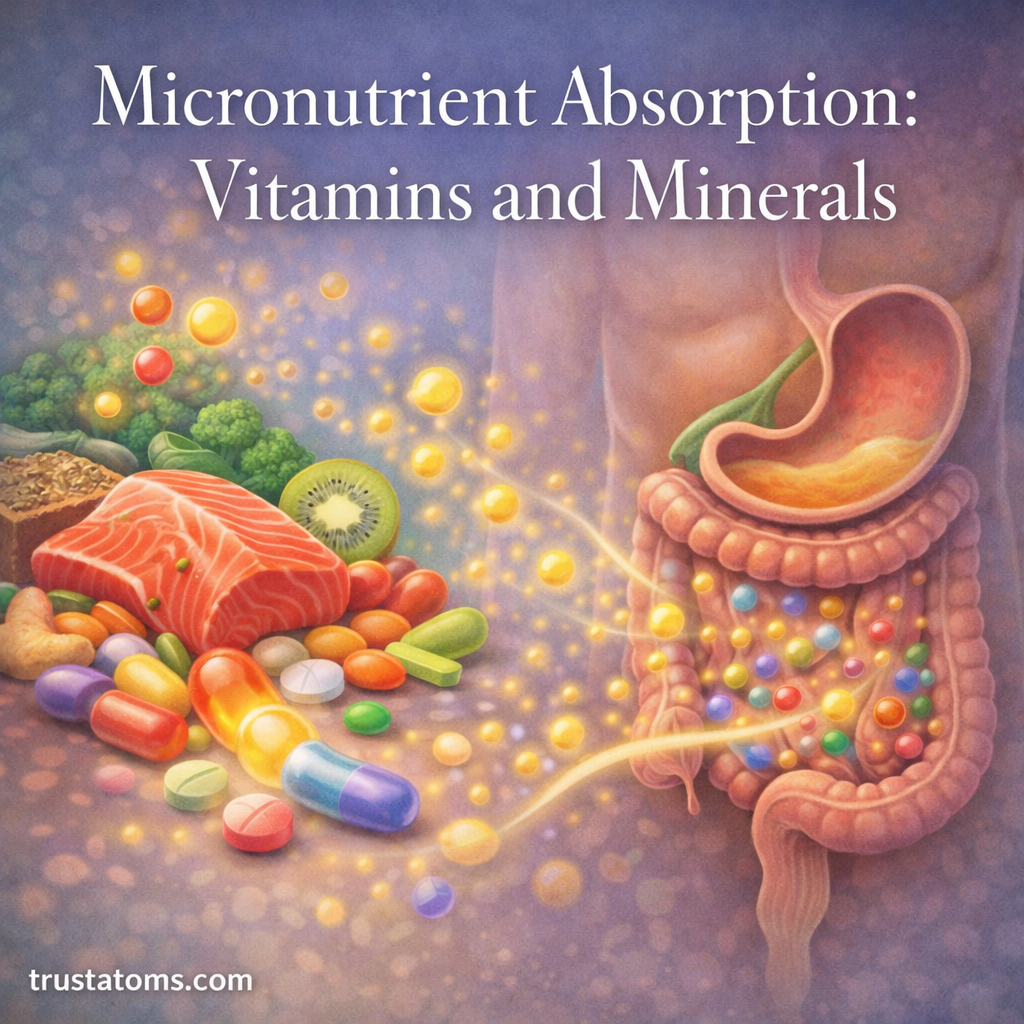
The digestive system mechanically and chemically breaks down food into smaller substances that can cross the intestinal lining. Different organs perform specific stages of this process.
- Mouth: Chewing breaks food into smaller pieces, while saliva begins carbohydrate digestion.
- Stomach: Acid and enzymes begin substantial protein digestion and mix food into chyme.
- Small intestine (primary site of nutrient absorption).
- Large intestine: Absorbs remaining water and electrolytes while forming feces.
For the complete route food follows, see Digestive Tract Anatomy. The different routes nutrients take after digestion are explained in Nutrient Absorption Pathways into Blood.
Many absorbed nutrients reach the liver before entering general circulation. This specialized arrangement is described in Portal Circulation in Digestive Absorption.
How the Circulatory System Distributes Nutrients
The circulatory system consists of the heart, blood, and blood vessels. The heart pumps blood through arteries, capillaries, and veins, connecting the digestive organs with the rest of the body.
Capillaries are especially important because their thin walls permit the exchange of substances between blood and surrounding tissues. Blood delivers absorbed nutrients and oxygen while collecting carbon dioxide and other metabolic waste products.
Where Digestion Meets Circulation: Intestinal Villi
The integration between these systems primarily occurs in the small intestine, particularly in structures called villi.
Villi are finger-like projections lining the intestine. Their epithelial cells have microscopic projections called microvilli, which further increase the surface area available for absorption.
Each villus contains blood capillaries and a small lymphatic vessel called a lacteal. These structures provide two routes for transporting absorbed nutrients away from the intestine.
How Different Nutrients Enter Blood and Lymph
Not every nutrient enters circulation through the same pathway. Its chemical properties and the way intestinal cells process it determine its route.
| Nutrient | Main absorption route | Destination |
|---|---|---|
| Glucose and other monosaccharides | Intestinal blood capillaries | Liver through portal blood |
| Amino acids | Intestinal blood capillaries | Liver through portal blood |
| Most water-soluble vitamins | Intestinal blood capillaries | Portal circulation |
| Most long-chain dietary fats | Lymphatic lacteals as chylomicrons | Systemic blood circulation |
| Water and electrolytes | Intestinal blood capillaries | Portal circulation |
Most long-chain fatty acids are reassembled into triglycerides inside intestinal cells and packaged into chylomicrons. These particles enter lymphatic vessels before reaching the bloodstream. Short- and medium-chain fatty acids can enter portal blood more directly.
The Hepatic Portal System and the Liver
The hepatic portal vein carries nutrient-rich blood from digestive organs to the liver. Unlike ordinary veins that return blood directly toward the heart, this pathway passes through another capillary network inside the liver first.
The liver performs several functions after nutrients arrive:
- Converts some absorbed glucose into glycogen for storage.
- Processes amino acids and synthesizes important blood proteins.
- Metabolizes certain drugs, alcohol, and potentially harmful substances.
- Produces bile, which supports fat digestion and absorption.
Blood leaves the liver through hepatic veins and returns toward the heart. This arrangement allows the liver to regulate many absorbed substances before they reach the wider circulation.
Example: What Happens After Eating a Sandwich?
Imagine eating a sandwich containing bread, chicken, and avocado. Each component follows a different digestive and transport pathway.
- Bread: Starch is broken into absorbable sugars, mainly glucose, which enters intestinal capillaries and travels toward the liver.
- Chicken: Proteins are digested into amino acids and small peptides. Absorbed amino acids enter portal blood for processing and distribution.
- Avocado: Much of its dietary fat is packaged into chylomicrons, which enter intestinal lymphatic vessels before reaching the bloodstream.
Although these nutrients come from one meal, their transport routes differ. Eventually, circulation makes them available to tissues for metabolism, maintenance, and repair.
Why Digestive Organs Need Oxygen-Rich Blood
Digestive organs require their own blood supply to function. Oxygen delivered by arterial blood supports intestinal cell metabolism, active nutrient transport, digestive secretions, and muscular contractions that move food along the tract.
Blood flow to the digestive organs generally increases after eating to support digestion and absorption. Severe reductions in intestinal blood supply can damage tissues and interfere with normal absorption.
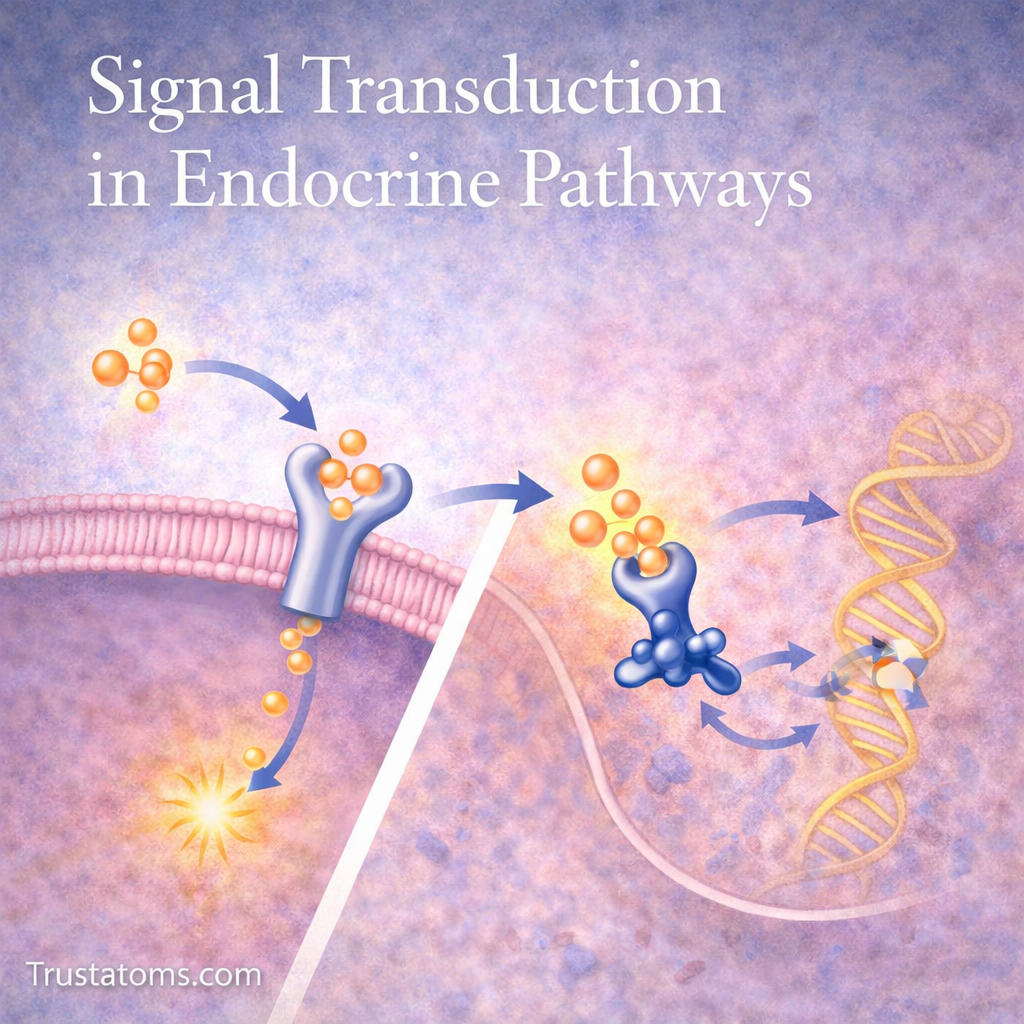
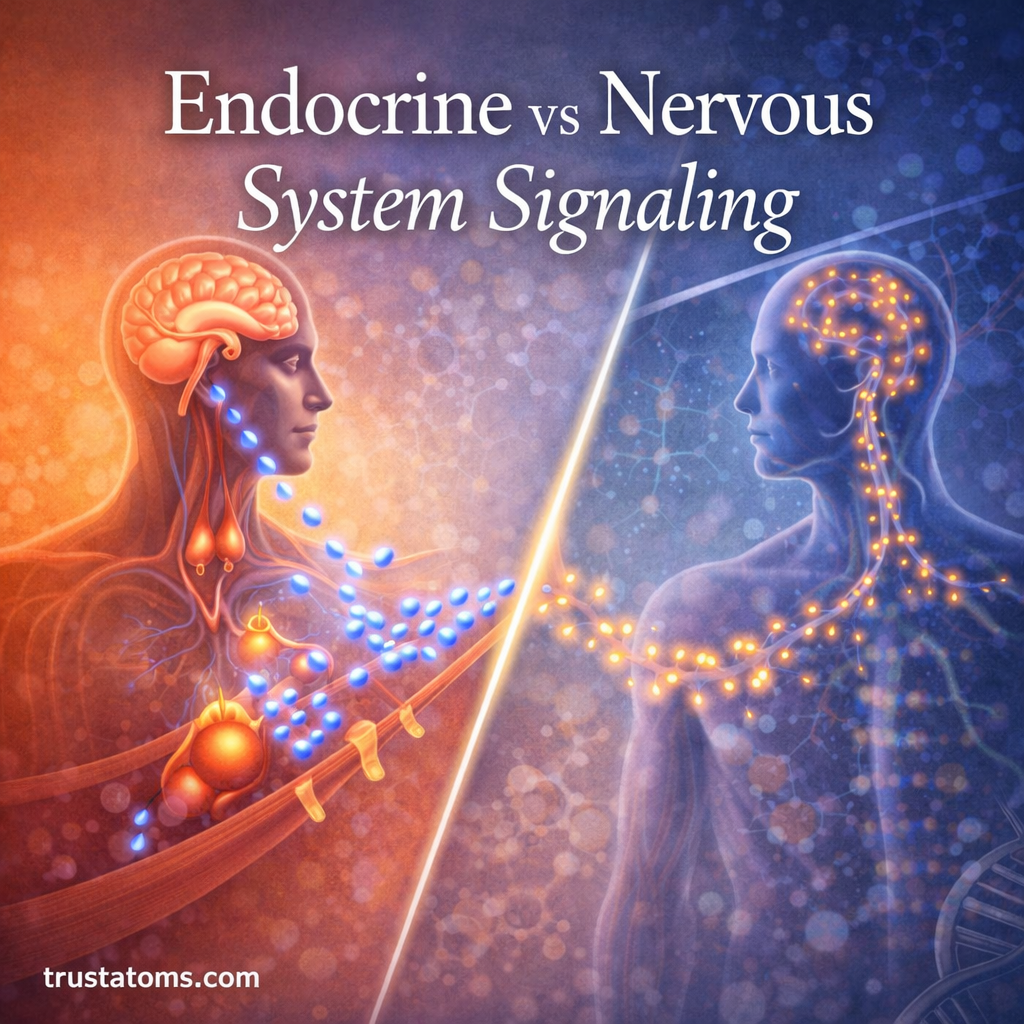
Hormones Coordinate Digestion and Nutrient Use
Hormones help coordinate digestive activity with the body’s response to absorbed nutrients. Several signals are involved:
- Insulin: Released by the pancreas when blood glucose rises, helping regulate glucose uptake and storage.
- Gastrin: Stimulates gastric acid secretion during digestion.
- Secretin: Promotes bicarbonate-rich pancreatic secretions that help neutralize acidic chyme.
- Cholecystokinin: Stimulates pancreatic enzyme secretion and gallbladder contraction.
These hormones influence different stages of digestion and metabolism rather than simply increasing or decreasing blood circulation.
How Circulation Helps Remove Metabolic Waste
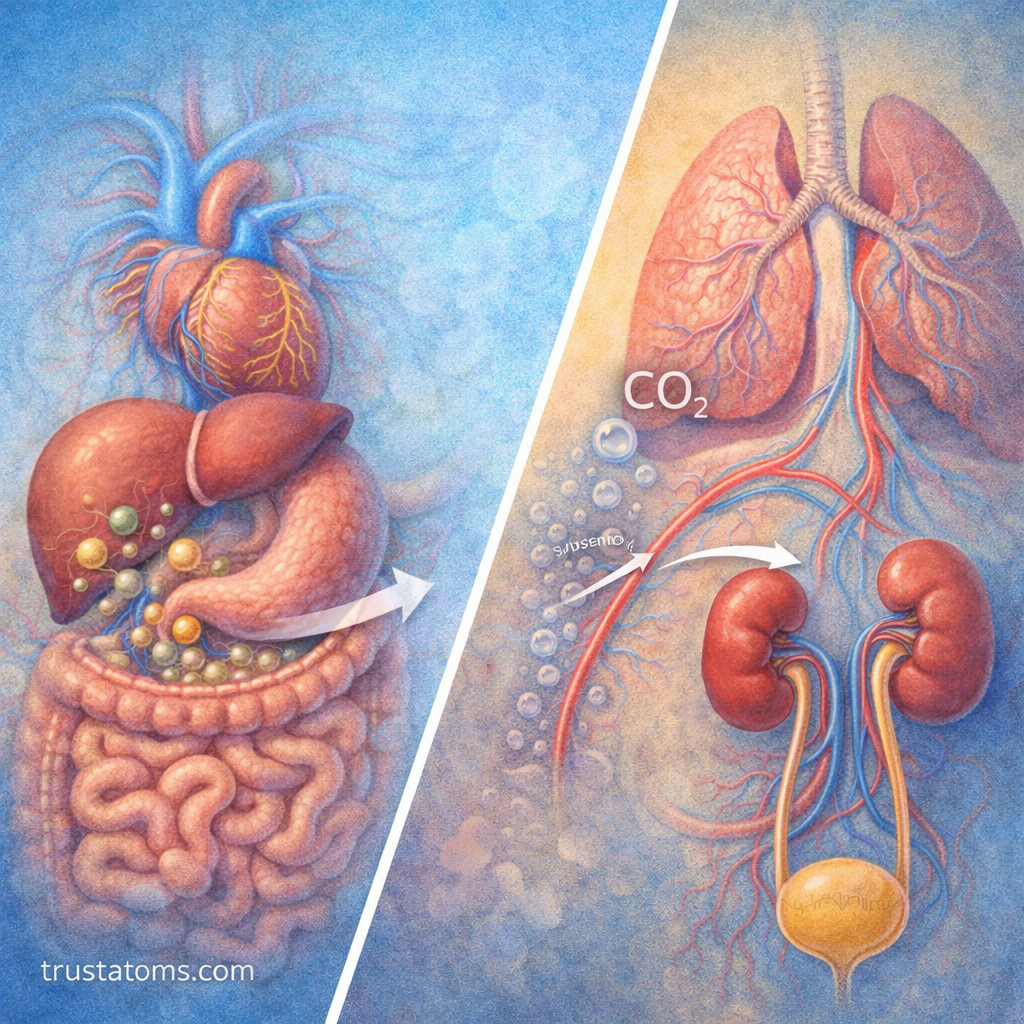
After cells use nutrients, circulation carries metabolic waste products to organs responsible for processing or elimination. Carbon dioxide travels to the lungs for exhalation, while the kidneys filter substances such as urea from the blood.
The liver also processes metabolic byproducts and certain harmful substances. In contrast, undigested material remaining inside the intestinal tract is eliminated as feces rather than entering the bloodstream.
Conditions That Disrupt Digestion and Circulation
Several conditions can interfere with nutrient absorption, processing, or delivery.
- Malabsorption: Disorders affecting the intestinal lining or digestive enzymes may reduce nutrient uptake and cause deficiencies.
- Reduced intestinal blood flow: Inadequate circulation can deprive digestive tissues of oxygen and cause injury.
- Liver disease: Impaired liver function can disrupt nutrient metabolism, protein synthesis, and bile production.
- Lymphatic disorders: Disrupted intestinal lymph transport may interfere with normal fat absorption.
Balanced nutrition, adequate hydration, regular physical activity, and appropriate management of existing medical conditions support both systems. Sudden severe abdominal pain, especially with signs of serious illness, requires urgent medical assessment.
Frequently Asked Questions
How do the digestive and circulatory systems work together?
The digestive system breaks food into absorbable nutrients. Blood and lymph transport those nutrients away from the intestine, while the circulatory system distributes them to organs and tissues.
Why do many nutrients travel to the liver first?
The hepatic portal system carries many absorbed nutrients directly to the liver, where they can be processed, stored, or released into circulation. Most long-chain dietary fats initially follow a different route through lymphatic vessels.
What happens if the small intestine cannot absorb nutrients properly?
Malabsorption can reduce the availability of vitamins, minerals, fats, carbohydrates, or proteins. Depending on the cause and severity, consequences may include diarrhea, weight loss, fatigue, and nutritional deficiencies.
Digestion and circulation connect at the intestinal lining, where nutrients enter blood capillaries or lymphatic vessels. Portal blood delivers many nutrients to the liver, while lymph transports much of the absorbed dietary fat into general circulation. Together, these pathways allow food-derived substances to reach cells while the circulatory system also supplies digestive tissues with oxygen and carries metabolic waste away.
This article is for general education and is not medical advice. Talk to a qualified health professional about any medical concern.
Sources: Guyton and Hall Textbook of Medical Physiology; Gray’s Anatomy for Students; National Institute of Diabetes and Digestive and Kidney Diseases (NIDDK).