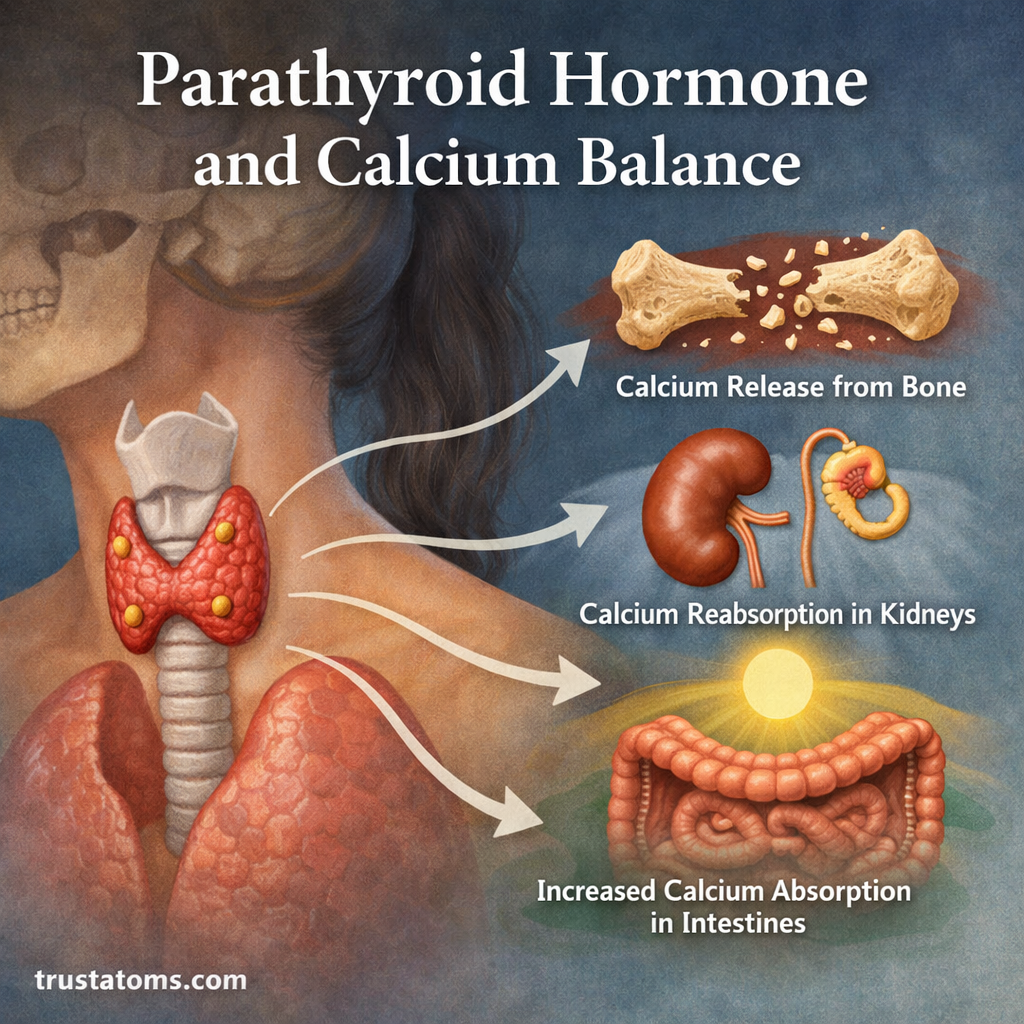
Parathyroid hormone (PTH) maintains calcium balance by increasing blood calcium when levels fall, acting on bones and kidneys while stimulating the activation of vitamin D. This coordinated response keeps calcium available for muscle contraction, nerve signaling, blood clotting, and other essential cellular functions.
PTH is produced by small parathyroid glands located behind the thyroid gland in the neck. Their relationship with the skeleton, kidneys, and digestive system shows how human anatomy supports the regulation of minerals throughout the body.
What Is Parathyroid Hormone (PTH)?
Parathyroid hormone is a peptide hormone secreted by the parathyroid glands. Most people have four of these small glands, although their number and exact positions can vary.
Specialized chief cells in the parathyroid glands monitor the concentration of ionized calcium in the blood using calcium-sensing receptors. When calcium falls, PTH secretion increases. When calcium rises, PTH secretion is suppressed.
Despite their location, the parathyroid glands function separately from the thyroid. The thyroid’s hormones primarily influence metabolism, as described in Thyroid Hormones and Metabolic Rate.
PTH is also part of a broader endocrine system in which hormones maintain internal stability. A related example appears in Pancreatic Hormones in Homeostasis, which explains how insulin and glucagon regulate blood glucose.
Why Calcium Balance Matters
Approximately 99% of the body’s calcium is stored in bones and teeth. The remaining fraction is found in blood and other tissues, where calcium ions participate in essential physiological processes.
- Muscle contraction: Calcium enables skeletal, smooth, and cardiac muscle cells to contract.
- Nerve signaling: Calcium helps trigger neurotransmitter release at nerve endings.
- Blood clotting: Calcium is required for several steps in the coagulation process.
- Cell communication: Calcium ions act as signals that regulate many cellular activities.
- Bone strength: Calcium-containing minerals provide hardness and structural support to the skeleton.
The body must balance immediate calcium needs with long-term skeletal health. Blood Calcium Homeostasis Mechanisms explains how hormones and organs coordinate this regulation, while Bone Remodeling and Mineral Balance describes how the skeleton continuously renews and manages its mineral stores.
How PTH Raises Blood Calcium Levels
PTH increases blood calcium through actions involving three organs: bones, kidneys, and the small intestine. Its intestinal effect is indirect, occurring primarily through the activation of vitamin D.
1. Bone: Releasing Stored Calcium
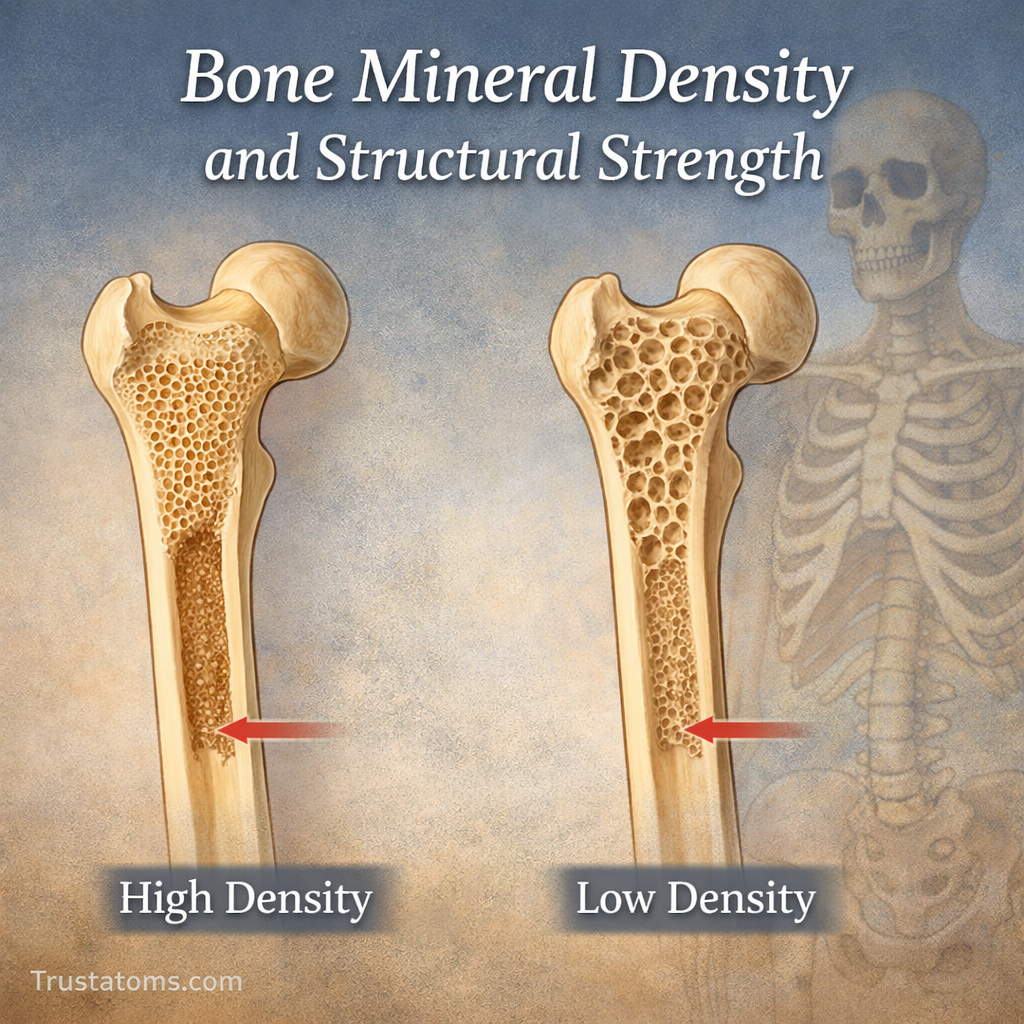
Bones contain a large reserve of calcium stored in mineralized tissue. When PTH remains elevated, it promotes bone resorption, the process in which bone mineral and matrix are broken down.
PTH acts mainly on osteoblast-lineage cells, which increase signals that stimulate osteoclast formation and activity. Osteoclasts then release calcium and phosphate from bone into the extracellular fluid.
The effect of PTH on bone depends on its pattern of exposure. Sustained elevation generally promotes bone resorption, while intermittent PTH signaling can stimulate bone formation under specific conditions.
2. Kidneys: Conserving Calcium
The kidneys continuously filter blood, including calcium-containing fluid. Much of the filtered calcium is normally reabsorbed rather than lost in urine.
PTH increases calcium reabsorption in parts of the kidney tubules, helping conserve calcium when blood levels are low. At the same time, it decreases phosphate reabsorption, increasing phosphate excretion in urine.
This phosphate effect helps prevent excessive accumulation of calcium-phosphate products in the blood while calcium regulation is taking place.
3. Vitamin D: Increasing Intestinal Calcium Absorption
PTH stimulates the kidney enzyme responsible for converting 25-hydroxyvitamin D into calcitriol, the hormonally active form of vitamin D.
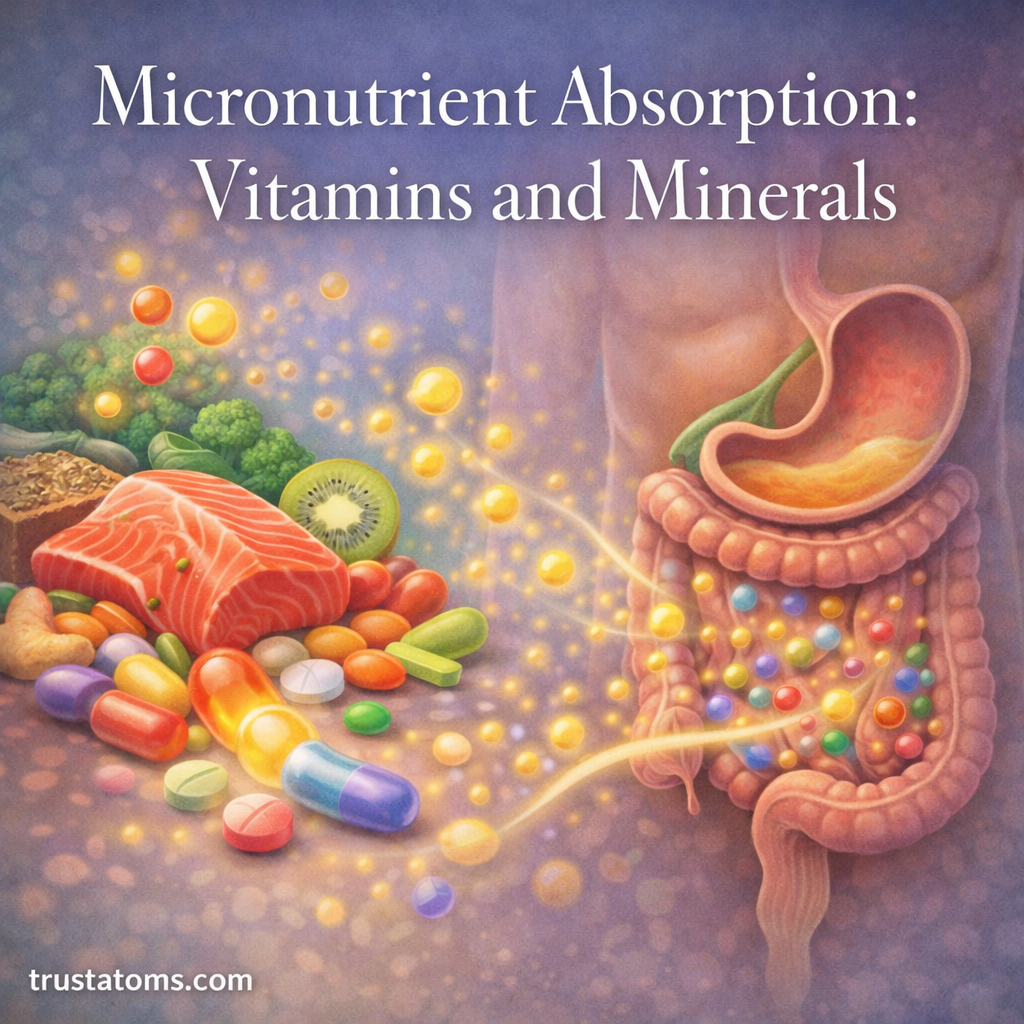
Calcitriol increases the small intestine’s capacity to absorb calcium from food. This provides an additional source of calcium beyond what the kidneys conserve or the skeleton releases.
How Negative Feedback Controls PTH Release
The release of PTH is controlled by a negative feedback system:
- Ionized calcium in the blood decreases.
- Calcium-sensing receptors in the parathyroid glands detect the change.
- The glands increase PTH secretion.
- PTH promotes calcium conservation, mobilization, and vitamin D activation.
- As blood calcium rises, the parathyroid glands reduce PTH secretion.
This feedback system operates continuously rather than switching completely on or off. Active vitamin D also helps limit excessive PTH production, adding another layer of regulation.
How PTH and Vitamin D Work Together
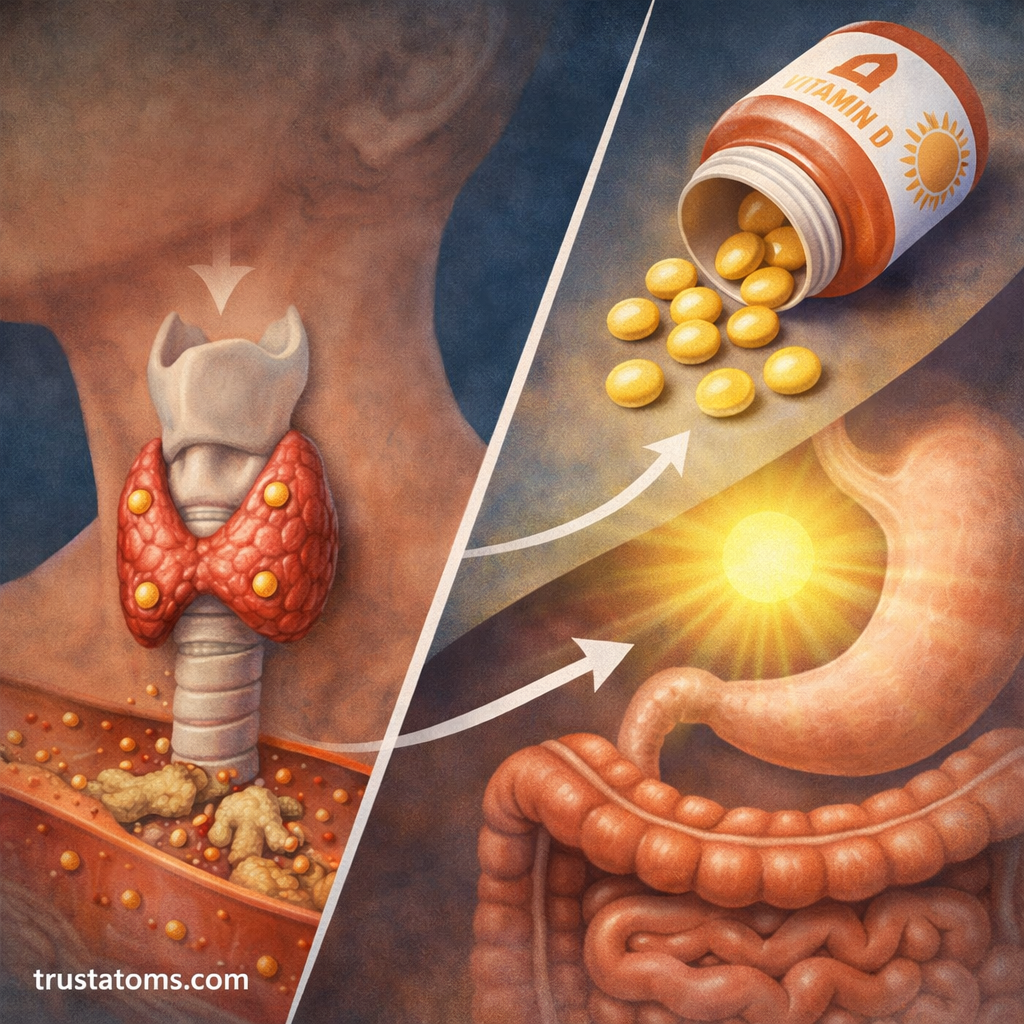
PTH and vitamin D influence calcium balance through complementary mechanisms. PTH responds rapidly to changes in blood calcium, while calcitriol increases the intestine’s ability to absorb calcium from the diet.
If vitamin D availability is inadequate, intestinal calcium absorption may decrease. The parathyroid glands can respond by releasing more PTH, a condition called secondary hyperparathyroidism.
Prolonged elevation of PTH may increase bone resorption, particularly when dietary calcium or vitamin D remains insufficient. Adequate calcium and vitamin D intake therefore supports both calcium regulation and skeletal health.
An Everyday Example: Low Calcium Intake
Imagine someone regularly eating meals that provide little calcium. As less calcium becomes available for absorption, the body may increase PTH secretion to help maintain the concentration of calcium in the blood.
The kidneys conserve more calcium, and PTH promotes the formation of active vitamin D to improve intestinal absorption. If inadequate calcium intake continues, increased bone resorption may help maintain blood calcium at the expense of skeletal mineral stores.
This illustrates an important distinction: a normal blood calcium measurement does not necessarily mean calcium intake is sufficient or that bone mineral stores are unaffected.
What Happens When PTH Levels Are Abnormal?
Too much or too little PTH can disrupt calcium regulation. The effects depend on the cause, the severity of the imbalance, and how long it persists.
Hyperparathyroidism: Excessive PTH
Primary hyperparathyroidism occurs when one or more parathyroid glands produce excessive PTH despite blood calcium being elevated or otherwise not requiring increased secretion.
Possible consequences include elevated blood calcium, kidney stones, reduced bone density, fatigue, and gastrointestinal symptoms. Some people have few or no noticeable symptoms.
Secondary hyperparathyroidism develops when the glands respond to another problem, such as chronic kidney disease, vitamin D deficiency, or inadequate calcium absorption.
Hypoparathyroidism: Insufficient PTH
Hypoparathyroidism occurs when the parathyroid glands cannot produce enough PTH. It can develop after neck surgery, from autoimmune conditions, or from other less common causes.
Low PTH can lead to hypocalcemia, or low blood calcium. Symptoms may include tingling around the mouth or fingers, muscle cramps, spasms, and, in severe cases, seizures or abnormal heart rhythms.
How Calcium and PTH Levels Are Evaluated
Healthcare professionals assess calcium balance using blood tests interpreted together rather than relying on a single hormone measurement.
- Blood calcium: Measures total calcium or its biologically active ionized form.
- PTH: Helps determine whether the parathyroid response is appropriate for the measured calcium level.
- Vitamin D: Helps assess whether inadequate vitamin D contributes to abnormal calcium regulation.
- Kidney function and phosphate: Provide information about other factors affecting mineral balance.
For example, elevated PTH has a different interpretation when blood calcium is high than when calcium is low. Laboratory results must therefore be evaluated in their clinical context.
Frequently Asked Questions
Does parathyroid hormone increase or decrease blood calcium?
Parathyroid hormone increases blood calcium. It promotes calcium conservation by the kidneys, stimulates bone resorption during sustained elevation, and increases intestinal calcium absorption indirectly through active vitamin D.
Are the thyroid and parathyroid glands the same?
No. The parathyroid glands are small glands usually located behind the thyroid, but they produce different hormones. The thyroid primarily regulates metabolic activity, while the parathyroid glands regulate blood calcium through PTH.
Can low vitamin D cause high PTH?
Yes. Vitamin D deficiency can reduce intestinal calcium absorption, prompting the parathyroid glands to increase PTH secretion. This compensatory response is one cause of secondary hyperparathyroidism.
Parathyroid hormone keeps blood calcium within a regulated range by coordinating calcium movement through bones, kidneys, and the intestine. Its negative feedback system responds to falling calcium, while vitamin D supports absorption from food. When this regulation becomes abnormal, both immediate cellular functions and long-term bone health can be affected.
This article is for general education and is not medical advice. Talk to a qualified health professional about any medical concern.
Sources: OpenStax, Anatomy and Physiology 2e; Guyton and Hall, Textbook of Medical Physiology; National Institute of Diabetes and Digestive and Kidney Diseases (NIDDK), Primary Hyperparathyroidism.