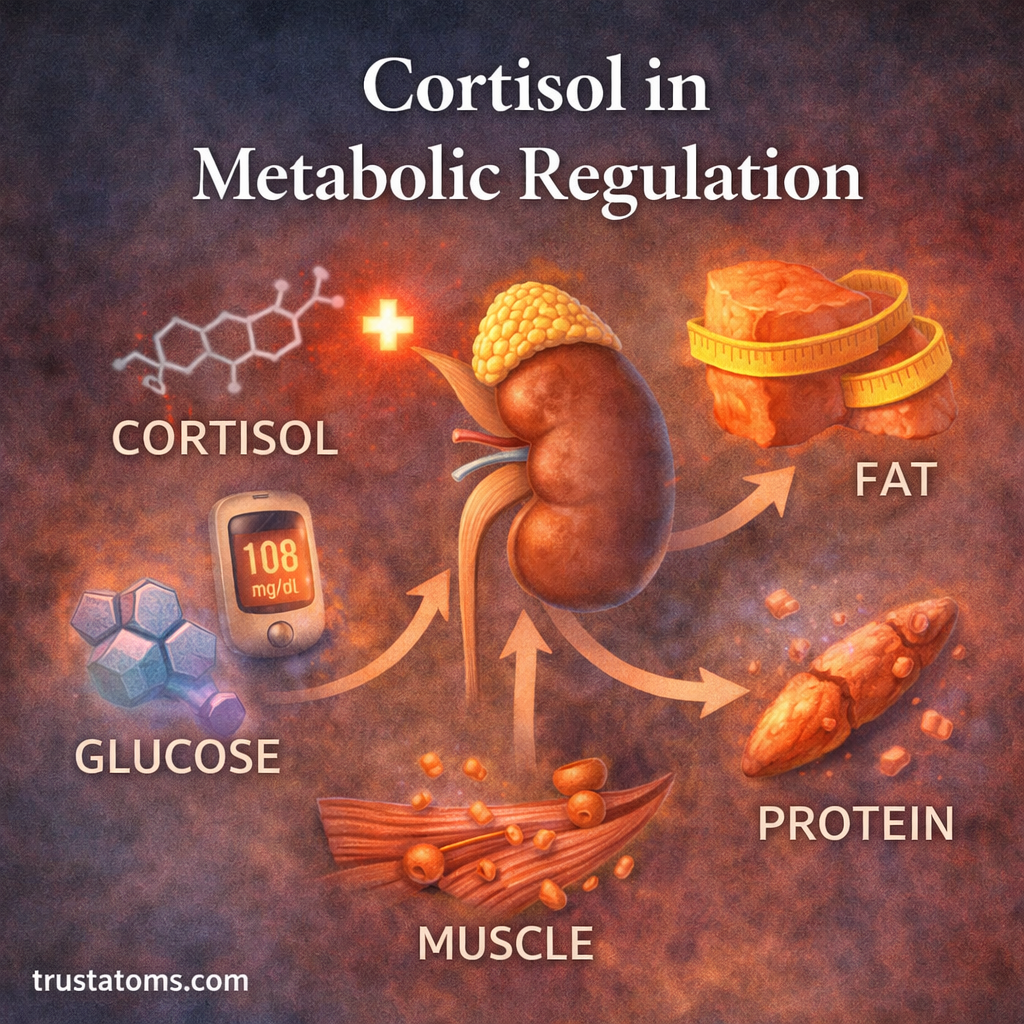
Cortisol is a hormone that helps regulate blood sugar, fat metabolism, protein breakdown, and the body’s response to stress. It supports energy availability by influencing how the body produces, uses, and stores nutrients, particularly during fasting, illness, and other demanding situations.
Produced by the adrenal glands, cortisol helps ensure that your body has the fuel it needs to function, especially during times of increased demand. Understanding how these glands interact with other organs connects hormone regulation with the broader study of human anatomy.
Although cortisol is commonly called the stress hormone, it is also released during ordinary daily activities. Healthy cortisol regulation depends on both its concentration and its timing, allowing the body to respond to changing energy needs without remaining in a prolonged stress response.
What Is Cortisol?
Cortisol is a steroid hormone belonging to a group called glucocorticoids. It is produced in the zona fasciculata, a layer of the adrenal cortex located within the adrenal glands above the kidneys.
Unlike hormones that act on only a narrow range of tissues, cortisol influences many organs, including the liver, muscles, fat tissue, and immune system. It enters cells and binds to glucocorticoid receptors, which can alter the activity of genes involved in metabolism and other physiological processes.
Cortisol secretion follows a daily rhythm, usually rising toward the morning and declining later in the day. This pattern is connected to the body’s internal biological clock, explained further in Circadian Rhythms and Hormonal Cycles.
How Cortisol Is Produced and Controlled
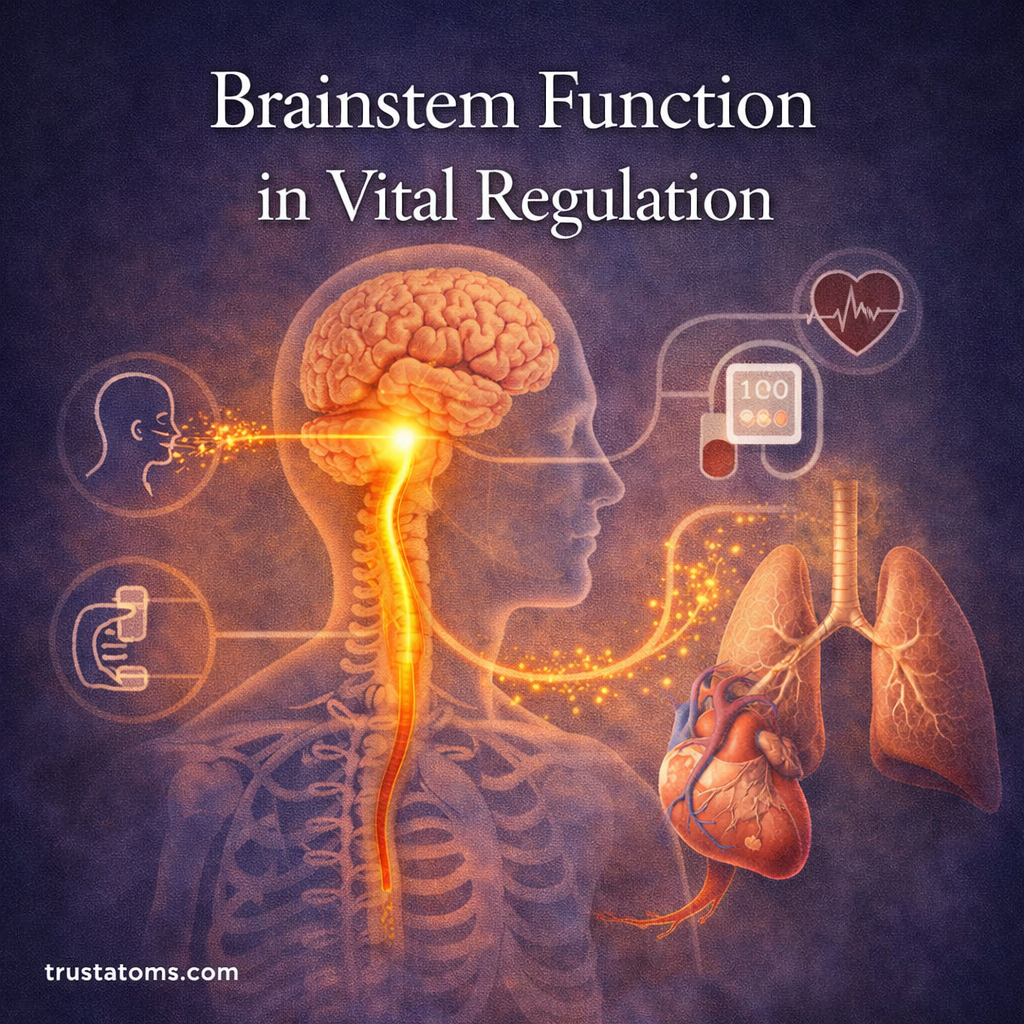
Cortisol release is regulated by the hypothalamic-pituitary-adrenal axis, commonly called the HPA axis. This communication system connects two brain structures with the adrenal glands.
The process follows three main steps:
- The hypothalamus releases corticotropin-releasing hormone (CRH), which signals the anterior pituitary gland.
- The anterior pituitary releases adrenocorticotropic hormone (ACTH) into the bloodstream.
- ACTH stimulates the adrenal cortex to produce and release cortisol.
As cortisol concentrations rise, negative feedback reduces CRH and ACTH release. This prevents the system from remaining continuously activated under normal conditions.
How Cortisol Regulates Metabolism
Metabolism includes the chemical reactions that release energy from nutrients, build cellular structures, and maintain normal body functions. Cortisol influences these processes by changing how carbohydrates, fats, and proteins are handled.
Its effects are especially noticeable when the body must maintain glucose availability between meals or respond to increased physical demands.
| Metabolic Process | Effect of Cortisol |
|---|---|
| Glucose metabolism | Supports glucose production in the liver and reduces glucose uptake in certain tissues. |
| Fat metabolism | Promotes fat mobilization under some conditions and influences fat distribution during prolonged excess. |
| Protein metabolism | Increases protein breakdown in certain tissues, providing amino acids for other metabolic processes. |
| Energy availability | Helps maintain fuel supplies during fasting, illness, and physiological stress. |
Cortisol and Blood Sugar Regulation
One of cortisol’s major metabolic functions is helping maintain blood glucose availability. Glucose supplies energy to many tissues and is particularly important for normal brain function.
Cortisol increases the liver’s capacity for gluconeogenesis, the production of glucose from non-carbohydrate materials such as amino acids and glycerol. It can also reduce insulin-mediated glucose uptake in certain tissues, helping preserve circulating glucose when energy demands increase.
These effects are coordinated with other hormones rather than occurring independently. The HPA Axis explains how the brain controls cortisol secretion, while Insulin and Blood Glucose Regulation describes how insulin helps cells absorb and store glucose.
When cortisol remains excessively elevated, its glucose-raising effects can contribute to insulin resistance and elevated blood sugar. Normal cortisol activity, however, is necessary for maintaining metabolic balance.
How Cortisol Affects Fat Metabolism
Cortisol influences both fat breakdown and fat storage. The direction of its effects depends on hormone concentrations, tissue characteristics, nutritional conditions, and interactions with insulin.
During periods of increased energy demand, cortisol can support lipolysis, the breakdown of stored triglycerides into fatty acids and glycerol. Fatty acids can be used as fuel by many tissues, while glycerol can contribute to glucose production in the liver.
Prolonged excessive cortisol exposure can produce a different pattern. In conditions such as Cushing syndrome, fat may accumulate around the abdomen, upper back, and face while muscle mass decreases.
This does not mean that every temporary cortisol increase causes weight gain. Body fat regulation involves many interacting factors, including overall energy intake, physical activity, insulin, and other hormones.
How Cortisol Influences Protein and Muscle Metabolism
Proteins provide structural support and perform numerous functions throughout the body. Cortisol affects protein metabolism partly by promoting the breakdown of proteins in certain tissues, including skeletal muscle.
This releases amino acids that can be transported to the liver and used for gluconeogenesis or other metabolic processes. During short-term physiological stress, this helps make additional fuel available.
When cortisol is excessively elevated for prolonged periods, increased protein breakdown and reduced protein synthesis can contribute to muscle weakness, reduced muscle mass, and thinner skin.
Normal cortisol concentrations do not automatically cause muscle loss. The concern is sustained excessive exposure, particularly when combined with illness, inadequate nutrition, or other metabolic disturbances.
Cortisol and the Stress-Energy Connection
During physiological stress, the body must coordinate several energy-regulating systems. Cortisol helps sustain fuel availability, while faster responses involving the sympathetic nervous system and adrenaline prepare the body for immediate demands.
Another hormone, glucagon, promotes glucose release and production by the liver, particularly when blood sugar falls. Its contribution to energy regulation is described in Glucagon and Energy Mobilization.
Cortisol generally acts more slowly than adrenaline because many of its effects involve changes in gene expression. Together, these hormonal systems help the body respond to fasting, illness, physical exertion, and other challenges.
Real-World Example: How Cortisol Helps During an Overnight Fast
Imagine finishing dinner in the evening and then sleeping until breakfast. During those hours, no new glucose enters the bloodstream from a meal, but the brain and other tissues continue requiring energy.
Several coordinated processes help maintain blood glucose:
- As nutrients from dinner are absorbed and used, insulin concentrations generally decline.
- The liver releases stored glucose through glycogen breakdown and produces additional glucose through gluconeogenesis.
- Glucagon and other regulatory signals help maintain glucose production during fasting.
- Cortisol supports the metabolic pathways needed for glucose production and helps maintain fuel availability.
- By morning, the combined hormonal responses have helped sustain blood glucose despite several hours without food.
This example shows why cortisol is necessary even when a person is not experiencing emotional stress. Its normal daily activity supports energy regulation during routine periods between meals.
How Cortisol Levels Change Throughout the Day
Cortisol secretion follows a circadian pattern influenced by the brain’s biological clock. In people with a typical daytime schedule, concentrations generally rise during the latter part of sleep and are highest around the early morning.
Levels then tend to decline throughout the day, reaching their lowest concentrations around the late evening or early nighttime period. Cortisol is also released in pulses rather than at a completely steady rate.
Sleep timing, shift work, illness, and other factors can alter this pattern. Because cortisol varies naturally, laboratory results must be interpreted according to the timing and type of test.
What Happens When Cortisol Stays Too High?
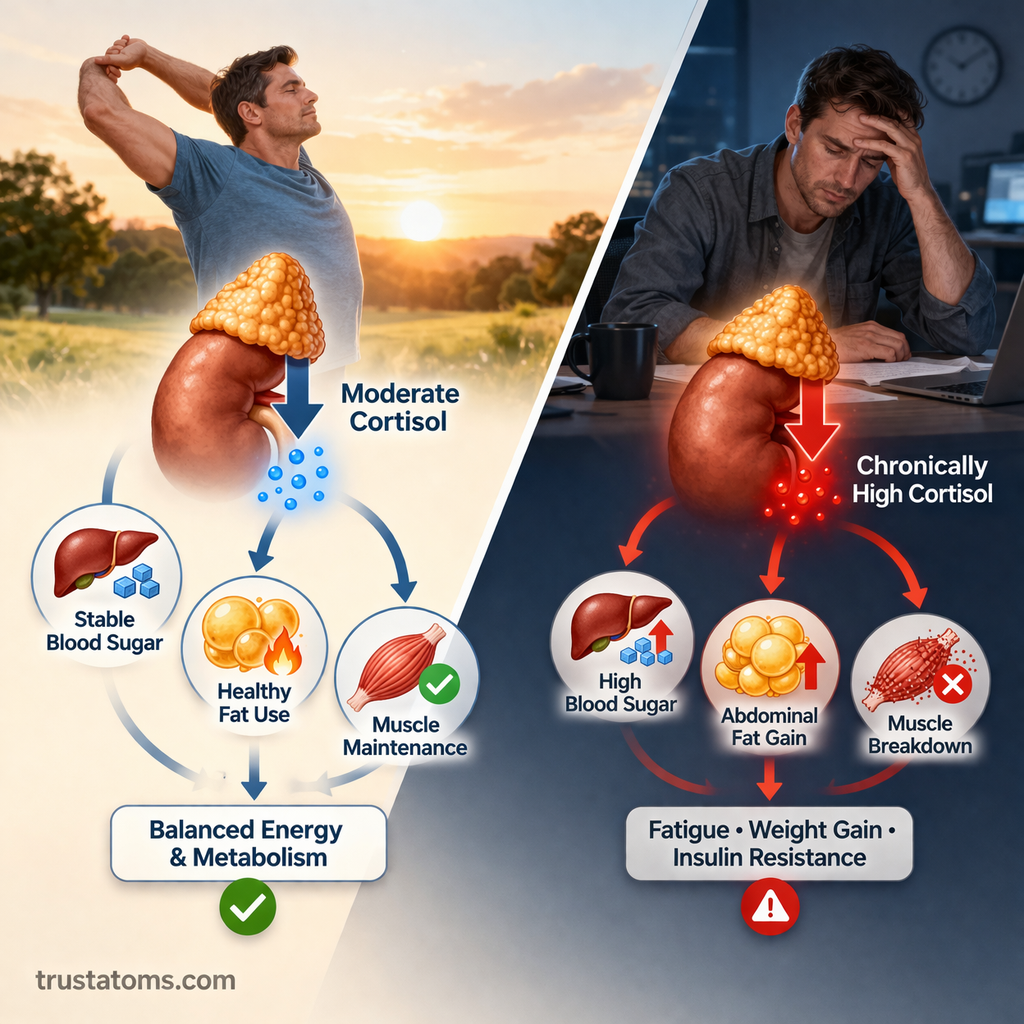
Persistently excessive cortisol exposure can disrupt normal metabolism. One recognized cause is Cushing syndrome, which may result from excessive cortisol production or prolonged exposure to glucocorticoid medications.
Possible effects include elevated blood glucose, increased abdominal fat, muscle weakness, high blood pressure, thinning skin, and reduced bone strength.
Chronic psychological stress can influence cortisol regulation, but it does not necessarily produce the sustained hormonal excess seen in Cushing syndrome. Symptoms such as fatigue or weight changes alone cannot establish that cortisol is abnormally high.
What Happens When Cortisol Is Too Low?
Insufficient cortisol production can occur in adrenal insufficiency. Primary adrenal insufficiency results from problems affecting the adrenal glands, while secondary or tertiary forms involve reduced stimulation from the pituitary gland or hypothalamus.
Possible symptoms include persistent fatigue, weakness, weight loss, low blood pressure, and difficulty tolerating physiological stress. Low blood glucose may also occur, particularly in certain patients or during illness.
Severe cortisol deficiency can lead to an adrenal crisis, a medical emergency involving potentially dangerous low blood pressure and other systemic disturbances. Diagnosis requires appropriate medical evaluation and hormone testing.
Habits That Support Normal Cortisol Regulation
Daily habits can support sleep, metabolic health, and normal stress responses. They cannot replace medical treatment for disorders involving excessive or insufficient cortisol production.
- Maintain consistent sleep: Regular sleep and wake times help support normal circadian signaling.
- Exercise regularly: Physical activity supports metabolic health, although intense exercise can temporarily increase cortisol.
- Eat adequate, balanced meals: Sufficient nutrition supports energy regulation and normal physiological function.
- Manage ongoing stress: Relaxation techniques and other coping strategies may reduce prolonged stress responses.
- Seek medical guidance for persistent symptoms: Hormonal disorders require appropriate testing rather than assumptions based on symptoms alone.
Frequently Asked Questions
Does cortisol increase blood sugar?
Yes. Cortisol supports glucose production in the liver and can reduce insulin-mediated glucose uptake in certain tissues. These effects help maintain fuel availability during fasting and stress, but prolonged excessive cortisol can contribute to high blood sugar and insulin resistance.
Does high cortisol always cause weight gain?
No. Temporary cortisol increases are normal and do not automatically cause weight gain. Sustained excessive cortisol, as seen in Cushing syndrome, can contribute to characteristic changes in body fat distribution. Weight regulation also depends on diet, activity, medications, and other hormonal factors.
Is cortisol only released when you are stressed?
No. Cortisol is released throughout the day according to a normal biological rhythm, even when no obvious stressor is present. Stress, illness, and other physiological demands can increase its secretion above the usual pattern.
Cortisol helps coordinate how the body maintains glucose availability and uses fats and proteins during changing energy demands. Its normal daily rhythm supports metabolism between meals, while stress-related increases help the body respond to additional challenges. Both excessive and insufficient cortisol can interfere with these processes, showing why balanced hormonal regulation matters.
This article is for general education and is not medical advice. Talk to a qualified health professional about any medical concern.
Sources: Williams Textbook of Endocrinology; National Institute of Diabetes and Digestive and Kidney Diseases; Endocrine Society.