The human body relies on precise control systems to keep internal conditions stable. One of the most important of these systems is negative feedback—a mechanism that regulates hormone levels and prevents the body from going out of balance.
Negative feedback is essential for maintaining homeostasis, ensuring that hormones are produced in the right amounts and adjusted as needed.
What Is Negative Feedback?
Negative feedback is a self-regulating process in which a change in a system triggers a response that counteracts that change.
In hormone regulation, this means:
- When hormone levels are too low, the body increases production
- When hormone levels are too high, the body reduces or stops production
This constant adjustment keeps physiological processes stable.
How Negative Feedback Works in the Endocrine System
The endocrine system uses a chain of communication between glands to regulate hormone levels. The hypothalamus, pituitary gland, and target glands often work together in what’s known as an endocrine axis.
Basic Steps of a Negative Feedback Loop
- The hypothalamus detects a need for a hormone
- It signals the pituitary gland
- The pituitary releases a stimulating hormone
- A target gland produces the final hormone
- Rising hormone levels signal the brain to stop further production
This loop ensures hormones do not exceed or fall below optimal levels.
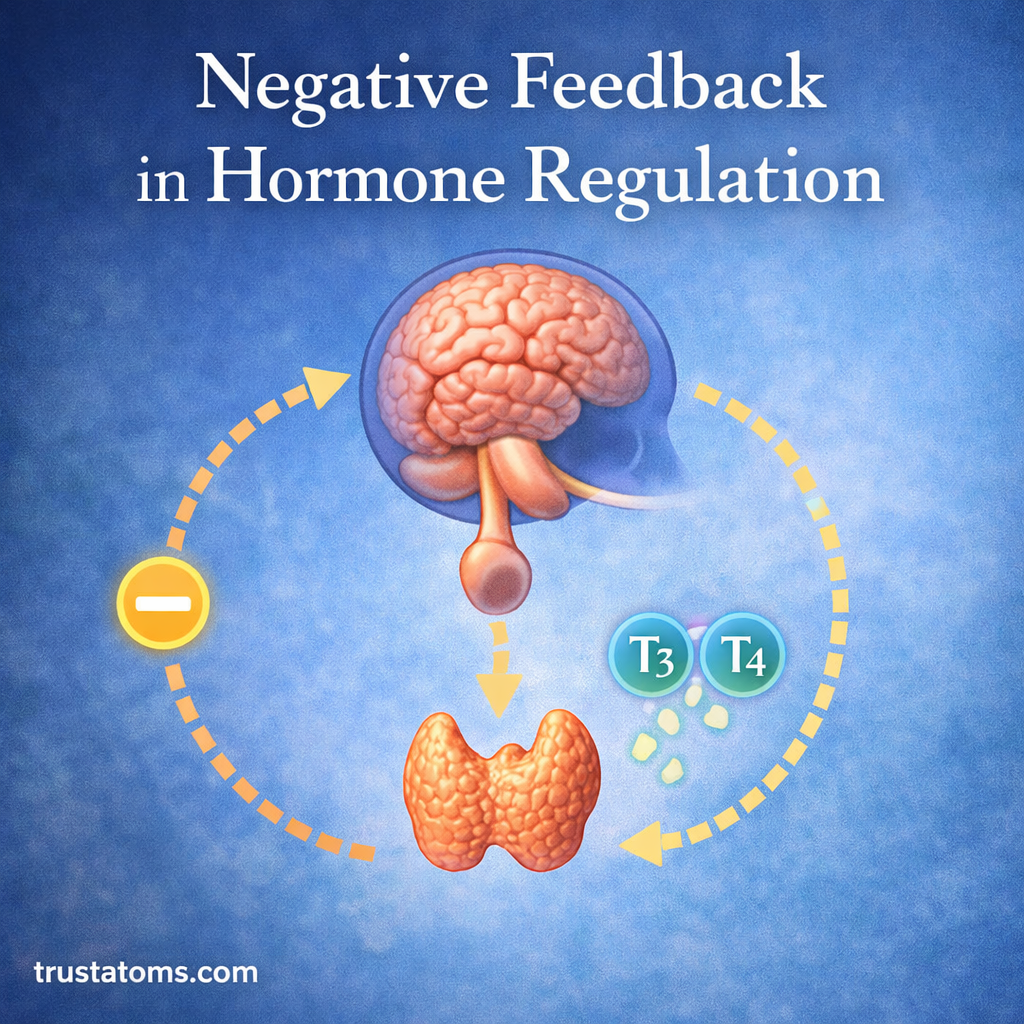
Example: Thyroid Hormone Regulation
One of the most well-known negative feedback systems involves the thyroid gland.
The Process
- The hypothalamus releases TRH (thyrotropin-releasing hormone)
- The pituitary gland releases TSH (thyroid-stimulating hormone)
- The thyroid gland produces T3 and T4 hormones
Feedback Control
- When T3 and T4 levels rise, they signal the hypothalamus and pituitary to reduce TRH and TSH
- This slows down further hormone production
Why It Matters
- Maintains a stable metabolism
- Prevents excessive energy use or fatigue
- Keeps body temperature and heart rate regulated
Example: Blood Glucose Regulation
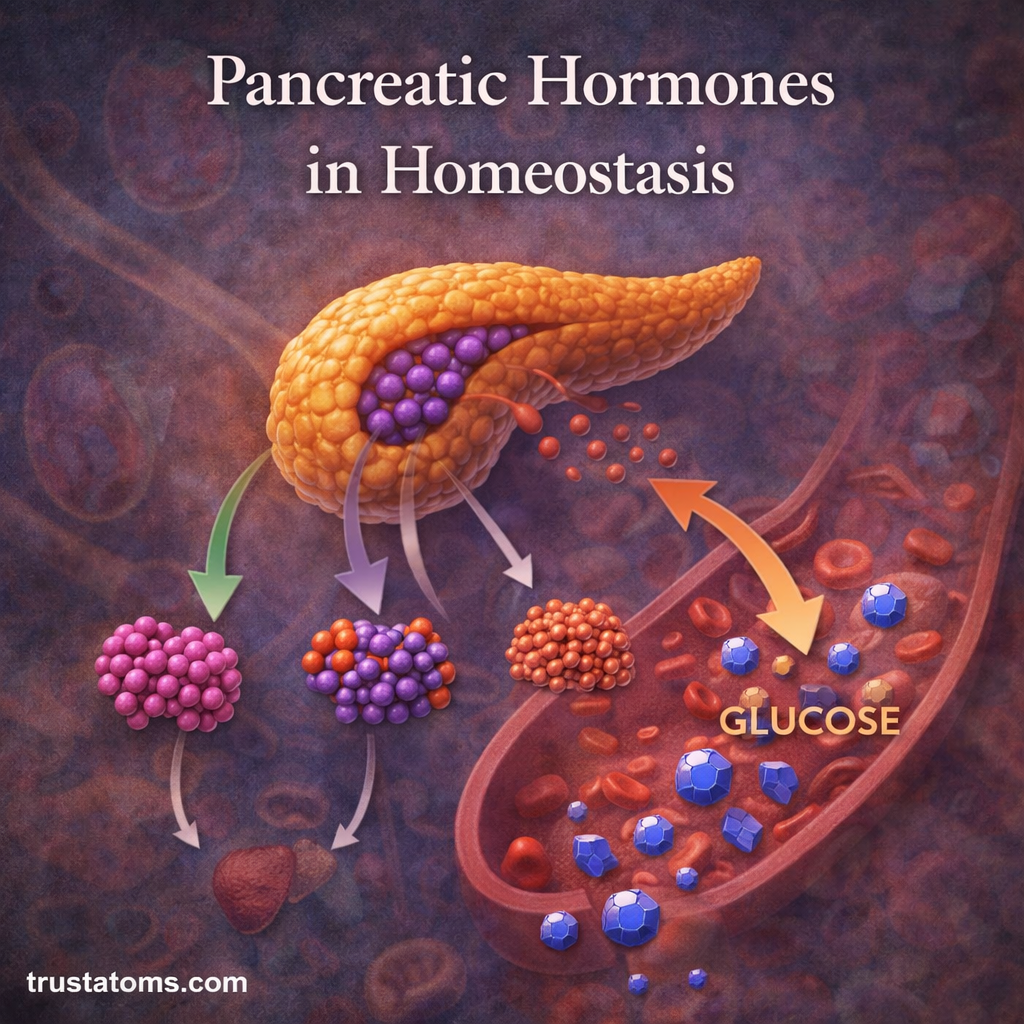
Another critical example of negative feedback is the regulation of blood sugar.
When Blood Glucose Is High
- The pancreas releases insulin
- Cells absorb glucose from the bloodstream
- Blood sugar levels decrease
When Blood Glucose Is Low
- The pancreas releases glucagon
- The liver releases stored glucose
- Blood sugar levels increase
This system ensures a consistent energy supply for the body.
Key Features of Negative Feedback
Negative feedback loops share several important characteristics:
- Self-regulating and continuous
- Maintain stability (homeostasis)
- Involve multiple glands and signals
- Adjust hormone levels in real time
- Prevent overproduction or deficiency
These features make negative feedback the backbone of hormone control.
Why Negative Feedback Is Essential
Without negative feedback, the body would struggle to maintain balance.
It helps:
- Stabilize internal conditions
- Prevent hormone imbalances
- Coordinate communication between organs
- Adapt to changes such as stress, diet, and activity
Even small disruptions in this system can lead to noticeable health effects.
What Happens When Negative Feedback Fails?
When negative feedback mechanisms break down, hormone levels can become too high or too low.
Common consequences include:
- Hyperthyroidism (excess thyroid hormone)
- Hypothyroidism (low thyroid hormone)
- Diabetes (impaired glucose regulation)
- Hormonal imbalances affecting growth and metabolism
These conditions often require medical intervention to restore balance.
Factors That Influence Negative Feedback Loops
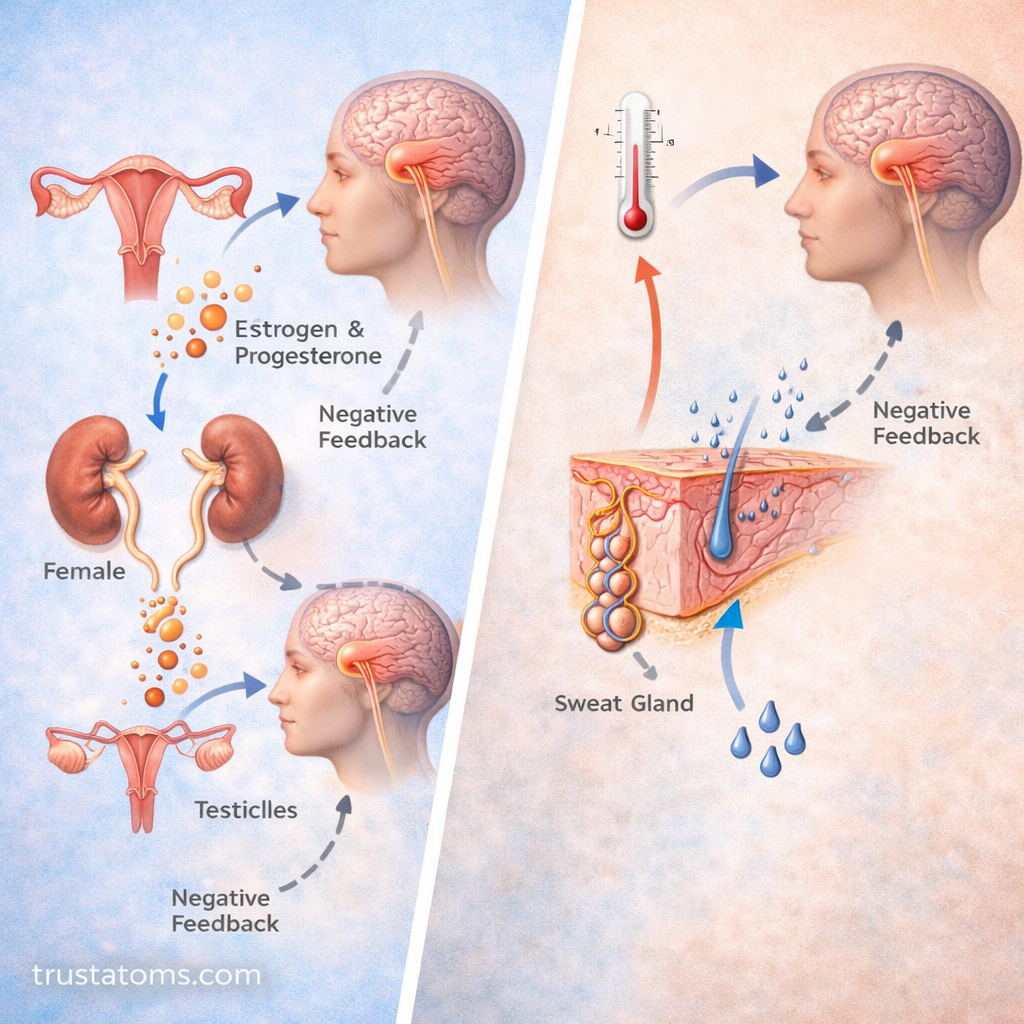
Several internal and external factors can affect how well these systems function.
Internal factors:
- Age
- Genetics
- Overall health
External factors:
- Diet and nutrition
- Stress levels
- Sleep quality
- Physical activity
Maintaining a healthy lifestyle supports proper hormone regulation.
Final Thoughts
Negative feedback in hormone regulation is one of the body’s most important control mechanisms. It ensures that hormones are released in balanced amounts, helping maintain stability across many vital functions.
From metabolism to blood sugar control, negative feedback allows the body to respond to changes quickly and efficiently. Understanding this process highlights how finely tuned and interconnected the human endocrine system truly is.