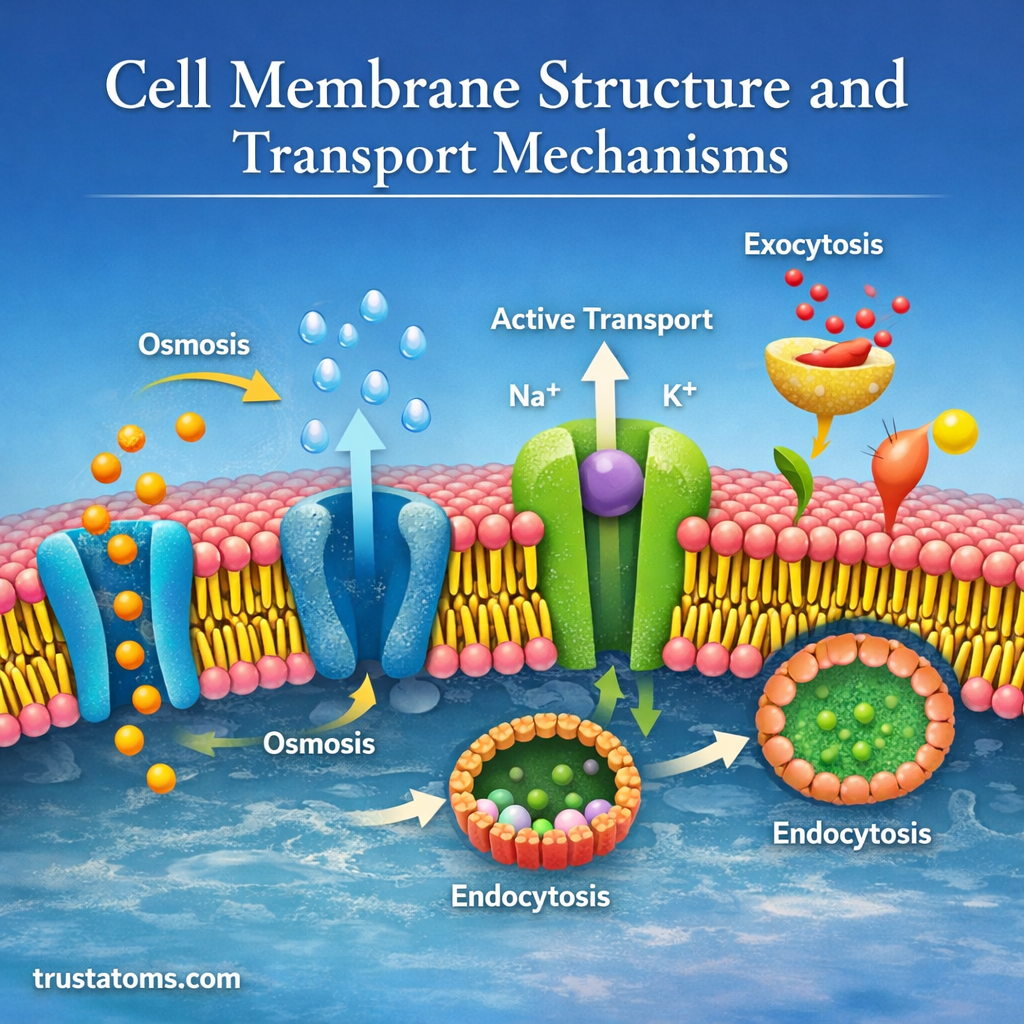
Cells are constantly exchanging materials with their surrounding environment. Nutrients must enter, waste products must exit, and ions and molecules must move between different cellular compartments. These movements occur through specialized mechanisms collectively known as cellular transport.
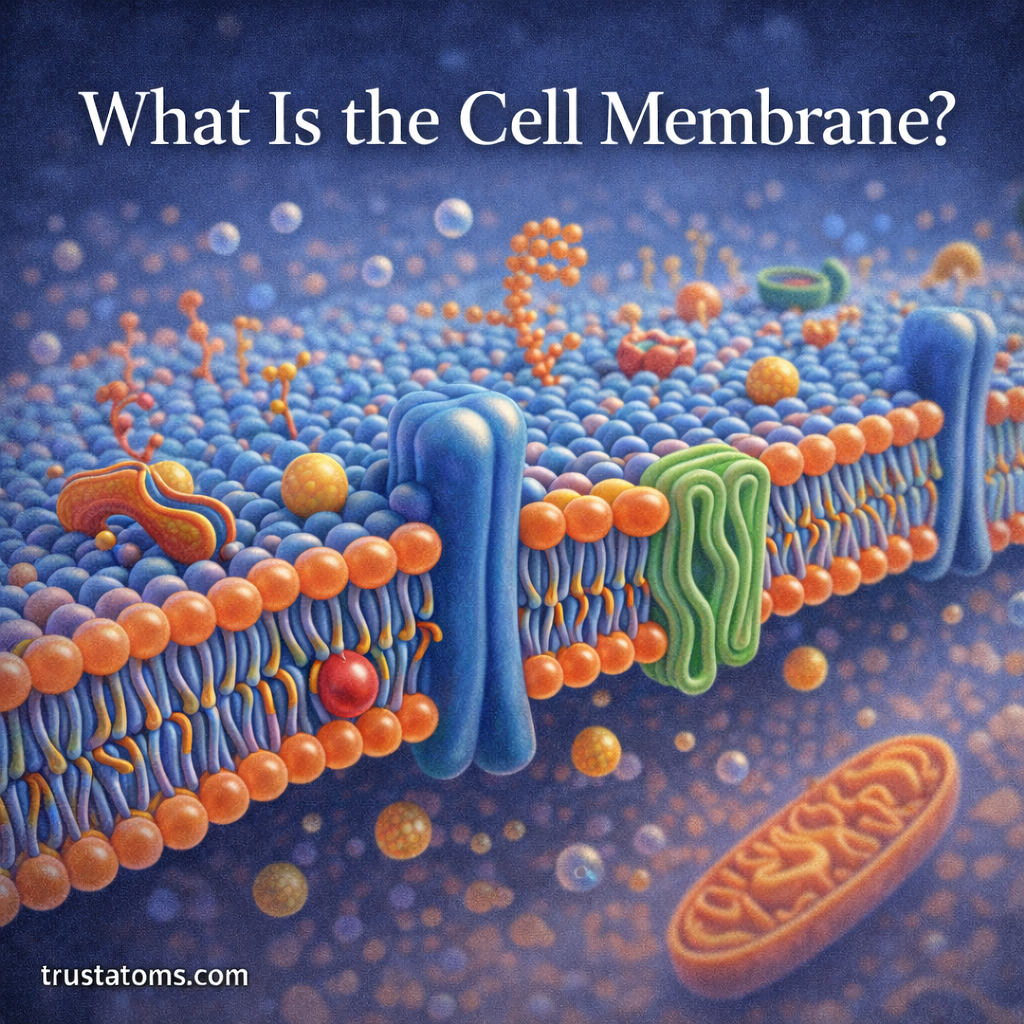
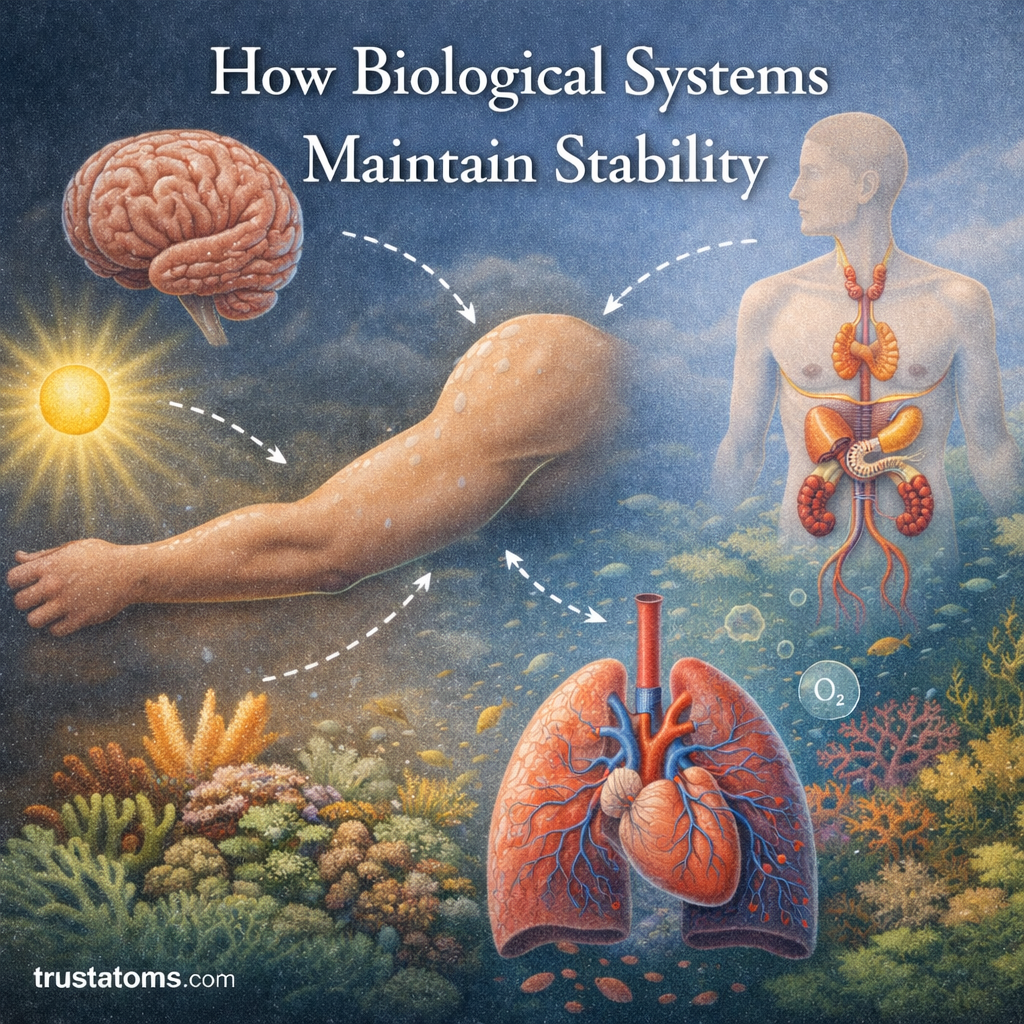
Cellular transport systems allow substances to cross the cell membrane, a selectively permeable barrier that regulates what enters and leaves the cell. These transport mechanisms are essential for maintaining internal balance, also known as homeostasis.
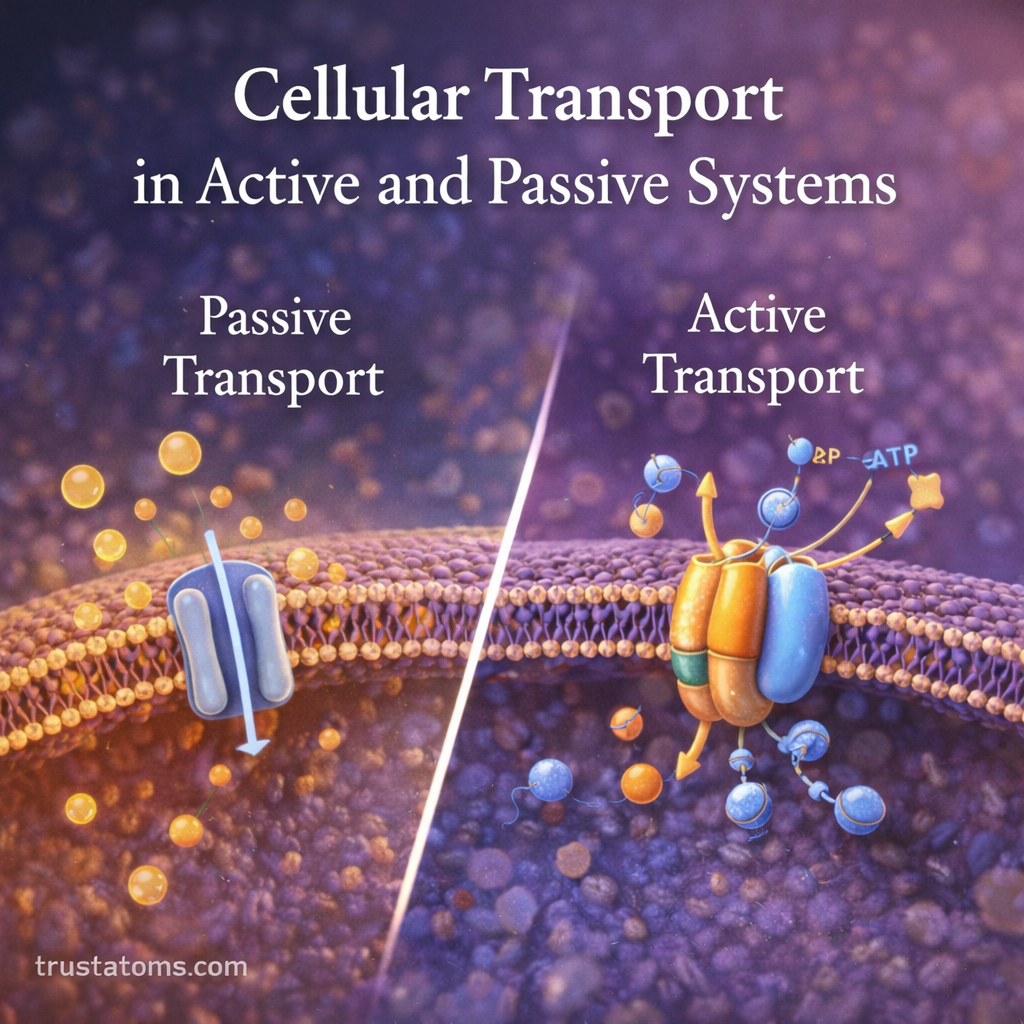
In biology, cellular transport is typically categorized into two major types: passive transport and active transport. Each system uses different strategies to move substances across the membrane.
Continue reading “Cellular Transport in Active and Passive Systems”