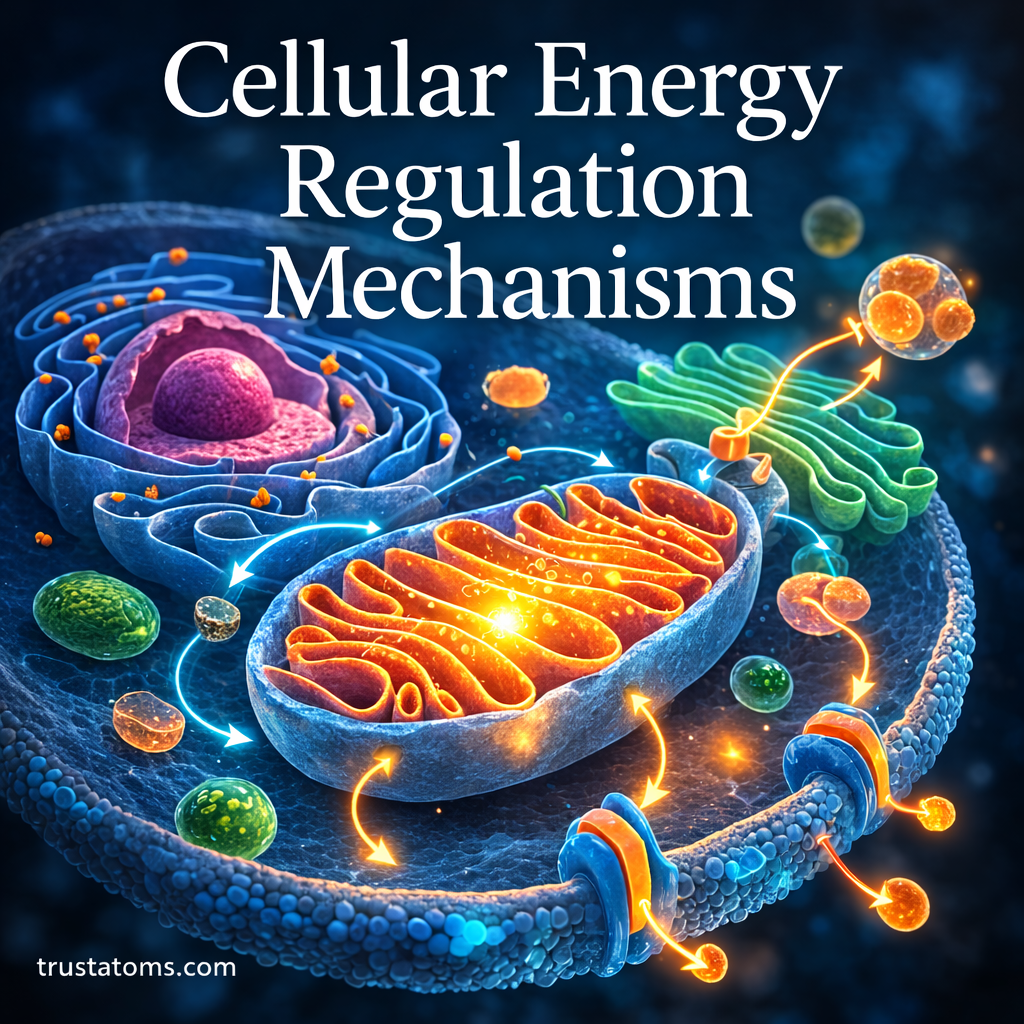
Cellular Energy Regulation Mechanisms

Scientific illustration of a cell showing mitochondria and metabolic pathways representing cellular energy regulation mechanisms.
Illustration showing mitochondrial energy production and metabolic regulation inside a eukaryotic cell. trustatoms.com.

Cells require a continuous supply of energy to perform essential biological processes such as growth, repair, movement, and reproduction. To maintain proper function, cells must carefully balance energy production, storage, and consumption. This balance is maintained through cellular energy regulation mechanisms, a network of biochemical pathways and signaling systems that control how energy is generated and used.

Energy regulation ensures that cells produce sufficient energy during periods of high demand while conserving resources when energy needs are low. These mechanisms allow cells to adapt to changing environmental conditions, nutrient availability, and metabolic requirements.

Understanding cellular energy regulation is a fundamental part of cell biology and helps scientists study metabolism, disease development, and physiological responses to stress.

Continue reading “Cellular Energy Regulation Mechanisms”
Protein Trafficking in Cellular Systems

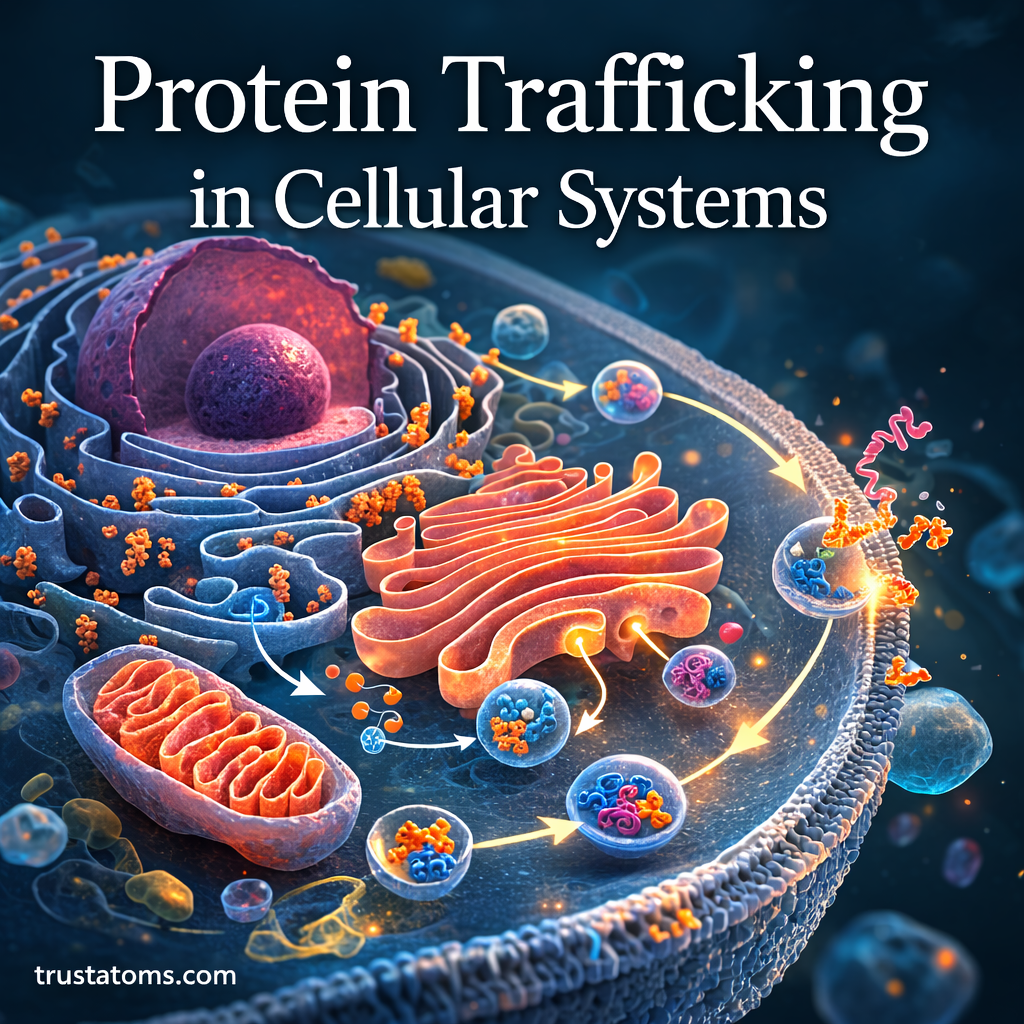
Scientific illustration showing protein trafficking pathways through the endoplasmic reticulum, Golgi apparatus, and vesicles inside a eukaryotic cell.
Illustration showing how proteins move through the endoplasmic reticulum, Golgi apparatus, and vesicles during cellular protein trafficking. trustatoms.com.

Proteins are essential molecules that perform countless functions inside cells, including catalyzing chemical reactions, transporting substances, regulating genes, and maintaining structural integrity. However, proteins must first reach the correct cellular location in order to function properly. This process is known as protein trafficking.

Protein trafficking refers to the highly organized system that directs newly synthesized proteins to specific destinations within or outside the cell. Cells rely on precise targeting mechanisms, transport pathways, and signaling sequences to ensure proteins reach the correct organelles or cellular compartments.

Understanding protein trafficking is essential for studying cell biology, disease mechanisms, and biotechnology applications because errors in protein transport can lead to severe cellular dysfunction.

Continue reading “Protein Trafficking in Cellular Systems”

Organelle Coordination in Cellular Metabolism

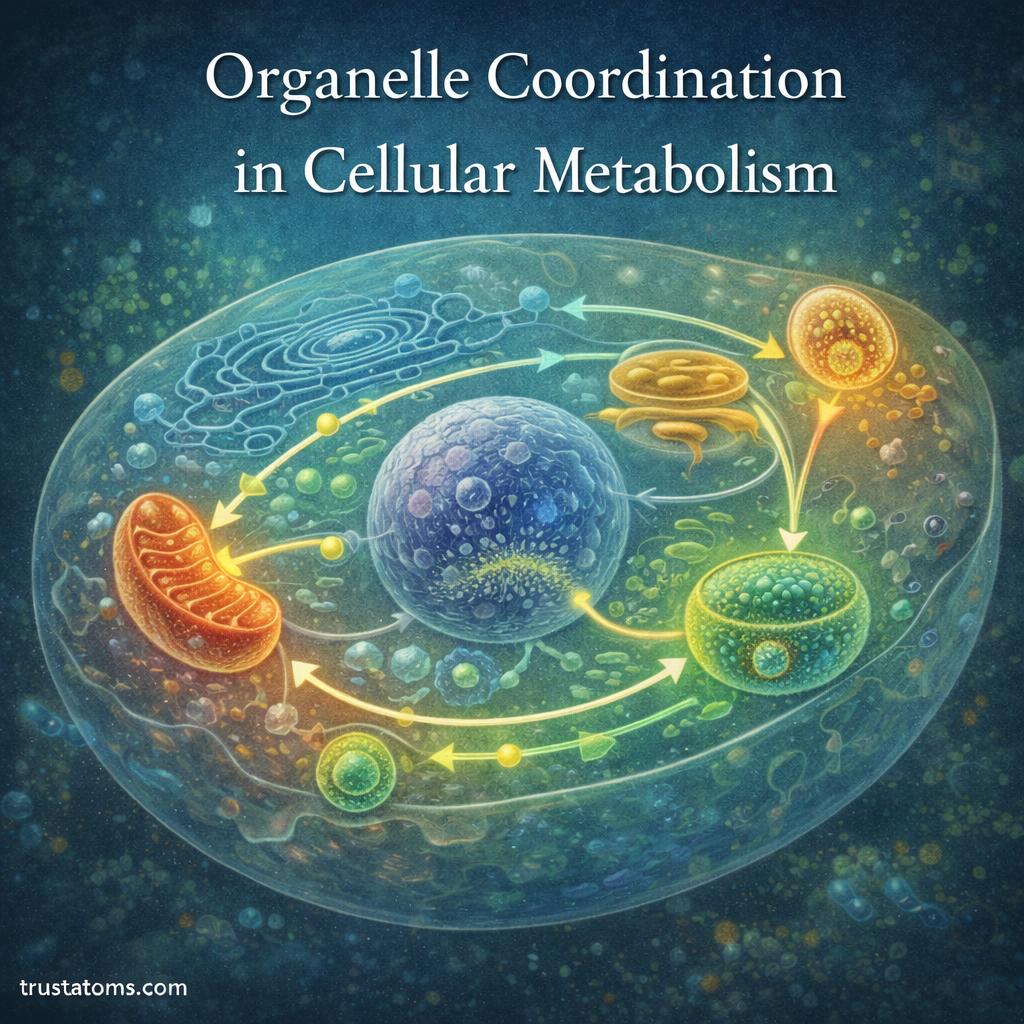
Illustration of a eukaryotic cell showing mitochondria, endoplasmic reticulum, Golgi apparatus, and lysosomes connected to represent organelle coordination in metabolism.
Illustration showing how cellular organelles interact and exchange molecules to coordinate metabolic processes. trustatoms.com.

Cells are highly organized systems where specialized structures called organelles work together to maintain life. Each organelle performs distinct biochemical tasks, but cellular metabolism depends on the coordination between these structures rather than their individual functions alone.

Organelle coordination ensures that nutrients are processed efficiently, energy is produced at the right time, and metabolic products are delivered where they are needed. This dynamic communication between cellular compartments allows cells to regulate metabolism, respond to environmental changes, and maintain overall cellular health.

Understanding how organelles coordinate their activities provides insight into fundamental biological processes and helps researchers study metabolic diseases, aging, and cellular stress responses.

Continue reading “Organelle Coordination in Cellular Metabolism”

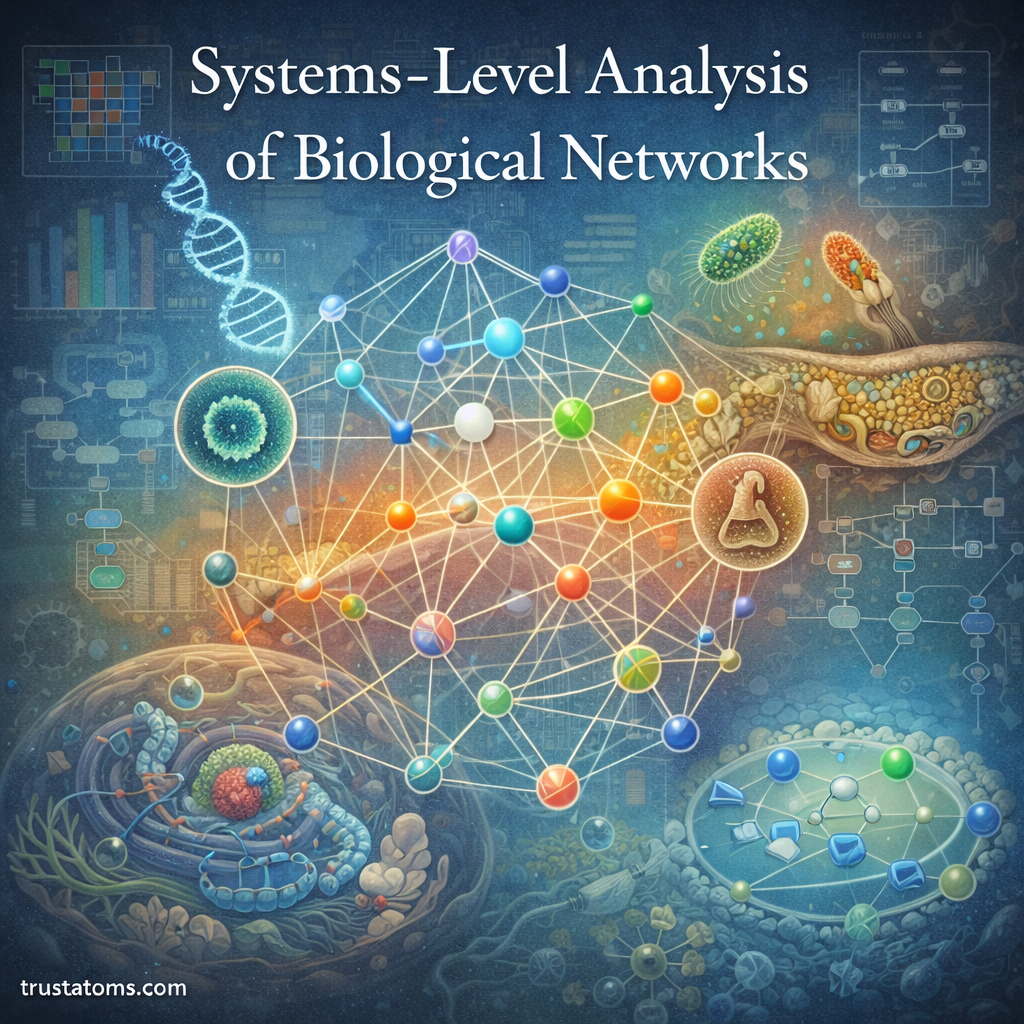
Systems-Level Analysis of Biological Networks

Illustration showing interconnected biological network nodes representing genes, proteins, and cellular pathways in systems-level biology.
Illustration depicting interconnected biological networks used to study gene regulation, protein interactions, and cellular systems. trustatoms.com.

Biological systems are composed of vast networks of interacting molecules, cells, and signaling pathways. Instead of studying individual genes or proteins in isolation, scientists increasingly analyze entire biological networks to understand how living systems function as integrated wholes.

Systems-level analysis of biological networks is a core approach in modern systems biology. By examining the complex interactions among genes, proteins, metabolites, and regulatory pathways, researchers can identify patterns, predict system behavior, and understand how biological processes emerge from interconnected components.

This network-based perspective is essential for studying complex phenomena such as cellular regulation, disease development, and metabolic processes.

Continue reading “Systems-Level Analysis of Biological Networks”

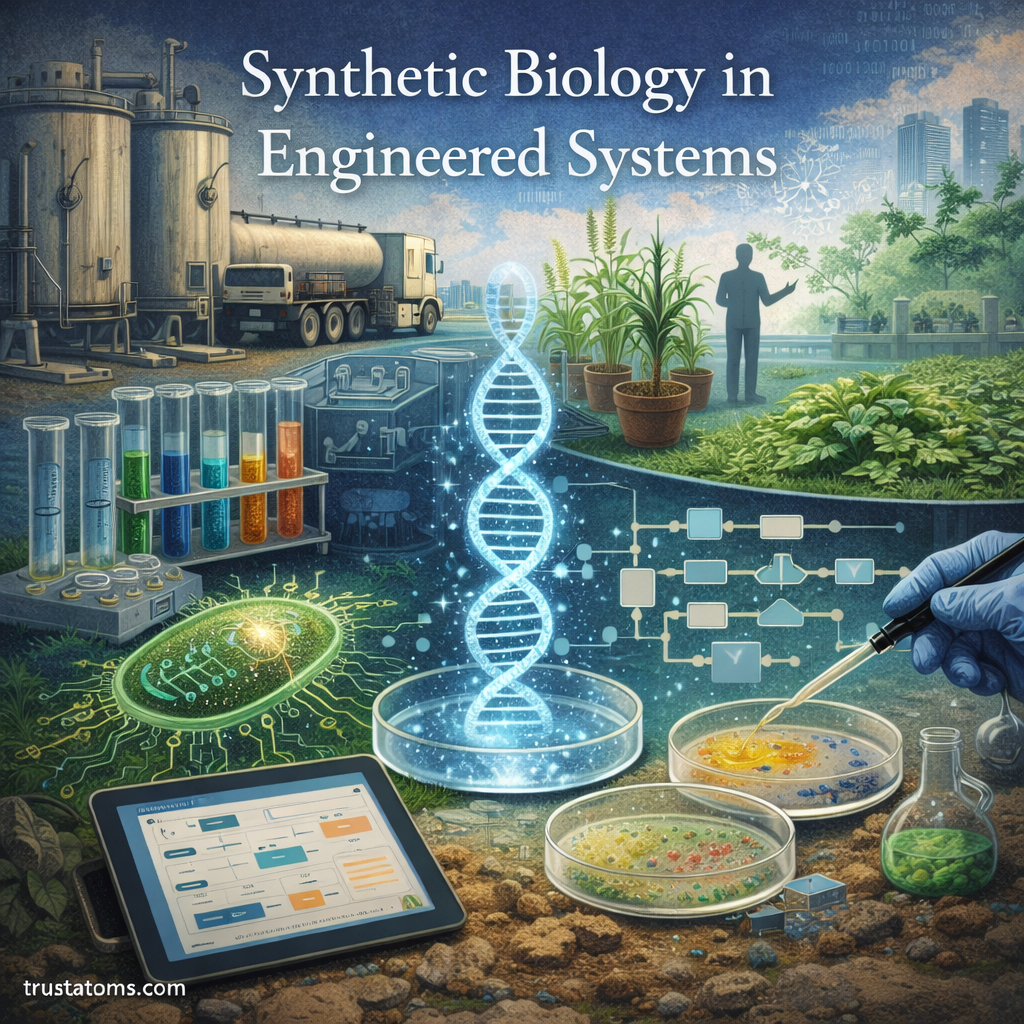
Synthetic Biology in Engineered Systems

Illustration showing laboratory gene engineering, industrial bioreactors, and engineered crops connected by a DNA strand representing synthetic biology in engineered systems.
Illustration depicting synthetic biology applications in medicine, industry, and agriculture through engineered biological systems. trustatoms.com.

Synthetic biology is an interdisciplinary field that combines biology, engineering, genetics, and computer science to design and construct new biological systems. Rather than simply studying natural organisms, scientists in synthetic biology aim to engineer biological components and redesign living systems to perform useful functions.

In engineered systems, synthetic biology applies engineering principles—such as standardization, modular design, and predictability—to biological processes. This approach allows researchers to build biological circuits, modify organisms for industrial production, and develop new solutions in medicine, agriculture, and environmental management.

As the field advances, synthetic biology is becoming a powerful tool for creating programmable biological systems that can perform complex tasks.

Continue reading “Synthetic Biology in Engineered Systems”

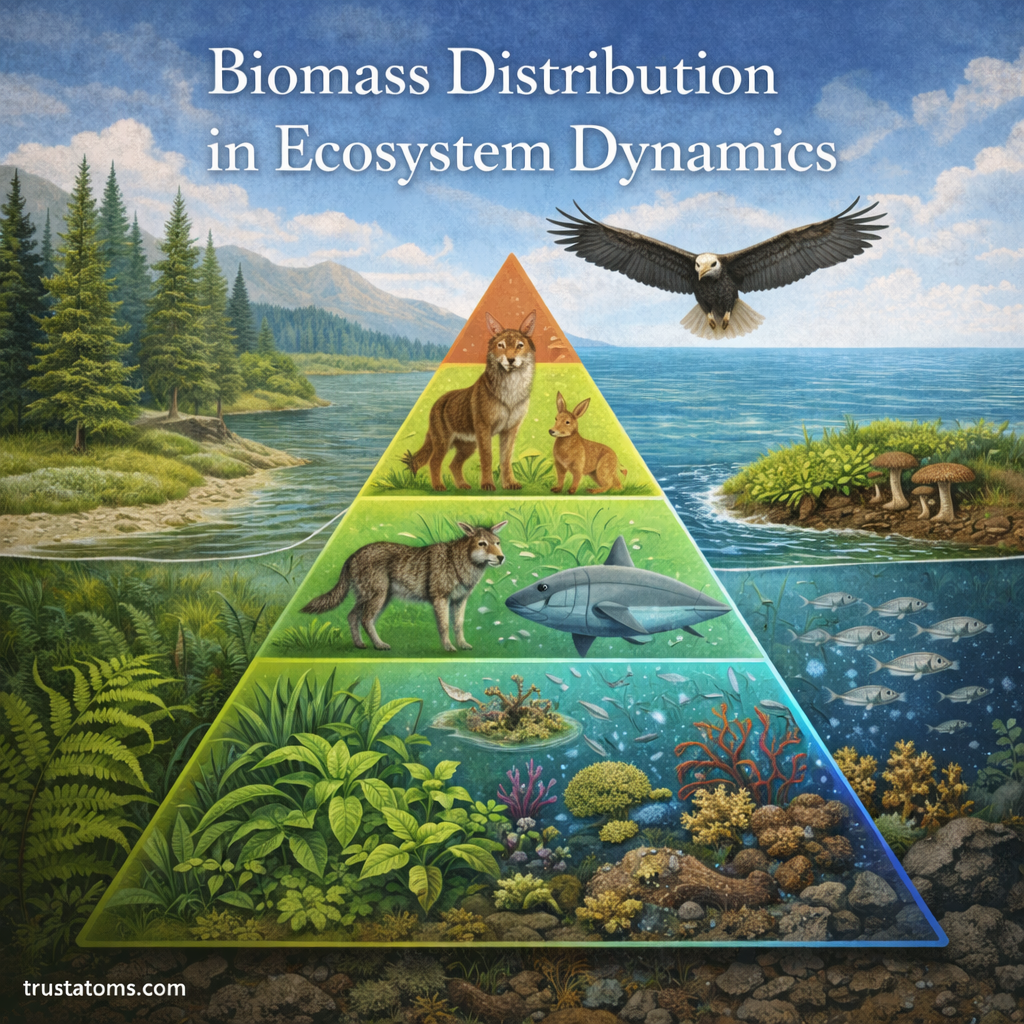
Biomass Distribution in Ecosystem Dynamics

Illustration showing a trophic biomass pyramid with plants, herbivores, and predators representing biomass distribution across ecosystem food chains.
Illustration of a trophic biomass pyramid showing how plant biomass supports herbivores and predators within ecosystem dynamics. trustatoms.com.

Biomass distribution is a fundamental concept in ecology that helps scientists understand how energy and matter move through ecosystems. Biomass refers to the total mass of living organisms within a given area or ecosystem, usually measured in terms of dry weight or carbon content.

By studying how biomass is distributed among plants, animals, and microorganisms, ecologists can gain insight into ecosystem stability, productivity, and energy flow. Biomass patterns reveal which organisms dominate an ecosystem, how resources are used, and how environmental changes may affect ecological balance.

Understanding biomass distribution is therefore essential for studying ecosystem dynamics, food webs, and long-term environmental sustainability.

Continue reading “Biomass Distribution in Ecosystem Dynamics”

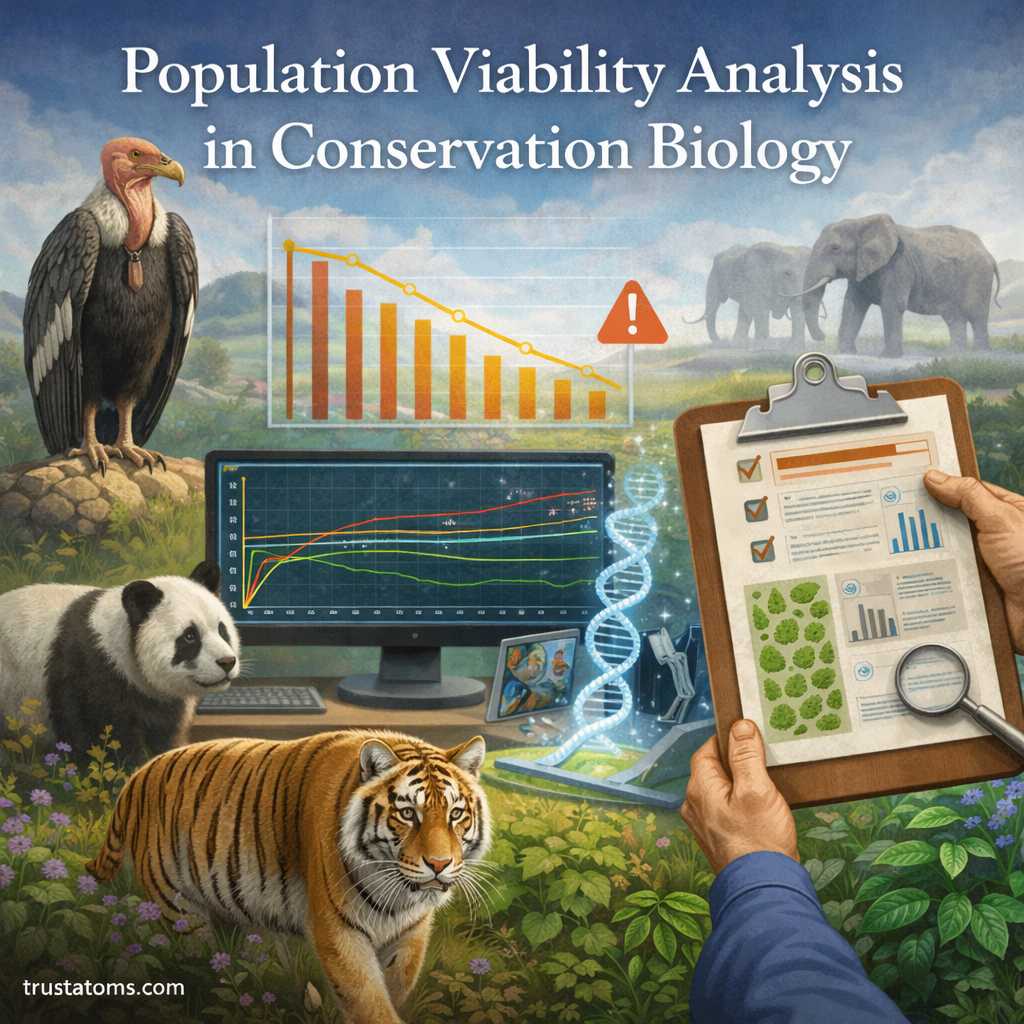
Population Viability Analysis in Conservation Biology

Illustration showing wildlife species, population trend graphs, and conservation research tools representing population viability analysis in conservation biology.
Illustration depicting scientists analyzing wildlife population trends to assess extinction risk and support conservation planning. trustatoms.com.

Population Viability Analysis (PVA) is a scientific method used by conservation biologists to estimate the likelihood that a species population will survive or go extinct over time. By combining ecological data, demographic information, and mathematical models, researchers can predict how populations respond to environmental pressures such as habitat loss, climate change, disease, and human activity.

In conservation biology, PVA helps decision-makers evaluate risks and design strategies that improve the survival chances of endangered species. Rather than relying on guesswork, conservationists can use quantitative modeling to assess long-term population stability and guide wildlife management efforts.

Continue reading “Population Viability Analysis in Conservation Biology”

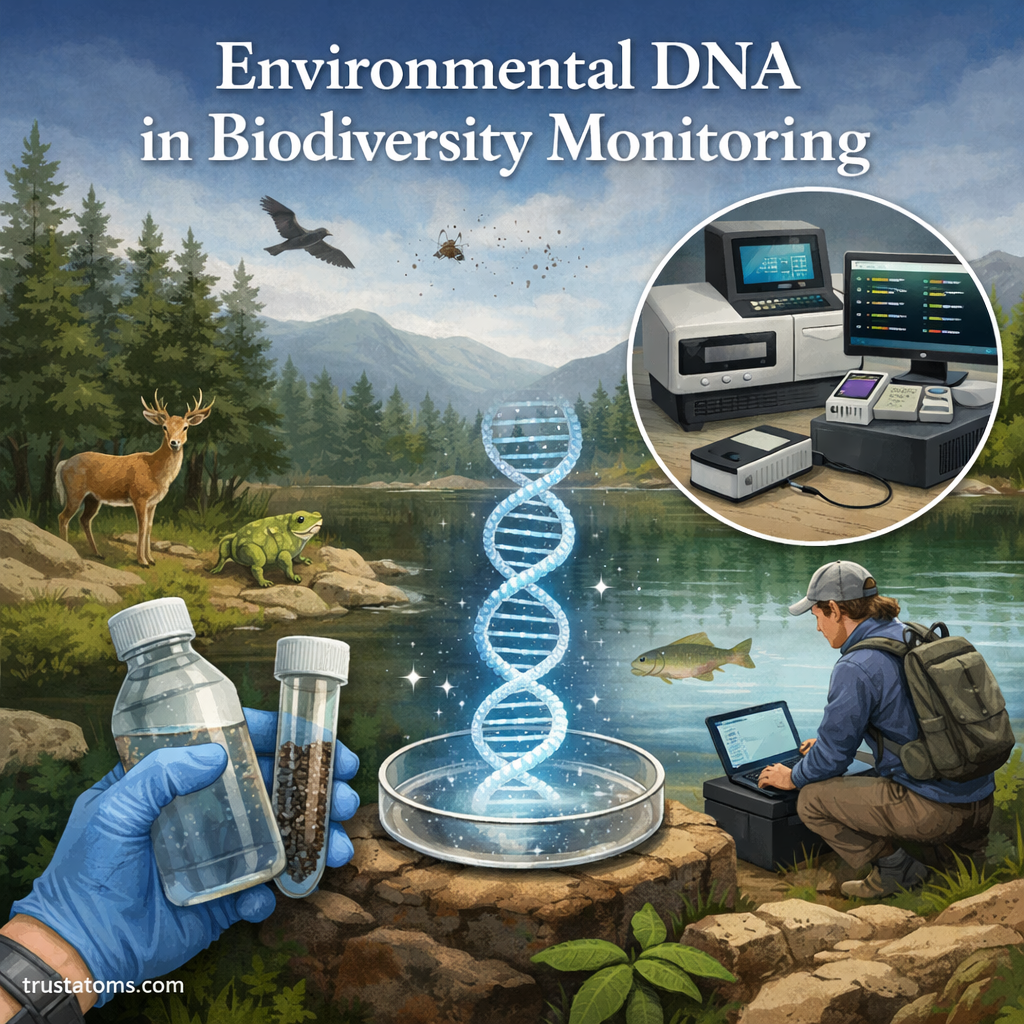
Environmental DNA in Biodiversity Monitoring

Illustration showing environmental DNA sampling in a natural ecosystem with wildlife, water collection samples, and DNA analysis used for biodiversity monitoring.
Illustration depicting environmental DNA sampling from water and soil to detect species presence in an ecosystem. trustatoms.com.

Environmental DNA (eDNA) has transformed how scientists study biodiversity. Instead of physically capturing or observing organisms, researchers can now detect species simply by analyzing genetic material found in water, soil, air, or sediment.

Every organism constantly sheds tiny traces of DNA through skin cells, mucus, waste, pollen, or decomposing tissue. These fragments accumulate in the environment and can be collected and analyzed to reveal which species are present in an ecosystem.

Because of its efficiency and sensitivity, eDNA is becoming one of the most powerful tools for monitoring biodiversity, tracking endangered species, and detecting invasive organisms.

Continue reading “Environmental DNA in Biodiversity Monitoring”

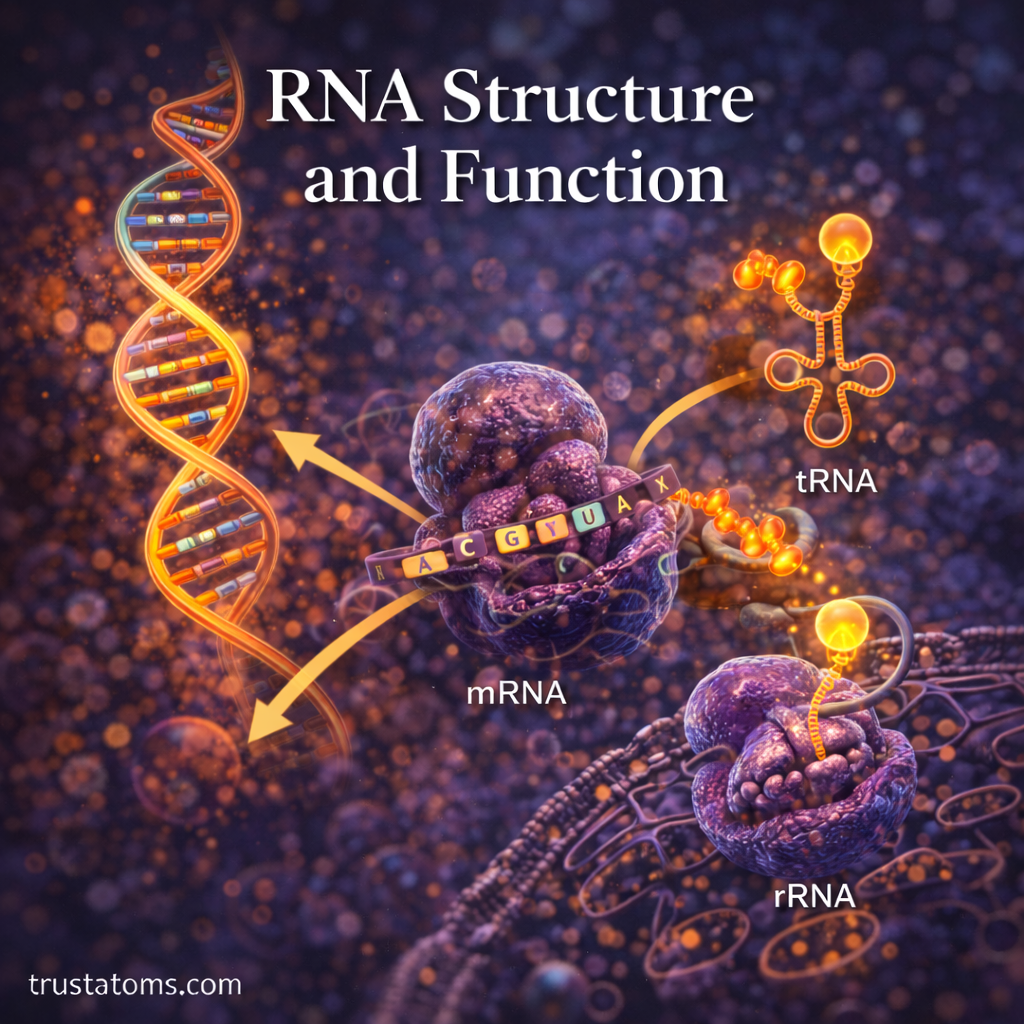
RNA Structure and Function

Illustration showing RNA molecules including mRNA, tRNA, and rRNA involved in protein synthesis inside a cell.
Scientific illustration showing how different RNA types—mRNA, tRNA, and rRNA—work together during gene expression and protein synthesis. trustatoms.com.

Ribonucleic acid, commonly known as RNA, is one of the most important molecules in biology. While DNA stores genetic information, RNA plays a crucial role in using that information to produce proteins and regulate cellular processes.

RNA molecules are involved in gene expression, protein synthesis, gene regulation, and many other cellular functions. Scientists once thought RNA served only as a simple messenger between DNA and proteins, but modern research shows that RNA molecules perform diverse and complex roles in living systems.

Understanding RNA structure and function is essential for studying genetics, molecular biology, and modern biomedical research.

Continue reading “RNA Structure and Function”

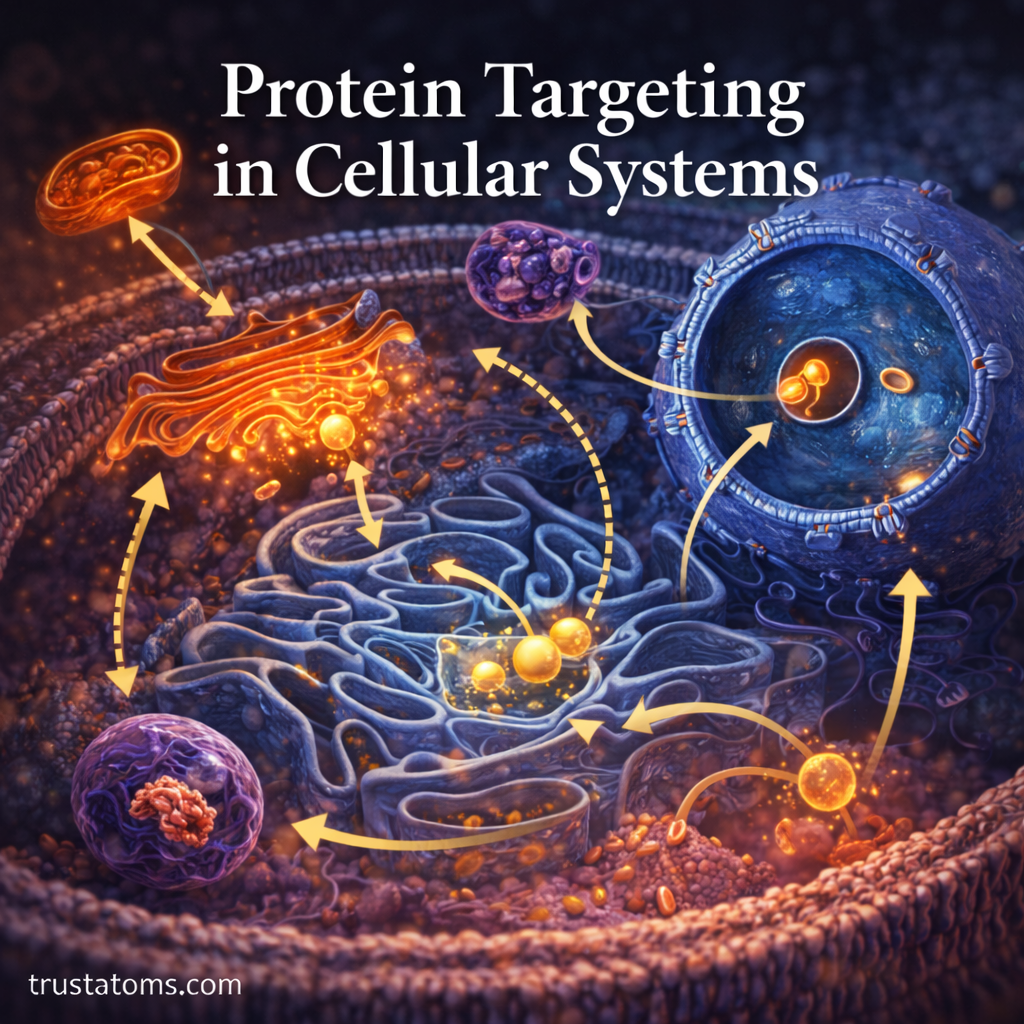
Protein Targeting in Cellular Systems

Illustration showing protein targeting pathways directing proteins from the endoplasmic reticulum through the Golgi apparatus to various cellular organelles.
Scientific illustration showing how proteins are directed through cellular pathways to reach organelles such as the nucleus, mitochondria, and lysosomes. trustatoms.com.

Cells contain thousands of proteins that perform specialized tasks. However, for proteins to function correctly, they must be delivered to the right location within the cell. This process is known as protein targeting.

Protein targeting ensures that newly synthesized proteins reach their correct cellular destinations, such as membranes, organelles, or the extracellular environment. Without this precise system, essential cellular functions would break down.

Understanding protein targeting helps scientists study how cells organize internal processes and how errors in these systems can lead to disease.

Continue reading “Protein Targeting in Cellular Systems”