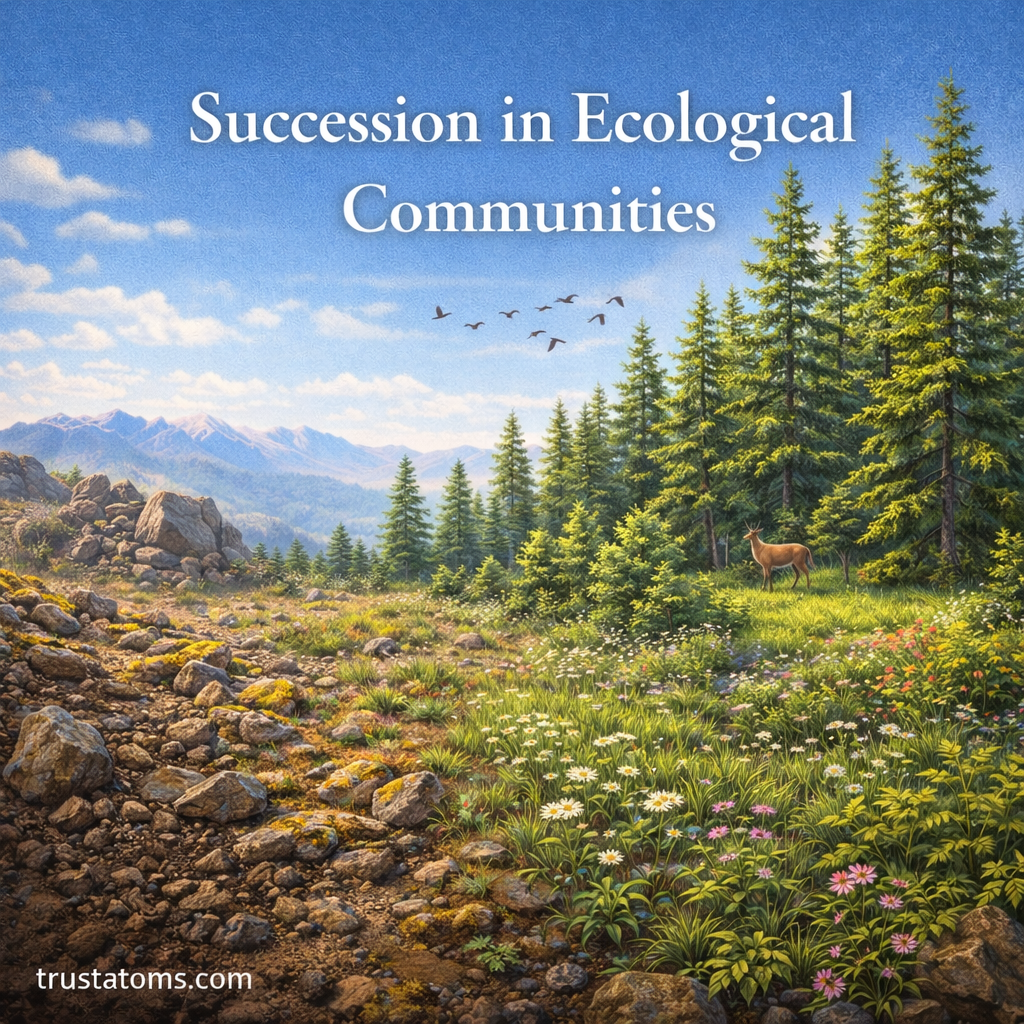
Ecology is the branch of biology that studies how living organisms interact with each other and with their environment. These interactions determine how ecosystems function, how species survive, and how energy and nutrients move through nature.
From microscopic bacteria in soil to massive forests and oceans, ecology examines the complex relationships that sustain life on Earth. It also helps scientists understand how environmental changes—such as climate shifts, pollution, and habitat loss—affect organisms and ecosystems.
Understanding ecology is essential for protecting biodiversity, managing natural resources, and maintaining the balance of life on our planet.
The Definition of Ecology
Ecology is the scientific study of relationships between organisms and their physical surroundings.
The word ecology comes from the Greek words:
- Oikos — meaning “house” or “environment”
- Logos — meaning “study”
In simple terms, ecology is the study of how organisms live within their natural “home.”
Ecologists study interactions such as:
- How animals find food
- How plants compete for sunlight
- How predators and prey influence each other
- How environmental conditions shape ecosystems
These interactions form the foundation of life in every ecosystem on Earth.
Key Components of Ecology
Ecology focuses on two major components: living organisms and their environment.
Biotic Factors
Biotic factors are the living components of an ecosystem.
Examples include:
- Plants
- Animals
- Fungi
- Bacteria
- Other microorganisms
Biotic interactions include relationships such as:
- Competition
- Predation
- Symbiosis
- Mutualism
These interactions shape the structure of biological communities.
Abiotic Factors
Abiotic factors are the nonliving elements of the environment that influence organisms.
Important abiotic factors include:
- Temperature
- Water availability
- Sunlight
- Soil composition
- Air and oxygen levels
- Nutrient availability
Changes in these environmental conditions can dramatically affect which organisms survive in a given ecosystem.
Levels of Ecological Organization
Ecologists study life at several levels of organization, each focusing on different interactions.
1. Organism
The organism level focuses on individual living organisms and how they respond to their environment.
Examples include:
- A cactus adapting to desert heat
- A fish adjusting to water temperature
- A bird migrating to find food
2. Population
A population consists of individuals of the same species living in the same area.
Ecologists study population characteristics such as:
- Population size
- Growth rates
- Birth and death rates
- Migration patterns
Population ecology helps scientists understand how species expand or decline over time.
3. Community
A community includes all populations of different species living together in a particular area.
Community ecology examines interactions between species, including:
- Predator–prey relationships
- Competition for resources
- Symbiotic partnerships
These relationships influence which species thrive or disappear.
4. Ecosystem
An ecosystem includes all living organisms plus the physical environment in which they exist.
Examples of ecosystems include:
- Forests
- Coral reefs
- Grasslands
- Wetlands
- Deserts
Ecosystem ecology focuses on how energy flows and how nutrients cycle through these systems.
5. Biosphere
The biosphere is the global ecological system that includes all ecosystems on Earth.
It encompasses:
- Land environments
- Oceans
- Atmosphere regions that support life
The biosphere represents the largest scale of ecological study.
Major Ecological Relationships
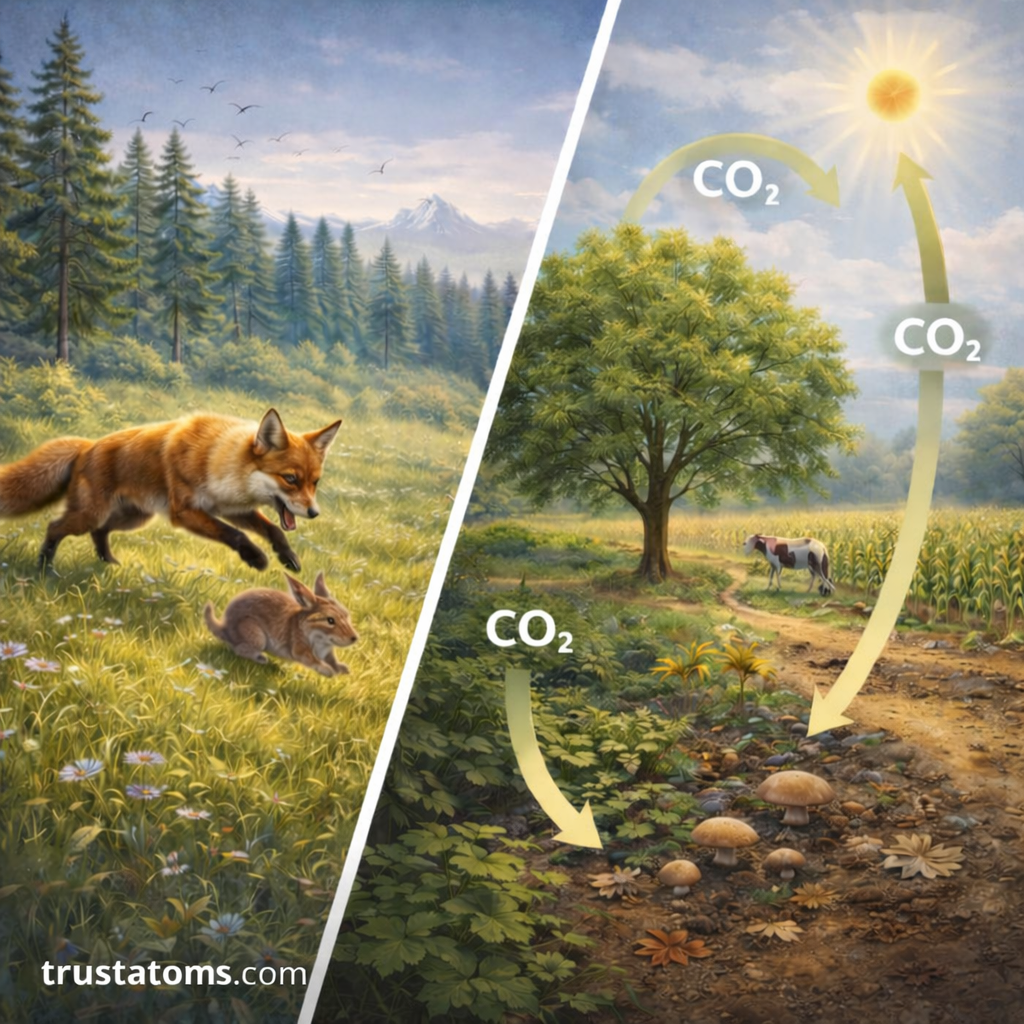
Organisms interact with each other in many different ways. These relationships are essential to ecological balance.
Competition
Competition occurs when organisms compete for the same limited resources, such as:
- Food
- Water
- Territory
- Light
- Nutrients
Competition can occur between members of the same species or between different species.
Predation
Predation occurs when one organism (the predator) hunts and consumes another organism (the prey).
Examples include:
- Wolves hunting deer
- Birds eating insects
- Fish feeding on smaller fish
Predation helps regulate population sizes in ecosystems.
Symbiosis
Symbiosis refers to long-term biological relationships between different species.
Common types include:
- Mutualism — both organisms benefit
- Commensalism — one benefits while the other is unaffected
- Parasitism — one benefits while the other is harmed
These relationships can influence survival, reproduction, and ecosystem stability.
Energy Flow in Ecosystems
Energy drives all ecological processes.
Most ecosystems rely on solar energy from the Sun, which is captured by plants and other photosynthetic organisms.
Energy moves through ecosystems in the following sequence:
- Producers (plants and algae)
- Primary consumers (herbivores)
- Secondary consumers (carnivores)
- Tertiary consumers (top predators)
- Decomposers (fungi and bacteria)
Each step in this chain transfers energy from one organism to another.
Nutrient Cycling
While energy flows through ecosystems, nutrients cycle repeatedly.
Key nutrient cycles include:
- Carbon cycle
- Nitrogen cycle
- Water cycle
- Phosphorus cycle
These cycles allow essential elements to move between organisms, soil, water, and the atmosphere.
Without nutrient cycling, ecosystems would quickly run out of the materials needed to support life.
Why Ecology Is Important
Ecology plays a critical role in understanding environmental challenges and protecting ecosystems.
Ecological research helps scientists:
- Protect endangered species
- Restore damaged ecosystems
- Manage fisheries and forests
- Understand climate change
- Control invasive species
- Improve agricultural sustainability
Because all life on Earth is interconnected, ecological knowledge is essential for maintaining the balance of nature.
Ecology and Human Impact
Human activities have significant ecological effects.
Some of the most important impacts include:
- Habitat destruction
- Pollution
- Climate change
- Overfishing
- Deforestation
- Introduction of invasive species
Ecologists study these impacts to develop solutions that reduce environmental damage and promote sustainable resource use.
The Future of Ecological Science
Modern ecological research combines multiple scientific fields, including:
- Biology
- Environmental science
- Geography
- Climate science
- Data science
Advanced tools such as satellite monitoring, ecological modeling, and genetic analysis are helping scientists better understand how ecosystems respond to global change.
As environmental challenges continue to grow, ecological science will remain essential for guiding conservation efforts and protecting the planet’s biodiversity.
Final Thoughts
Ecology is the scientific study of how organisms interact with each other and with their environments. By examining ecosystems, communities, populations, and individual organisms, ecologists uncover the complex relationships that sustain life on Earth.
From energy flow and nutrient cycling to predator–prey dynamics and environmental change, ecology helps explain how natural systems function and why maintaining ecological balance is vital for the future of the planet.