Environmental stress in biology occurs when conditions in an organism’s surroundings challenge its ability to survive, grow, reproduce, or maintain normal biological functions. Common causes include extreme temperatures, drought, pollution, limited food, disease, and habitat disruption.
Every organism has environmental conditions under which it functions best. When those conditions change beyond its usual tolerance, the organism may experience stress. Understanding these responses is an important part of the study of biology because environmental pressures affect everything from individual cells to entire ecosystems.
Not every stressful condition causes permanent damage. Some organisms recover through short-term adjustments, while prolonged or severe stress can reduce growth, reproduction, and survival. The outcome depends on the organism, the type of stress, and how long exposure continues.
What Environmental Stress Means in Biology
Environmental stress occurs when an external condition interferes with an organism’s normal functioning or places demands on its ability to maintain internal stability.
Organisms have tolerance ranges for factors such as temperature, water availability, salinity, and oxygen concentration. Conditions near the optimum generally support better performance, while conditions approaching tolerance limits can impair biological processes.
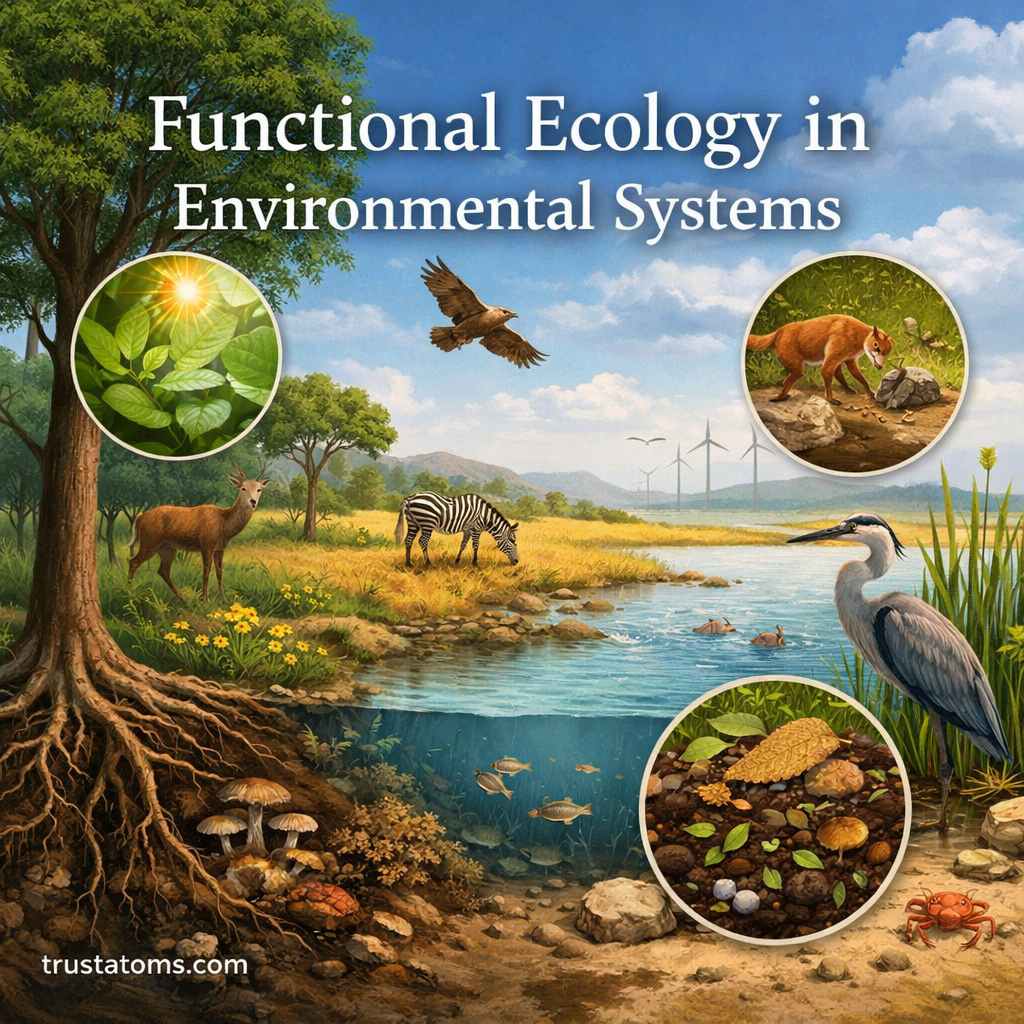
Stress can affect cells, individual organisms, populations, and entire ecological communities. A drought, for example, may reduce water availability for individual plants while also changing food resources for animals.
Scientists distinguish short-term acclimation from inherited adaptation. Acclimation involves adjustments within an organism’s lifetime, while evolutionary adaptation develops across generations when inherited traits become more common through natural selection.
Research into molecular adaptation to environmental stress examines how inherited changes in cellular processes can improve tolerance to challenging conditions.
Similarly, adaptation mechanisms in extreme environments help explain how organisms persist in habitats with unusually high temperatures, salinity, acidity, or other environmental pressures.
Plants provide familiar examples of specialized traits, including water-storage tissues and protective leaf surfaces. Studying plant adaptations to environmental conditions shows how these features influence survival.
The field of ecophysiology in environmental adaptation connects these observations with measurements of how organisms function under different environmental conditions.
Three Main Types of Environmental Stress
Environmental stressors are commonly grouped into physical, chemical, and biological categories. These categories often overlap because one environmental change can create several forms of stress simultaneously.
| Stress Type | Common Examples | Possible Biological Effects |
|---|---|---|
| Physical | Heat, cold, drought, flooding, radiation | Dehydration, reduced growth, cellular damage |
| Chemical | Pollutants, heavy metals, excess salt, acidity | Enzyme disruption, toxicity, metabolic changes |
| Biological | Pathogens, parasites, competition, invasive species | Disease, resource shortages, reduced reproduction |
Physical Stress: Temperature, Water, and Light
Physical stress results from environmental conditions that interfere with normal biological activity.
Extreme heat can destabilize proteins and damage cell membranes. Freezing temperatures can injure tissues through ice formation, while drought limits the water needed for metabolism and growth.
Light availability also affects organisms. Too little light restricts photosynthesis, while excessive light can damage photosynthetic systems under certain conditions.
Chemical Stress: Pollution and Toxic Substances
Chemical stress occurs when harmful substances or unsuitable chemical conditions interfere with biological functions.
Examples include heavy metals in soil, industrial pollutants in waterways, excess salt around plant roots, and changes in environmental acidity.
Some chemicals damage cell membranes or interfere with enzymes. Others disrupt nutrient uptake or cause the accumulation of reactive molecules that can injure cellular structures.
Biological Stress: Disease, Competition, and Predation
Biological stress arises from interactions with other living organisms.
Pathogens may infect tissues, parasites may consume host resources, and competing species may reduce access to food or habitat.
For example, an invasive plant species can increase competition for sunlight, water, and soil nutrients. Native plants may then experience reduced growth or reproduction even when temperature and rainfall remain unchanged.
How Cells Respond to Environmental Stress
Environmental stress often produces changes at the cellular level before visible symptoms appear in an organism.
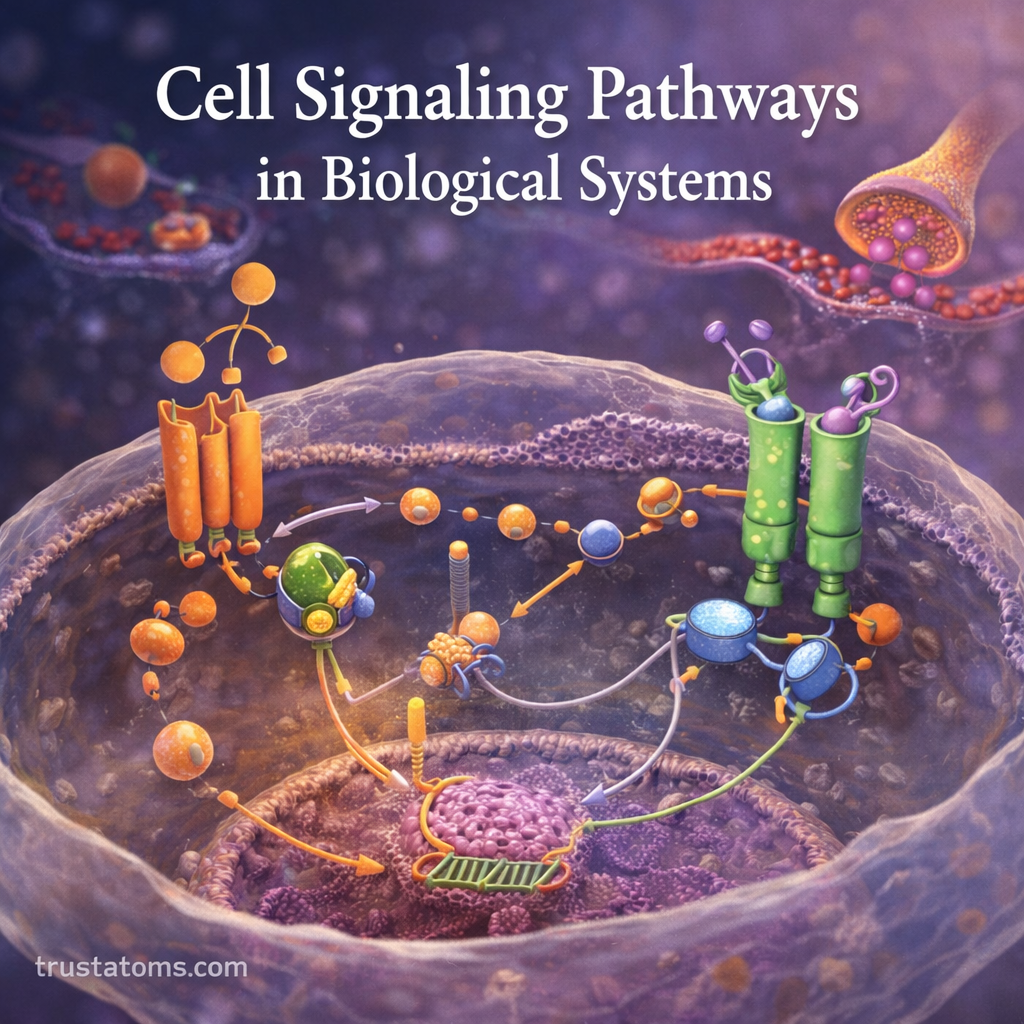
Cells detect disturbances and activate responses that protect essential structures, repair damage, or adjust metabolism.
Common cellular responses include:
- Stress protein production: Heat shock proteins help other proteins maintain or recover their proper shapes.
- DNA repair: Specialized enzymes detect and repair certain forms of genetic damage.
- Metabolic adjustment: Cells redirect resources toward maintenance and survival.
- Antioxidant defenses: Enzymes and other molecules help control potentially damaging reactive oxygen species.
- Membrane regulation: Cells adjust transport and membrane properties to maintain suitable internal conditions.
Plants demonstrate many of these mechanisms because they must respond to environmental changes while remaining rooted in place. Research on plant stress responses to environmental change explores how cellular signaling coordinates protective adjustments throughout plant tissues.
These responses require energy and resources. If stress persists, maintaining protective mechanisms can reduce the resources available for growth and reproduction.
How Plants Respond to Drought and Other Stressors
Plants face environmental stress from water shortages, excess salt, nutrient deficiencies, temperature extremes, and pest damage.
One important drought response involves stomata, the small pores on leaves that regulate gas exchange. When water becomes scarce, many plants partially close their stomata to reduce water loss.
This response conserves water but also restricts carbon dioxide entry, potentially reducing photosynthesis and growth.
Plants may also adjust root growth, accumulate substances that help maintain cellular water balance, or change the activity of stress-related genes.
Some species possess inherited structural adaptations, such as thick waxy cuticles, reduced leaf surfaces, or water-storage tissues. These features can improve survival in dry environments but may involve trade-offs in growth or resource use.
How Environmental Stress Affects Animals
Animals respond to environmental stress through physiological changes, behavior, and movement.
During extreme heat, mammals may increase evaporative cooling through sweating or panting. Some animals seek shade, become less active, or shift their feeding times to cooler periods.
Food shortages can reduce body condition and reproductive success. Persistent disturbance may also alter hormone activity and immune responses, although the effects vary among species and circumstances.
Movement provides another possible response. Some animals migrate or relocate when seasonal conditions change, but habitat barriers may prevent them from reaching suitable environments.
Real-World Example: Coral Bleaching During Marine Heatwaves
Coral bleaching demonstrates how environmental stress can affect individual organisms and entire ecosystems.
Many reef-building corals contain microscopic photosynthetic algae within their tissues. These algae provide organic compounds that support coral metabolism, while the coral supplies a protected environment and access to nutrients.
When seawater becomes unusually warm for a sustained period, this relationship can become disrupted.
- Heat exposure: Elevated water temperatures place stress on the coral-algae partnership.
- Cellular disruption: Heat can interfere with photosynthesis and increase oxidative stress.
- Bleaching: Corals may lose many of their symbiotic algae or the algae’s pigments, revealing the pale coral skeleton beneath their transparent tissues.
- Reduced energy supply: Bleached corals often receive less nutrition from photosynthesis, making prolonged stress difficult to survive.
- Possible recovery or mortality: Corals may recover if conditions improve, but severe or persistent bleaching can lead to death.
Widespread coral mortality can reduce reef habitat complexity and affect fish and invertebrates that depend on living coral structures.
This example illustrates how a physical stressor can trigger cellular damage, disrupt a biological relationship, and produce ecosystem-wide consequences.
How Human Activities Increase Environmental Stress

Human activities can intensify environmental stress by changing habitats faster than some organisms can respond.
Deforestation removes shelter and alters local temperature and moisture conditions. Industrial pollution introduces harmful substances into air, soil, and water, while habitat fragmentation separates populations and restricts movement.
Climate change can increase exposure to heat extremes, alter precipitation patterns, and shift suitable habitats. In Arctic environments, declining sea ice affects species that depend on ice for hunting, resting, or reproduction.
Multiple stressors may act together. For example, a polluted river experiencing unusually warm temperatures may contain less dissolved oxygen while exposing aquatic organisms to chemical contaminants.
Environmental Stress and Ecosystem Stability
Environmental stress can change ecosystems by altering population sizes, species interactions, and the availability of resources.
A prolonged drought may reduce plant productivity, leaving less food for herbivores and indirectly affecting predators. Severe pollution may eliminate sensitive aquatic species while allowing more tolerant organisms to become abundant.
Ecologists distinguish ecosystem resistance, the ability to withstand disturbance, from resilience, the ability to recover afterward.
Some ecosystems recover after short disturbances. Others may shift toward different community structures when environmental pressures are intense, repeated, or prolonged.
Acclimation Versus Evolutionary Adaptation
Acclimation and adaptation are related concepts, but they describe different biological processes.
Acclimation occurs within an individual’s lifetime. For example, a plant exposed to gradually increasing temperatures may adjust its physiology in ways that improve heat tolerance.
Evolutionary adaptation involves inherited traits becoming more common in populations over generations. According to evolutionary biology, natural selection can favor genetic variations that improve survival or reproduction under particular environmental conditions.
Acclimation can help organisms respond relatively quickly, but it has limits. Evolutionary adaptation may improve long-term population tolerance, yet it depends on genetic variation, reproductive success, and the pace of environmental change.
How Scientists Measure Environmental Stress
Researchers study environmental stress by combining measurements of environmental conditions with observations of biological responses.
They may monitor temperature, soil moisture, pollutant concentrations, or dissolved oxygen while measuring changes in growth, reproduction, survival, or population abundance.
At the cellular level, scientists can examine stress-related proteins, antioxidant activity, and signs of tissue damage. Comparing these measurements helps distinguish temporary adjustments from more serious biological impairment.
Such research supports habitat restoration, conservation planning, agricultural management, and efforts to identify environmental threats before extensive damage occurs.
Frequently Asked Questions
What are examples of environmental stress in biology?
Examples include drought affecting plants, extreme heat affecting animals, heavy metals contaminating soil, pathogens infecting organisms, and competition reducing access to food. Environmental stress can arise from natural conditions or human activities.
Can organisms recover from environmental stress?
Many organisms can recover when stressful conditions improve, particularly if exposure is brief and damage is limited. Recovery depends on the species, its physiological condition, the severity of the stressor, and the resources available for repair.
What is the difference between environmental stress and adaptation?
Environmental stress describes conditions that challenge normal biological functioning. Adaptation refers to inherited characteristics that improve survival or reproduction under particular conditions. Individual organisms may also acclimate through temporary physiological adjustments without undergoing evolutionary adaptation.
Environmental stress affects living systems from individual cells to entire ecosystems, with consequences that depend on the intensity and duration of exposure. By studying how organisms respond to heat, drought, pollution, and biological pressures, scientists can identify tolerance limits and understand why some populations recover while others decline. This knowledge supports more effective conservation, habitat restoration, and environmental management.
Sources: OpenStax, Biology 2e; Urry et al., Campbell Biology; Taiz et al., Plant Physiology and Development.