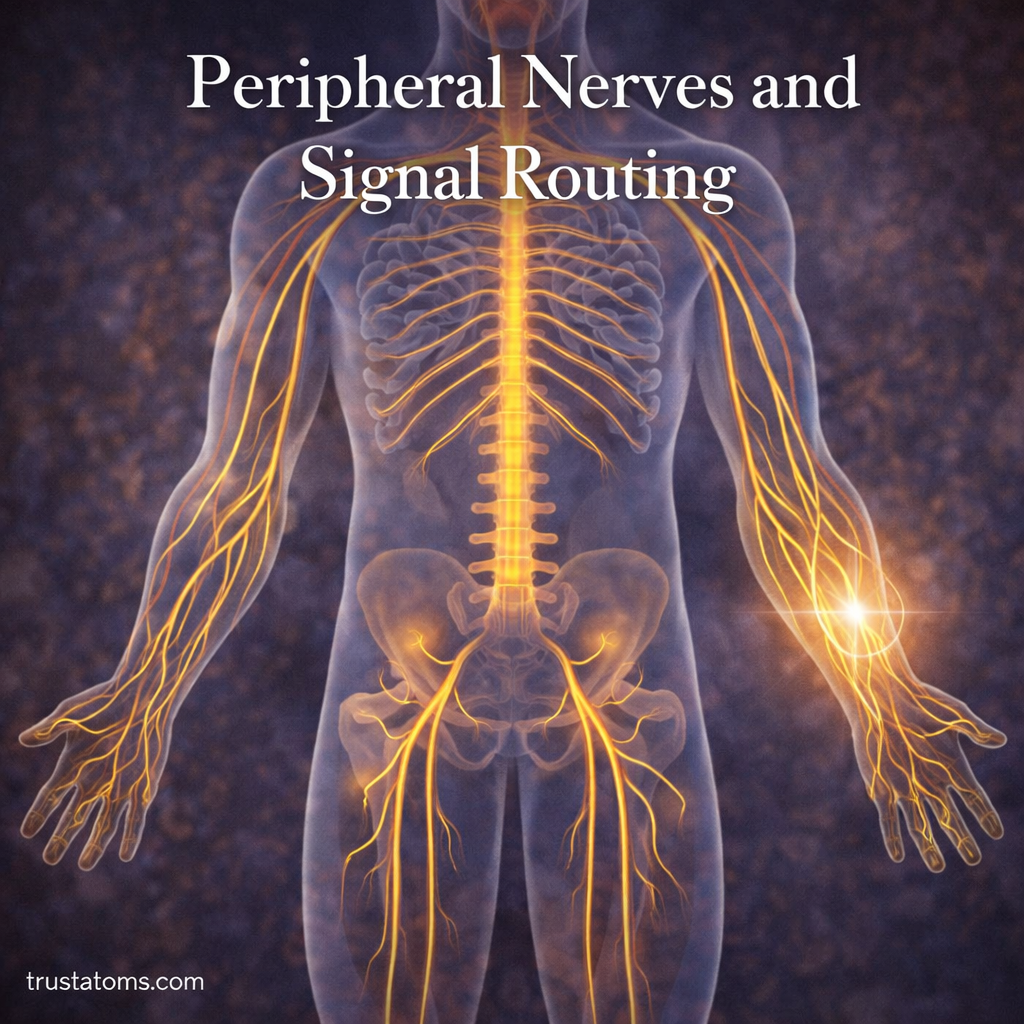
Peripheral nerves form an extensive communication network that connects the brain and spinal cord to the rest of the body. These nerves carry signals that control movement, relay sensory information, and regulate many automatic body functions.
Through this network, the nervous system can quickly route messages between the central nervous system and muscles, organs, and sensory receptors. Without peripheral nerves, the brain would have no way to receive information from the body or send commands that control movement.
Understanding how peripheral nerves route signals provides insight into how the body coordinates sensation, motion, and internal regulation.
What Are Peripheral Nerves?
Peripheral nerves are bundles of nerve fibers that extend beyond the brain and spinal cord. They form part of the peripheral nervous system (PNS), which links the central nervous system to nearly every tissue in the body.
These nerves travel throughout the body to connect with:
- Muscles
- Skin
- Internal organs
- Blood vessels
- Sensory receptors
Peripheral nerves allow the brain and spinal cord to communicate with distant parts of the body through fast electrical signals.
Structure of a Peripheral Nerve
A peripheral nerve is made up of many individual nerve fibers called axons. These axons are grouped together and protected by layers of connective tissue.
The main structural layers include:
Endoneurium
The endoneurium surrounds individual nerve fibers.
Its functions include:
- Protecting axons
- Supporting nutrient exchange
- Maintaining the internal environment of nerve cells
Perineurium
The perineurium bundles groups of axons into structures called fascicles.
This layer provides:
- Structural support
- Electrical insulation
- Protection against physical stress
Epineurium
The epineurium is the outermost protective layer of the nerve.
It contains:
- Blood vessels
- Connective tissue
- Protective cushioning
Together, these layers allow nerves to safely transmit signals through different parts of the body.
Types of Peripheral Nerves
Peripheral nerves are classified based on the type of signals they carry.
Sensory Nerves
Sensory nerves carry signals from the body to the brain.
These signals originate from receptors that detect:
- Touch
- Temperature
- Pain
- Pressure
- Body position
Examples include sensory signals from the skin or joints.
Motor Nerves
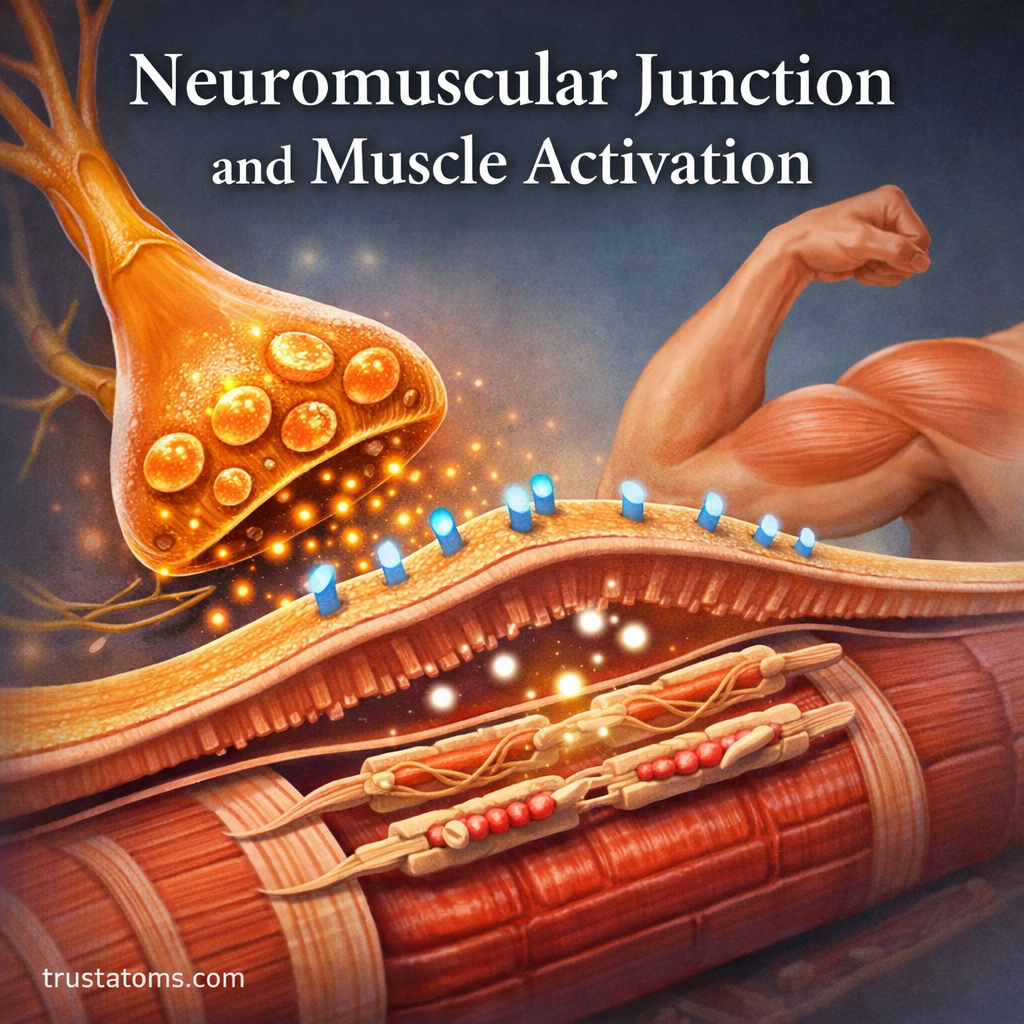
Motor nerves carry signals from the brain or spinal cord to muscles.
These signals trigger:
- Muscle contraction
- Body movement
- Postural adjustments
Motor nerves are responsible for voluntary movements such as walking, lifting objects, or speaking.
Mixed Nerves
Many peripheral nerves carry both sensory and motor fibers.
These mixed nerves can:
- Deliver sensory information to the central nervous system
- Send motor commands back to muscles
Most large nerves in the body are mixed nerves.
How Signal Routing Works in Peripheral Nerves
Signal routing in peripheral nerves involves a coordinated flow of information between the body and the central nervous system.
The process typically follows these steps:
- A sensory receptor detects a stimulus
- Sensory neurons generate electrical signals
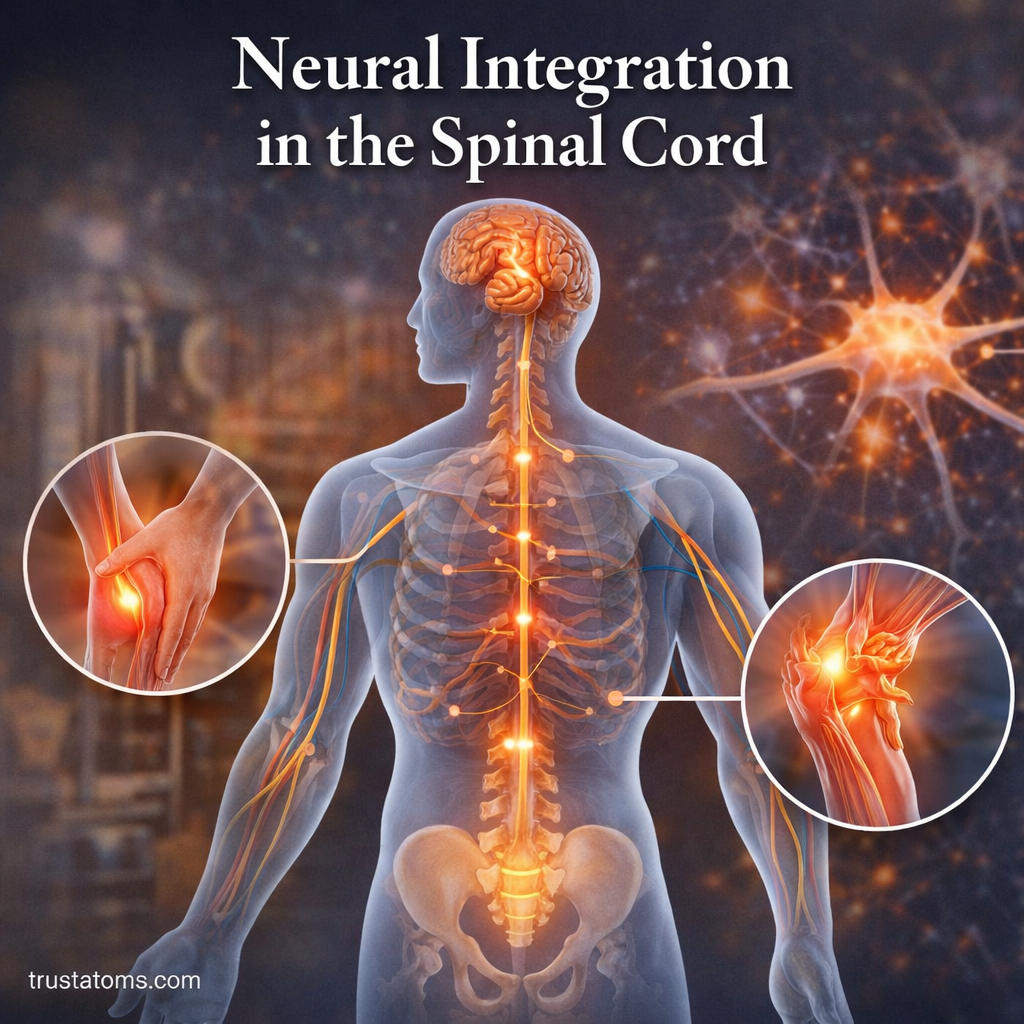
- Signals travel along peripheral nerves toward the spinal cord or brain
- The central nervous system processes the information
- Motor commands are sent back through peripheral nerves
- Muscles or organs respond to the signal
This communication system allows the body to react quickly to environmental changes.
Electrical Signals in Nerve Fibers
Peripheral nerves transmit information using electrical impulses called action potentials.
These impulses travel along nerve fibers at varying speeds depending on factors such as:
- Fiber diameter
- Presence of myelin
- Temperature
- Distance traveled
Myelinated fibers, which are covered by an insulating sheath, transmit signals faster than unmyelinated fibers.
Fast transmission allows the nervous system to coordinate movement and reflexes almost instantly.
Nerve Pathways and Branching
Peripheral nerves form complex branching pathways throughout the body.
Large nerves often split into smaller branches that reach specific muscles or sensory regions.
Examples of major peripheral nerve networks include:
- Brachial plexus – supplies nerves to the shoulders, arms, and hands
- Lumbar plexus – supplies nerves to the lower abdomen and thighs
- Sacral plexus – supplies nerves to the legs and pelvis
These nerve networks help distribute signals efficiently across different parts of the body.
The Role of Peripheral Nerves in Reflexes
Peripheral nerves play a major role in reflex responses.
Reflexes are rapid automatic reactions that protect the body from harm.
A typical reflex pathway includes:
- A sensory receptor detects a stimulus
- A sensory nerve carries the signal to the spinal cord
- Interneurons process the signal
- Motor nerves send commands to muscles
- The body responds quickly
Because reflex signals often bypass the brain, responses can occur within milliseconds.
Peripheral Nerve Damage

Peripheral nerves can become damaged through injury, disease, or prolonged pressure.
This damage is known as peripheral neuropathy.
Common symptoms include:
- Numbness
- Tingling sensations
- Muscle weakness
- Loss of coordination
- Sensitivity to touch
Peripheral nerve damage can disrupt signal routing, making communication between the brain and body less effective.
How Peripheral Nerves Support Everyday Movement
Peripheral nerves are constantly active, transmitting signals that coordinate nearly every physical action.
These signals allow the body to:
- Move muscles smoothly
- Maintain balance and posture
- Detect environmental changes
- Regulate internal organs
- Adjust movements in real time
The ability to quickly route signals through peripheral nerves is essential for coordinated movement and survival.
Final Thoughts
Peripheral nerves form a critical communication system that links the brain and spinal cord with the rest of the body. Through complex networks of nerve fibers, these structures route sensory information to the central nervous system and deliver motor commands to muscles and organs.
This constant exchange of electrical signals allows humans to sense their environment, move efficiently, and maintain internal balance. By understanding how peripheral nerves route signals throughout the body, we gain a clearer picture of how the nervous system supports everyday life.