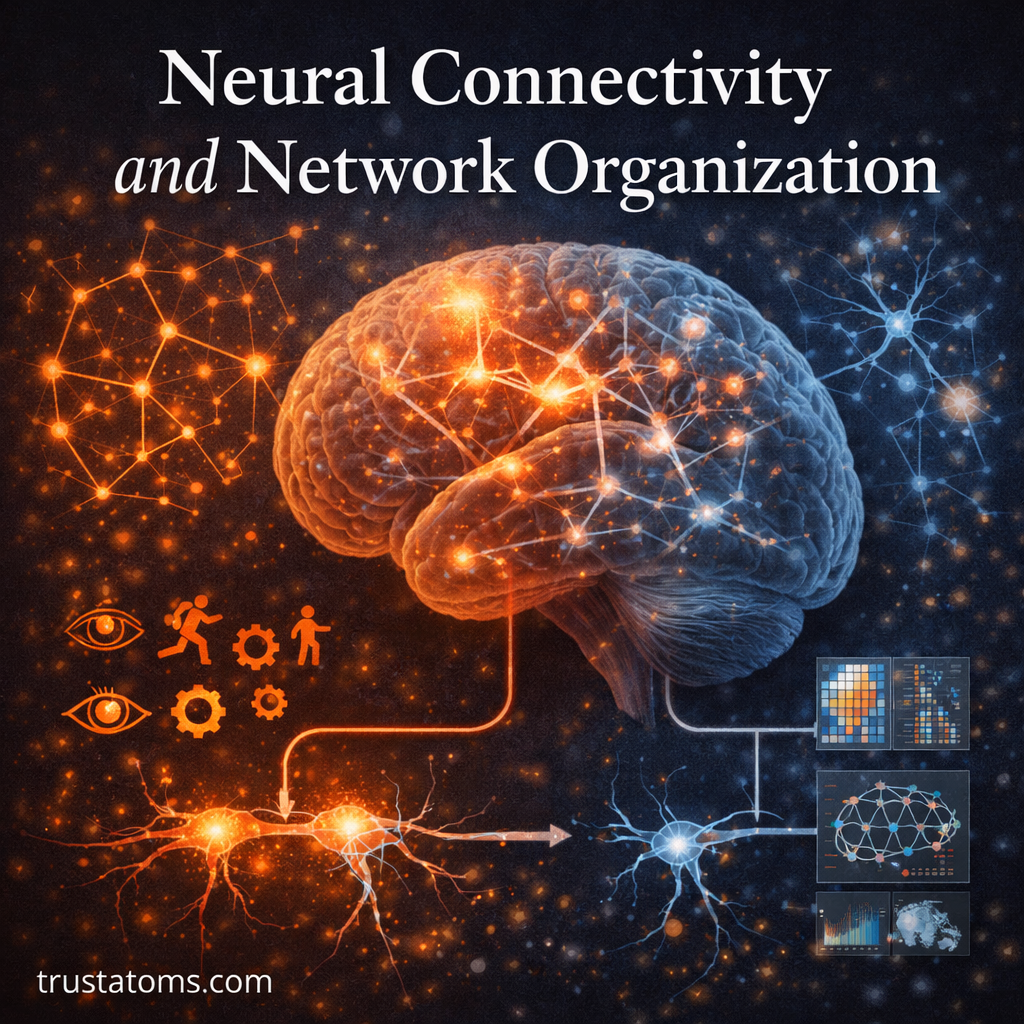
The human brain is one of the most complex networks known to science. Rather than functioning as isolated units, neurons form vast, interconnected systems that allow information to flow efficiently across different regions. This intricate web of connections is known as neural connectivity, and its structure is referred to as network organization.
In this article, we’ll explore how neurons connect, how brain networks are structured, and why this organization is essential for cognition, behavior, and overall brain function.
What Is Neural Connectivity?
Neural connectivity refers to the way neurons are linked together through synapses, forming communication pathways within the brain.
There are two primary types of connectivity:
- Structural connectivity: Physical connections between neurons (synapses and neural pathways)
- Functional connectivity: Patterns of coordinated activity between brain regions
Together, these connections create the foundation for how the brain processes information.
The Building Blocks of Neural Networks
At the core of neural connectivity are neurons and synapses.
Neurons
Neurons are specialized cells that transmit electrical and chemical signals.
Each neuron consists of:
- Dendrites (receive signals)
- Cell body (processes information)
- Axon (sends signals)
Synapses
Synapses are the junctions where neurons communicate.
- Electrical signals trigger neurotransmitter release
- Neurotransmitters cross the synaptic gap
- The next neuron receives and processes the signal
This process enables information to move across neural networks.
Types of Neural Connections
Neural networks are made up of different types of connections that serve distinct functions.
Local Connections
- Occur between nearby neurons
- Support detailed processing within a specific brain region
Long-Range Connections
- Link distant brain areas
- Enable integration of information across systems
Feedforward Connections
- Move information in one direction (e.g., from sensory input to higher processing areas)
Feedback Connections
- Send signals backward to refine or adjust processing
These connection types work together to create dynamic and flexible networks.
Network Organization in the Brain
The brain is organized into networks that balance efficiency and specialization.
Small-World Networks
The brain exhibits a “small-world” structure:
- High local clustering of neurons
- Short paths connecting distant regions
This design allows for both specialized processing and rapid communication.
Modular Organization
The brain is divided into modules or regions that handle specific functions.
Examples include:
- Visual processing areas
- Motor control regions
- Language-related areas
Modules can operate independently but also communicate when needed.
Hub Regions
Some brain areas act as hubs—highly connected regions that coordinate information flow.
- Integrate signals from multiple regions
- Facilitate complex processing
These hubs are critical for maintaining efficient communication across the brain.
Functional Networks of the Brain
Beyond physical connections, the brain also forms functional networks based on activity patterns.
Examples of Major Functional Networks:
- Default Mode Network (DMN): Active during rest and self-reflection
- Salience Network: Detects important stimuli
- Central Executive Network: Involved in decision-making and problem-solving
These networks dynamically interact depending on the task or mental state.
Connectivity and Information Flow
Neural connectivity determines how information travels through the brain.
Key features include:
- Parallel processing: Multiple pathways process information simultaneously
- Integration: Combining inputs from different sensory systems
- Segregation: Keeping specialized processes distinct
This balance ensures that the brain can handle complex tasks efficiently.
Plasticity and Network Adaptation
Neural networks are not fixed—they can change over time through a process called neuroplasticity.
How Networks Adapt:
- Strengthening frequently used connections
- Weakening unused pathways
- Forming new connections
This adaptability supports:
- Learning
- Memory formation
- Recovery after injury
Connectivity in Sensory and Motor Systems
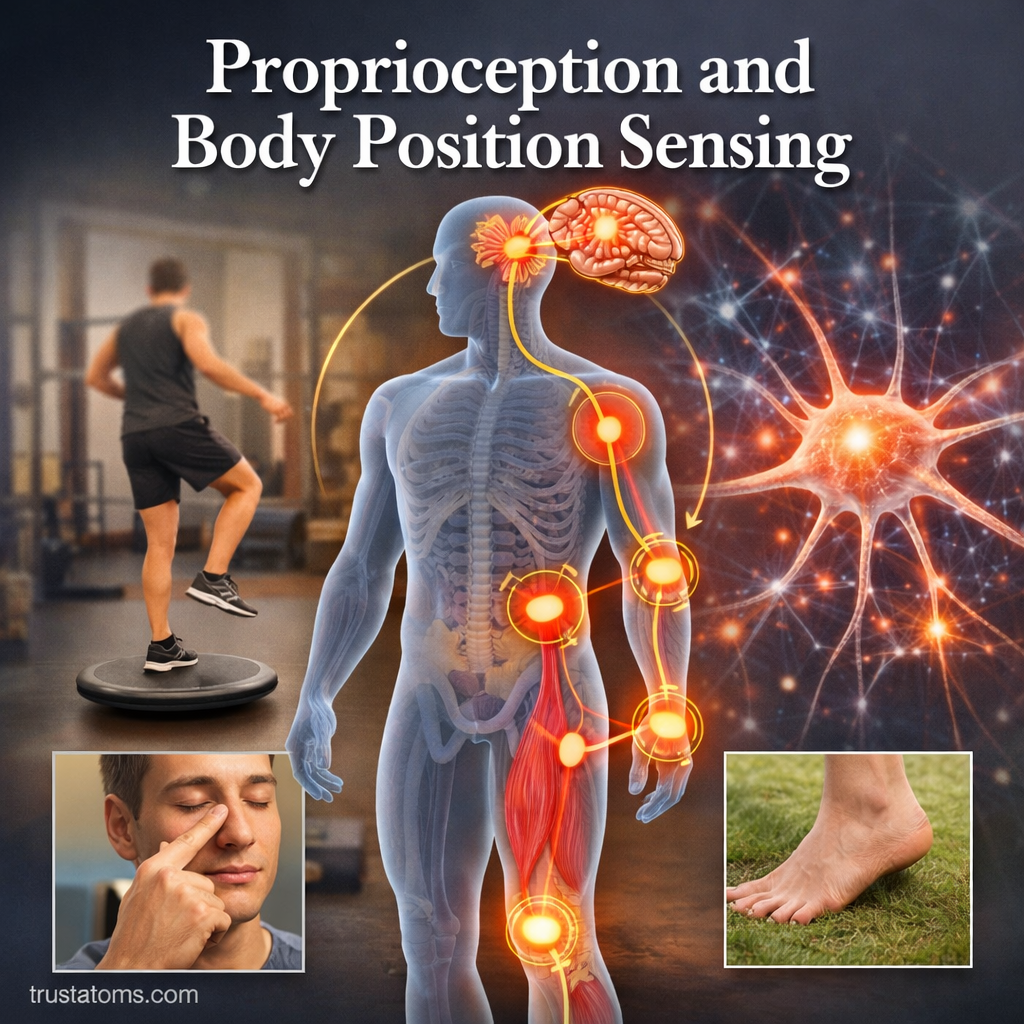
Neural connectivity plays a key role in both perception and action.
Sensory Systems
- Information flows from receptors to specialized brain regions
- Integration occurs across multiple sensory pathways
Motor Systems
- Signals originate in the brain and travel to muscles
- Feedback loops refine movement
Efficient connectivity ensures smooth coordination between sensing and acting.
When Connectivity Is Disrupted
Disruptions in neural connectivity can lead to various neurological and psychological conditions.
Examples include:
- Alzheimer’s disease: Loss of connections affecting memory
- Autism spectrum conditions: Differences in connectivity patterns
- Schizophrenia: Altered functional connectivity
- Stroke: Damage to specific pathways
These conditions highlight how essential proper network organization is for normal brain function.
How Scientists Study Brain Networks
Researchers use advanced tools to map and analyze neural connectivity.
Common methods include:
- MRI and fMRI: Visualize brain structure and activity
- Diffusion tensor imaging (DTI): Maps white matter pathways
- Electrophysiology: Measures electrical activity
- Connectomics: Comprehensive mapping of neural connections
These techniques help scientists understand how brain networks are organized and how they function.
Why Neural Network Organization Matters
Understanding neural connectivity has wide-ranging implications:
- Medicine: Better diagnosis and treatment of brain disorders
- Artificial intelligence: Inspiration for neural network design
- Education: Insights into learning processes
- Rehabilitation: Improving recovery strategies after injury
The more we learn about brain networks, the better we can apply that knowledge in real-world settings.
Common Misconceptions About Brain Connectivity
The Brain Is Not Fully Connected Everywhere
Not all neurons are connected to all others—connections are selective and organized.
Connectivity Is Not Static
Neural networks change constantly based on experience and activity.
More Connections Isn’t Always Better
Efficient organization matters more than sheer number of connections.
Final Thoughts
Neural connectivity and network organization form the backbone of brain function. Through a combination of structural pathways and dynamic activity patterns, the brain creates a highly efficient system capable of processing vast amounts of information.
From simple sensory input to complex decision-making, every aspect of human experience depends on how neurons are connected and organized. As research advances, our understanding of these networks continues to deepen, revealing new insights into the remarkable complexity of the human brain.