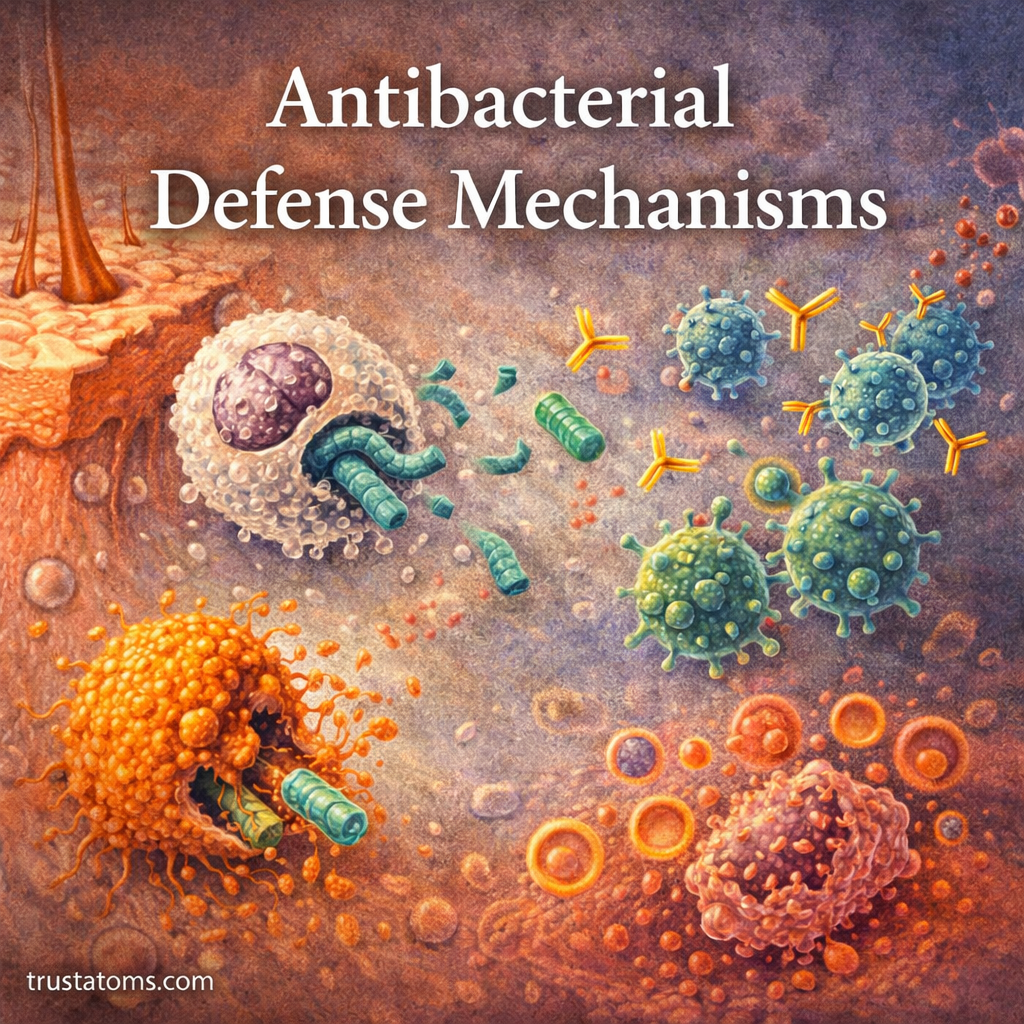
Antibacterial defense mechanisms are the body’s protective responses that prevent harmful bacteria from entering tissues, recognize bacterial invaders, and help eliminate infections. They include physical and chemical barriers, rapid innate immune responses, and targeted adaptive immunity involving antibodies and specialized immune cells.
These defenses work together across physical barriers, rapid immune responses, and highly targeted adaptive immunity. Understanding their organization connects the study of human anatomy with the immune functions that protect organs and tissues from bacterial damage.
How Bacteria Cause Infections
Bacteria are single-celled microorganisms that can reproduce independently under suitable conditions. Many species live harmlessly on the skin or within the digestive tract, while others can cause disease when they enter vulnerable tissues or multiply in inappropriate locations.
Unlike viruses, bacteria generally do not require host cells to reproduce, although some bacterial species survive or multiply inside cells. Harmful bacteria may damage tissues directly, release toxins, or trigger inflammation that contributes to symptoms.
Some bacteria also form biofilms, communities of microorganisms embedded in a protective matrix. Biofilms can make bacteria harder for immune defenses and certain treatments to eliminate.
The Three Lines of Antibacterial Defense
The body’s antibacterial protection is commonly described in three overlapping lines of defense. They are not strictly sequential: several mechanisms may operate simultaneously.
- First line: Physical and chemical barriers help prevent bacteria from entering vulnerable tissues.
- Second line: Innate immune cells and proteins recognize common microbial features and respond rapidly.
- Third line: Adaptive immune responses target specific bacterial antigens and can generate immunological memory.
These defenses interact closely. For example, the complement system can recognize bacteria directly or be activated by antibodies. The different pathways are explained in the complement system overview.
Physical and Chemical Barriers That Block Bacteria
Skin and Protective Secretions
Intact skin forms a strong physical barrier. Its outer layers limit bacterial entry, while skin oils, antimicrobial substances, and a generally acidic surface environment help restrict the growth of some microorganisms.
A cut or puncture disrupts this protection, creating an opening through which bacteria may enter deeper tissues.
Mucus, Cilia, and Antibacterial Enzymes
Mucous membranes line passages including the respiratory and digestive tracts. Mucus traps microorganisms, while cilia in parts of the respiratory tract move trapped material toward the throat for removal.
Tears and saliva contain lysozyme, an enzyme that can damage bacterial cell walls. Other antimicrobial proteins and secretions provide additional protection at exposed surfaces.
Stomach Acid and Normal Microbiota
Stomach acid kills or inhibits many swallowed bacteria, although some pathogens can survive passage through the stomach. Normal microbiota also help protect the body by competing with harmful microorganisms for nutrients and attachment sites.
Innate Antibacterial Defense Mechanisms
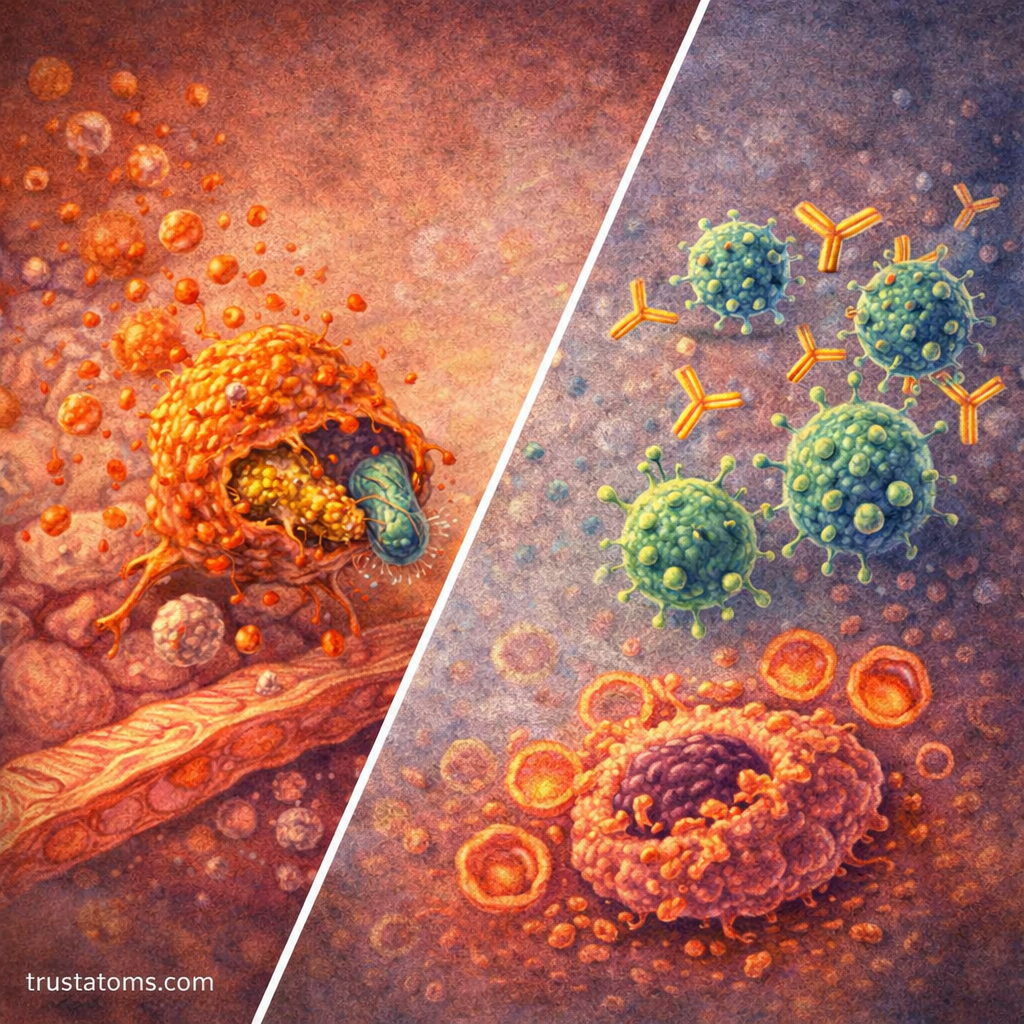
If bacteria cross protective barriers, innate immunity can recognize microbial molecules and damaged tissue signals without requiring previous exposure to that particular bacterial strain.
These responses are part of the broader processes described in innate immune responses. They differ from many antiviral defense mechanisms, which often emphasize detecting infected host cells and limiting viral replication.
Phagocytes Engulf and Destroy Bacteria
Phagocytes are immune cells that ingest and destroy bacteria. Neutrophils are rapidly recruited during many bacterial infections, while macrophages engulf microorganisms, remove damaged material, and help coordinate inflammation.
During phagocytosis, a cell recognizes a bacterium, surrounds it with its membrane, and encloses it within a compartment called a phagosome. This compartment then interacts with cellular machinery that uses enzymes and antimicrobial substances to destroy the captured organism.
The sequence is described further in phagocytosis in innate immunity.
Inflammation Recruits Additional Defenses
Inflammation increases local blood flow and changes blood vessel permeability, allowing immune cells and protective proteins to reach affected tissue. Redness, warmth, swelling, and pain are common signs.
These changes can help contain infection, but excessive inflammation may also injure healthy tissue.
Complement Proteins Mark and Attack Bacteria
The complement system consists of circulating and tissue-associated proteins that activate one another in a controlled sequence. Complement fragments such as C3b can coat bacteria and make them easier for phagocytes to recognize, a process called opsonization.
Other complement products promote inflammation, while the membrane attack complex can directly damage certain bacteria, particularly susceptible Gram-negative species.
A Practical Example: Bacteria Entering a Small Cut
Imagine getting a small cut while gardening. Soil and skin bacteria may contact the exposed tissue, but infection is not inevitable.
Clotting helps close the wound, while nearby immune cells recognize signs of tissue damage and microbial presence. Chemical signals recruit neutrophils from the bloodstream, and macrophages help remove bacteria and cellular debris.
As the tissue heals, inflammation normally subsides. If bacteria multiply faster than the defenses can control them, however, an infection may develop, sometimes producing increasing redness, pain, warmth, swelling, or pus.
Adaptive Immunity: Antibodies and T Cells
B Cells and Antibodies
B cells recognize specific antigens and can develop into plasma cells that secrete antibodies. Depending on the bacterial target, antibodies can neutralize toxins, block bacterial attachment, promote phagocytosis, or activate complement.
Some activated B cells become memory cells, supporting faster responses during later encounters with the same antigen. Vaccines against certain bacterial diseases use this ability to generate protective immune memory.
T Cells and Intracellular Bacteria
Helper T cells coordinate immune responses by releasing signaling molecules and supporting B-cell and macrophage activity. Some bacteria survive within host cells, making T-cell-mediated responses especially relevant to controlling those infections.
Adaptive immunity is highly specific, but it generally takes longer to develop during a first exposure than the initial innate response.
Fever and the Balance Between Protection and Inflammation
Fever can occur when immune signaling molecules influence temperature regulation in the brain. A moderate rise in body temperature may support certain immune functions, although fever does not reliably stop bacterial growth and is not specific to bacterial infections.
Immune responses must also remain regulated. If an infection triggers a dysregulated systemic response, organ damage can occur. Sepsis is a life-threatening condition involving organ dysfunction caused by a dysregulated response to infection and requires urgent medical care.
How Bacteria Evade Immune Defenses
Some disease-causing bacteria possess characteristics that make immune clearance more difficult:
- Protective capsules: Certain bacterial capsules interfere with recognition or engulfment by phagocytes.
- Biofilms: Bacterial communities can resist immune clearance and reduce the effectiveness of some antimicrobial treatments.
- Intracellular survival: Some species persist inside host cells, where they can avoid parts of the extracellular immune response.
- Immune interference: Certain bacteria produce molecules that disrupt antibodies, complement, or other defenses.
Antibiotic resistance is a separate but related challenge: it allows bacteria to survive particular antimicrobial drugs, rather than necessarily preventing recognition by the immune system.
Frequently Asked Questions
What is the body’s first defense against bacteria?
Intact skin, mucous membranes, and protective secretions form the first line of defense. They reduce bacterial entry before immune cells need to respond to an infection.
Which immune cells are most involved in fighting bacteria?
Neutrophils and macrophages are major innate defenders against many bacterial infections. B cells and T cells contribute targeted responses, with their relative importance depending on the bacterial species and location of infection.
Can the immune system eliminate bacteria without antibiotics?
Yes. The immune system clears many bacterial exposures and some infections without antibiotic treatment. However, other bacterial infections require antibiotics or additional medical care, and serious infections can become dangerous if treatment is delayed.
Antibacterial defense begins at the body’s exposed surfaces and continues through phagocytes, complement proteins, inflammation, antibodies, and T-cell responses. These mechanisms work together to contain bacterial growth while limiting damage to healthy tissue. Their effectiveness depends on both recognizing the invading organism and regulating the immune response appropriately.
This article is for general education and is not medical advice. Talk to a qualified health professional about any medical concern.
Sources: Abbas, Lichtman, and Pillai’s Cellular and Molecular Immunology; Janeway’s Immunobiology; National Institute of Allergy and Infectious Diseases.