The lymphatic system is a critical part of human anatomy that supports fluid balance and immune defense. At the core of this system are lymph vessels and lymph nodes—structures that work together to transport lymph and protect the body from harmful invaders.
Understanding how these components function provides insight into how the body maintains internal stability and responds to infection.
What Are Lymph Vessels?
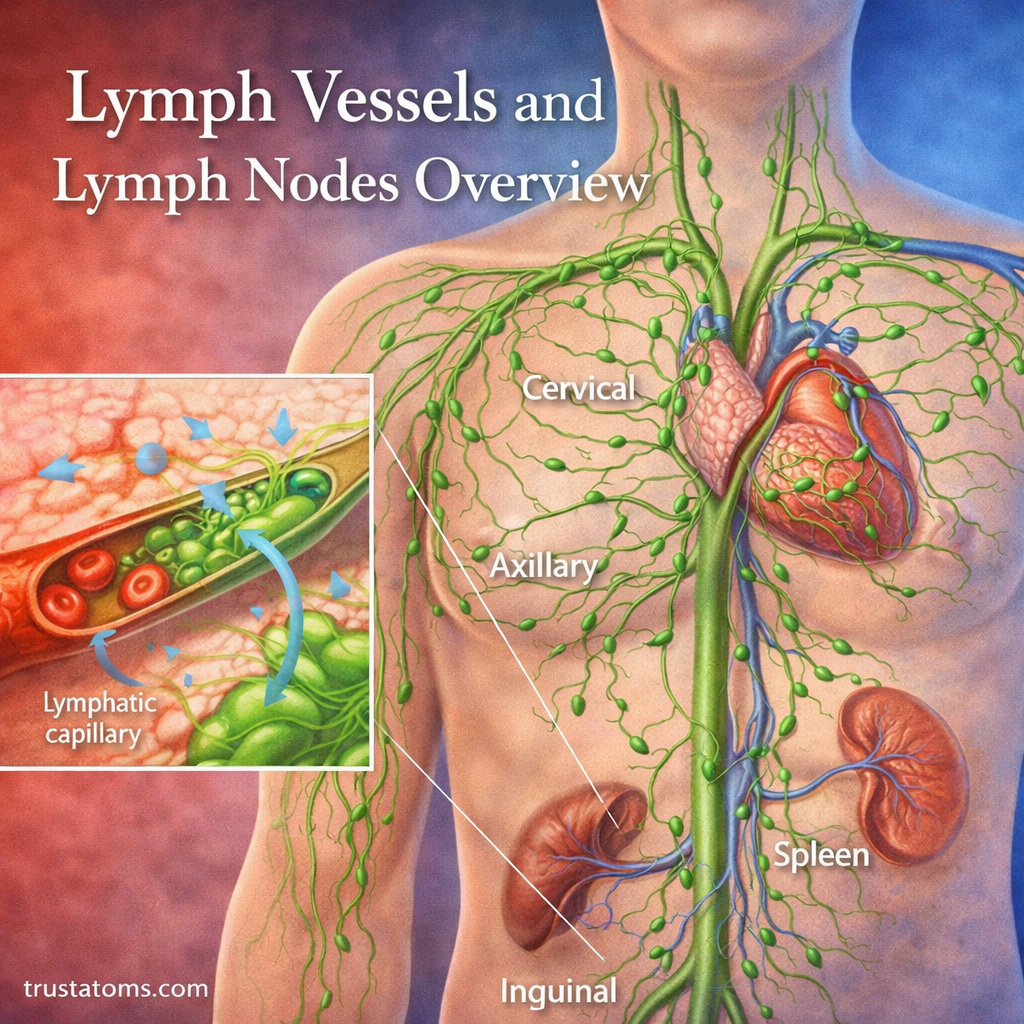
Lymph vessels are thin-walled tubes that carry lymph fluid throughout the body. They form an extensive network similar to blood vessels but operate under much lower pressure.
Key Characteristics of Lymph Vessels
- One-way flow system (toward the heart)
- Thin, flexible walls
- Contain valves to prevent backflow
- Transport lymph instead of blood
These vessels begin as tiny capillaries in tissues and gradually merge into larger ducts.
Types of Lymph Vessels
Lymph vessels are organized into different levels based on size and function.
Lymphatic Capillaries
These are the smallest lymph vessels and are found in almost all body tissues.
Their main roles include:
- Absorbing excess interstitial fluid
- Collecting proteins and waste products
- Taking in pathogens and foreign particles
They have overlapping endothelial cells that act like one-way doors, allowing fluid to enter easily.
Collecting Vessels
These vessels transport lymph from capillaries toward lymph nodes.
Key features:
- Contain valves for directional flow
- Have thin layers of smooth muscle
- Help move lymph through rhythmic contractions
Lymphatic Trunks and Ducts
Larger vessels that return lymph to the bloodstream.
Major ducts include:
- Thoracic duct (drains most of the body)
- Right lymphatic duct (drains upper right region)
These ducts empty into large veins near the heart.
What Are Lymph Nodes?
Lymph nodes are small, bean-shaped structures located along lymph vessels. They act as filtration and immune response centers.
Structure of Lymph Nodes
Each lymph node contains:
- Outer cortex (rich in immune cells)
- Inner medulla (filters lymph)
- Lymphatic vessels entering and exiting
They are strategically placed to monitor lymph as it flows through the body.
Common Locations
Lymph nodes are concentrated in specific areas:
- Neck (cervical nodes)
- Armpits (axillary nodes)
- Groin (inguinal nodes)
- Chest and abdomen
These clusters allow efficient immune monitoring.
Functions of Lymph Nodes
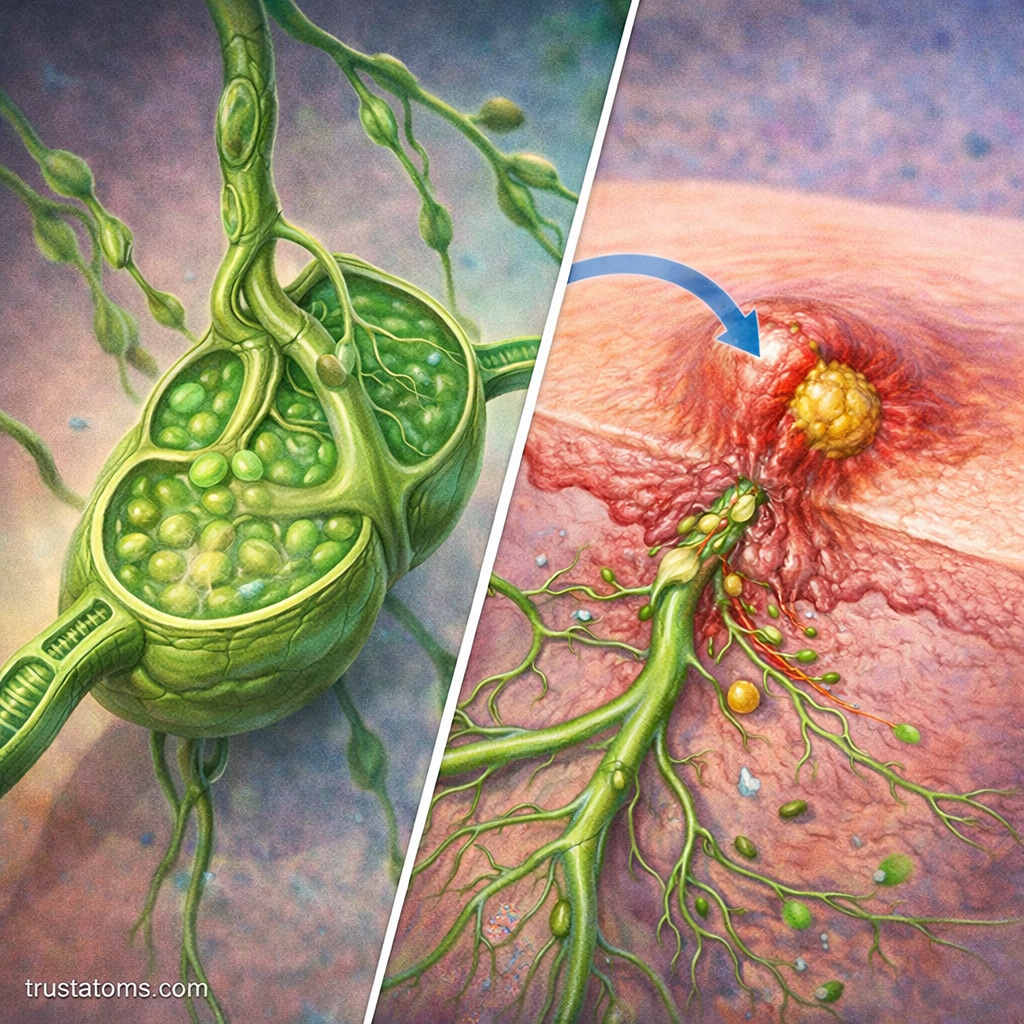
Lymph nodes play a vital role in protecting the body.
Filtration of Lymph
As lymph passes through nodes:
- Bacteria and debris are trapped
- Damaged cells are removed
- Foreign particles are filtered out
Immune Activation
Lymph nodes contain immune cells such as:
- Lymphocytes (B cells and T cells)
- Macrophages
When pathogens are detected:
- Immune cells are activated
- Antibodies may be produced
- A targeted immune response begins
Swelling During Infection
Lymph nodes often enlarge when fighting infection due to increased immune activity.
How Lymph Vessels and Nodes Work Together
The lymphatic system functions as a coordinated network.
Step-by-Step Process
- Interstitial fluid enters lymphatic capillaries
- Lymph is transported through collecting vessels
- Lymph passes through lymph nodes for filtration
- Cleaned lymph continues through larger vessels
- Lymph returns to the bloodstream via ducts
This continuous cycle helps maintain balance and defense.
Importance in the Immune System
Lymph vessels and nodes are essential for immune surveillance.
Pathogen Detection
Lymph carries antigens (foreign substances) to lymph nodes, where they are recognized by immune cells.
Rapid Response
Once activated:
- Immune cells multiply
- Infection-fighting processes begin
- The body responds efficiently to threats
Role in Fluid Balance
Lymph vessels help maintain proper fluid levels in tissues.
Preventing Fluid Accumulation
By collecting excess interstitial fluid, lymph vessels prevent swelling and maintain tissue pressure.
Returning Proteins to Bloodstream
Proteins that leak from blood vessels are returned via lymph, helping maintain osmotic balance.
Disorders Affecting Lymph Vessels and Nodes
Problems in the lymphatic system can impact both fluid balance and immunity.
Lymphedema
- Caused by blocked or damaged lymph vessels
- Leads to fluid buildup and swelling
Lymphadenopathy
- Enlargement of lymph nodes
- Often due to infection or inflammation
Lymphatic Infections
- Can occur when pathogens spread through lymph vessels
Cancer Involvement
- Cancer cells may spread through lymph nodes (metastasis)
- Lymph nodes are often examined in cancer diagnosis
Factors That Support Healthy Lymphatic Function
Maintaining a healthy lymphatic system supports both immunity and fluid balance.
Helpful Habits
- Regular movement and exercise
- Staying hydrated
- Deep breathing
- Maintaining a balanced diet
Lifestyle Considerations
- Avoid prolonged inactivity
- Support circulation through daily activity
- Manage inflammation through healthy habits
Final Thoughts
Lymph vessels and lymph nodes are essential components of the lymphatic system, working together to maintain fluid balance and protect the body from infection.
By transporting lymph, filtering harmful substances, and activating immune responses, these structures play a central role in keeping the body stable and resilient.
Understanding their function highlights just how interconnected fluid regulation and immune defense truly are.