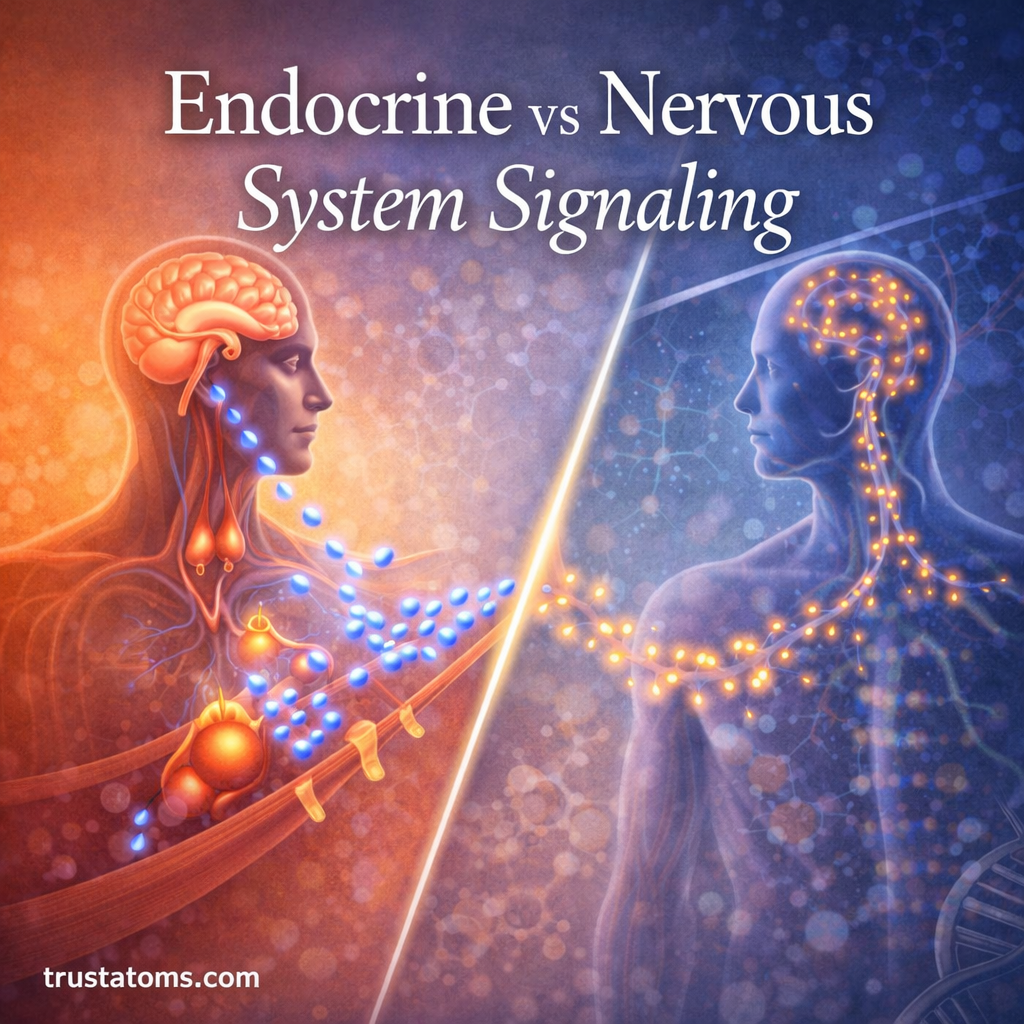
Endocrine signaling uses hormones released into the bloodstream to communicate with cells that have matching receptors, while nervous system signaling uses electrical impulses along neurons and chemical messengers at synapses. Nervous signals commonly produce rapid, localized responses, whereas endocrine signals often regulate broader processes over longer periods, although their timing and effects can overlap.
The human body relies on two major communication systems to function effectively: the endocrine system and the nervous system. Both regulate processes such as movement, metabolism, mood, growth, and internal balance. Understanding their structures and connections is part of human anatomy, where the arrangement of organs and tissues helps explain how communication occurs.
These systems do not work independently. A sudden fright, a meal, or a change in body temperature can activate neural pathways and hormonal responses together. Their different communication methods allow the body to react immediately while adjusting processes that continue over minutes, hours, or longer.
Overview of the Body’s Two Signaling Systems
Communication between cells requires a signal, a receiving cell, and a mechanism that produces a response. Both the endocrine and nervous systems follow this general principle, but they differ in how messages are delivered.
The endocrine system uses hormones and chemical signaling carried through the bloodstream. The nervous system transmits electrical impulses along neurons and commonly releases neurotransmitters where neurons communicate with other cells.
Hormones can circulate throughout the body, but only cells with appropriate receptors respond directly to them. Neural signaling generally follows anatomically defined pathways, allowing rapid communication with particular targets.
The systems also influence one another. Neural activity can stimulate hormone secretion, while hormones can alter neuronal activity and sensitivity. These interactions are explored in neuroendocrine connections in body regulation.
How Endocrine Signaling Works Through Hormones
Endocrine glands release hormones into the surrounding tissue fluid, from which they enter the bloodstream. Circulation distributes these chemical messengers to organs and tissues throughout the body.
Major endocrine structures include the pituitary gland, thyroid gland, adrenal glands, pancreatic islets, and hormone-producing tissues within the ovaries and testes. Other organs, including the kidneys and heart, also produce hormones.
Hormones Act Through Specific Receptors
A hormone produces an effect only when it interacts with a suitable receptor. Peptide hormones such as insulin generally bind to receptors on cell membranes, while many steroid hormones enter cells and interact with intracellular receptors that influence gene expression.
Receptor location and the signaling pathway determine the response. A single hormone can produce different effects in different tissues because cells contain different receptors or internal signaling machinery.
Example: Insulin and Blood Glucose Regulation
After a carbohydrate-containing meal, glucose absorbed from the digestive tract enters the bloodstream. Rising blood glucose stimulates pancreatic beta cells to release insulin.
Insulin promotes glucose uptake in skeletal muscle and adipose tissue, supports glucose storage, and reduces glucose production by the liver. These combined effects help return blood glucose toward its regulated range.
This is an example of negative feedback: a change in a regulated variable stimulates responses that oppose the original change. The endocrine system uses similar feedback mechanisms to regulate thyroid hormones, calcium balance, and many other physiological processes.
How Nervous System Signaling Uses Electrical Impulses
The nervous system communicates through specialized cells called neurons. A typical neuron receives signals through dendrites and its cell body, generates electrical impulses when appropriate conditions are met, and transmits those impulses along an axon.
An action potential is a rapid change in membrane voltage produced by the movement of ions through specialized channels. It travels along the axon without gradually decreasing in amplitude under normal conditions.
Neurotransmitters Carry Messages Across Synapses
At many synapses, an arriving action potential causes neurotransmitter release from the presynaptic neuron. The neurotransmitter crosses a narrow gap and binds to receptors on the receiving cell.
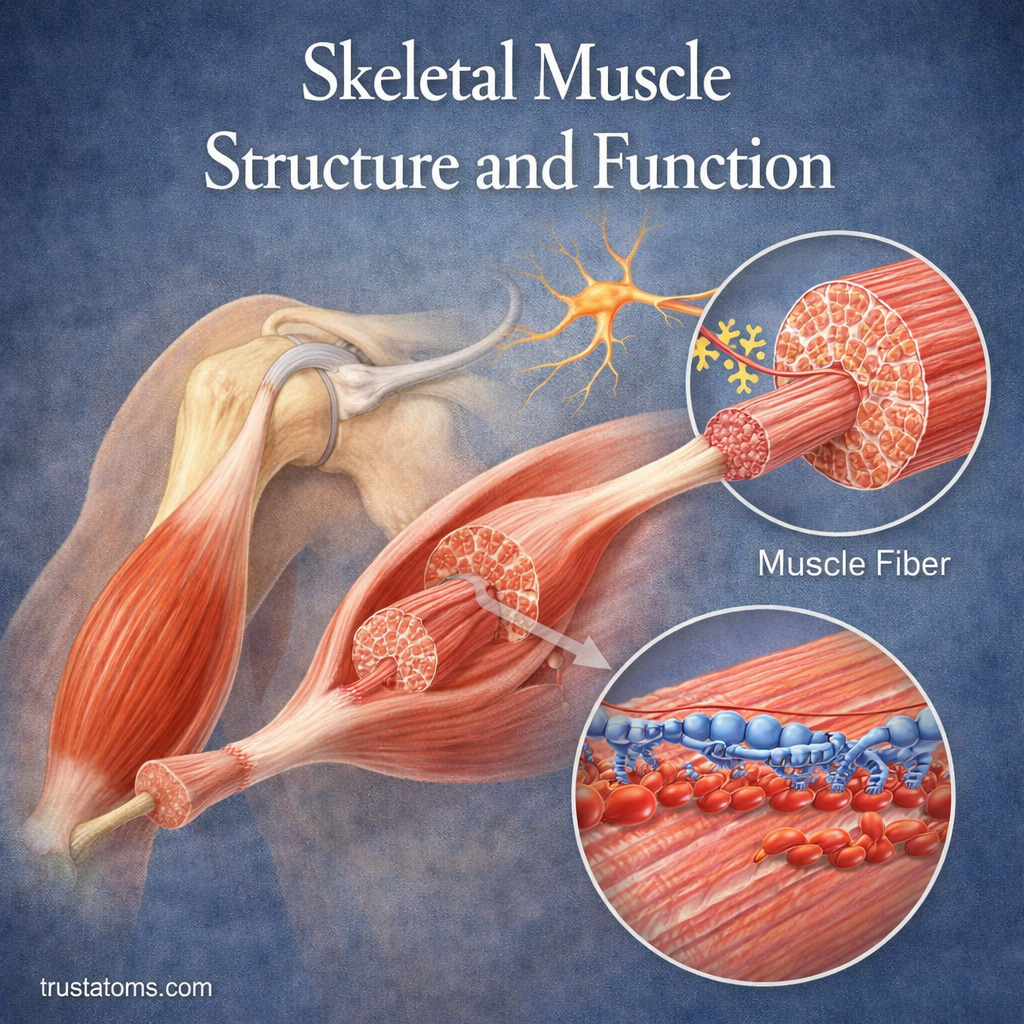
Depending on the neurotransmitter, receptor, and target cell, this interaction may increase or decrease the likelihood of further electrical activity. At neuromuscular junctions, acetylcholine released by motor neurons initiates events that lead to skeletal muscle contraction.
Example: Withdrawing a Hand From Heat
Touching a dangerously hot surface activates sensory nerve endings in the skin. Electrical signals travel through peripheral sensory neurons toward the spinal cord, where neural circuits can activate motor neurons that withdraw the hand.
The spinal cord can initiate this protective reflex before the person consciously recognizes the pain. Signals also travel toward the brain, allowing conscious perception and additional responses.
This rapid, anatomically directed communication is particularly suited to movement, reflexes, and immediate adjustments to changing conditions.
Key Differences Between Endocrine and Nervous Signaling
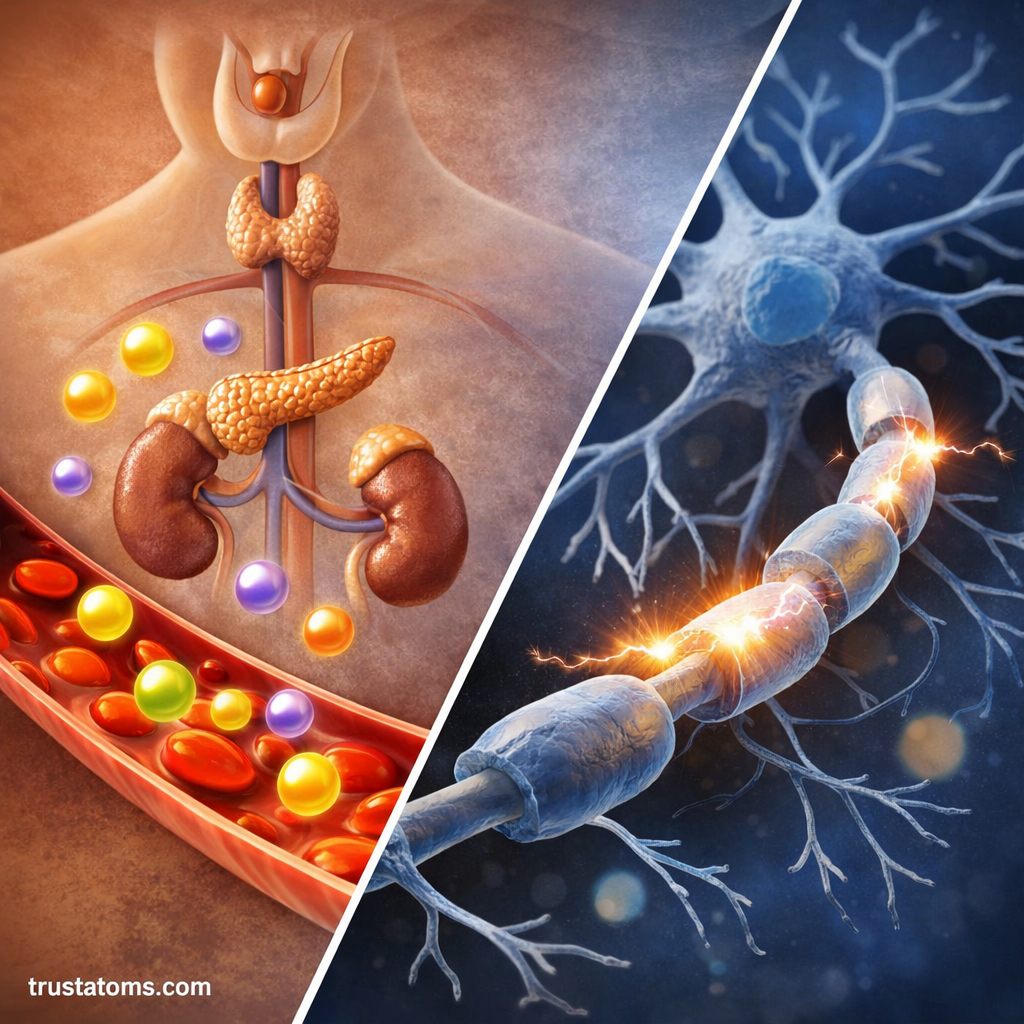
The differences between these systems involve signal delivery, response speed, target selection, and duration. However, neither system is exclusively fast or slow, and both can influence the same organs.
| Feature | Endocrine Signaling | Nervous Signaling |
|---|---|---|
| Primary messenger | Hormones | Electrical impulses and neurotransmitters |
| Delivery pathway | Bloodstream | Neurons and synapses |
| Typical onset | Seconds to hours or longer | Milliseconds to seconds |
| Typical duration | Minutes to days or longer | Milliseconds to minutes, sometimes longer |
| Target selection | Cells with matching hormone receptors | Cells connected through neural pathways |
| Common functions | Metabolism, growth, reproduction, fluid balance | Sensation, movement, reflexes, rapid organ regulation |
| Example | Insulin regulating blood glucose | Motor neurons activating skeletal muscle |
| Regulation | Hormonal feedback loops | Neural circuits and feedback pathways |
These differences explain why the nervous system can initiate an immediate movement while endocrine pathways regulate metabolic changes over a longer period. However, some hormones act within seconds, and nervous system activity can produce lasting changes in learning, behavior, and tissue function.
For a closer examination of how the systems coordinate their activities, endocrine integration with nervous systems describes their shared control mechanisms.
How the Hypothalamus Connects Nervous and Endocrine Control
The hypothalamus and pituitary system links neural information with hormonal control. The hypothalamus receives information from multiple brain regions and responds to changes in internal conditions, including temperature, fluid balance, and stress.
It controls the anterior pituitary through releasing and inhibiting hormones carried in a specialized portal blood system. The anterior pituitary then releases hormones that influence glands such as the thyroid and adrenal cortex.
The hypothalamus also produces oxytocin and antidiuretic hormone, which travel along neuronal axons to the posterior pituitary for storage and release into the bloodstream. This is a direct example of nerve cells participating in endocrine secretion.
Feedback signals from circulating hormones help regulate hypothalamic and pituitary activity. For example, thyroid hormones normally reduce excessive stimulation of the pathway that controls their production.
Worked Example: How the Body Responds to Sudden Stress
Imagine walking along a path when a loud noise occurs nearby. The body can initiate a rapid nervous response while also activating hormonal pathways that support continued alertness and energy availability.
- Sensory receptors detect the sound and transmit neural signals toward the brain.
- Brain circuits evaluate the stimulus and may activate sympathetic nervous system pathways within seconds.
- Sympathetic nerves increase heart activity and stimulate the adrenal medulla to release epinephrine and norepinephrine into the bloodstream.
- The circulating hormones reinforce cardiovascular and metabolic adjustments, helping the body respond to the situation.
- If stress continues, hypothalamic and pituitary signals can stimulate cortisol secretion from the adrenal cortex through a separate hormonal pathway.
- As the situation resolves, feedback and autonomic adjustments help return physiological activity toward baseline.
This example shows overlapping responses rather than a rigid sequence in which one system completely finishes before the other begins. Sympathetic nerves can act directly on organs while adrenal hormones circulate through the blood. Cortisol responses generally develop more slowly and support longer-term metabolic adjustments.
Everyday Activities That Use Both Signaling Systems
Eating and Digestion
Neural pathways regulate chewing, swallowing, digestive movement, and gland secretion. Hormones such as gastrin, secretin, and cholecystokinin help coordinate stomach activity, pancreatic secretion, and bile delivery. Insulin and glucagon then contribute to nutrient regulation.
Sleep and Wakefulness
Neural circuits in the brain regulate sleep timing, arousal, and transitions between sleep stages. Hormonal signals, including melatonin released by the pineal gland, communicate information about the light-dark cycle and contribute to circadian regulation.
Exercise and Physical Activity
Motor neurons rapidly activate skeletal muscles during exercise, while autonomic pathways adjust heart rate and circulation. Hormones help regulate fuel availability, fluid balance, and recovery processes. These responses occur together rather than through separate, isolated systems.
Common Misconceptions About Endocrine and Nervous Signaling
Misconception 1: Endocrine Signaling Is Always Slow
Many hormonal effects develop over minutes or hours, but some begin rapidly. Hormones acting through cell-surface receptors can initiate signaling within seconds. The timing depends on the hormone, receptor, target tissue, and response being measured.
Misconception 2: Nervous System Signals Are Only Electrical
Neurons use electrical impulses along their membranes, but most communication between neurons involves chemical neurotransmitters. Some neurons also communicate through electrical synapses, and certain neurons release hormones into the bloodstream.
Misconception 3: Hormones Affect Every Cell They Reach
Hormones circulate widely, but their effects depend on receptor expression and cellular signaling machinery. Cells without the appropriate receptor generally do not respond directly to that hormone.
Misconception 4: The Endocrine and Nervous Systems Work Separately
The systems interact continuously. The hypothalamus connects neural and endocrine regulation, autonomic nerves influence hormone secretion, and circulating hormones can change neuronal activity. Many physiological responses depend on both forms of communication.
Frequently Asked Questions
What is the main difference between endocrine and nervous signaling?
Endocrine signaling uses hormones carried through the bloodstream to cells with appropriate receptors. Nervous signaling uses electrical impulses along neurons and neurotransmitters at many synapses, allowing rapid communication along defined pathways.
Which system responds faster, endocrine or nervous?
The nervous system generally produces faster responses, often within milliseconds to seconds. Endocrine responses commonly take longer, although some hormones can begin acting within seconds. Response speed depends on the particular pathway and target tissue.
Do the nervous and endocrine systems use the same chemicals?
Some signaling molecules can act as neurotransmitters or hormones depending on where and how they are released. Norepinephrine, for example, acts as a neurotransmitter at many sympathetic nerve endings and also circulates as a hormone when released by the adrenal medulla.
How does the hypothalamus connect the two systems?
The hypothalamus processes neural and physiological information and controls pituitary hormone secretion. It regulates the anterior pituitary through blood-borne releasing hormones and produces hormones released from the posterior pituitary.
Why does the body need both signaling systems?
The body needs rapid communication for immediate responses such as reflexes and movement, along with sustained regulation of metabolism, growth, reproduction, and fluid balance. Neural and hormonal pathways cooperate to coordinate these activities across different timescales.
Endocrine and nervous signaling differ primarily in how messages travel, which cells receive them, and how their effects develop over time. Neurons provide rapid communication through specialized pathways, while hormones coordinate responses through circulation and receptor-dependent signaling. Their close integration allows the body to combine immediate reactions with sustained physiological regulation.
This article is for general education and is not medical advice. Talk to a qualified health professional about any medical concern.
Sources: OpenStax, Anatomy and Physiology 2e; Hall and Hall, Guyton and Hall Textbook of Medical Physiology; Kandel et al., Principles of Neural Science, Sixth Edition; National Institute of Diabetes and Digestive and Kidney Diseases (NIDDK).