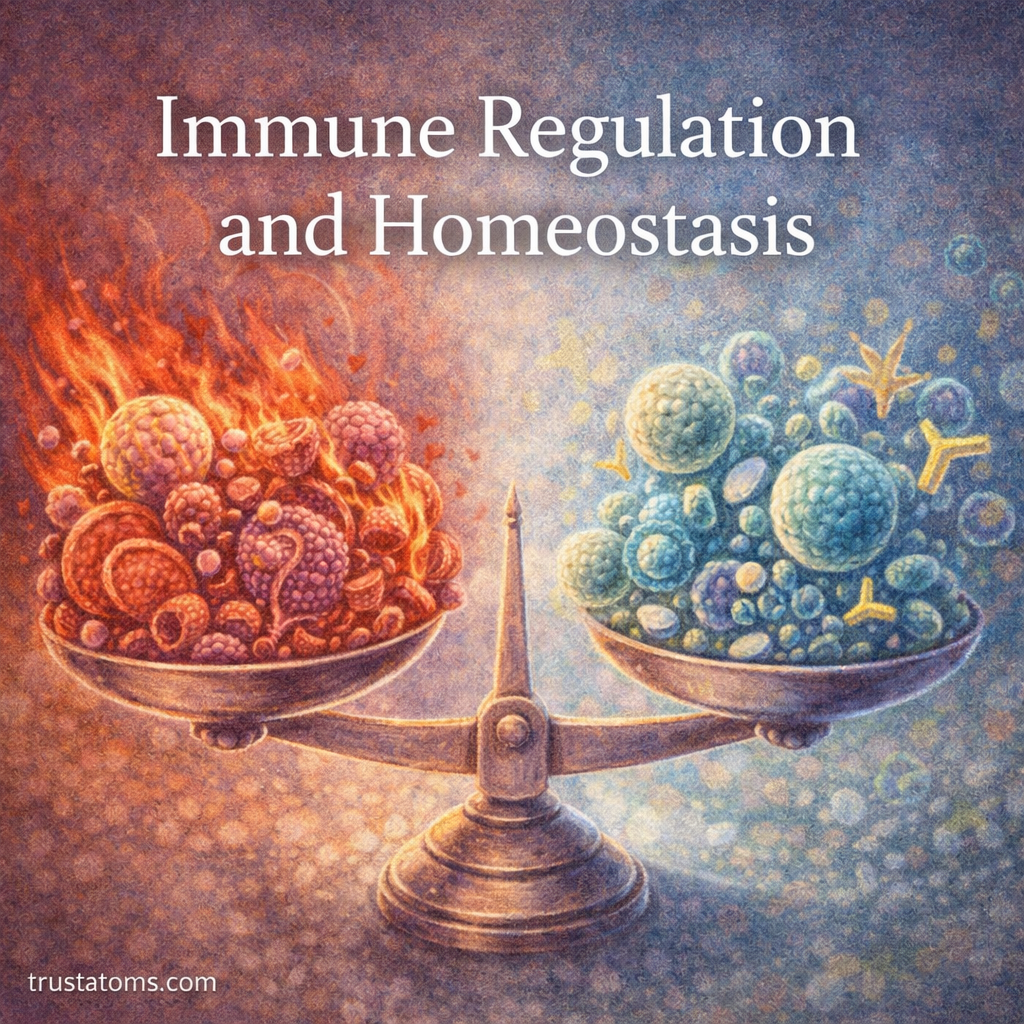
The immune system is constantly active—monitoring for threats, responding to infections, and repairing damage. But just as important as activating defenses is knowing when to slow down or stop. This balance is known as immune regulation, and it is essential for maintaining homeostasis, or the body’s internal stability.
Without proper regulation, the immune system can become either too weak or overly aggressive, leading to disease. Understanding how immune regulation works helps explain how the body maintains health in a constantly changing environment.
What Is Immune Homeostasis?
Immune homeostasis refers to the balanced state in which the immune system:
- Responds effectively to harmful threats
- Avoids attacking the body’s own tissues
- Returns to a resting state after activation
This balance ensures that the immune system protects without causing unnecessary damage.
Why Immune Regulation Is Important
The immune system must carefully control its activity to avoid harmful outcomes.
Key Reasons for Regulation
- Prevents excessive inflammation
- Avoids autoimmune reactions
- Conserves energy and resources
- Maintains tissue integrity
Even a well-intentioned immune response can become dangerous if it is not properly controlled.
Key Components of Immune Regulation
Multiple cells and signaling mechanisms work together to maintain immune balance.
Regulatory T Cells (Tregs)
Regulatory T cells are specialized immune cells that suppress excessive immune responses.
Functions of Tregs
- Inhibit overactive immune cells
- Maintain tolerance to self-antigens
- Prevent autoimmune diseases
They act as “brakes” on the immune system, ensuring responses do not go too far.
Cytokines: Balancing Signals
Cytokines are chemical messengers that can either stimulate or suppress immune activity.
Types of Regulatory Cytokines
- Pro-inflammatory cytokines: Activate immune responses
- Anti-inflammatory cytokines: Reduce and resolve inflammation
The balance between these signals determines how strong and how long an immune response lasts.
Immune Checkpoints
Immune checkpoints are molecular signals that regulate immune cell activity.
How They Work
- Activate or inhibit immune responses
- Prevent excessive damage to healthy tissues
- Help terminate immune reactions after threats are cleared
These checkpoints are critical for maintaining control over immune activity.
The Process of Returning to Homeostasis
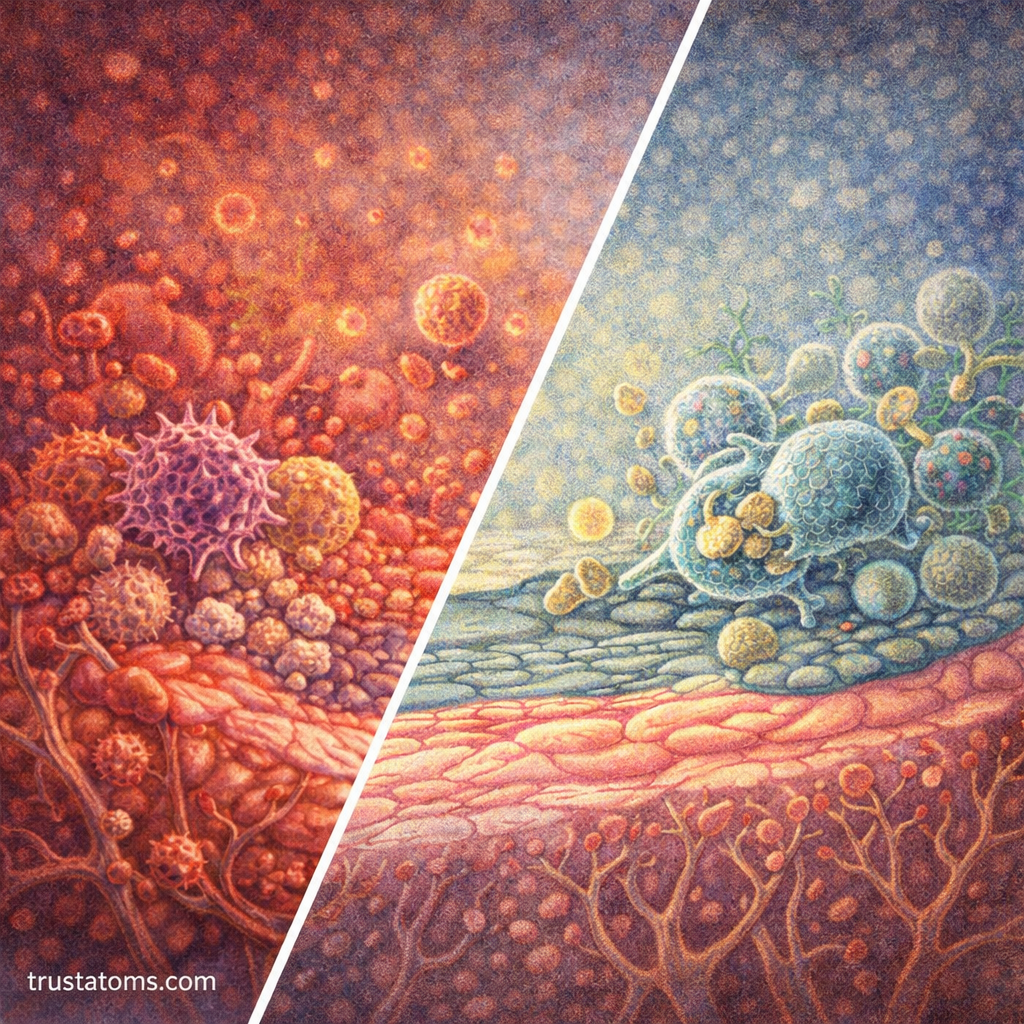
After an infection is cleared, the immune system must return to a resting state.
Steps in Resolution
- Reduction of inflammatory signals
- Removal of dead cells and debris
- Deactivation of immune cells
- Tissue repair and healing
This process ensures that the body does not remain in a prolonged inflammatory state.
Tolerance: Preventing Self-Attack
One of the most important aspects of immune regulation is tolerance.
What Is Immune Tolerance?
Tolerance is the immune system’s ability to recognize and ignore the body’s own cells.
Types of Tolerance
- Central tolerance: Eliminates self-reactive cells during development
- Peripheral tolerance: Controls immune cells that escape early screening
Without tolerance, the immune system may attack healthy tissues.
When Immune Regulation Fails
Disruptions in immune regulation can lead to a variety of health problems.
Autoimmune Diseases
When the immune system attacks the body’s own tissues.
Examples
- Rheumatoid arthritis
- Type 1 diabetes
- Multiple sclerosis
These conditions result from a breakdown in immune tolerance.
Chronic Inflammation
When the immune response does not properly shut down.
Effects
- Tissue damage
- Increased risk of chronic diseases
- Persistent pain and fatigue
Chronic inflammation is often linked to long-term health issues.
Immunodeficiency
When the immune system is underactive.
Consequences
- Increased susceptibility to infections
- Slower recovery from illness
- Reduced immune surveillance
Proper regulation is needed to maintain adequate immune strength.
Factors That Influence Immune Balance
Several internal and external factors affect immune regulation.
Key Influences
- Genetics
- Nutrition
- Sleep and stress levels
- Microbiome health
- Environmental exposures
These factors can either support or disrupt immune homeostasis.
The Role of the Microbiome
The body’s natural microbial population plays a major role in immune regulation.
How the Microbiome Helps
- Trains the immune system to distinguish harmful vs. harmless substances
- Promotes anti-inflammatory responses
- Supports immune tolerance
A healthy microbiome contributes to a stable immune environment.
Balancing Activation and Suppression
The immune system must constantly adjust between two opposing forces:
Activation
- Fighting infections
- Eliminating harmful cells
Suppression
- Preventing damage to healthy tissue
- Returning to baseline after response
This dynamic balance is essential for long-term health.
Final Thoughts
Immune regulation and homeostasis are central to maintaining health. The immune system must respond quickly and effectively to threats while also knowing when to slow down, repair, and return to balance.
Through regulatory cells, signaling molecules, and tolerance mechanisms, the body achieves a delicate equilibrium that protects against disease without causing harm. Understanding this balance highlights the complexity and precision of the immune system’s design.