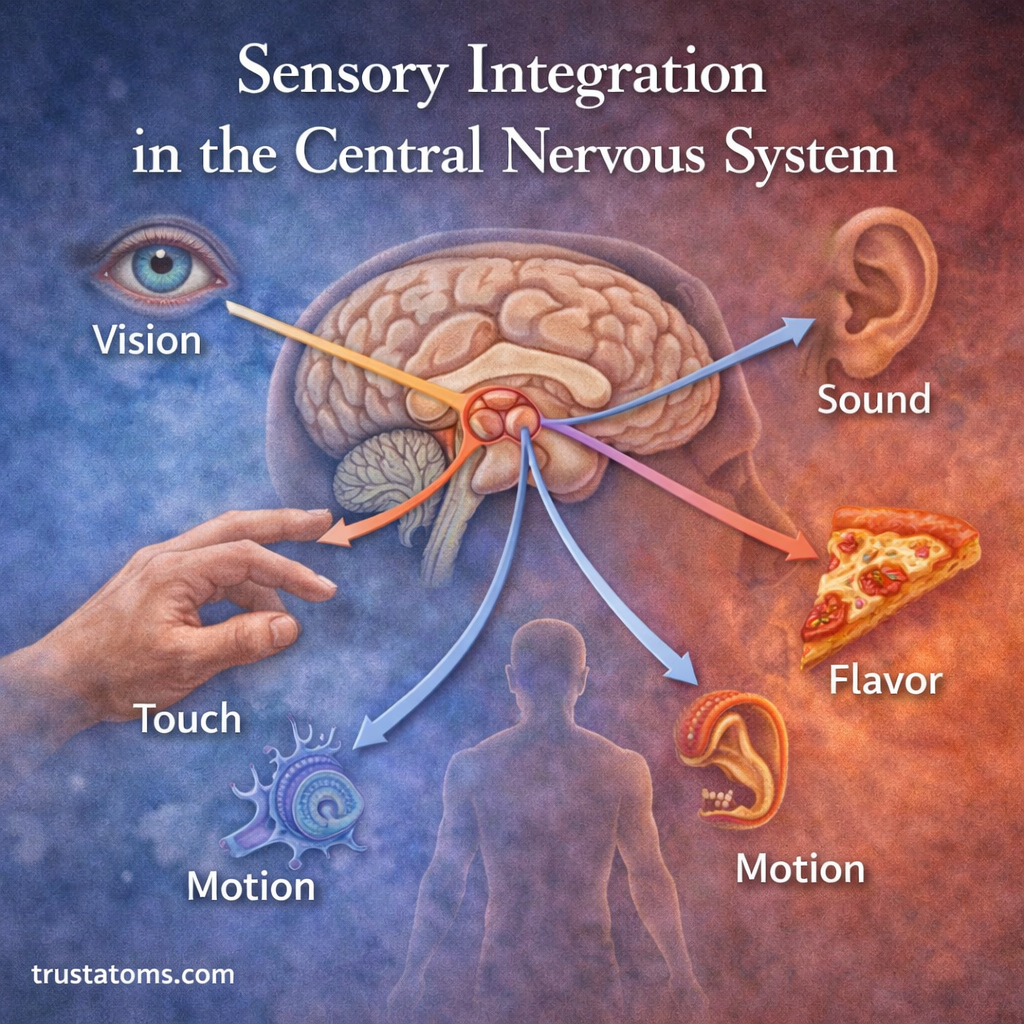
Sensory integration is the process by which the central nervous system combines information from different senses to interpret the environment and coordinate appropriate responses. The brain and spinal cord process signals from vision, hearing, touch, balance, and body position, allowing people to recognize objects, maintain stability, and perform coordinated movements.
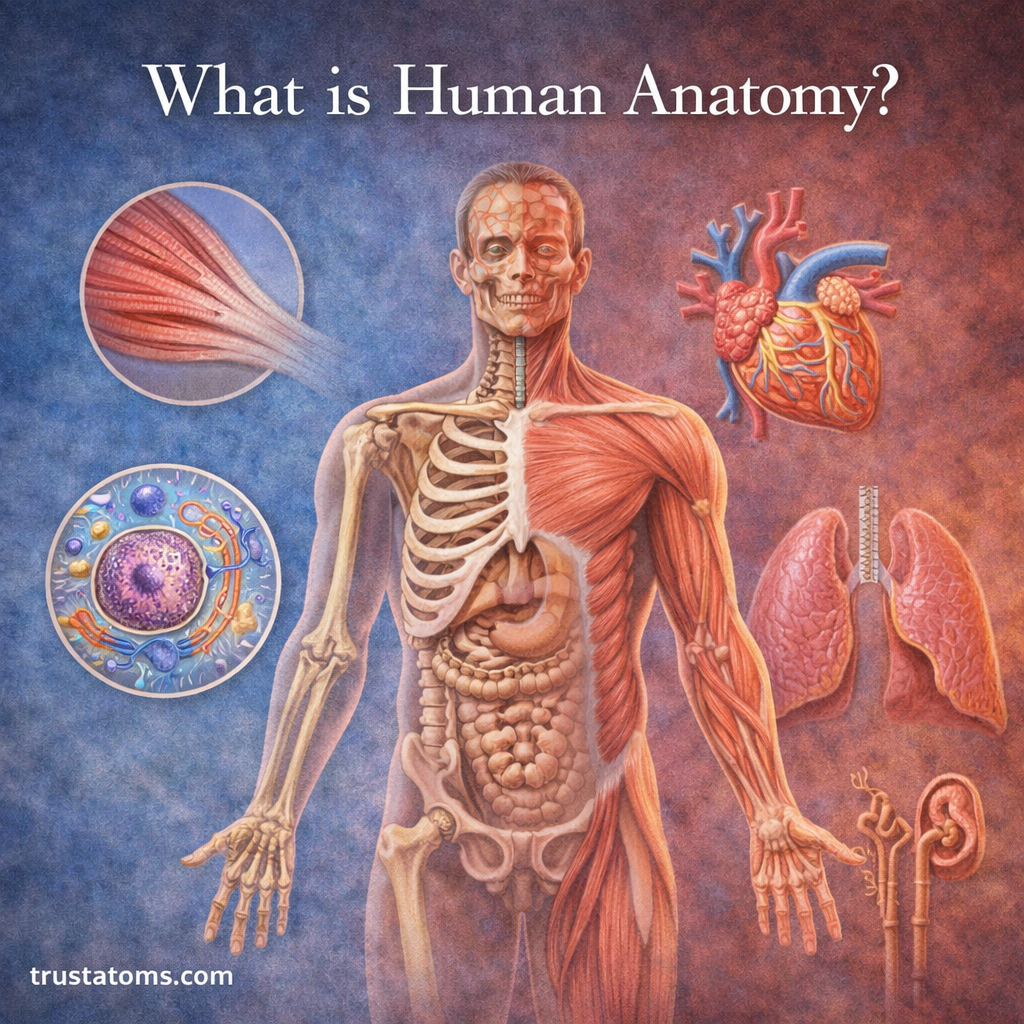
This coordination connects sensory receptors, nerve pathways, and specialized brain regions within human anatomy. Rather than treating every sensation separately, the nervous system compares incoming information, selects relevant signals, and uses them to guide perception and behavior.
What Is Sensory Integration?
Sensory integration occurs when the nervous system processes information from one or more sensory pathways and combines it with other signals, previous experiences, and current goals.
For example, recognizing an object by sight and touch requires the brain to connect visual information about its shape with tactile information about its texture. These signals originate in different receptors but can contribute to a shared perception.
Information travels through specialized circuits described in Neural Pathways in Sensory Processing. Different pathways carry information about stimulus location, intensity, timing, and other characteristics.
Touch provides a useful example because receptors in the skin detect pressure, vibration, and other physical changes. Touch Receptors and Somatosensation explains how these signals contribute to object recognition and body awareness.
The Central Nervous System’s Role in Sensory Processing
The central nervous system consists of the brain and spinal cord. Both participate in sensory processing, although they perform different functions.
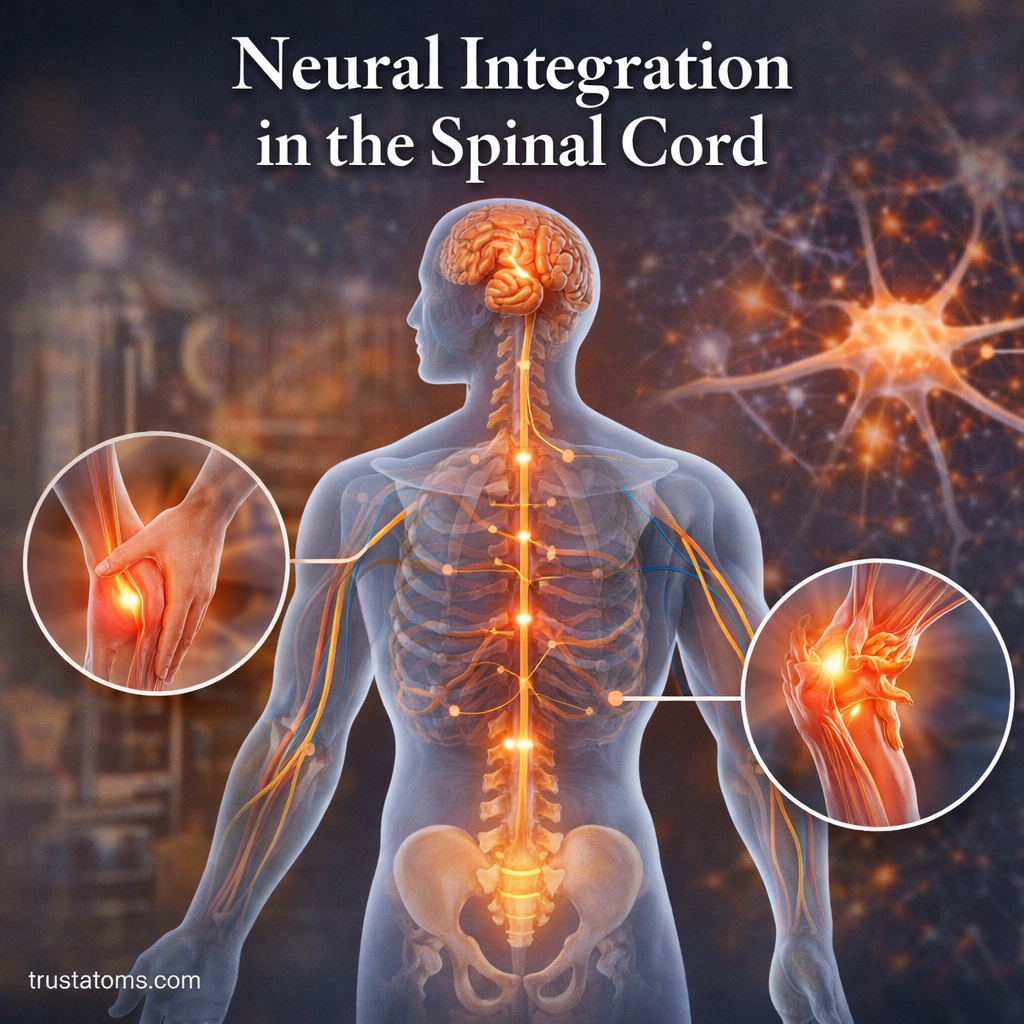
The spinal cord carries many sensory signals toward the brain and contains circuits that coordinate certain reflexes. The brain interprets incoming information, combines signals from different sources, and adjusts behavior according to context.
Not every sensory response requires conscious awareness. Some adjustments to posture, muscle activity, and reflexes occur through spinal cord or brainstem circuits before a person becomes aware of the stimulus.
Major Sensory Systems Involved
Different sensory systems detect different forms of information. The Sensory Systems Overview in Human Biology explains their receptors and basic functions.
| Sensory System | Information Detected | Contribution to Integration |
|---|---|---|
| Visual | Light, color, shape, and movement | Identifies objects and supports spatial orientation. |
| Auditory | Sound vibrations | Supports speech recognition and sound localization. |
| Somatosensory | Touch, pressure, temperature, and pain | Provides information about contact and bodily conditions. |
| Vestibular | Head rotation and linear acceleration | Supports balance, gaze stabilization, and orientation. |
| Proprioceptive | Muscle length, tension, and joint-related movement | Helps estimate limb position and coordinate movement. |
The brain also processes taste, smell, and internal bodily sensations. These signals can influence attention, emotion, movement, and physiological responses.
Sensory information is represented through patterns of neural activity. Neural Coding in Sensory Systems explains how firing rates, timing, and activity across groups of neurons can represent stimulus characteristics.
How Sensory Integration Works Step by Step
Although different senses follow different pathways, sensory processing can be described through four overlapping stages.
- Detection: Specialized receptors respond to stimuli such as light, sound, pressure, or movement.
- Transmission: Signals are sent to the CNS via sensory neurons and associated neural pathways.
- Processing: Neural circuits analyze the signals, compare them with other information, and help determine their significance.
- Response: The nervous system may generate conscious perception, adjust attention, or coordinate movement and other physiological activity.
These stages are not strictly separated. The brain continuously exchanges information between regions, and attention or expectations can influence sensory processing even before a stimulus is fully interpreted.
Brain Regions That Combine Sensory Information
Thalamus
The thalamus relays and regulates many sensory signals traveling toward the cerebral cortex. Most sensory systems use thalamic pathways, although olfactory information initially reaches cortical regions without the same obligatory thalamic relay.
Cerebral Cortex
Primary sensory cortical areas process information associated with particular senses. Visual, auditory, and somatosensory cortices analyze different stimulus properties, while association regions combine information across sensory and cognitive systems.
Parietal regions contribute to spatial awareness and body representation. Other cortical networks connect sensory information with memory, attention, language, and decision-making.
Cerebellum
The cerebellum uses sensory feedback and information about intended movement to improve coordination, timing, and balance. It helps adjust ongoing actions when the body moves differently than expected.
Brainstem
Brainstem circuits participate in reflexes, eye movements, balance, and responses to sensory stimuli. Some structures, including the superior colliculus, help coordinate orienting responses to visual and other sensory events.
Multisensory Integration in Everyday Activities
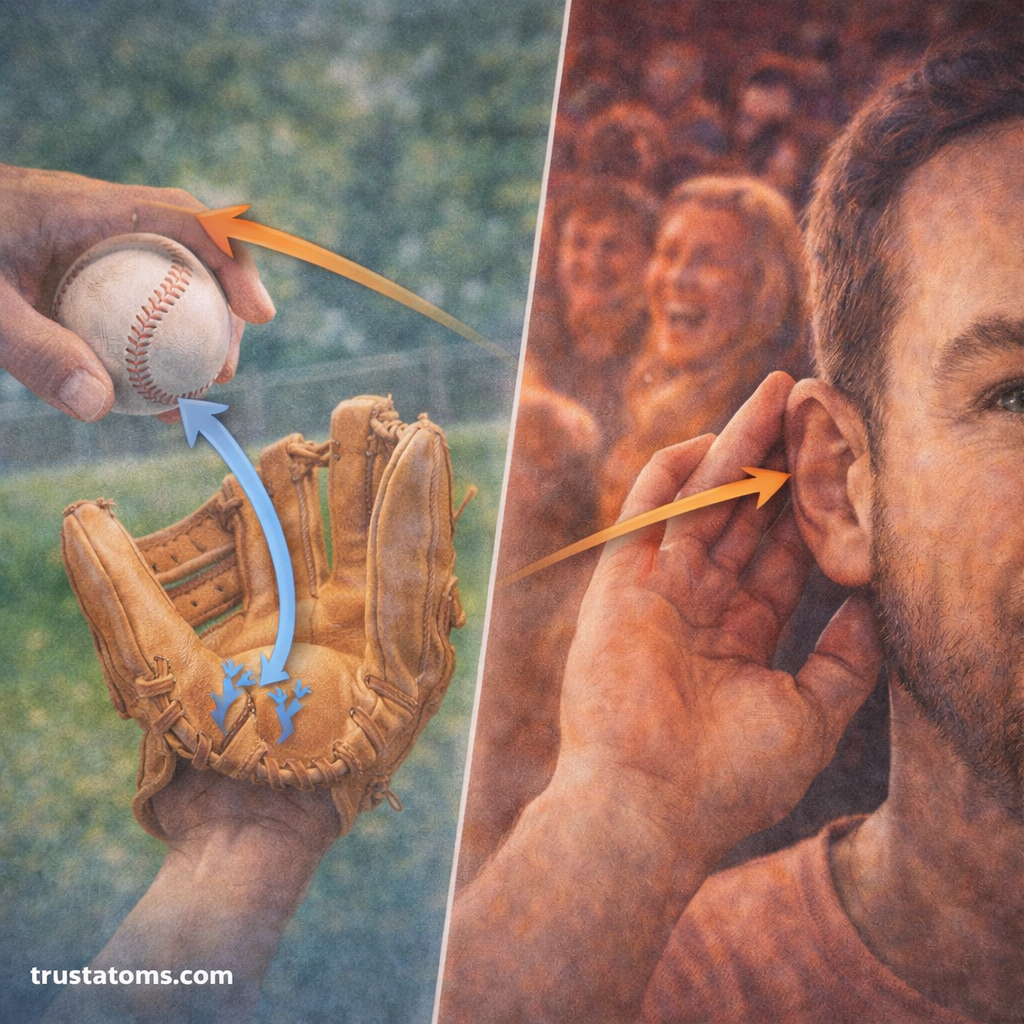
Multisensory integration occurs when information from different senses influences a shared perception or response. The brain considers whether signals are likely to come from the same event, including whether they occur close together in time and space.
Consider catching a baseball. Vision helps estimate the ball’s position and direction, while proprioceptive signals provide information about the arms and hands. Vestibular input helps maintain balance as the person moves into position.
As the ball approaches, the brain continually updates movement commands using new sensory feedback. Successful catching depends on predicting where the ball will arrive and coordinating the hands with that prediction.
Another example occurs during conversation. Watching a speaker’s mouth can help a listener understand speech in a noisy room because visual speech information complements the auditory signal.
How the Brain Filters Sensory Information
The nervous system receives more sensory information than can receive equal attention. Selective attention helps prioritize signals that are relevant to the current task.
For example, someone reading in a café may concentrate on written words while becoming less aware of background conversations. The sounds still reach the auditory system, but their influence on conscious attention is reduced.
Sensory gating refers to neural processes that reduce responses to certain repeated or irrelevant stimuli. Habituation is a related phenomenon in which responses to repeated, harmless stimulation decrease over time.
Filtering is flexible rather than absolute. A sudden loud noise or a familiar voice may capture attention even when someone is concentrating on another activity.
How Sensory Integration Develops and Adapts
Sensory processing changes throughout development as neural circuits mature and experience shapes connections between them. Infants gradually become better at combining vision, touch, movement, and balance information.
Practice also supports sensorimotor learning. When someone learns to ride a bicycle, repeated experience helps the nervous system coordinate visual information, vestibular signals, and muscle feedback.
The brain can adjust how strongly it relies on different senses. For instance, when visual information becomes unreliable in darkness, proprioceptive and vestibular information become especially useful for maintaining balance.
Sensory Processing Differences and Neurological Conditions
Sensory experiences vary between individuals. Some people are unusually sensitive to sounds, lights, or textures, while others respond less strongly to certain stimuli.
Sensory differences are frequently reported in autism spectrum disorder and may also occur in people with ADHD or other developmental conditions. The term sensory processing disorder is sometimes used clinically, although its status as a distinct diagnosis remains debated.
Stroke, traumatic brain injury, and other neurological conditions can also interfere with sensory perception, spatial awareness, or coordination. The effects depend on which neural structures and pathways are affected.
How Sensory Integration Is Used in Rehabilitation
Clinicians may assess sensory processing when a person experiences persistent balance problems, unusual sensory responses, or difficulties coordinating movement.
Occupational therapy can help individuals develop practical strategies for managing sensory demands during daily activities. Physical and neurological rehabilitation may also use repeated movement and sensory feedback to improve function after injury.
Interventions should be matched to the person’s needs and goals. Evidence for specific sensory-based therapies varies, so improvements should be evaluated using meaningful functional outcomes rather than assumptions about sensory integration alone.
Frequently Asked Questions
What is sensory integration in the central nervous system?
It is the processing and combination of sensory information by neural circuits in the brain and spinal cord. This allows different signals to contribute to perception, balance, attention, and coordinated responses.
Which part of the brain controls sensory integration?
No single brain region controls all sensory integration. The thalamus, cerebral cortex, cerebellum, and brainstem contribute different functions through interconnected neural networks.
Can sensory integration improve with practice?
Yes. Experience and training can improve some forms of sensory discrimination and sensorimotor coordination. The extent of improvement depends on the task, the individual’s nervous system, and the type of practice.
Sensory integration allows the nervous system to compare information from multiple sources and adjust perception or movement as conditions change. From catching a moving ball to maintaining balance in darkness, these abilities depend on coordinated neural pathways rather than a single sensory organ or brain region.
This article is for general education and is not medical advice. Talk to a qualified health professional about any medical concern.
Sources: Principles of Neural Science; Neuroscience by Purves and colleagues; Guyton and Hall Textbook of Medical Physiology.