Earthquakes are among the most unpredictable natural disasters, capable of causing widespread damage in seconds. While they cannot be prevented, effective preparedness strategies can significantly reduce risks to life, property, and infrastructure.
Understanding how to prepare before, during, and after an earthquake is essential—especially for people living in seismically active regions.
What Causes Earthquakes?
Earthquakes occur when stress builds up along faults in the Earth’s crust and is suddenly released. This release of energy creates seismic waves that shake the ground.
Common causes include:
- Movement of tectonic plates
- Volcanic activity
- Human activities such as mining or reservoir construction
Why Earthquake Preparedness Matters
Preparedness can make the difference between safety and disaster. Key benefits include:
- Reducing injury and loss of life
- Minimizing property damage
- Improving response time during emergencies
- Increasing overall community resilience
Before an Earthquake: Preparation Steps
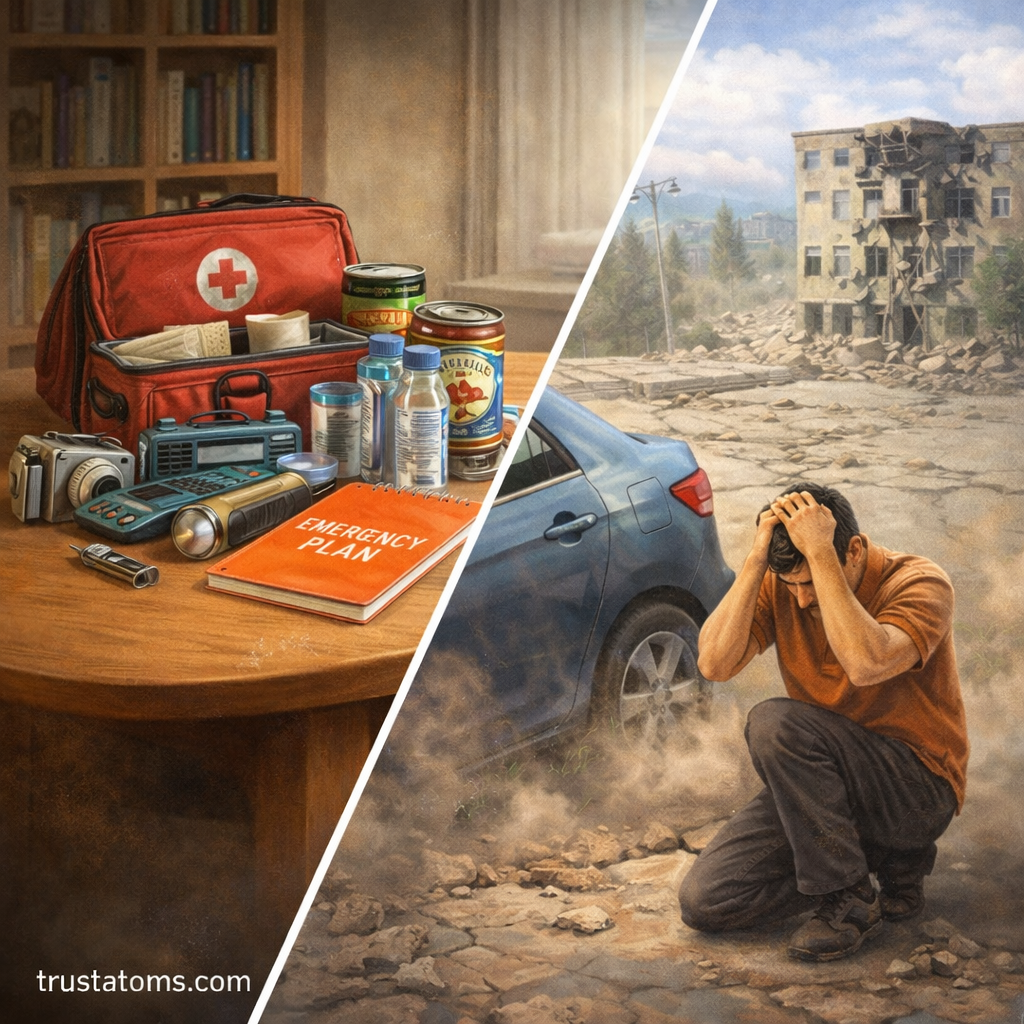
Planning ahead is the most effective way to stay safe.
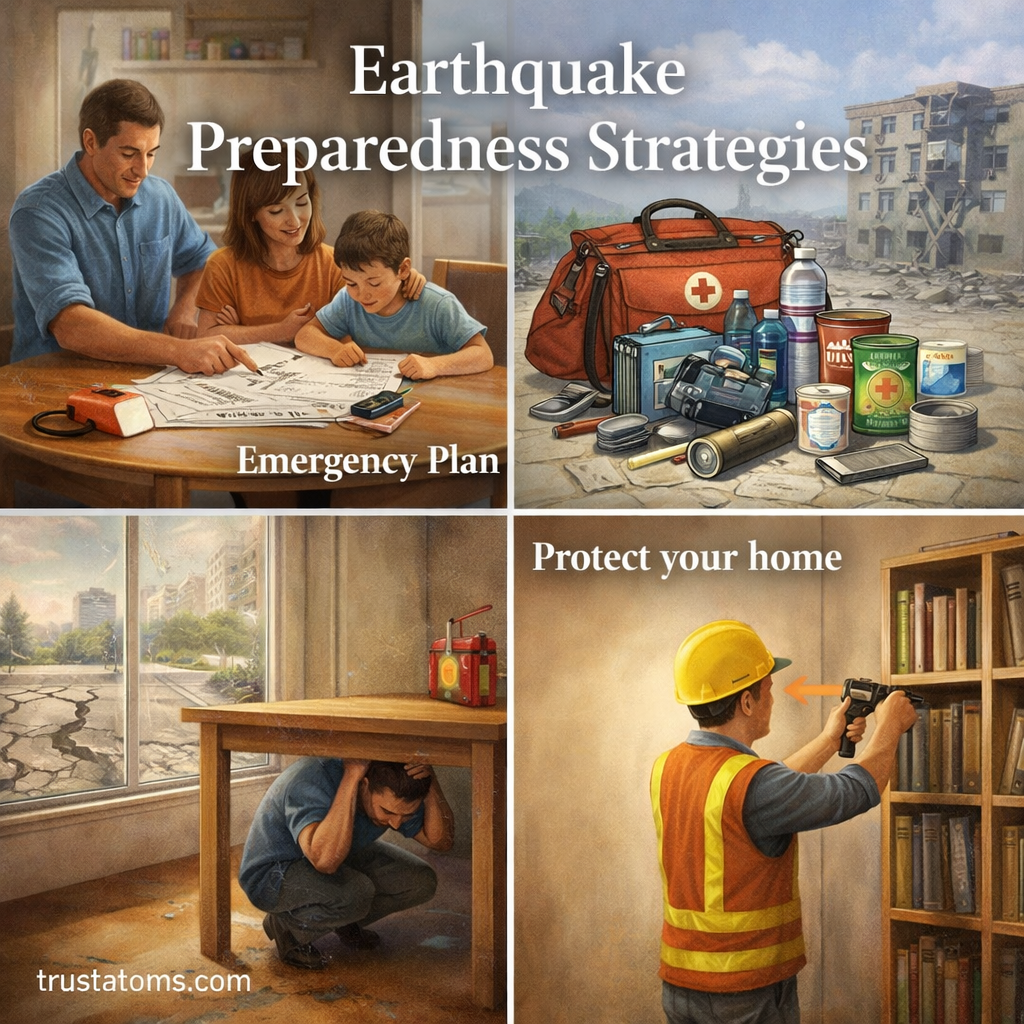
Create an Emergency Plan
Make sure everyone in your household knows what to do.
- Identify safe spots (under sturdy furniture, against interior walls)
- Establish communication plans
- Choose a meeting location if separated
- Practice earthquake drills regularly
Build an Emergency Kit
Your emergency kit should sustain you for at least 72 hours.
Essential items include:
- Water (1 gallon per person per day)
- Non-perishable food
- Flashlight and extra batteries
- First aid kit
- Medications
- Portable phone charger
- Important documents
Secure Your Home
Reducing hazards inside your home is critical.
- Anchor heavy furniture to walls
- Secure water heaters and appliances
- Install latches on cabinets
- Keep heavy objects on lower shelves
Know Your Area
Understanding local risks improves readiness.
- Learn about nearby fault lines
- Identify evacuation routes
- Be aware of tsunami risks if near the coast
During an Earthquake: What to Do
When shaking starts, act immediately.
Follow the “Drop, Cover, and Hold On” Method
- Drop to your hands and knees
- Cover your head and neck under sturdy furniture
- Hold on until the shaking stops
If You Are Indoors
- Stay inside—do not run outside
- Move away from windows and glass
- Avoid doorways unless structurally reinforced
If You Are Outdoors
- Move to an open area away from buildings, trees, and power lines
- Drop to the ground and protect your head
If You Are Driving
- Pull over safely to the side of the road
- Avoid bridges, overpasses, and tunnels
- Stay inside the vehicle until shaking stops
After an Earthquake: Immediate Actions
The danger does not end when the shaking stops.
Check for Injuries
- Provide first aid if needed
- Call emergency services for serious injuries
Inspect for Hazards
- Look for gas leaks, fires, or electrical damage
- Turn off utilities if necessary
- Avoid damaged buildings
Be Prepared for Aftershocks
Aftershocks can occur minutes, hours, or even days later.
- Stay alert
- Move to safe areas again if shaking resumes
Communicate Safely
- Use text messages instead of calls to reduce network congestion
- Follow official updates from local authorities
Common Mistakes to Avoid
Avoiding these errors can improve your safety:
- Running outside during shaking
- Standing near windows or heavy objects
- Ignoring aftershock risks
- Failing to secure household items beforehand
Earthquake Preparedness for Families and Communities
Preparedness is more effective when done collectively.
For Families
- Assign roles (first aid, supplies, communication)
- Teach children simple safety steps
- Practice drills regularly
For Communities
- Develop emergency response plans
- Conduct public awareness campaigns
- Strengthen building codes and infrastructure
Long-Term Preparedness Strategies
In earthquake-prone regions, long-term planning is essential.
- Build or retrofit structures to meet seismic standards
- Invest in early warning systems
- Educate the public on disaster preparedness
- Maintain emergency supply reserves
Why Preparedness Saves Lives
Earthquakes strike without warning, but preparation provides control in uncertain situations. Knowing what to do reduces panic, improves decision-making, and ultimately saves lives.
Final Thoughts
Earthquake preparedness is not a one-time task—it’s an ongoing process. By taking simple steps to plan ahead, secure your environment, and stay informed, you can protect yourself and those around you.
Being prepared doesn’t just reduce risk—it builds confidence and resilience in the face of natural disasters.