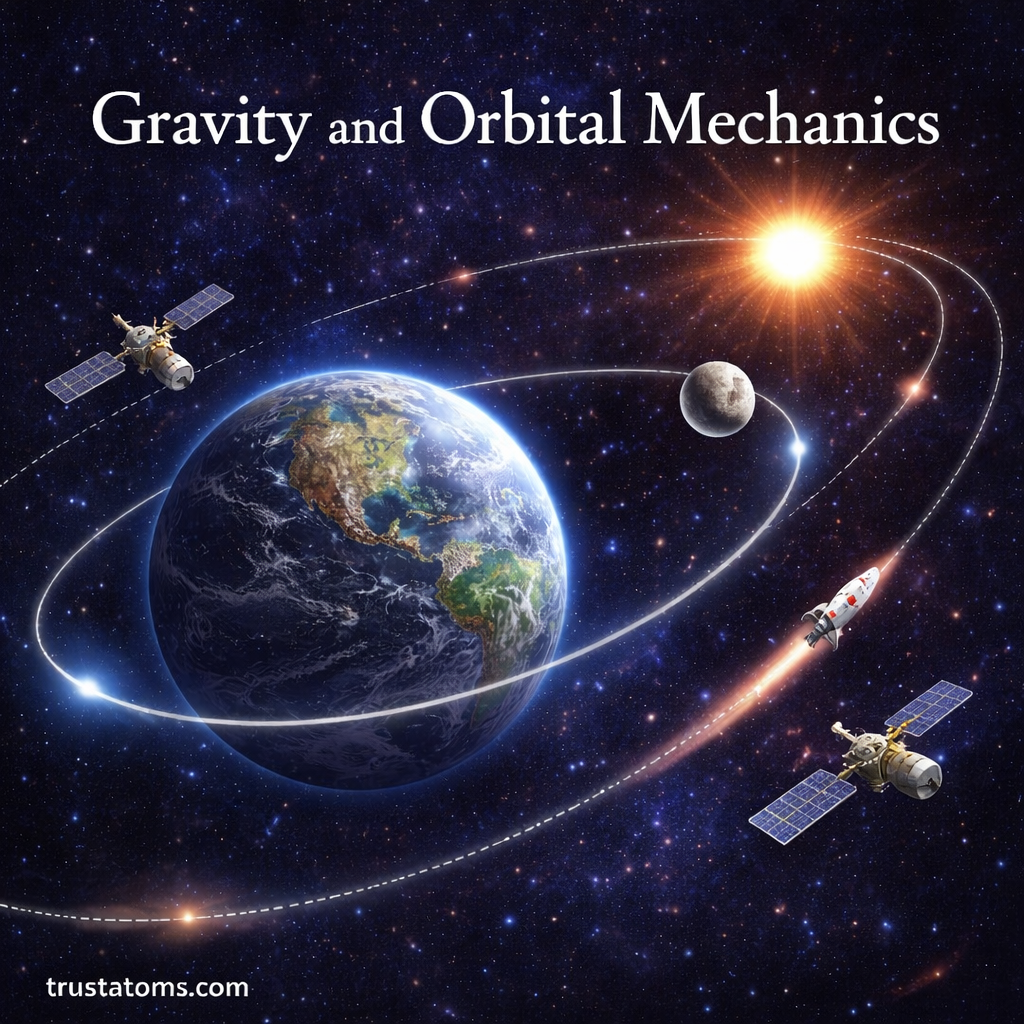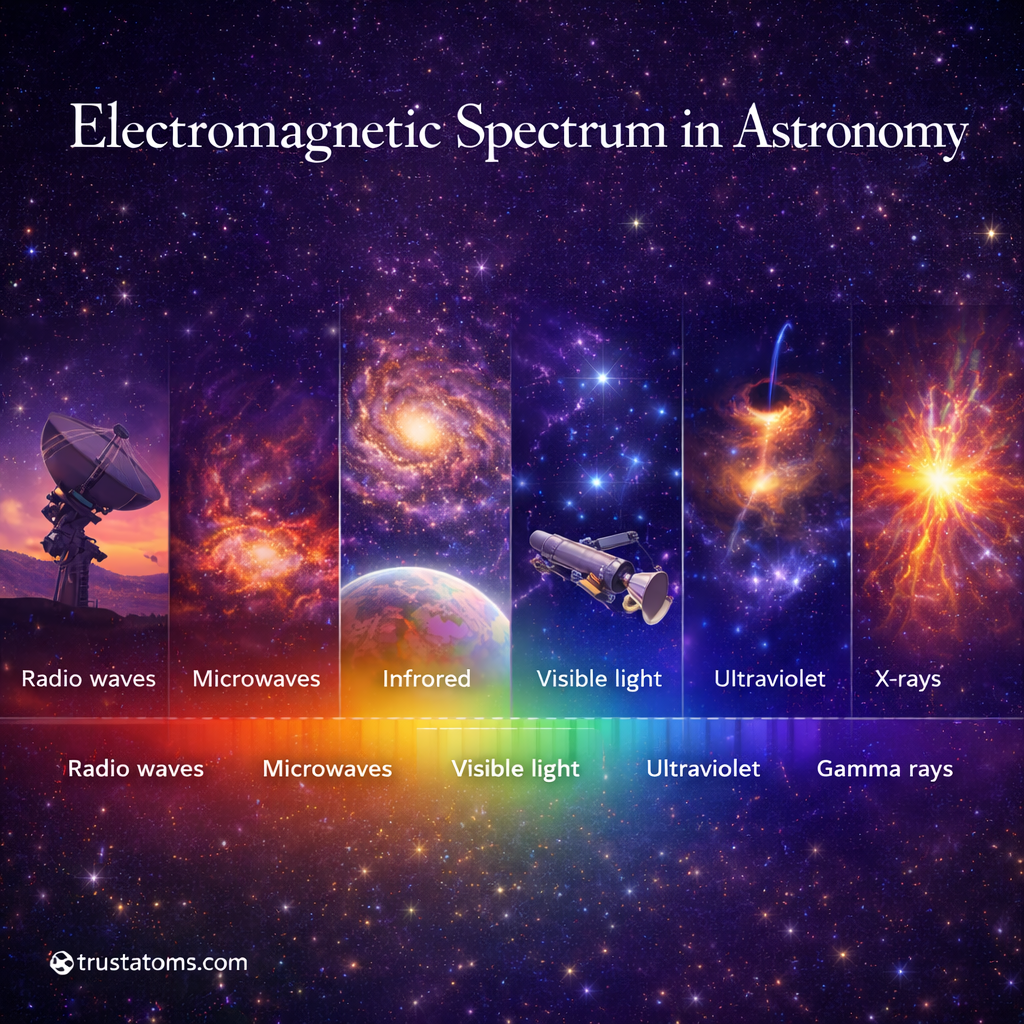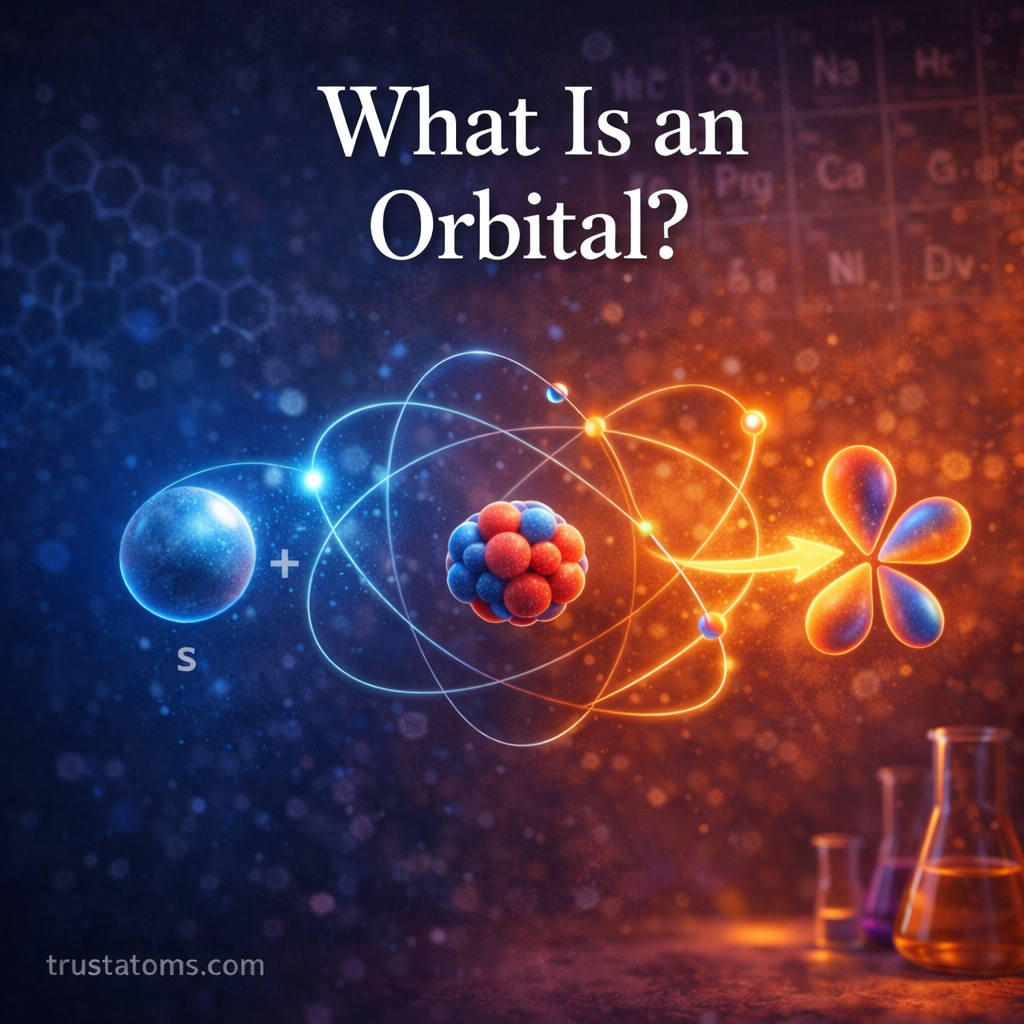
Orbital resonance is one of the most fascinating patterns in astronomy. It occurs when two or more orbiting objects exert regular, repeating gravitational influences on each other, creating stable and predictable relationships.
These gravitational “rhythms” can be found throughout the solar system—from moons orbiting giant planets to planets interacting with each other. By studying orbital resonance, scientists gain insight into how celestial systems form, evolve, and remain stable over time.
What Is Orbital Resonance?
Orbital resonance happens when orbiting bodies have periods that form simple numerical ratios.
Common examples of ratios:
- 2:1 (one object orbits twice for every one orbit of another)
- 3:2 (three orbits for every two of another object)
- 4:3 or higher-order ratios
These ratios mean the objects align at regular intervals, strengthening their gravitational interaction.
How Orbital Resonance Works
Every orbiting body exerts gravitational forces on others nearby. When their orbital periods match a ratio, these forces repeat in a consistent pattern.
What happens during resonance:
- Objects align at predictable points in their orbits
- Gravitational pulls reinforce each other
- Orbits can become more stable—or more chaotic
- Energy is transferred between objects over time
This repeated interaction is what makes orbital resonance so powerful in shaping celestial systems.
Famous Examples in the Solar System
Orbital resonance is not just theoretical—it’s observed in many well-known systems.
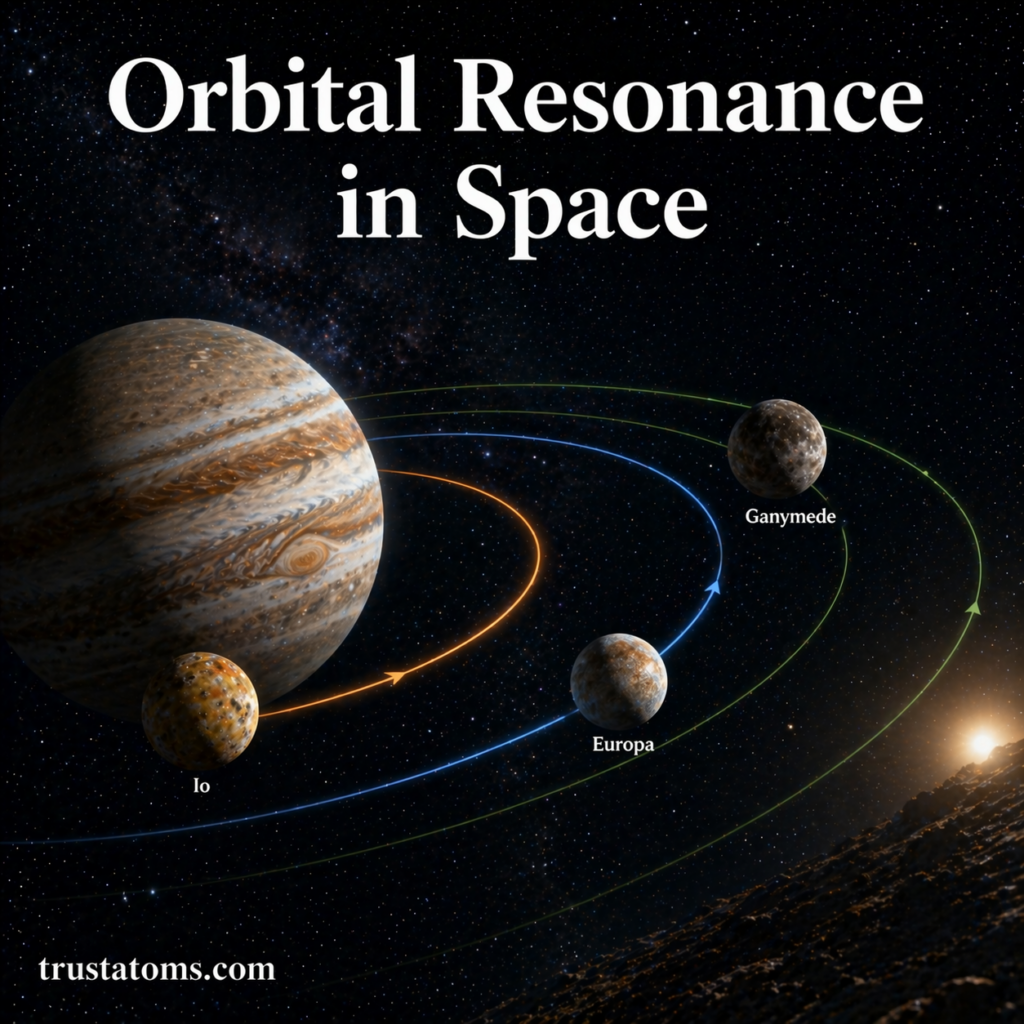
Moons of Jupiter
Three of Jupiter’s largest moons—Io, Europa, and Ganymede—are locked in a 1:2:4 resonance.
- Io completes 4 orbits
- Europa completes 2 orbits
- Ganymede completes 1 orbit
This relationship maintains their orbital stability and contributes to tidal heating, especially on Io.
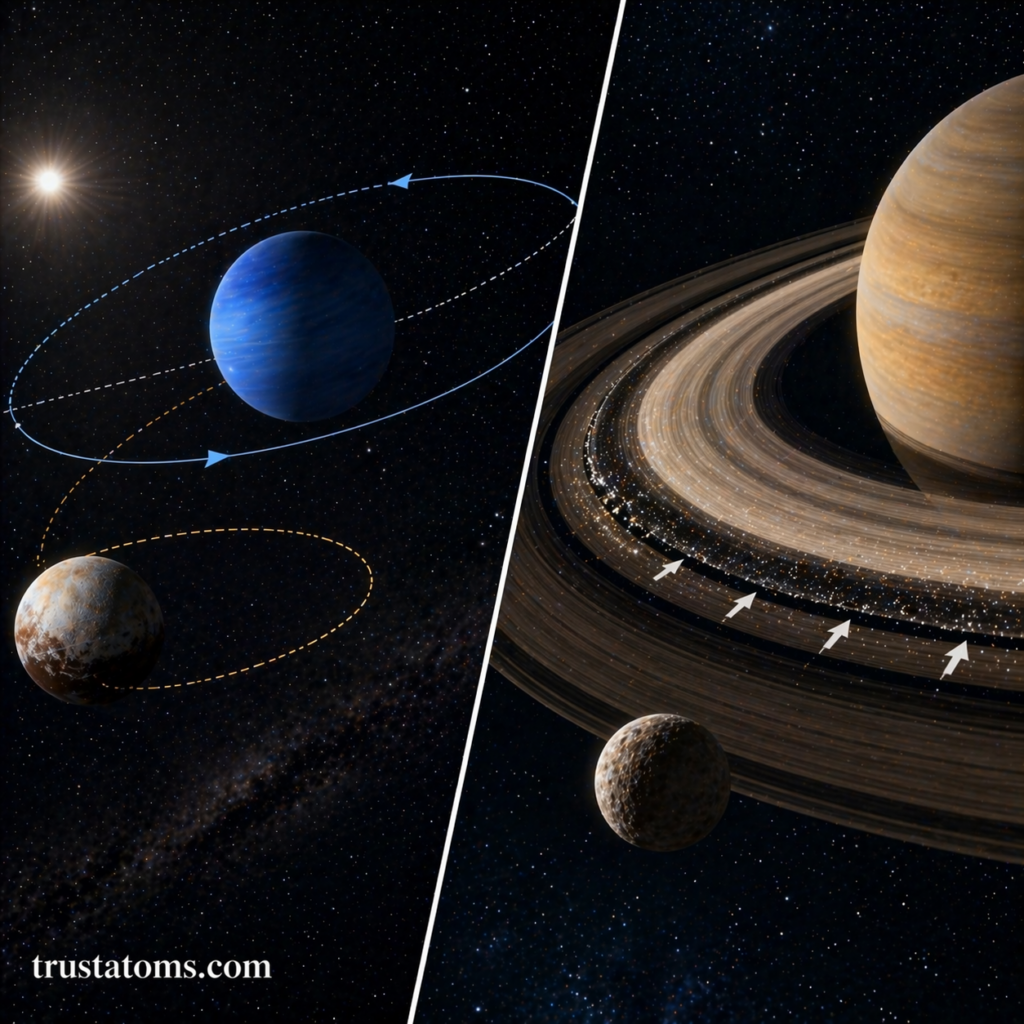
Pluto and Neptune
Pluto and Neptune share a 3:2 resonance.
- Pluto orbits the Sun twice for every three Neptune orbits
- This prevents close encounters despite crossing orbital paths
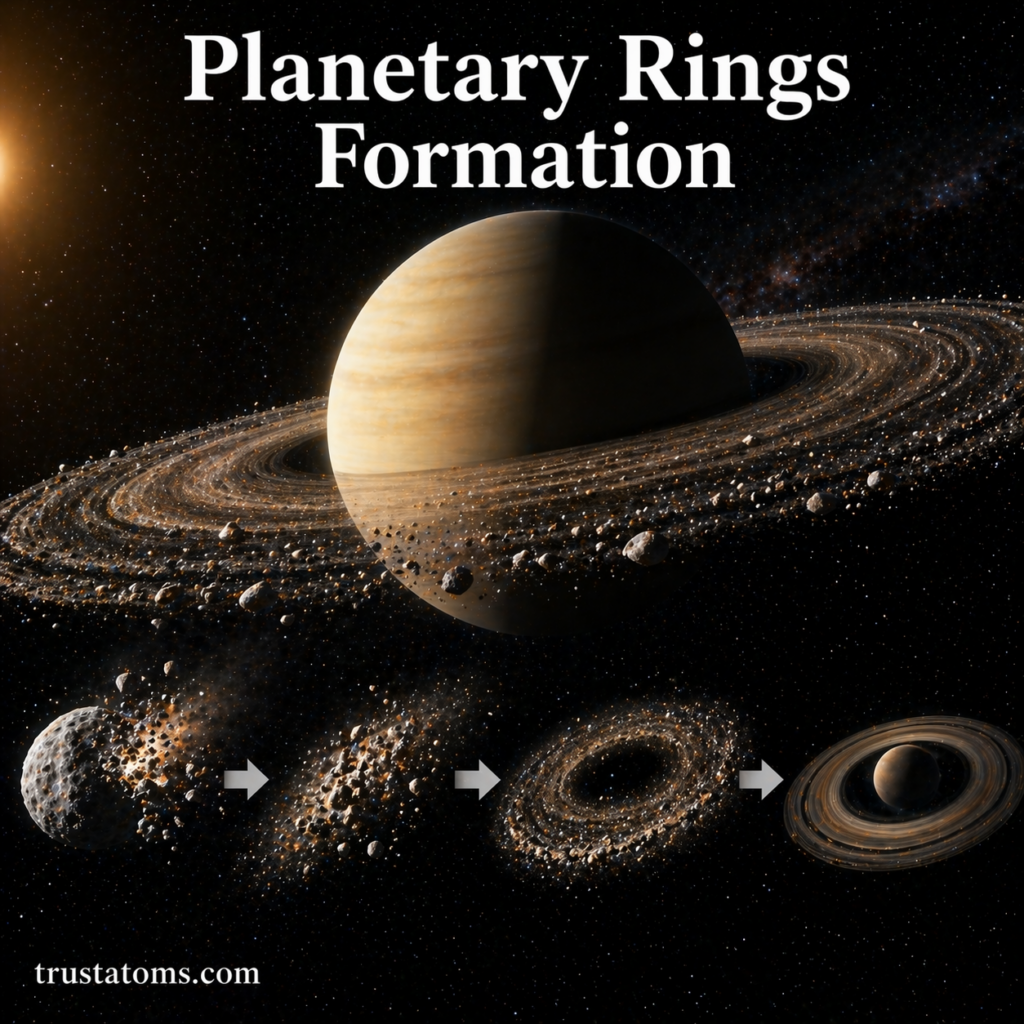
Saturn’s Rings
Gaps in Saturn’s rings are caused by resonances with its moons, such as Mimas.
- Gravitational interactions clear out material
- This creates visible gaps like the Cassini Division
Types of Orbital Resonance
Orbital resonance can occur in different forms depending on the system.
Mean-Motion Resonance
- Based on orbital period ratios
- Most common type
Spin-Orbit Resonance
- Rotation rate matches orbital period
- Example: Earth’s Moon always shows the same face
Secular Resonance
- Long-term gravitational effects
- Alters orbital shape or tilt over time
Each type plays a role in shaping the dynamics of celestial systems.
Effects of Orbital Resonance
Orbital resonance can either stabilize or destabilize orbits.
Stabilizing effects:
- Maintains consistent orbital spacing
- Prevents collisions between objects
- Creates long-term orbital balance
Destabilizing effects:
- Can increase orbital eccentricity
- May lead to collisions or ejections
- Contributes to chaotic motion in some systems
Whether stabilizing or disruptive, resonance always has a significant impact.
Orbital Resonance and Planet Formation
Orbital resonance plays a major role in how planetary systems form and evolve.
During formation:
- Protoplanets interact through gravity
- Resonances help organize orbital spacing
- Some objects are pushed into stable zones
Over time:
- Resonances can migrate
- Planets may shift positions
- Systems evolve into stable configurations
These processes help explain the structure of our solar system and others.
Orbital Resonance Beyond the Solar System
Orbital resonance is also observed in exoplanet systems.
Key observations:
- Many exoplanets exist in resonance chains
- Indicates migration during formation
- Helps astronomers predict unseen planets
Studying these systems provides clues about how planetary systems develop across the universe.
Why Orbital Resonance Matters
Understanding orbital resonance helps scientists answer fundamental questions about space.
Key benefits:
- Explains orbital stability
- Helps predict planetary motion
- Aids in detecting exoplanets
- Provides insight into system evolution
It also plays a role in planning space missions, where gravitational interactions are carefully calculated.
The Future of Orbital Resonance Research
Advances in technology are improving our ability to study resonance in detail.
Emerging developments:
- High-precision simulations
- Improved telescope observations
- AI-driven orbital modeling
- Deeper exploration of exoplanet systems
These tools will continue to uncover new resonance patterns across the universe.
Final Thoughts
Orbital resonance reveals the hidden rhythms of the universe. Through simple numerical relationships, gravity creates patterns that shape the motion of planets, moons, and other celestial bodies.
By studying these patterns, astronomers gain a deeper understanding of how the cosmos is organized—and how it continues to evolve.