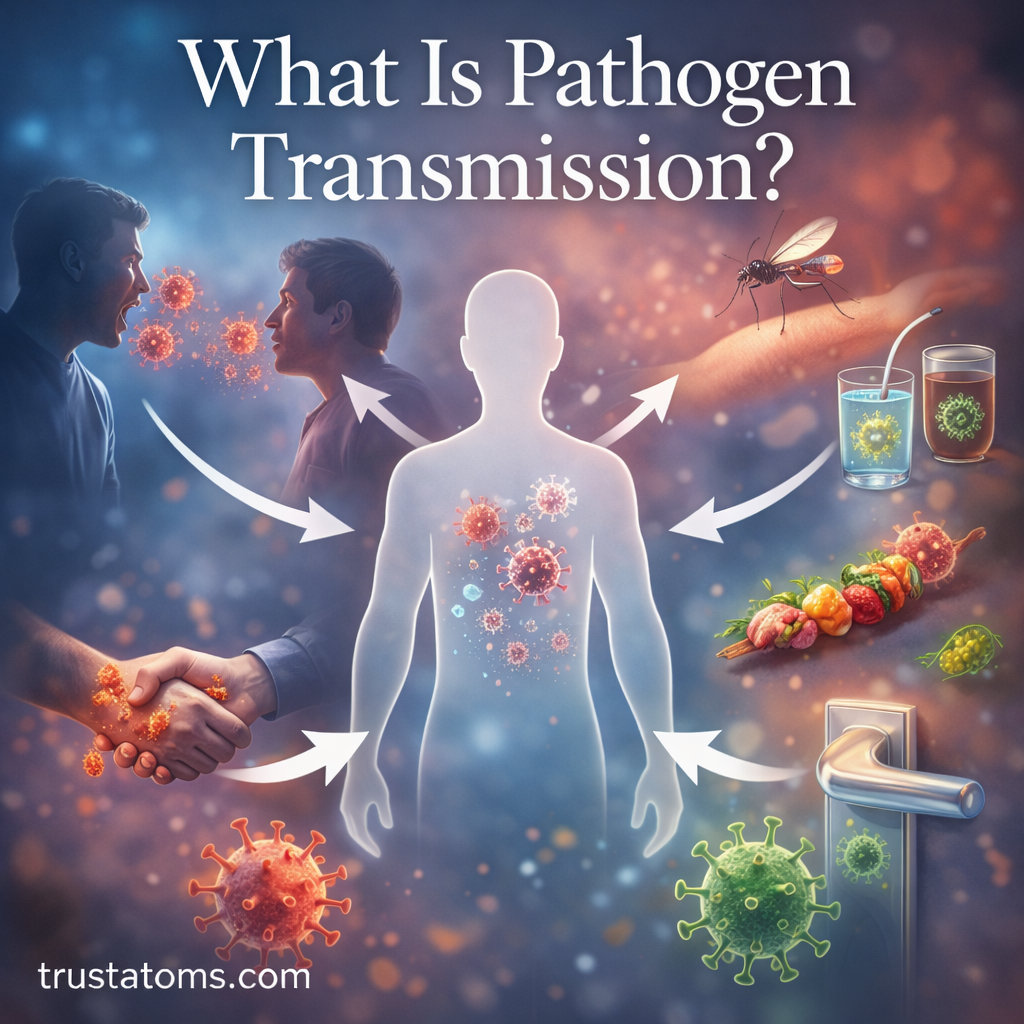
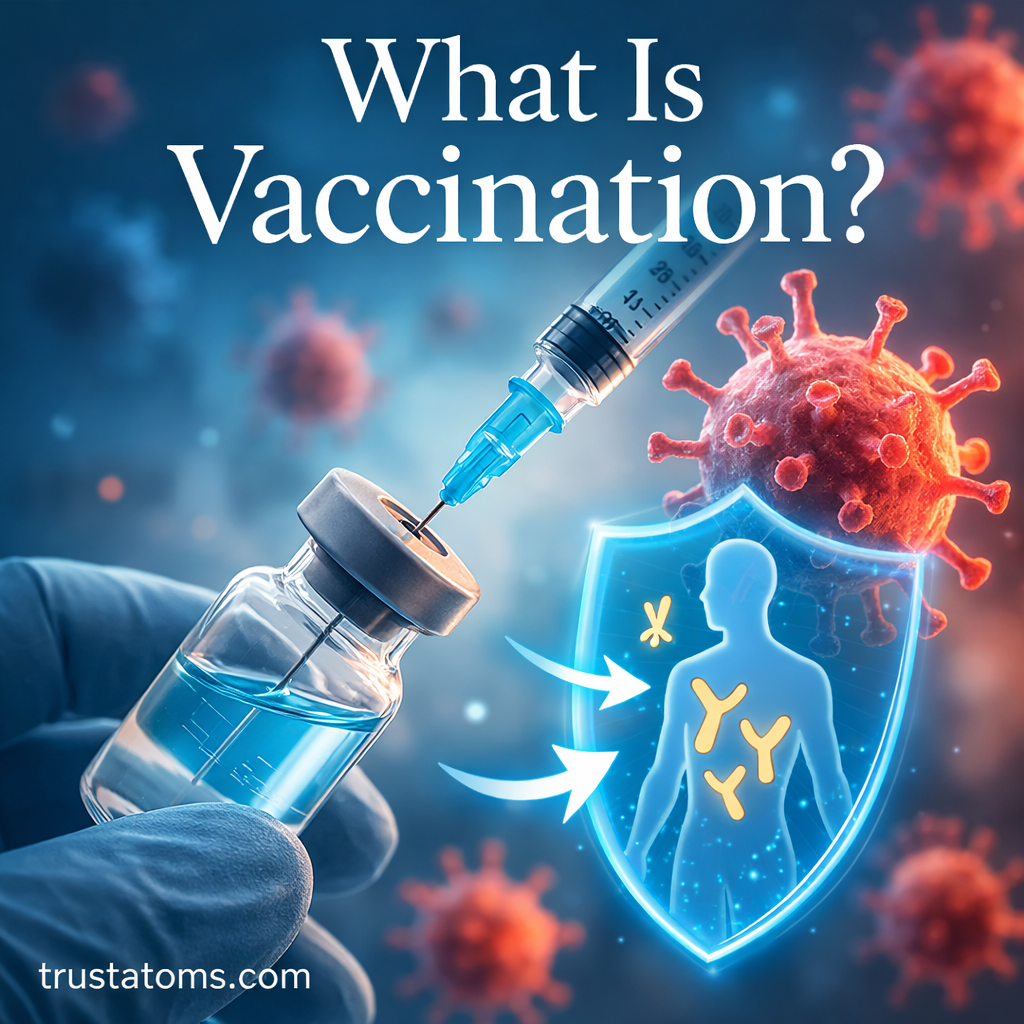
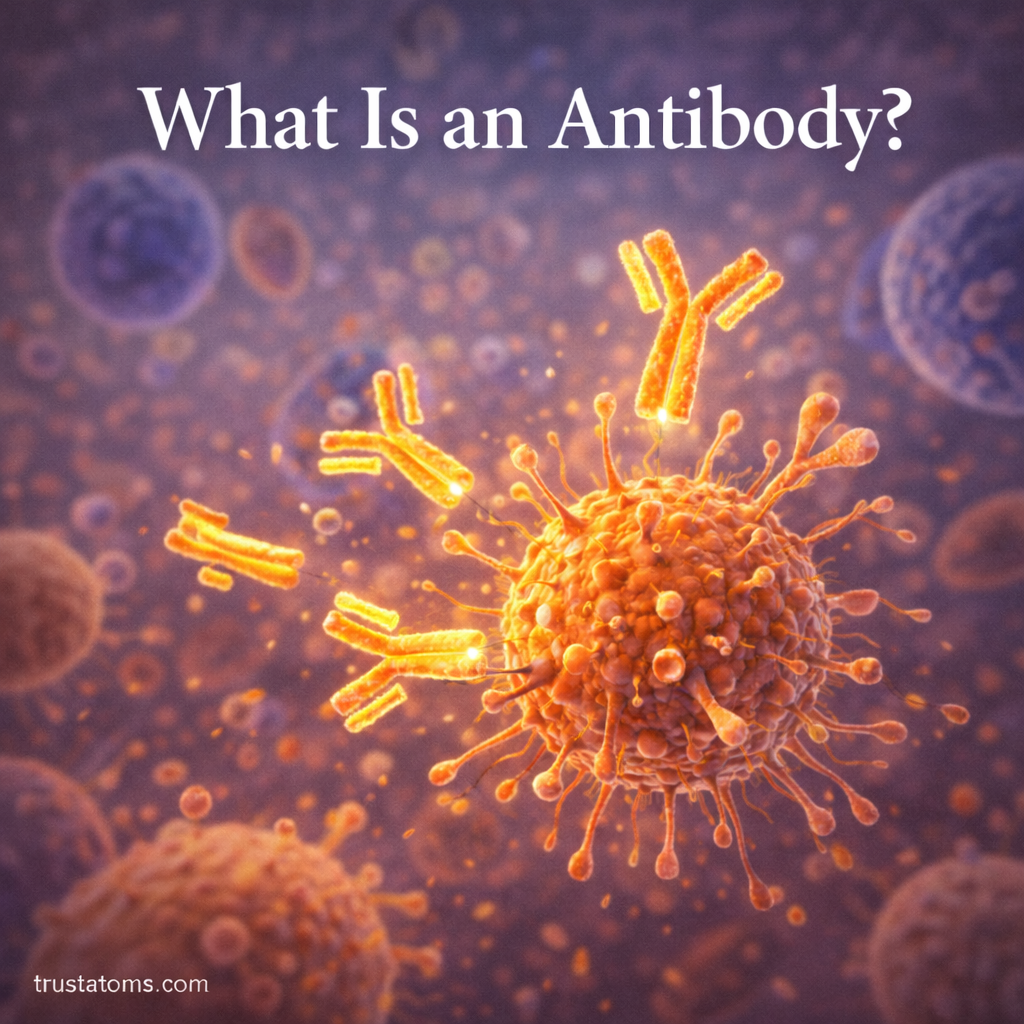
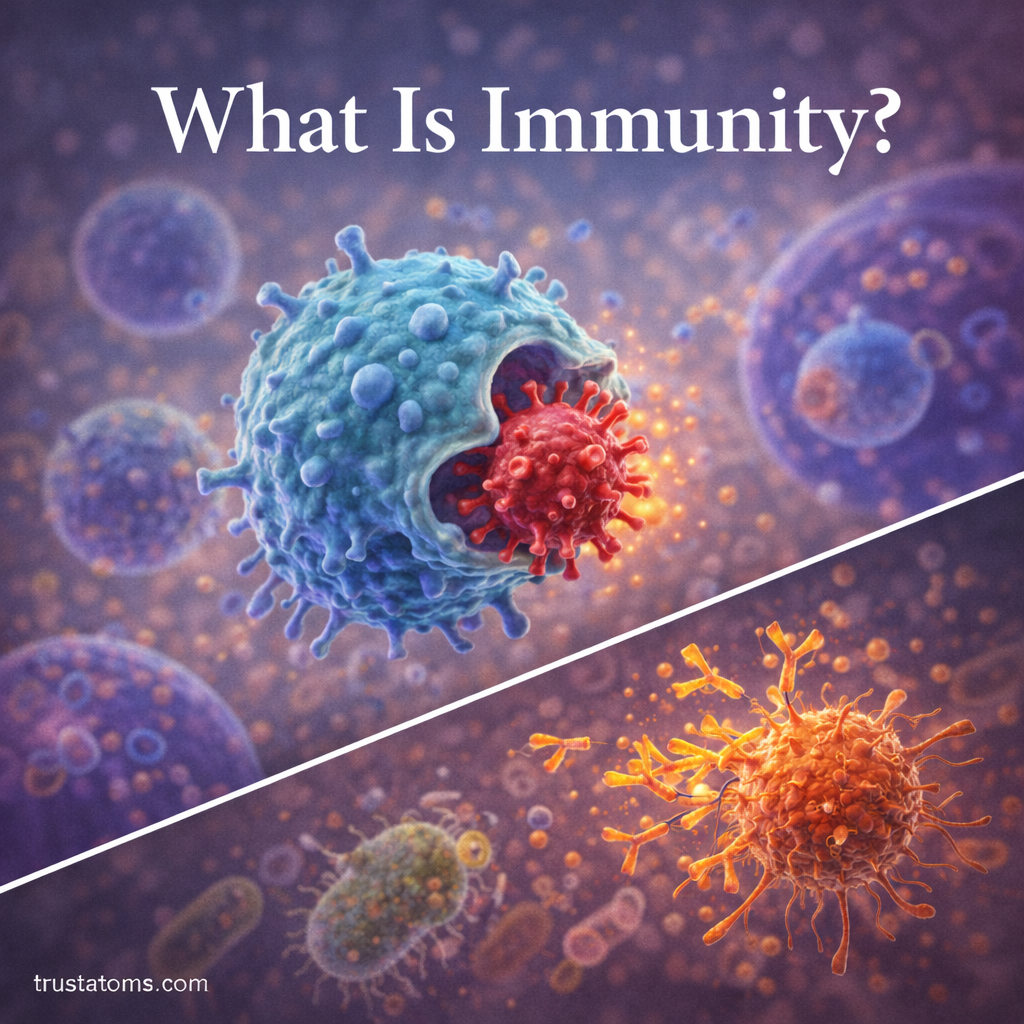
Host–pathogen interactions describe the biological relationship between a host organism and a disease-causing microorganism. These interactions are central to immunology because they determine how infections develop, how the immune system responds, and whether the body successfully eliminates the invading pathogen.
When a pathogen enters the body, it must overcome multiple defense systems. At the same time, the host’s immune system works to detect, neutralize, and eliminate the threat. The outcome of this interaction determines whether a person remains healthy, develops mild symptoms, or experiences severe disease.
Understanding host–pathogen interactions helps scientists develop vaccines, treatments, and disease prevention strategies.
Continue reading “Host–Pathogen Interactions in Immunology”