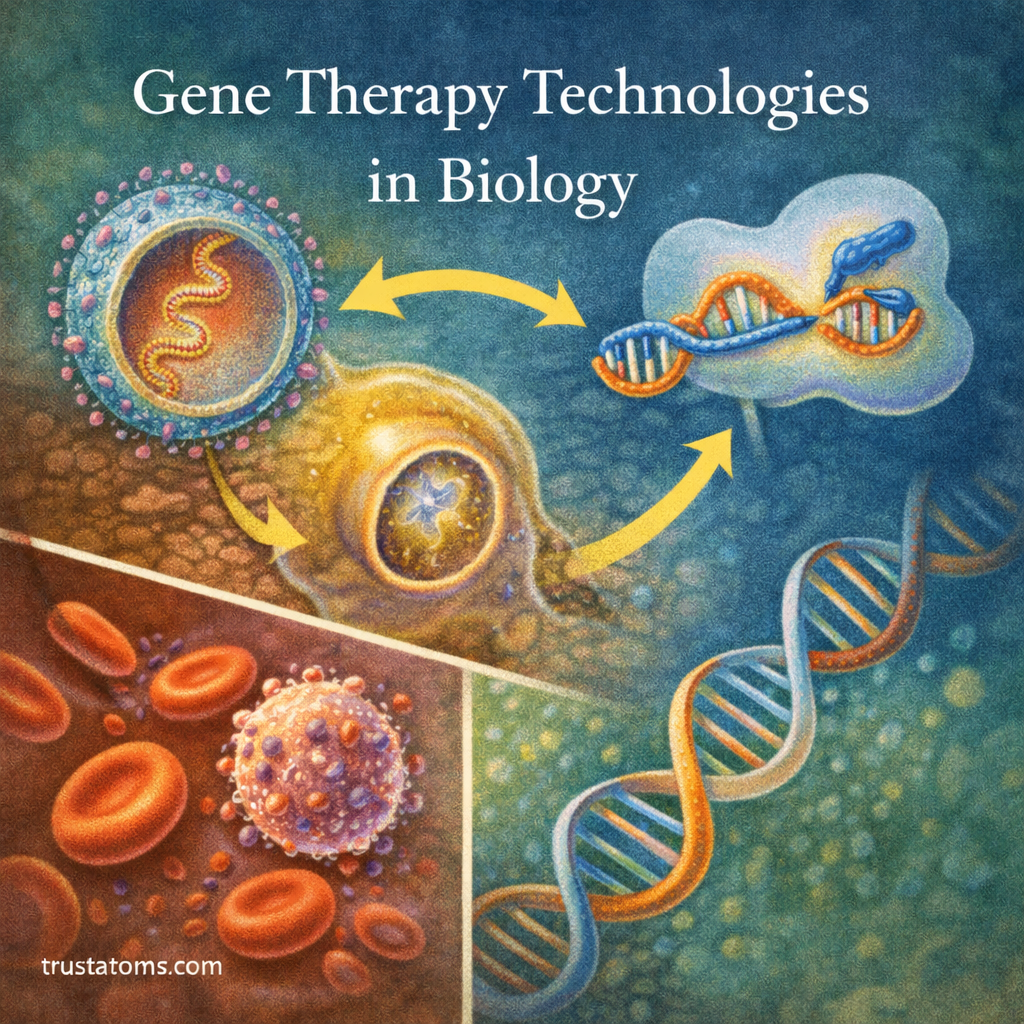
Gene therapy is one of the most transformative developments in modern biology and medicine. It involves modifying or replacing genetic material inside cells to treat or prevent diseases. Instead of managing symptoms with drugs or surgery, gene therapy targets the underlying genetic causes of certain conditions.
Advances in molecular biology, genetic engineering, and biotechnology have made gene therapy technologies increasingly precise and effective. Scientists are now developing tools that allow genes to be inserted, edited, or regulated directly within living cells.
These technologies hold promise for treating genetic disorders, certain cancers, and other diseases that arise from faulty or missing genes.
Continue reading “Gene Therapy Technologies in Biology”