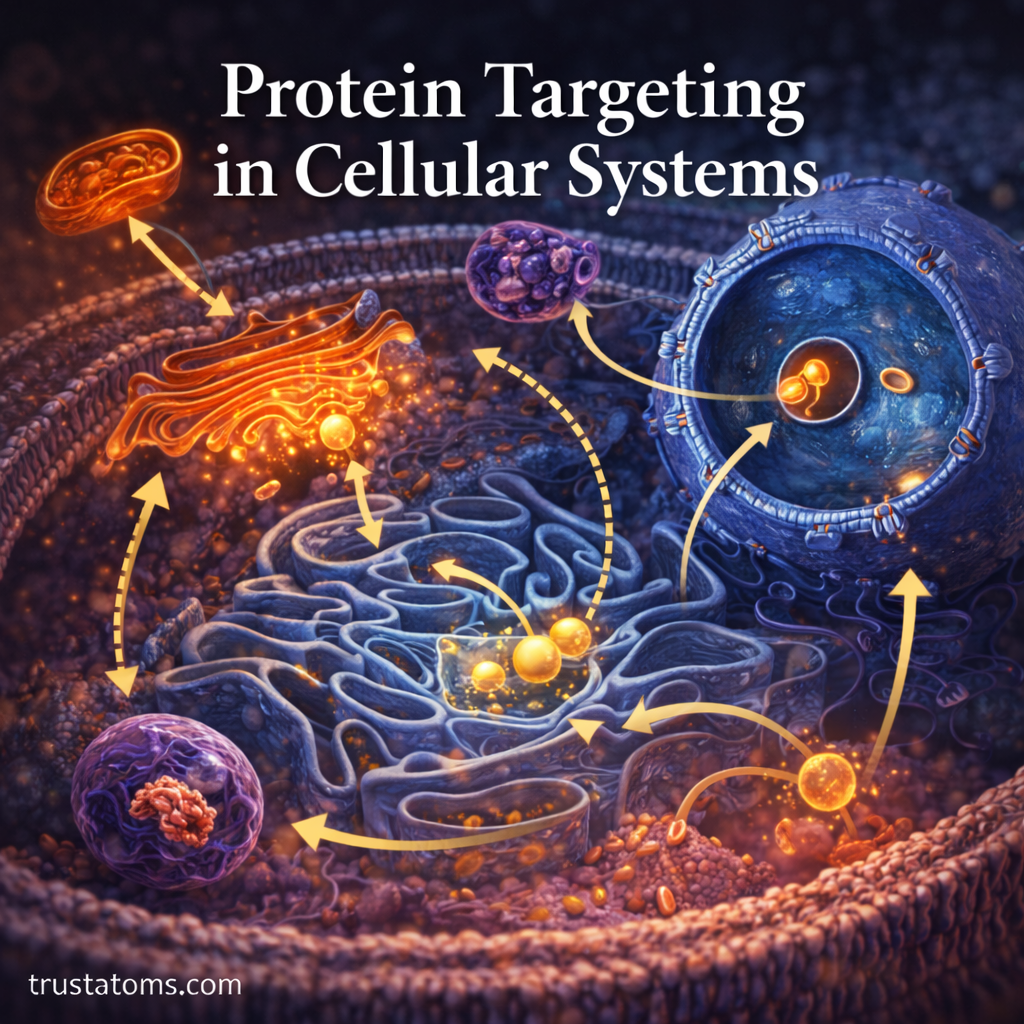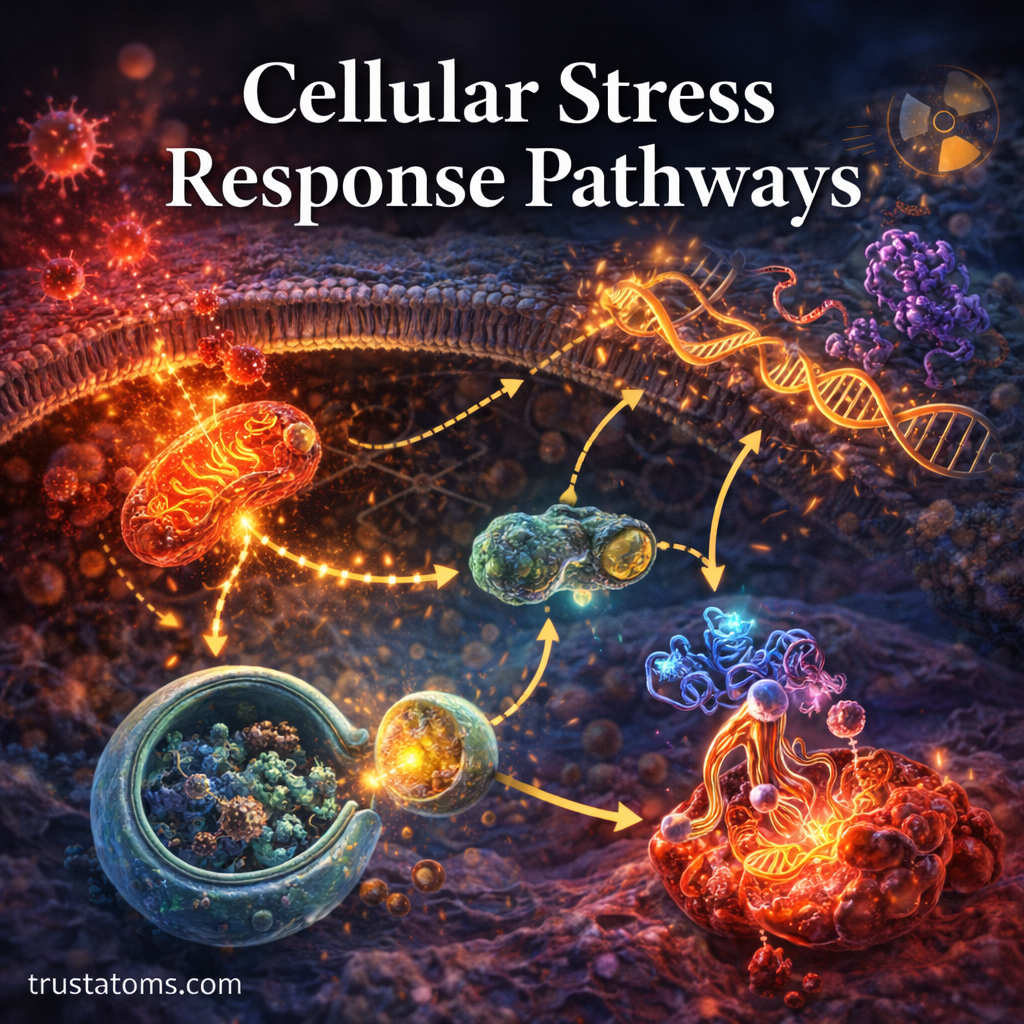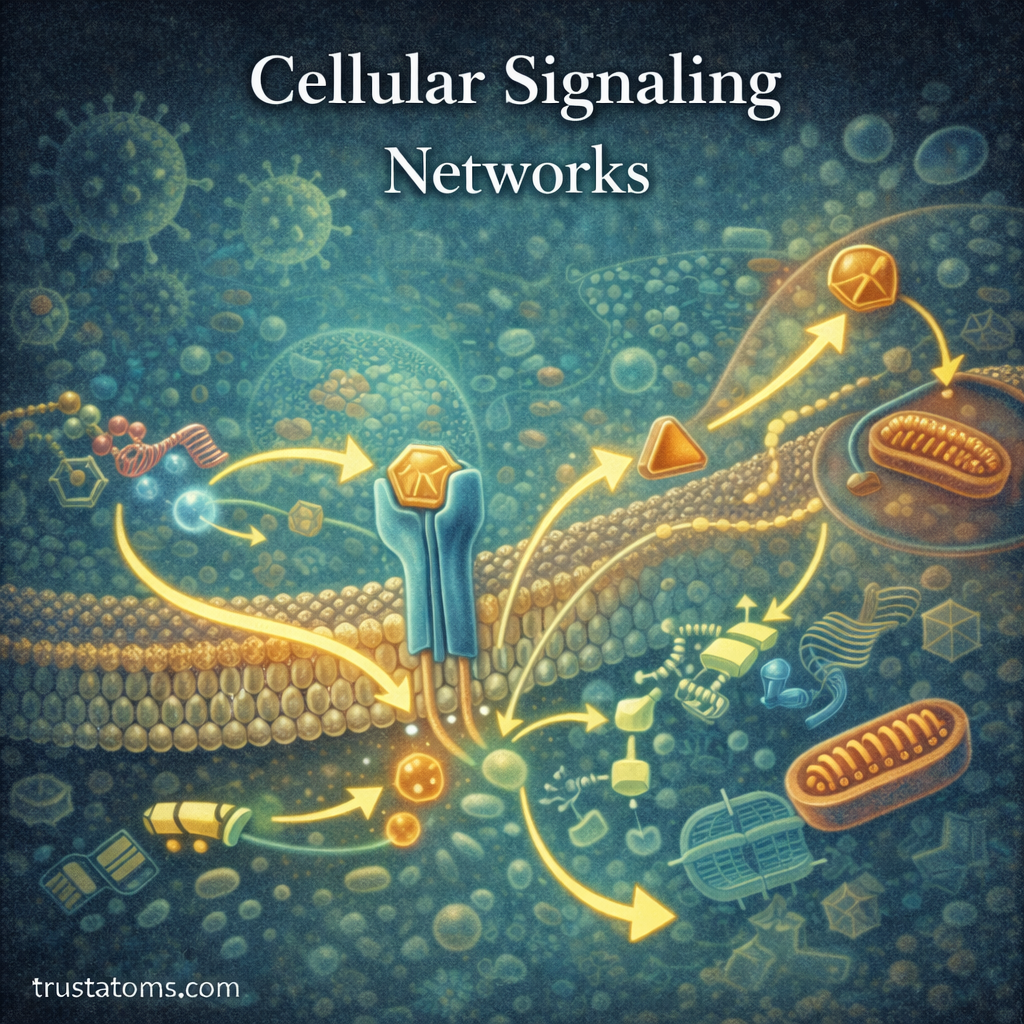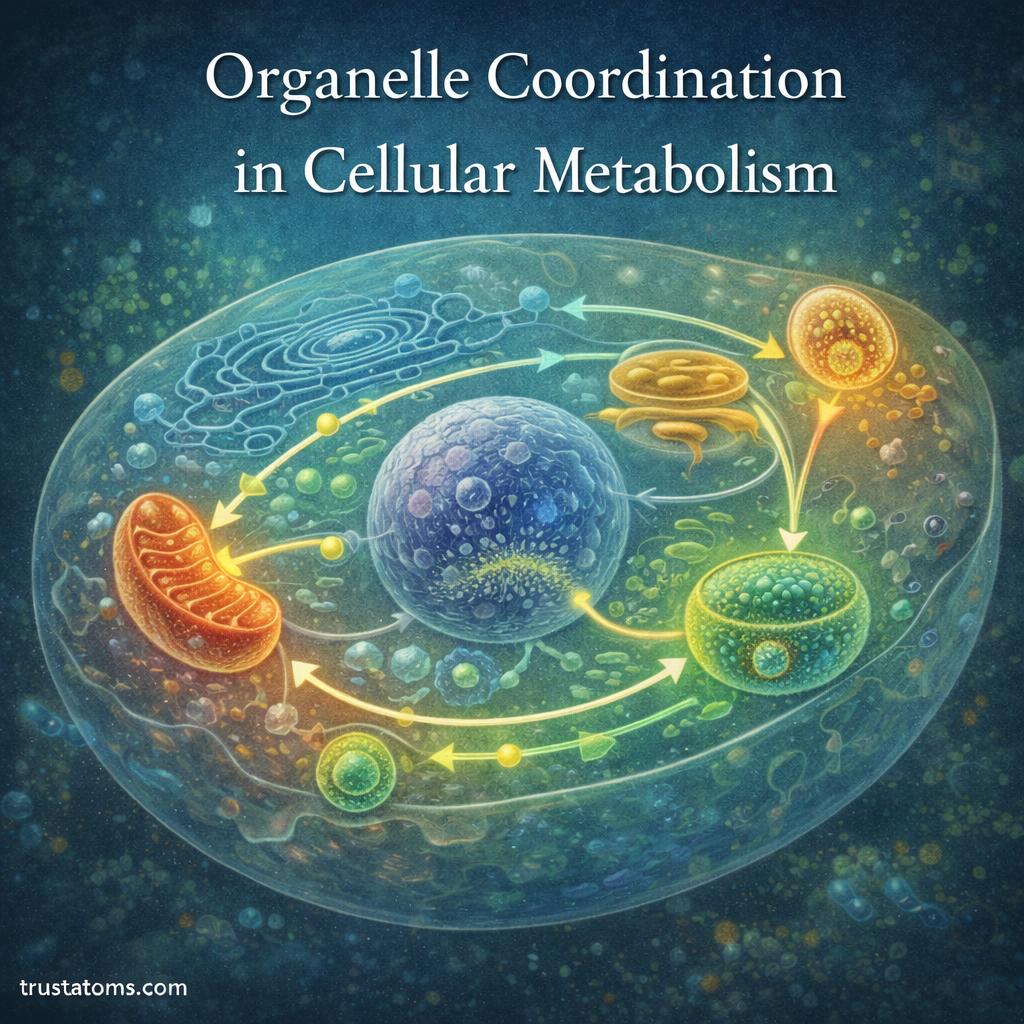
Cells are highly organized systems where specialized structures called organelles work together to maintain life. Each organelle performs distinct biochemical tasks, but cellular metabolism depends on the coordination between these structures rather than their individual functions alone.
Organelle coordination ensures that nutrients are processed efficiently, energy is produced at the right time, and metabolic products are delivered where they are needed. This dynamic communication between cellular compartments allows cells to regulate metabolism, respond to environmental changes, and maintain overall cellular health.
Understanding how organelles coordinate their activities provides insight into fundamental biological processes and helps researchers study metabolic diseases, aging, and cellular stress responses.
Continue reading “Organelle Coordination in Cellular Metabolism”