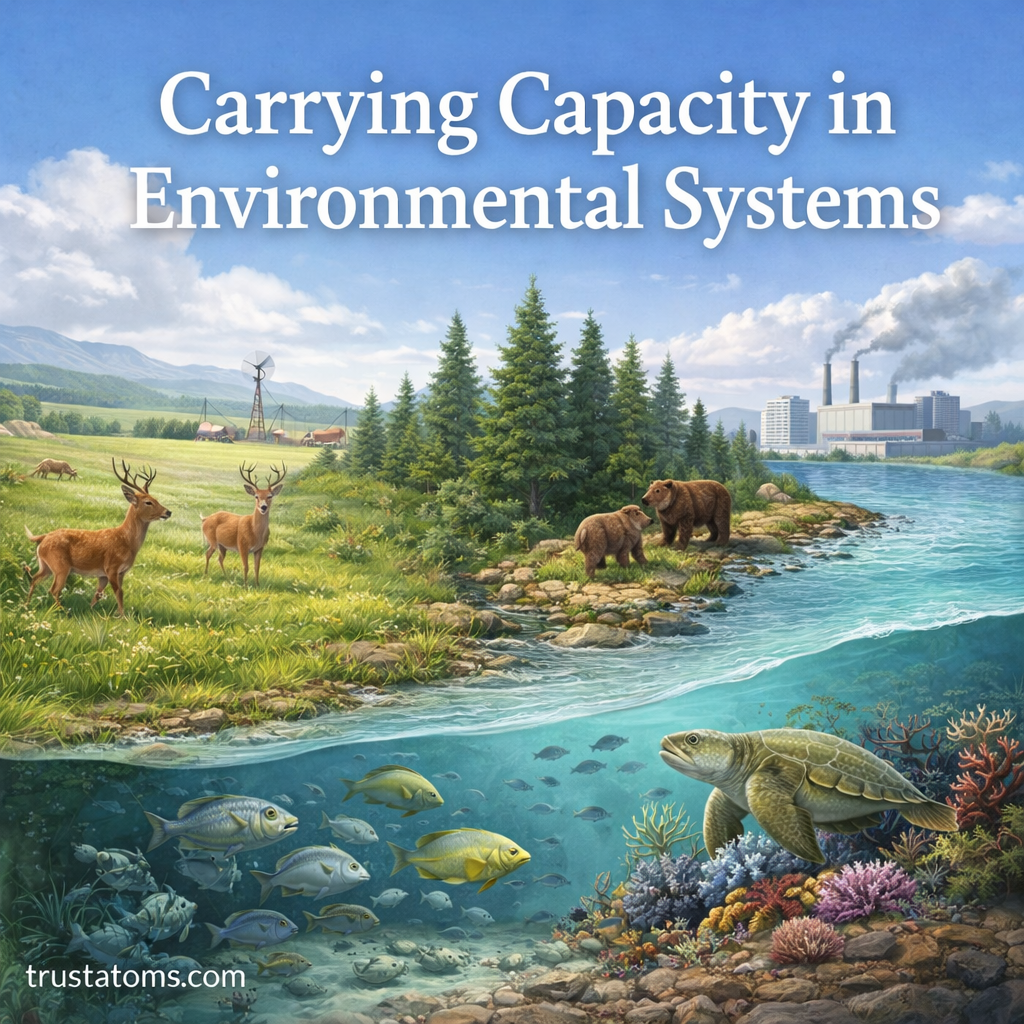
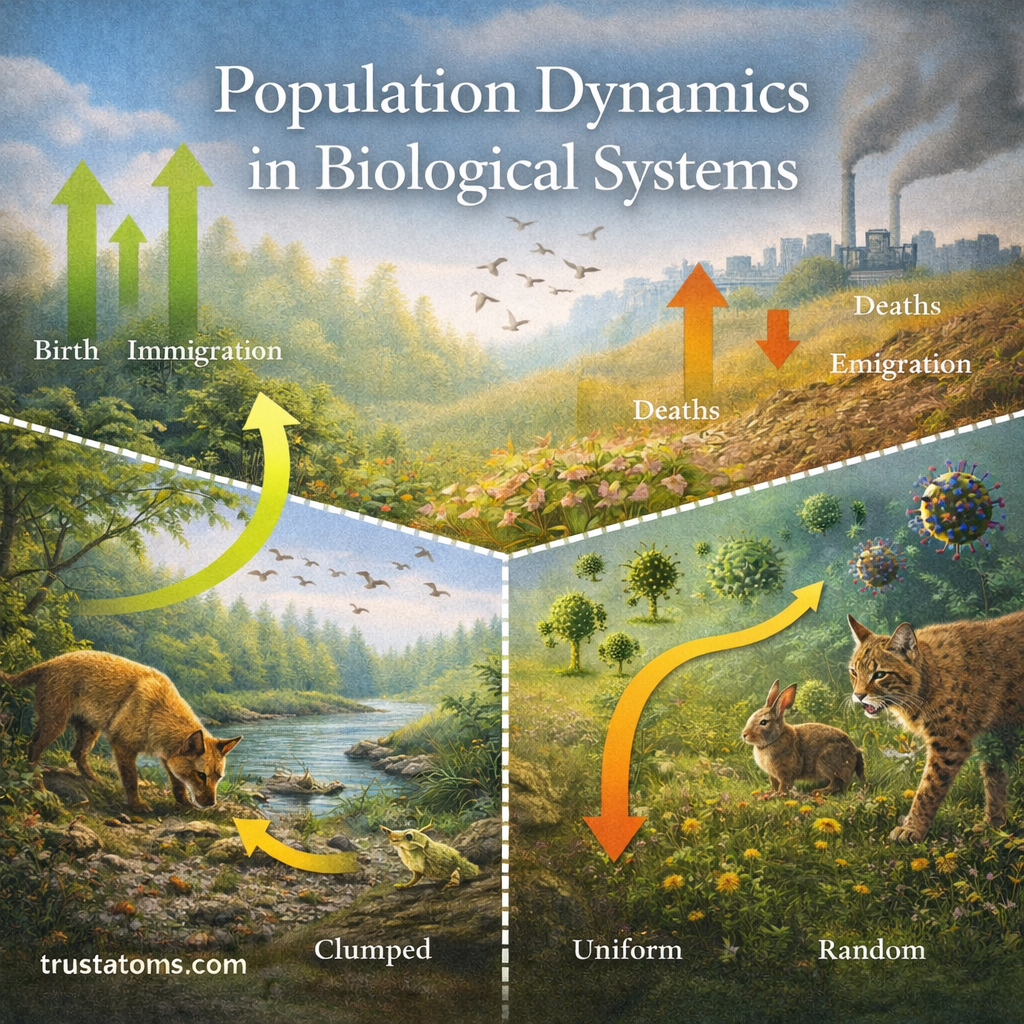
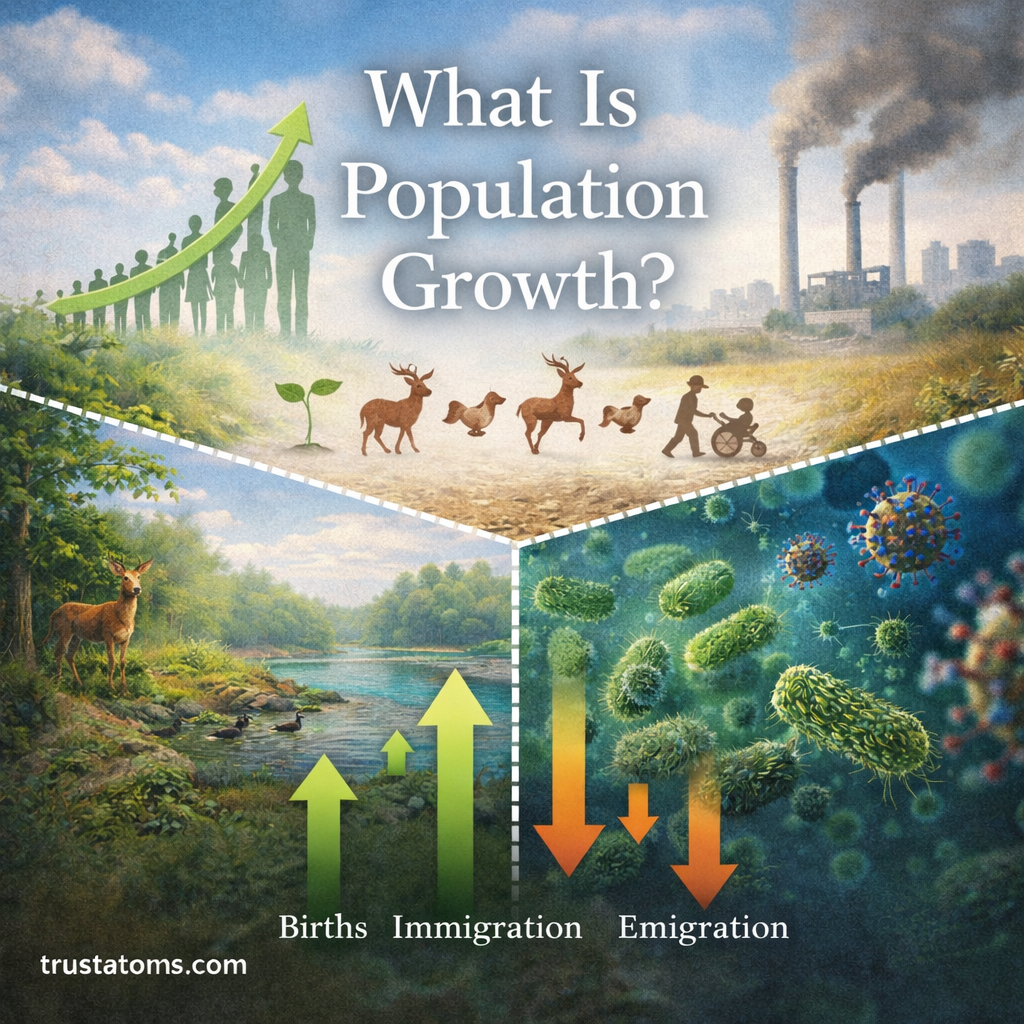
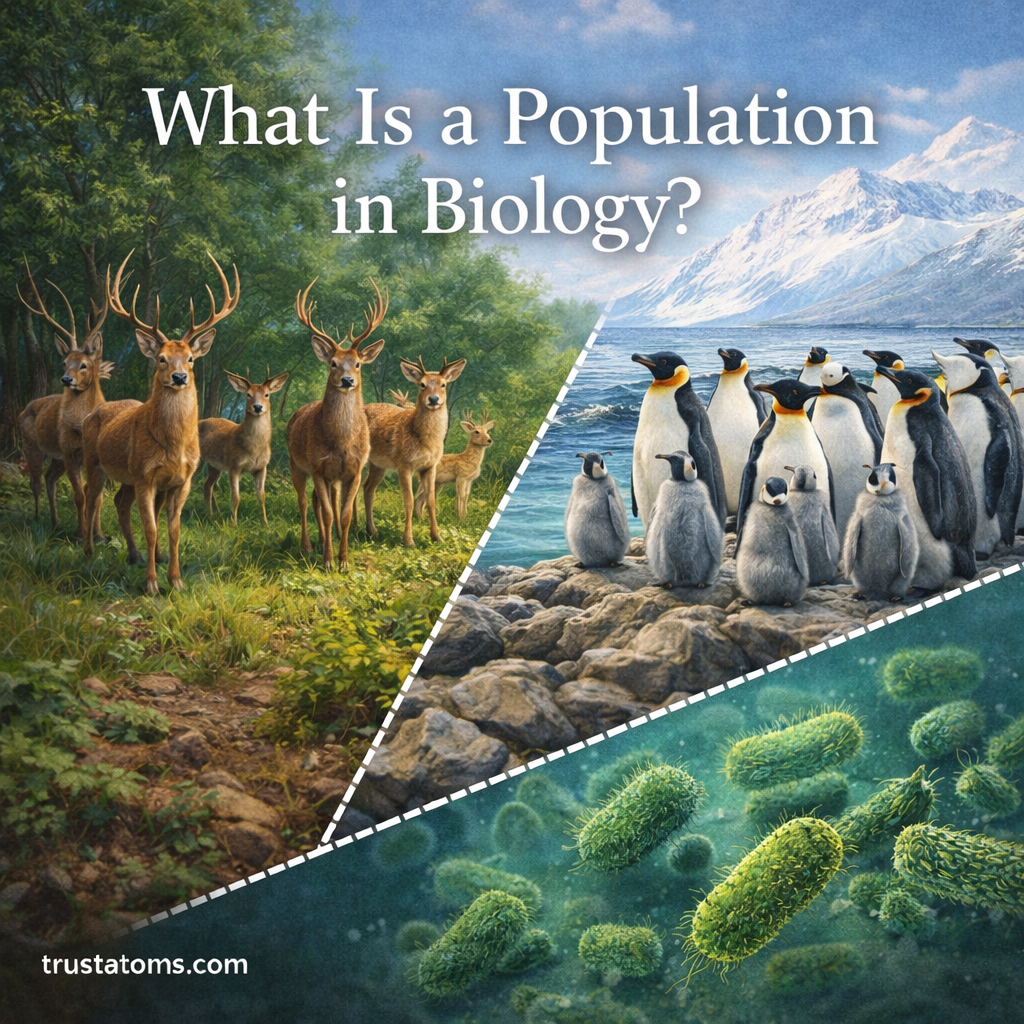
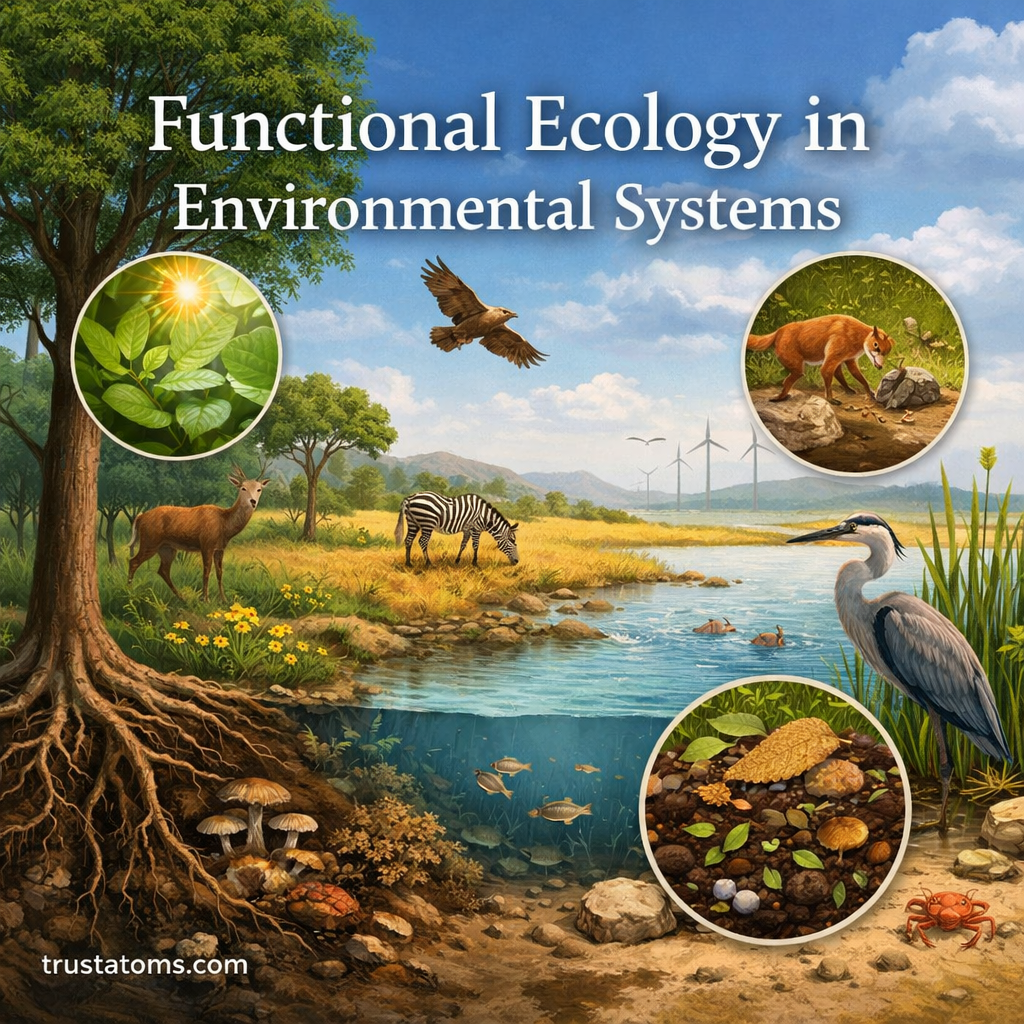
Environmental stress refers to conditions in an ecosystem that challenge the survival, growth, or reproduction of living organisms. In biology, environmental stress occurs when organisms face factors such as extreme temperatures, limited resources, pollution, or habitat disruption.
All living organisms—from microorganisms to plants and animals—must constantly adapt to changes in their environment. When environmental conditions move beyond what organisms can tolerate, biological systems become stressed.
Understanding environmental stress helps scientists study ecosystem health, species adaptation, biodiversity, and the long-term stability of natural systems.
Continue reading “Environmental Stress in Biological Systems”